
Ferulic acid stabilizes vitamin C by creating a protective chemical environment that prevents oxidation, keeping the active ingredient potent long enough to penetrate skin and fade acne marks. Vitamin C (ascorbic acid) is notoriously unstable—it oxidizes quickly when exposed to air, heat, or light, turning brown and losing its effectiveness. Ferulic acid works as an antioxidant that shields vitamin C molecules, allowing serums to remain effective for months instead of weeks. For acne scarring and post-inflammatory hyperpigmentation, this matters because vitamin C needs sustained contact with skin to stimulate collagen production and fade discoloration, something that’s impossible with an oxidized, inactive formula.
When vitamin C breaks down, you’re applying dead ingredients that do nothing for textured scars or dark marks. A ferulic acid-stabilized serum lets the vitamin C actually reach viable cells, where it can trigger the fibroblast activity needed to rebuild collagen in depressed scars and reduce melanin production in dark spots. You’ll see this combination in professional-grade serums for a reason: it’s the difference between a product that sits inert on your skin and one that actively works on acne damage. This article covers how the stabilization mechanism works at a molecular level, what concentrations actually matter, how to use it correctly without wasting it, and realistic timelines for seeing improvement on scars and marks.
Table of Contents
- How Does Ferulic Acid Chemically Stabilize Vitamin C?
- Why Vitamin C Matters Specifically for Acne Scars and Marks
- The Role of pH and Penetration in Scar Treatment
- Choosing and Using Ferulic Acid-Vitamin C Serums Correctly
- Oxidation Signs and Storage Problems
- Results Timeline for Acne Marks and Realistic Expectations
- Combining Vitamin C with Other Scar Treatments
- Conclusion
How Does Ferulic Acid Chemically Stabilize Vitamin C?
Vitamin C destabilizes because it readily loses electrons (oxidizes) in the presence of oxygen, water, or UV light, converting to dehydroascorbic acid—a degraded form that can’t trigger the same skin benefits. Ferulic acid is a polyphenol with a benzene ring structure that acts as a “sacrificial antioxidant,” meaning it oxidizes first, donating electrons to protect vitamin C before vitamin C can break down itself. Think of it as a bodyguard that takes the hit so the main target stays protected. Studies show that a ferulic acid-stabilized vitamin C serum maintains 75–80% of its potency over three months at room temperature, whereas unstabilized vitamin C loses 50% potency in weeks. The stabilization is enhanced by adding vitamin E (tocopherol) to the mix.
Vitamin E works synergistically with ferulic acid to create a layered defense: ferulic acid stops oxidation at the molecular level, and vitamin E prevents lipid peroxidation in the deeper skin layers. This trio—vitamin C, ferulic acid, and vitamin E—is sometimes called the “antioxidant trinity” in dermatology. However, stabilization still requires an acidic pH (3.5 or lower) and opaque, air-sealed packaging. Even with ferulic acid, if a serum sits in a clear bottle with a pump top in sunlight, you’re still getting degradation over weeks. The packaging and storage matter as much as the chemistry.
Why Vitamin C Matters Specifically for Acne Scars and Marks
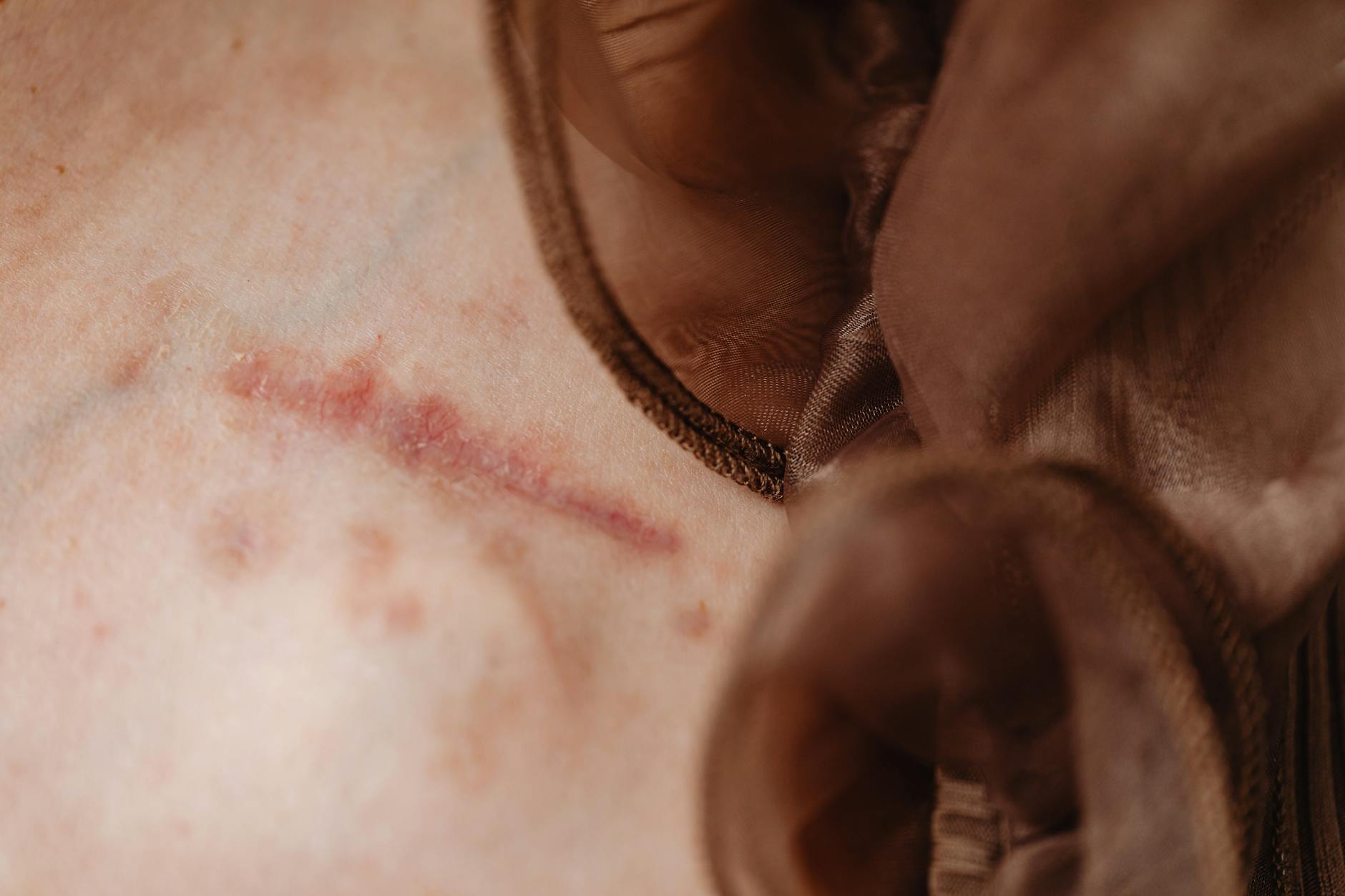
acne damage comes in two forms: textured scars (depressed or rolling) and color marks (hyperpigmentation or post-inflammatory erythema). Vitamin C addresses both, but it needs adequate concentration and bioavailability to work. For texture, vitamin C stimulates fibroblasts—the cells responsible for collagen synthesis—allowing the skin to fill in pitted scars over time. For marks, it reduces melanin overproduction and promotes cellular turnover so dark spots fade.
Neither effect happens fast; most studies show visible improvement takes 8–12 weeks of consistent use. However, if vitamin C oxidizes before absorbing, it provides zero benefit. You could use a 15% unstabilized vitamin C serum and get worse results than a 5% stabilized formula because the degraded vitamin C actually increases free radical damage on skin. This is why ferulic acid isn’t just a luxury ingredient—it’s essential if you want vitamin C to actually work on scars. Unstabilized serums are fine for general antioxidant benefit to healthy skin, but for acne damage where you need the specific fibroblast-stimulating effects, you need a formula that guarantees the vitamin C reaches viable cells intact.
The Role of pH and Penetration in Scar Treatment
Vitamin C only works on acne damage if it penetrates to the dermis where collagen lives and fibroblasts operate. This requires two conditions: low pH (so the vitamin C can be absorbed across the epidermis) and stabilization (so it doesn’t degrade during transit). A typical ferulic acid-stabilized serum sits at pH 3.0–3.5, which is acidic enough to help penetration but not so acidic that it irritates normal skin. This pH creates an optimal environment for the vitamin C to remain stable and bioavailable.
An example of the difference: a stabilized 10% L-ascorbic acid serum at pH 3.2 will show measurable collagen stimulation in the dermis after 4 weeks. The same concentration at pH 5 or higher (stabilized by something weaker than ferulic acid) will remain mostly in the stratum corneum and epidermal layers, never reaching the fibroblasts that need stimulation for scar remodeling. If you’re treating depressed acne scars, surface-level vitamin C does almost nothing; you need it deep. Ferulic acid enables this penetration by keeping the molecule stable throughout the absorption process.
Choosing and Using Ferulic Acid-Vitamin C Serums Correctly
The most effective formulas contain L-ascorbic acid (not ascorbyl palmitate or other derivatives, which are less potent) at 8–15% concentration, paired with 0.5–1% ferulic acid and 1% vitamin E. Higher concentrations don’t necessarily mean better results; 8% is typically sufficient for acne scars, and going above 15% increases irritation risk without added benefit. Look for serums in dark or opaque bottles with pump dispensers, not dropper bottles exposed to air. If the product comes in a clear glass bottle, it’s a red flag that the brand doesn’t understand ferulic acid stabilization. Application matters too.
Apply to clean, dry skin—water dilutes the serum and can promote oxidation. Use 2–3 drops and let it dry completely (2–3 minutes) before applying moisturizer or sunscreen. Don’t mix it with alkaline products (like vitamin A or niacinamide) that shift pH upward, which destabilizes vitamin C. You can layer it under most actives, but avoid combining with benzoyl peroxide (which degrades vitamin C) or glycolic acid (which works better at different pH). If you’re treating active acne plus scars, consider using vitamin C in the morning and acne medications at night rather than combining them, to ensure each ingredient works optimally.
Oxidation Signs and Storage Problems
A stabilized vitamin C serum will eventually oxidize despite ferulic acid—that’s just chemistry. Brown discoloration is the first sign; if your serum turns tan or brown, it’s lost potency and isn’t worth using. Some formulas start slightly yellow (normal for stabilized vitamin C) but should never progress to brown. If this happens after a few weeks, your storage or usage is the problem: you’re exposing it to heat, light, or air too often. Storage matters enormously.
Keep the serum in a cool, dark place (a bathroom cabinet is better than a shelf) and minimize air exposure by using it quickly. A half-used bottle loses more vitamin C to oxidation than a freshly opened one because there’s more air space at the top. If you’re in a hot climate or your home stays above 75°F, consider refrigerating the serum—ferulic acid actually becomes more stable at cooler temperatures. One limitation of ferulic acid stabilization is that it doesn’t eliminate the need for proper care; it just extends the useful lifespan. Even the best formula will degrade in poor conditions, so a $20 serum kept properly is often more effective than a $80 serum stored poorly.
Results Timeline for Acne Marks and Realistic Expectations
Hyperpigmentation (dark marks) typically shows improvement first, with some fading visible by 6–8 weeks and significant lightening by 12 weeks. This is because melanin reduction is faster than collagen remodeling. Textured scars take longer; you’ll need 12–16 weeks minimum to see noticeable filling in depressed scars, and results plateau around 6 months. Some people see no improvement in severe icepick or boxcar scars because vitamin C alone can’t rebuild enough collagen for deep pitting; these often need professional treatments like microneedling or laser therapy alongside topical vitamin C.
A concrete example: someone with dark post-inflammatory marks from a breakout two months ago might see 40% fading by week 8 with consistent vitamin C use. But someone with 2-year-old atrophic scars (the kind that appears as small divots in the skin) might see only 10–15% improvement over the same timeframe. This doesn’t mean vitamin C doesn’t work; it means expectations need to match the type and age of the damage. Newer scars (under one year old) respond much better than old ones, which have formed stable collagen structures that take longer to remodel.
Combining Vitamin C with Other Scar Treatments
Ferulic acid-stabilized vitamin C works synergistically with other ingredients targeting acne damage. Niacinamide reduces sebum and redness, complementing vitamin C’s collagen-stimulating effect. Retinoids also increase collagen production, and when you layer a stabilized vitamin C serum in the morning and a retinoid at night, you’re attacking scar formation from multiple angles. Azelaic acid reduces hyperpigmentation through a different mechanism than vitamin C, so the two together work better than either alone for dark marks.
However, you must manage these carefully; using everything at once risks disrupting your skin barrier and wasting the vitamin C’s stability by mixing it with incompatible pH levels. The future of acne scar treatment is moving toward combination therapies where topical vitamin C preps the skin and stimulates baseline collagen, while professional treatments (microneedling, radiofrequency) provide more dramatic remodeling. Ferulic acid stabilization is becoming standard in clinical-grade serums because dermatologists recognize that unstabilized vitamin C simply doesn’t deliver measurable results. As formulation technology improves, we may see even more stable analogs of vitamin C that don’t require ferulic acid buffering, but for now, this combination is the gold standard for sustained, effective topical scar treatment.
Conclusion
Ferulic acid stabilizes vitamin C by acting as a sacrificial antioxidant that prevents the vitamin from degrading before it can penetrate skin and stimulate collagen production in acne scars. Without this stabilization, vitamin C becomes inactive and useless; with it, a properly formulated serum can fade dark marks in 8–12 weeks and noticeably improve textured scars over 16+ weeks. The stabilization only works if you choose the right formula (L-ascorbic acid 8–15%, ferulic acid 0.5–1%, vitamin E 1%, pH 3–3.5) and store it correctly in dark, cool conditions.
If you’re treating post-acne marks or scars, a stabilized vitamin C serum is one of the few evidence-backed topical options available without prescription. Pair it with consistent sun protection and complementary treatments like retinoids or professional procedures for faster, more dramatic results. Start with one product and commit to 12 weeks of use before judging effectiveness—too many people abandon scar treatments after 4–6 weeks when the visible changes are just beginning.