

Citric acid does far more for acne than simply adjusting pH balance. While it does lower skin pH, its primary acne-fighting mechanism is as an alpha hydroxy acid (AHA) that physically exfoliates dead skin cells from the stratum corneum, unclogs pores, and promotes cell turnover.
Beyond exfoliation, citric acid works as an antioxidant to neutralize free radicals, possesses modest antibacterial properties for acne-prone skin, and research shows it increases viable epidermal thickness—strengthening the skin barrier itself. For example, someone with congested, dull skin breakouts might use a citric acid product not just to lower pH for better absorption of other treatments, but to actively resurface the skin and reduce the buildup causing blocked pores. This article explores the specific mechanisms by which citric acid addresses acne beyond pH adjustment, including its molecular structure that makes it gentler than stronger AHAs, how it builds skin resilience, why it works best as part of a combination therapy approach, and the critical sun protection measures required during treatment.
Table of Contents
- How Citric Acid Functions as a Poly-AHA for Acne-Prone Skin
- Antioxidant and Antibacterial Protection Beyond Surface Exfoliation
- How Citric Acid Increases Epidermal Thickness and Skin Resilience
- Why Citric Acid Works Best in Combination with Other Acne Medications
- Sun Protection and Photosensitivity Risks During Citric Acid Use
- Sensitivity Testing and When Citric Acid Causes Irritation
- Choosing the Right Citric Acid Formulation for Acne Treatment
- Conclusion
How Citric Acid Functions as a Poly-AHA for Acne-Prone Skin
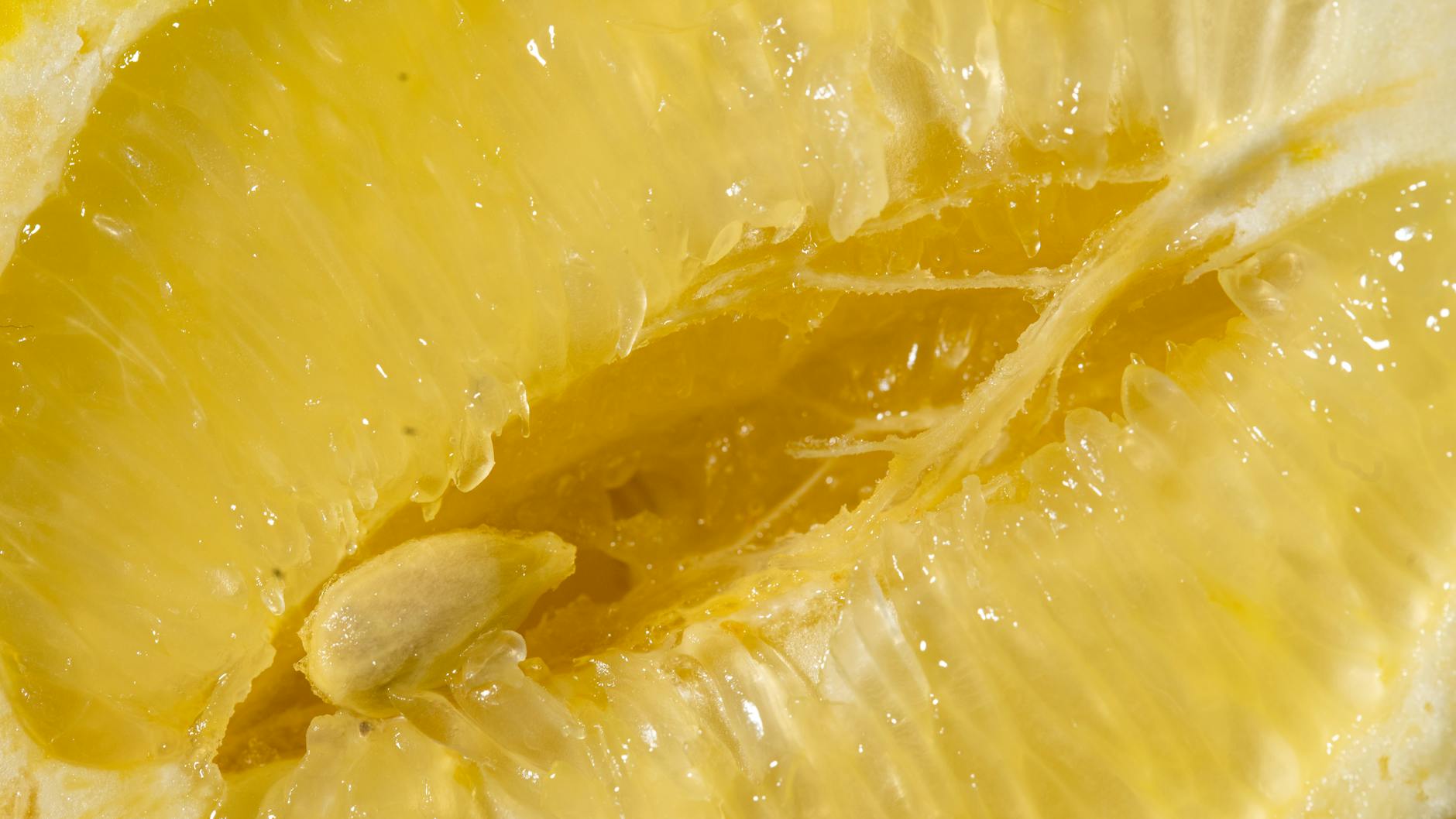
Citric acid is classified as a poly-AHA because it contains multiple acid groups, giving it distinct advantages over single-acid formulations like glycolic acid. Its larger molecular size means it penetrates more slowly and gently than glycolic acid, making it less irritating while still delivering meaningful exfoliation. This gentler profile is particularly valuable for acne-prone skin that’s already inflamed or sensitive from breakouts and active treatments.
The exfoliation mechanism works by dissolving the “glue” (intercellular lipids and desmosomes) that holds dead skin cells together on the stratum corneum, essentially melting away the barrier between old and new skin cells. This accelerates cell turnover, which prevents the accumulation of dead cells inside pores—one of the primary drivers of comedones and bacterial proliferation. Someone using citric acid might notice smoother texture and reduced clogged pores within 2-3 weeks of consistent use, particularly if they have combination skin with both oily and dry patches, because the poly-AHA structure is forgiving enough for varied skin types.
Antioxidant and Antibacterial Protection Beyond Surface Exfoliation
Citric acid possesses strong free-radical scavenging abilities that protect skin from environmental damage and oxidative stress—factors that worsen inflammation and slow acne healing. This antioxidant property addresses acne damage at the cellular level, not just the surface. Oxidative stress triggers inflammatory responses and weakens the skin barrier, both of which perpetuate breakout cycles. By neutralizing free radicals, citric acid helps reduce the inflammatory cascade that turns a small blemish into a painful, long-lasting lesion.
The antibacterial capabilities of citric acid are modest compared to benzoyl peroxide or salicylic acid, but they’re meaningful in the context of acne treatment. It creates an environment less hospitable to Cutibacterium acnes (formerly Propionibacterium acnes), the bacteria primarily responsible for inflammatory acne. However, if you have severe bacterial acne with deep cysts or widespread inflammation, citric acid alone won’t resolve the infection—antibacterial alone isn’t sufficient. This is why dermatologists recommend citric acid as a supporting player in combination therapy rather than a standalone solution for moderate-to-severe acne.
How Citric Acid Increases Epidermal Thickness and Skin Resilience
Research from a 1997 PubMed study demonstrated that citric acid increases viable epidermal thickness and glycosaminoglycan content in skin—the same results seen with glycolic acid and retinoic acid. This means citric acid doesn’t just exfoliate surface layers; it stimulates the skin to rebuild itself thicker and more hydrated. Glycosaminoglycans are moisture-binding molecules, so this increase directly strengthens the skin barrier and improves hydration retention.
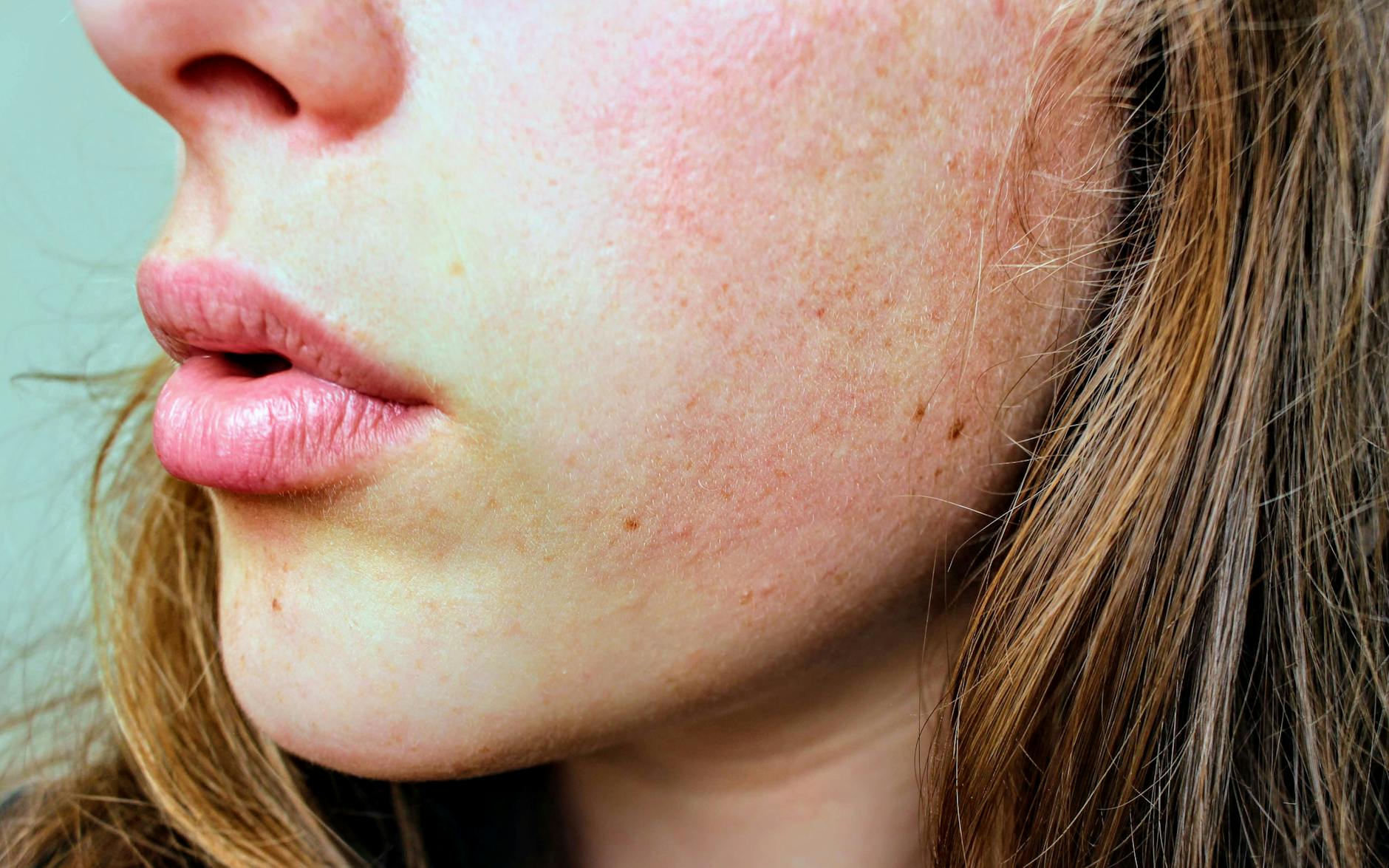
This barrier-building effect is crucial for acne treatment because weakened, dehydrated skin becomes more vulnerable to bacterial colonization and inflammatory reactions. A thicker, more hydrated epidermis resists irritation better and recovers faster from acne lesions. For someone with acne that worsens with other harsh treatments or seasonal dryness, citric acid offers a path to clearer skin without completely compromising barrier function. Over 8-12 weeks of regular use, the cumulative effect of exfoliation plus epidermal thickening creates skin that’s both clearer and more resilient.
Why Citric Acid Works Best in Combination with Other Acne Medications
Alpha hydroxy acids like citric acid are most effective for acne when used alongside other acne medications rather than as standalone treatment. This is because citric acid addresses surface congestion and inflammation, but doesn’t directly kill bacteria or regulate sebum production the way benzoyl peroxide or tretinoin do. A typical effective combination might pair citric acid with niacinamide (to reduce sebum), a low-strength benzoyl peroxide treatment (to target bacteria), and a lightweight moisturizer (to support the barrier that citric acid is rebuilding).
The synergy works in both directions: citric acid’s exfoliation and pH adjustment help other ingredients penetrate better and work more effectively, while those ingredients address the underlying causes citric acid can’t fully resolve alone. Someone using citric acid with benzoyl peroxide sees faster clearance than either ingredient alone because they attack acne from different angles. If you try citric acid alone for 4-6 weeks without other treatments and see no improvement, that’s a signal to add a complementary treatment rather than assuming citric acid doesn’t work for you.
Sun Protection and Photosensitivity Risks During Citric Acid Use
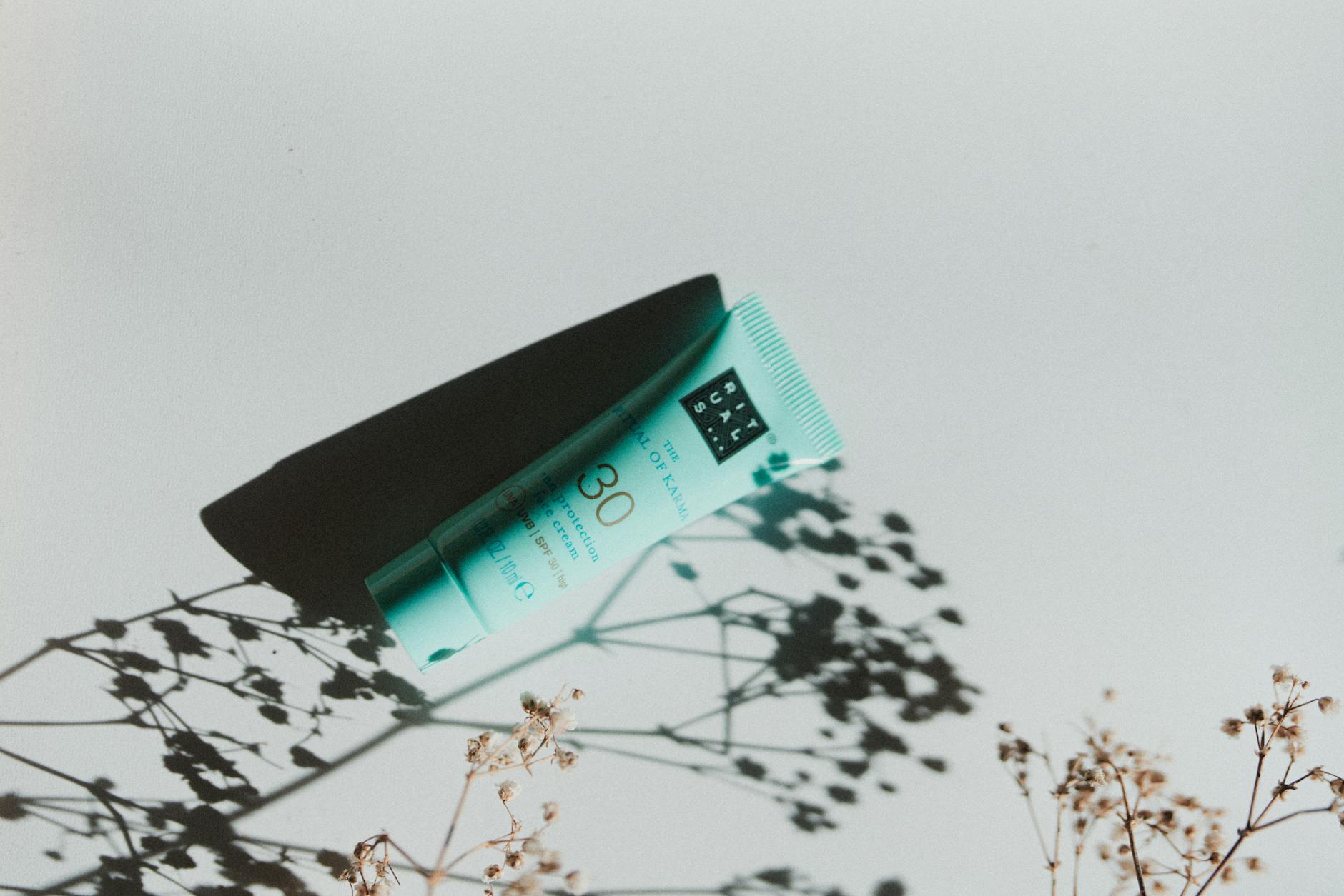
AHA use, including citric acid, increases sunburn risk significantly because the treatment removes the outer layer of sun-protective dead skin cells and makes skin more photosensitive. Sunburn risk remains elevated during entire treatment and for at least one week after stopping citric acid use. This isn’t a minor precaution—exposure without adequate sunscreen (SPF 30 minimum, SPF 50+ recommended) can undo weeks of acne improvement through inflammatory damage and hyperpigmentation.
For acne-prone skin, hyperpigmentation from sun exposure during AHA treatment can be particularly stubborn and darker than typical sun damage. This means if you start using citric acid without committing to daily high-SPF sunscreen, you’re trading acne for post-inflammatory hyperpigmentation, which may actually look worse. The solution is non-negotiable: broad-spectrum SPF 50+ daily, reapplied every two hours if outdoors, and considering citric acid treatment primarily during fall and winter months when UV exposure is lower, though year-round protection is ideal.
Sensitivity Testing and When Citric Acid Causes Irritation
Citric acid can be irritating for sensitive or reactive skin, even though it’s gentler than glycolic acid. Patch testing is recommended before full-face use—apply a small amount to the inner arm or behind the ear and wait 24-48 hours for any redness, burning, or swelling. Sensitivity reactions manifest as persistent redness beyond the first few minutes, stinging that doesn’t subside, increased breakouts within days, or barrier damage (peeling, tight feeling, flaking).
If you have rosacea, eczema, dermatitis, or recently used strong retinoids or vitamin C serums, citric acid might trigger a flare rather than improve acne. In these cases, waiting until your skin is more stable, or using citric acid at lower concentrations (1-3% vs. 5-10%), gives you the benefits without the irritation cost. Someone with reactive skin might find that using citric acid only 2-3 times weekly instead of daily prevents inflammation while still delivering gradual improvement.
Choosing the Right Citric Acid Formulation for Acne Treatment
Citric acid appears in skincare at varying concentrations and pH levels, and these factors dramatically affect efficacy and irritation risk. A properly formulated product should have a pH below 3.5 to exfoliate effectively; products with pH above 4 don’t penetrate the stratum corneum sufficiently and function mainly as pH adjusters. Concentrations typically range from 1-15%, with 5-10% being the sweet spot for acne—strong enough to exfoliate and promote cell turnover without excessive irritation for most skin types.
Formulation type also matters: leave-on treatments (serums, toners) allow longer contact and deeper penetration than rinse-off cleansers, but rinse-off formulas are less irritating if you’re new to AHAs. If you have sensitive acne-prone skin, starting with a citric acid toner at 5% concentration, used 2-3 times weekly, allows your skin to build tolerance. After 4-6 weeks, you can increase frequency or switch to a stronger formulation if tolerated. This gradual approach prevents the barrier damage and increased breakouts that come from introducing too-strong acids too quickly.
Conclusion
Citric acid addresses acne through multiple mechanisms beyond pH adjustment: physical exfoliation of congested pores, antioxidant protection against inflammatory damage, antibacterial action against acne bacteria, and epidermal thickening that strengthens skin resilience. Because it’s a poly-AHA with a larger molecular size, it offers a more gradual, tolerable pathway to clearer skin than stronger acids, making it accessible for broader skin types.
The key to success with citric acid is treating it as one component of a comprehensive acne strategy rather than a standalone cure. Pair it with complementary treatments, commit to daily high-SPF sunscreen, and start conservatively with patch testing and lower frequencies to allow your skin to adapt. For most people, consistent citric acid use over 8-12 weeks shows meaningful improvements in congestion, texture, and overall skin resilience—but those improvements only stick if you protect your barrier and avoid the photosensitivity pitfalls that can erase your progress.