
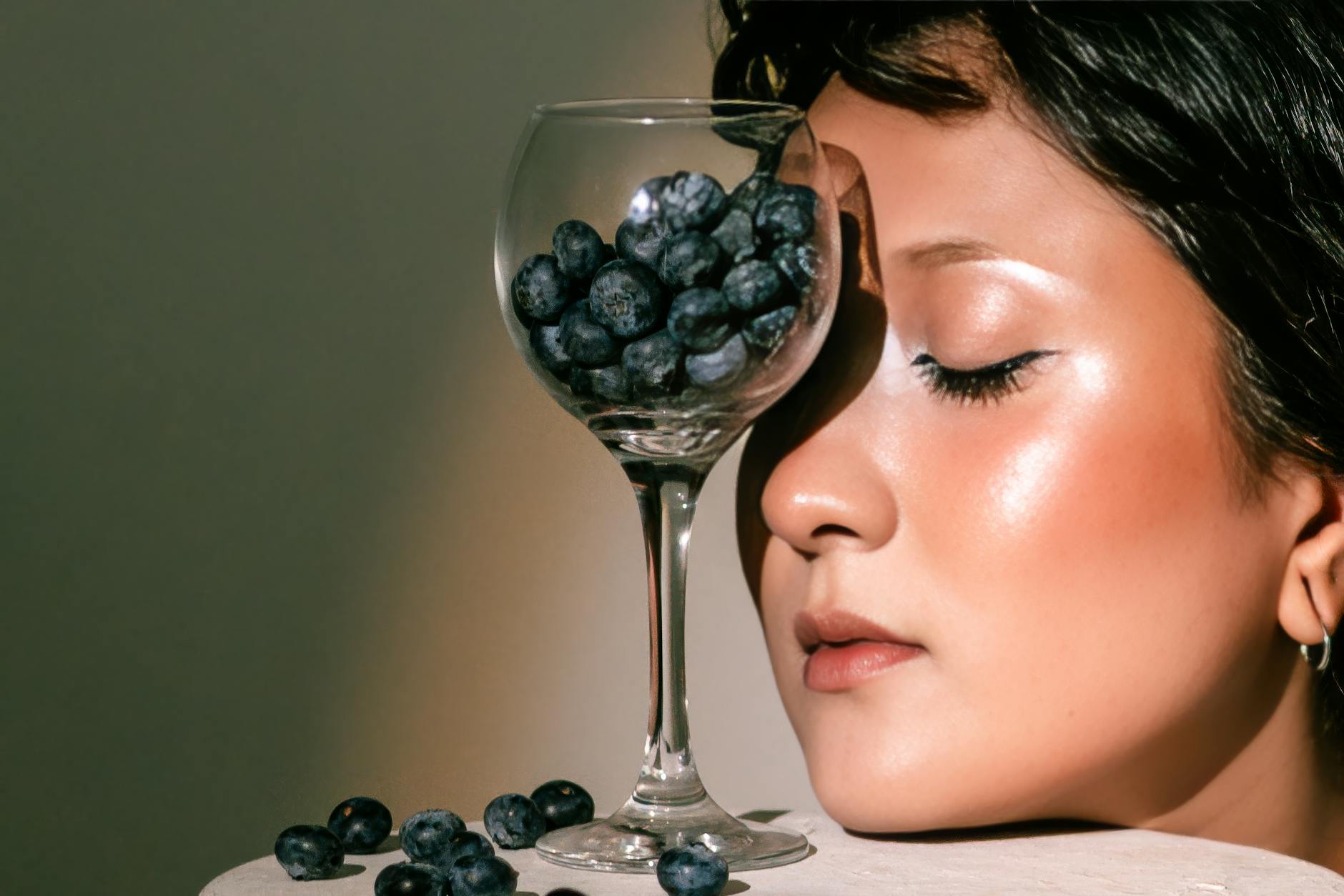
Resveratrol reduces acne inflammation through a dual mechanism: it suppresses the inflammatory signaling pathways that drive redness and swelling, while simultaneously killing the acne-causing bacteria that trigger the immune response in the first place. In a clinical study, topical resveratrol gel applied once daily reduced microcomedone area by 66.7% and acne severity (measured by the GAGS score) by 53.75%—improvements that came with no reported adverse effects.
This polyphenol, naturally found in grapes, berries, and red wine, has emerged as a potent alternative to conventional acne treatments because it addresses both inflammation and bacterial overgrowth without the irritation and cytotoxicity that can accompany harsher options. This article explores how resveratrol works against acne at the molecular level, reviews the clinical evidence supporting its use, compares it to other treatments, and explains why concentration and formulation matter when choosing a resveratrol product. Whether you’re considering it as a standalone treatment or as part of a combination approach, understanding the mechanisms and limitations of resveratrol will help you make an informed decision about your acne care strategy.
Table of Contents
- How Does Resveratrol Suppress Acne Inflammation?
- Resveratrol’s Antimicrobial Action Against Propionibacterium acnes
- What Clinical Studies Show About Topical Resveratrol Efficacy
- How Resveratrol Compares to Benzoyl Peroxide and Other Acne Fighters
- Why Concentration Matters in Resveratrol Products
- Using Resveratrol Alongside Other Acne Treatments
- What 2025 Research Reveals About Resveratrol’s Acne-Fighting Future
- Conclusion
How Does Resveratrol Suppress Acne Inflammation?
Resveratrol combats acne inflammation by interrupting the NF-κB signaling pathway—a master switch that turns on inflammatory responses in skin cells. When resveratrol reaches sebocytes (oil-producing cells in hair follicles), it activates AMPK and SIRT1, proteins that act as cellular stress sensors and reduce the production of inflammatory markers like IL-1β and IL-6. These cytokines are the chemical messengers that trigger the redness, swelling, and tenderness you feel in active acne lesions.
By dampening their production, resveratrol reduces inflammation at the source rather than just masking symptoms. Beyond reducing inflammatory signaling, resveratrol also modulates the sebum production process itself. It down-regulates SREBP-1 (sterol regulatory element-binding protein-1), a key controller of the genes that drive lipid synthesis in sebaceous glands. Less sebum means fewer resources for acne bacteria to thrive on and less follicle plugging—a limiting factor is that this anti-lipogenic effect requires sustained use and adequate penetration into the skin, which depends on the formulation quality of the product you choose.
Resveratrol’s Antimicrobial Action Against Propionibacterium acnes
Resveratrol directly inhibits the growth of *Cutibacterium acnes* (formerly *Propionibacterium acnes*), the primary bacterium responsible for acne formation. At a concentration of 50 μg/mL, resveratrol demonstrates significant growth inhibition, and studies have determined that the IC50 (the concentration needed to inhibit 50% of bacterial growth) is 73 mg/L, while the IC100 (complete inhibition) is 187 mg/L. At the higher end—200 mg/L—resveratrol becomes bactericidal, meaning it actively kills the bacteria rather than simply stopping their growth.
Under electron microscopy, researchers observed that resveratrol-treated bacteria showed altered morphology: their cell membranes lost definition, and the fimbrial structures (hair-like appendages bacteria use to attach to skin) were lost or damaged. This explains why even lower concentrations are effective—resveratrol doesn’t just starve the bacteria, it compromises their structural integrity. However, it’s important to note that concentrations needed for these effects in laboratory studies (milligrams per liter) must be achievable through topical application, which is why formulation and skin penetration matter significantly in real-world use.
What Clinical Studies Show About Topical Resveratrol Efficacy
The most compelling evidence comes from a controlled clinical study in which topical resveratrol gel was applied once daily to affected skin areas. On the side treated with resveratrol, microcomedone area decreased by 66.7% compared to only 9.7% on the untreated control side of the same individuals’ skin. The overall acne severity score (GAGS score) dropped by 53.75% on the treated side versus just 6.10% on the control side—a dramatic difference that demonstrates resveratrol’s effectiveness.
Importantly, the study reported no adverse effects, suggesting that resveratrol is well-tolerated even with daily use. A pilot clinical study also documented patient satisfaction with the active resveratrol treatment, indicating that the observed clinical improvements translated into subjective benefit. The lack of adverse effects in these studies is significant because many conventional acne treatments (like benzoyl peroxide and retinoids) can cause dryness, irritation, photosensitivity, or peeling. This makes resveratrol particularly valuable for individuals with sensitive skin or those who haven’t tolerated other acne medications—though the limitation is that these studies, while promising, represent smaller sample sizes than long-term trials of treatments like tretinoin or isotretinoin.

How Resveratrol Compares to Benzoyl Peroxide and Other Acne Fighters
When researchers directly compared resveratrol to benzoyl peroxide, they found that resveratrol demonstrated sustained antibacterial activity against *P. acnes* while being significantly less cytotoxic to human skin cells. In other words, resveratrol kills acne bacteria without harming the healthy cells around them, whereas benzoyl peroxide, while highly effective at bacterial control, can be irritating and pro-oxidative.
A 2.5% benzoyl peroxide concentration is commonly recommended for acne, but even at this relatively low dose, many users experience dryness and peeling; resveratrol achieved comparable antimicrobial results without this trade-off. Interestingly, combination therapy showed promise: when resveratrol and benzoyl peroxide were used together, they demonstrated high initial antibacterial activity and sustained bacterial growth inhibition over time. This suggests that resveratrol could be used alongside benzoyl peroxide to enhance efficacy while potentially reducing the irritation associated with benzoyl peroxide alone—by using a lower concentration of benzoyl peroxide and pairing it with resveratrol. If you’ve had success with benzoyl peroxide but experienced irritation, a resveratrol-containing product might be worth exploring as a step down in aggressiveness without sacrificing bacterial control.
Why Concentration Matters in Resveratrol Products
The concentration of resveratrol in a topical product directly determines whether it will be bacteriostatic (stopping bacterial growth) or bactericidal (killing bacteria). Based on laboratory research, concentrations below 187 mg/L slow bacterial growth, while concentrations at or above 200 mg/L actively kill the bacteria. However, these concentrations are measured in laboratory media, not on actual skin—the real-world effective concentration depends on how much resveratrol actually penetrates the stratum corneum and reaches the follicular epithelium where *P.
acnes* resides. Most commercial skincare products don’t disclose their resveratrol concentration in mg/L, instead listing it as a percentage (e.g., 0.1%, 1%, or 2%). A 1% resveratrol solution is equivalent to 10,000 mg/L, well above the bactericidal threshold, but the fraction that reaches living tissue may be significantly lower depending on the vehicle (water-based, oil-based, or encapsulated), pH, and other formulation factors. When choosing a resveratrol product, look for those with additional penetration enhancers, a pH between 4.0 and 6.0 (which favors skin absorption), and preferably a concentration listed in percentage terms of at least 0.5%—though even these guidelines require some guesswork since real-world studies testing various formulations against standard concentrations are limited.
Using Resveratrol Alongside Other Acne Treatments
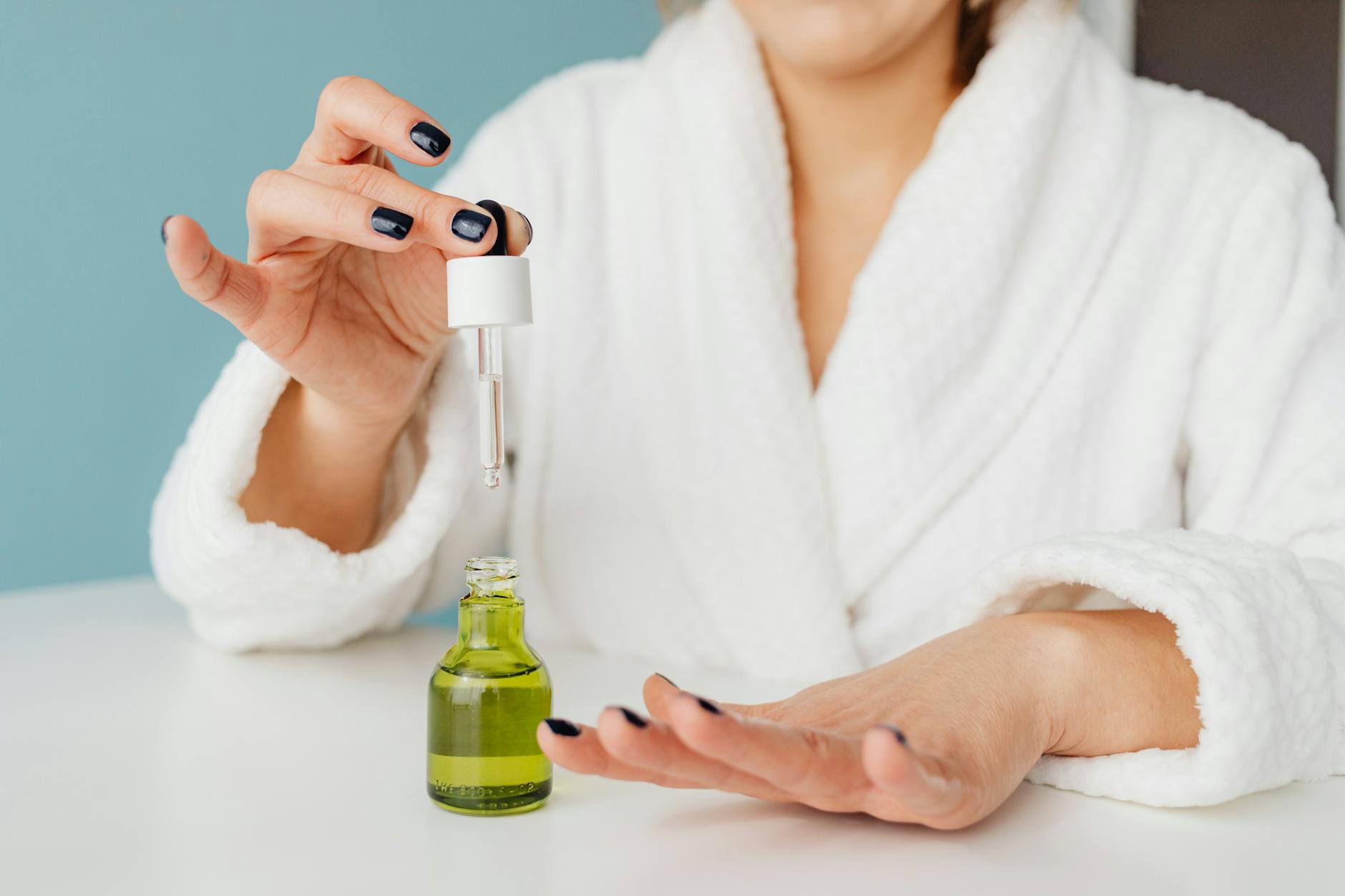
Resveratrol can be layered into an acne regimen without the photosensitivity concerns associated with other actives. Unlike tretinoin, adapalene, or azelaic acid, resveratrol doesn’t increase sun sensitivity, so you can use it morning and night. If you’re already on an oral antibiotic like doxycycline, adding topical resveratrol could enhance results by addressing inflammation and bacteria from two different angles.
One practical approach: apply resveratrol in the morning and evening, and reserve benzoyl peroxide or prescription retinoids for evening use only, since resveratrol’s safety profile allows for more flexible scheduling. For those using salicylic acid (a beta hydroxy acid that penetrates oily skin well), resveratrol works alongside it without redundancy—salicylic acid removes dead skin cells and unclogs pores, while resveratrol targets the bacteria and inflammatory cascade. An example regimen might be: salicylic acid cleanser or toner in the morning, followed by resveratrol serum; at night, a retinoid on three days per week, and resveratrol on the remaining days. This avoids over-exfoliation while maintaining consistent antimicrobial and anti-inflammatory pressure on acne pathogenesis.
What 2025 Research Reveals About Resveratrol’s Acne-Fighting Future
A recent clinical review published in 2025 reconfirmed resveratrol’s antimicrobial and anti-inflammatory effects against *Cutibacterium acnes* specifically within the pilosebaceous unit—the anatomical structure comprising the hair follicle, sebaceous gland, and surrounding tissue. This validation in the most current literature suggests that resveratrol’s role in acne care is moving beyond experimental status toward mainstream therapeutic consideration.
Researchers have also begun exploring encapsulation technologies (liposomes, nanoparticles) that could improve resveratrol’s skin penetration and stability, potentially delivering the bactericidal concentrations observed in laboratory studies more reliably through topical application. The trajectory suggests that future acne treatments may rely less on antimicrobials with poor tolerability profiles and more on polyphenols like resveratrol that address multiple pathways (bacterial, inflammatory, lipid dysregulation) simultaneously. Whether resveratrol becomes a first-line treatment or remains a targeted option for sensitive or antibiotic-resistant acne cases remains to be seen, but the evidence increasingly supports its inclusion in comprehensive acne management protocols, especially for individuals seeking alternatives to conventional options.
Conclusion
Resveratrol reduces acne inflammation through two synergistic mechanisms: it suppresses the inflammatory signaling cascades (NF-κB pathway via AMPK/SIRT1 activation) that create redness and swelling, and it directly inhibits *Cutibacterium acnes* bacterial growth while reducing sebum production. Clinical evidence demonstrates that topical resveratrol gel can reduce microcomedone area by 66.7% and acne severity by 53.75% with no reported adverse effects, making it a compelling option for individuals seeking efficacy without the irritation associated with harsher treatments like benzoyl peroxide.
To maximize resveratrol’s acne-fighting potential, prioritize products with sufficient concentration (at least 0.5% resveratrol), favorable formulation pH, and penetration enhancers. If you have mild to moderate inflammatory acne, sensitive skin, or haven’t tolerated conventional treatments, resveratrol deserves consideration—either as a standalone treatment or in combination with complementary actives like salicylic acid or low-strength benzoyl peroxide. As 2025 research continues to validate resveratrol’s mechanisms and emerging formulation technologies improve skin penetration, this polyphenol is likely to play an increasingly important role in evidence-based acne care.