
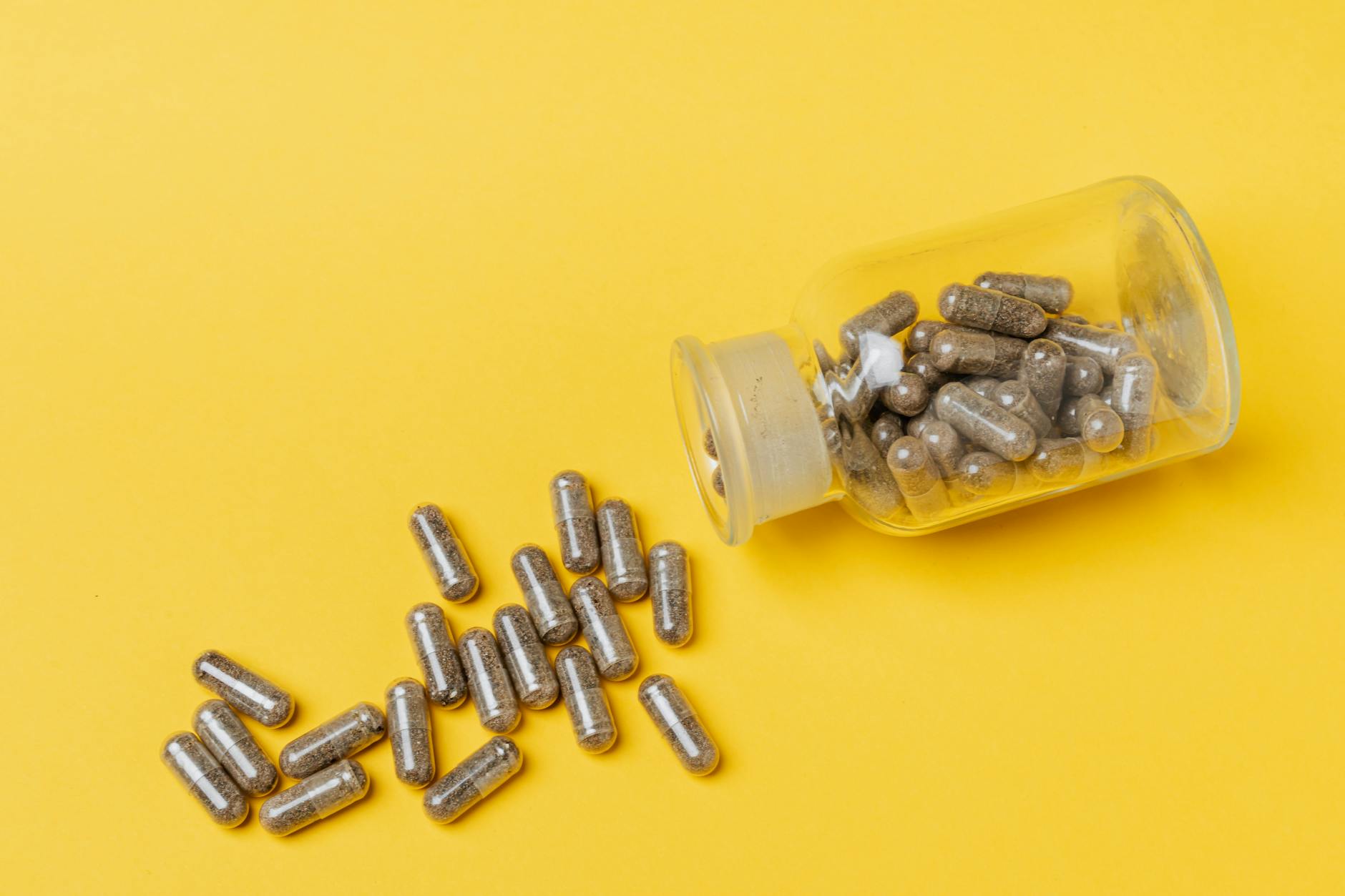
Selenium supplementation reduces acne inflammation by strengthening your skin’s antioxidant defense system, specifically through an enzyme called glutathione peroxidase that prevents the oxidative stress driving inflammatory acne lesions. Clinical trials show that selenium supplementation achieved a 46.9% reduction in acne lesions compared to placebo—a statistically significant improvement that makes it worth considering if other treatments haven’t worked.
This article covers how selenium works at the cellular level, why acne patients often have depleted selenium levels, what the research actually shows about its effectiveness, and how to determine if supplementation makes sense for your specific situation. The reason selenium helps isn’t because it directly kills bacteria or unclogs pores, but because it powers your skin’s internal inflammation-fighting machinery. Most people don’t think about micronutrient deficiencies when treating acne, but the evidence suggests that low selenium status might be silently making inflammation worse, even if you’re doing everything else right.
Table of Contents
- How Does Selenium Reduce Acne Inflammation?
- Are Acne Patients Actually Deficient in Selenium?
- What Does the Clinical Research Show?
- How Should You Use Selenium for Acne?
- Why Selenium Alone Isn’t Enough for Acne
- Combining Selenium with Other Supportive Nutrients
- When to Consider Selenium Supplementation as Part of Your Acne Strategy
- Conclusion
- Frequently Asked Questions
How Does Selenium Reduce Acne Inflammation?
Selenium works by supporting glutathione peroxidase (GPx), a critical antioxidant enzyme that prevents the chain reactions of oxidative stress that trigger and perpetuate acne inflammation. When your body has enough selenium, glutathione peroxidase can neutralize the reactive oxygen species (ROS) that activate inflammatory pathways in your skin. Without adequate selenium, these unstable molecules accumulate, which increases production of inflammatory markers like IL-8—the same cytokine that drives redness, swelling, and pustule formation in acne-prone skin. Think of it this way: acne inflammation is partly a cascade of chemical signals gone wrong. Bacteria, hormones, and sebum production trigger initial irritation, but selenium-dependent enzymes are supposed to contain that response.
When selenium is low, your skin loses its ability to put the brakes on inflammation, and a minor irritation can balloon into a full pustule. This is why people with depleted selenium often notice their acne gets worse with stress or dietary triggers—their antioxidant defenses are already running on empty. The mechanism explains why selenium works best as part of a multi-targeted approach. In clinical research, selenium combined with N-acetylcysteine (NAC) and silymarin significantly reduced serum IL-8 levels and inflammatory lesion count after 8 weeks while also increasing serum glutathione, the master antioxidant your skin relies on. Selenium alone likely helps, but it appears to have a multiplicative effect when paired with other antioxidant support.
Are Acne Patients Actually Deficient in Selenium?
Yes, and the numbers are striking. Acne patients have an average serum selenium level of 58.3 μg/L compared to 100.6 μg/L in healthy controls—a significant gap suggesting that selenium depletion might be partly responsible for acne development or severity. A meta-analysis of multiple studies confirmed this pattern, finding that acne patients consistently have lower selenium levels with a standardized mean difference of -1.02 (95% CI: -1.45 to -0.60), meaning this isn’t random variation but a real, reproducible finding. The lower selenium levels correlate directly with worse acne: patients with grade 4 acne (the most severe classification) had the lowest serum selenium concentrations. A 2025 study exploring trace metal imbalances found that decreased serum selenium, along with zinc and vitamin D deficiency, increases predisposition to acne vulgaris and worsens severity by increasing oxidative stress.
This suggests that if you’re someone whose acne resists typical treatments, checking your micronutrient status might reveal a factor you’ve been overlooking. However, low selenium isn’t guaranteed to cause acne in everyone, and normal selenium levels don’t guarantee clear skin. Some people with optimal selenium status still struggle with acne due to hormonal factors, bacterial load, or sebum production. The relationship is correlational and contributory, not causative. If you supplement and see no improvement after eight to twelve weeks, other factors are likely playing a bigger role in your specific case.
What Does the Clinical Research Show?
The strongest evidence comes from a randomized controlled trial examining selenium combined with silymarin and N-acetylcysteine. This study found that the combination achieved a 46.9% reduction in acne lesions compared to placebo (P = 0.003), which is a statistically significant result with a p-value well below the standard threshold of 0.05. The study also measured inflammatory markers directly: serum IL-8 levels dropped significantly, and serum glutathione increased, confirming that the supplement combination was actually reducing inflammatory chemistry, not just making lesions look better cosmetically. The timeframe matters here: meaningful improvement took eight weeks. This is longer than people often expect from acne treatments—you won’t see results in two weeks.
It also means that if you try selenium supplementation, you need to commit to at least 8-12 weeks before deciding whether it’s working for you. Many people abandon supplements too early because they expect acne to clear like it would on antibiotics. One important limitation: the research showing 46.9% reduction used a combination formula (selenium plus NAC plus silymarin), not selenium alone. The individual contribution of selenium versus the synergistic effect of the combination isn’t fully broken out. This means supplementing selenium in isolation might produce a smaller effect, or it might work better for certain people. The research supports the combination approach more definitively than selenium monotherapy.
How Should You Use Selenium for Acne?
The clinical trial used a combined supplement formula rather than isolated selenium, so that’s probably the most evidence-backed approach: look for products combining selenium with NAC and silymarin, or take them separately in coordinated doses. If you’re going with standalone selenium, typical supplemental doses range from 100-400 mcg daily, though the evidence-based combination formula used specific ratios that might work better than arbitrary dosing. Before supplementing, consider getting your baseline selenium levels checked via a serum selenium test if you suspect deficiency. This is especially valuable if you have multiple micronutrient deficiencies—low selenium often travels with low zinc and vitamin D, so addressing just one might leave you still deficient in others.
Some dermatologists can order these tests, or functional medicine providers often include them in standard panels. If you go the supplementation route, expect to pair it with other acne fundamentals: consistent cleansing, sun protection, and addressing hormonal or bacterial factors if relevant. Selenium is an amplifier of your skin’s natural defenses, not a replacement for skincare or other targeted treatments. Budget at least eight weeks for evaluation, and track your lesion count or take photos to objectively assess whether the supplement is actually making a difference for you.
Why Selenium Alone Isn’t Enough for Acne
This is the critical limitation that research emphasizes: selenium is not a standalone acne treatment. It functions as a complementary therapy through its antioxidant and anti-inflammatory properties, which means it works best when addressing multiple factors driving your acne simultaneously. If your acne is driven primarily by hormonal factors (like hormonal breakouts before your period), selenium supplementation alone won’t regulate your hormones. If you have P. acnes bacterial overgrowth, selenium won’t kill the bacteria. If your acne is from clogged pores and excess sebum, selenium won’t reduce sebum production.
Selenium is most likely to help if your acne is at least partly inflammatory and driven by oxidative stress—that is, if your lesions are red, swollen, and tender rather than purely comedonal or cystic. It’s also more effective if you’re deficient. Someone with normal selenium status might see no benefit from supplementation, while someone with a serum level of 50 mcg/L might see meaningful improvement. Many people try selenium, see minimal results, and conclude supplements don’t work for acne. The more accurate conclusion is usually that acne is multifactorial and requires targeted treatment across multiple pathways simultaneously. If you supplement selenium but continue eating a high-glycemic diet, remain severely stressed, or have active hormonal dysregulation, you’re asking selenium to do too much.
Combining Selenium with Other Supportive Nutrients
Since the clinical evidence shows best results with a selenium-NAC-silymarin combination, understanding what each does explains why they work together. N-acetylcysteine (NAC) is a precursor to glutathione, meaning it directly supplies the raw material for your skin’s master antioxidant system. Silymarin (from milk thistle) protects liver function and supports Phase II detoxification, which helps your body process inflammatory molecules more efficiently. Selenium then activates the glutathione peroxidase enzyme that uses that glutathione. Together, they create a complete antioxidant support system.
Zinc is another micronutrient frequently deficient in acne patients, and it works alongside selenium through different mechanisms—zinc supports immune function and wound healing, while selenium powers antioxidant enzymes. If you supplement selenium without addressing zinc status, you might miss the additive benefit of replenishing both. Some dermatologists now routinely check selenium, zinc, and vitamin D levels in acne patients because deficiency in any of these appears to worsen severity. The practical lesson: if you’re considering supplementation, get your baseline micronutrient status checked rather than supplementing randomly. A simple blood panel can show you whether you’re actually deficient, which nutrients you need most, and help you avoid unnecessary supplementation of nutrients you already have adequate levels of.
When to Consider Selenium Supplementation as Part of Your Acne Strategy
Selenium supplementation makes the most sense if you have inflammatory acne (red, swollen lesions rather than just blackheads), you’ve been struggling with acne for months despite decent skincare, you suspect micronutrient deficiencies, or other treatments have helped but haven’t completely resolved your acne. It’s especially worth considering if you have multiple markers of deficiency: low energy, poor wound healing, hair loss, or family history of thyroid issues (all associated with low selenium status).
The forward-looking perspective is that dermatology is slowly moving toward micronutrient screening for acne patients rather than treating acne purely as a bacterial or hormonal problem in isolation. As this research becomes more mainstream, expect to see more dermatologists offering micronutrient testing and suggesting supplementation as a complementary strategy, particularly for patients who want to reduce antibiotic dependence or whose acne isn’t responding well to conventional treatments. The evidence for selenium specifically is modest—46.9% reduction is real but not transformative—but when combined with other acne treatments and nutritional support, it could be the incremental difference between moderate improvement and clear skin.
Conclusion
Selenium supplementation reduces acne inflammation by supporting glutathione peroxidase, a critical antioxidant enzyme that prevents the oxidative stress driving inflammatory lesions. The evidence shows that acne patients have lower serum selenium than healthy controls, and clinical trials demonstrate that supplementation (particularly in combination with NAC and silymarin) achieved a 46.9% reduction in acne lesions—a real, measurable improvement worth considering if other treatments haven’t fully resolved your acne. However, selenium is complementary, not a standalone treatment, and works best alongside consistent skincare, targeted acne therapies, and attention to other deficient micronutrients like zinc and vitamin D.
If you’re interested in trying selenium supplementation, start by assessing whether you might actually be deficient—a serum selenium test can clarify this. Consider a combination formula with NAC and silymarin rather than selenium alone, commit to at least eight to twelve weeks of consistent use, and pair it with other acne management strategies. Expect incremental improvement rather than dramatic clearing, and if you see no difference after twelve weeks, other factors are probably driving your acne and deserve investigation.
Frequently Asked Questions
How long does it take for selenium to help acne?
Clinical trials showed meaningful improvements in inflammatory lesion count and IL-8 levels after eight weeks. Most people should evaluate results after 8-12 weeks of consistent supplementation. Shorter timeframes won’t give selenium enough time to build up in your system and exert its anti-inflammatory effects.
Can I get enough selenium from diet instead of supplements?
This depends on your current intake and baseline status. Common dietary sources include Brazil nuts (extremely high in selenium), fish, eggs, and whole grains. However, if you’re deficient, dietary improvements alone might raise your levels too slowly, especially if your acne is severe. Supplementation can correct deficiency more quickly, though you can combine dietary selenium with supplementation.
What’s the typical dose of selenium for acne?
The clinical trial used a combination formula with specific ratios rather than standalone selenium. If supplementing selenium alone, typical doses range from 100-400 mcg daily. Higher doses (above 400 mcg) can be toxic with long-term use, so supplementing beyond this range isn’t recommended without medical guidance.
Will selenium supplementation cure my acne?
No. Selenium addresses one contributory factor (oxidative stress and inflammation) but acne is multifactorial. It works best as part of a comprehensive approach including skincare, possibly other medications or supplements, and addressing hormonal or dietary triggers specific to your acne.
What if I’m already taking the highest-dose acne medication—can selenium still help?
Potentially. If your medication has plateaued in effectiveness, adding selenium might help reduce residual inflammation. However, you’d want to discuss adding any supplement with your dermatologist to rule out interactions, especially if you’re on medications affecting micronutrient absorption.
Do I need to get my selenium level tested before supplementing?
It’s helpful but not essential. Testing can confirm deficiency and guide dosing. However, if cost is prohibitive, starting a moderate-dose combination supplement (selenium with NAC and silymarin) is generally safe for most people and can serve as a trial to see if it improves your acne.