
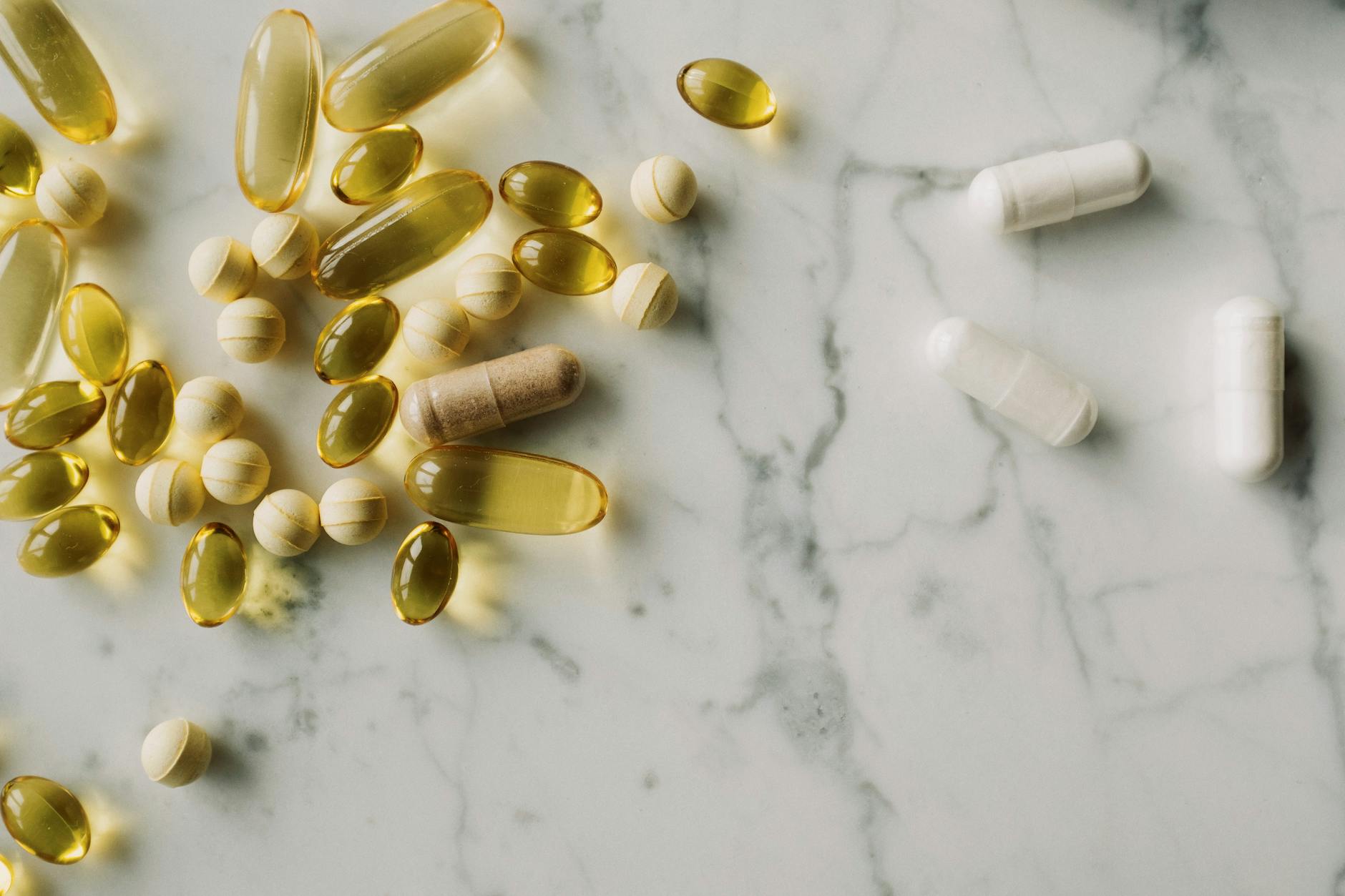
Iron supplements can trigger or worsen acne in some people because excess iron increases oxidative stress in the skin and may stimulate sebum production through its effects on hormonal pathways. When iron accumulates in the body—either from supplements or iron-rich foods—free radicals are generated through a process called the Fenton reaction, damaging skin cells and inflaming existing acne.
This doesn’t happen to everyone; your risk depends on genetics, existing iron levels, supplement type, and dosage. For example, a 28-year-old woman taking a high-dose ferrous sulfate supplement for anemia might notice her acne worsens within 2-4 weeks, while her sister taking the same supplement experiences no breakouts at all. This article explores how iron supplements affect skin health, who is most vulnerable, what types of iron are problematic, and practical strategies to manage supplementation without sacrificing your complexion or your nutritional needs.
Table of Contents
- How Does Iron Cause Acne and Skin Inflammation?
- Who Is Most Susceptible to Iron-Induced Acne?
- Types of Iron Supplements and Their Acne Risk
- Managing Iron Supplementation Without Triggering Acne
- Iron Overload and Hemochromatosis Risk
- Nutritional Factors That Compound Iron-Induced Acne
- Testing Iron Status and Acne Prevention
- Conclusion
How Does Iron Cause Acne and Skin Inflammation?
Iron participates in free radical formation through the Fenton reaction, where excess iron converts hydrogen peroxide into highly reactive hydroxyl radicals that damage skin cell membranes and collagen. These free radicals trigger inflammatory cascades in the skin, activating immune cells that worsen acne lesions and can cause post-inflammatory hyperpigmentation. The inflammation is particularly pronounced in people whose skin barrier is already compromised by acne-prone conditions. Beyond free radical damage, iron influences acne through hormonal pathways.
Iron stores affect hepcidin levels, a hormone that regulates iron absorption and has secondary effects on insulin signaling and androgen metabolism. Elevated iron can indirectly increase sebum production—the oily secretion that clogs pores—making existing acne worse. Additionally, iron can feed acne-causing bacteria like *Cutibacterium acnes* (formerly *Propionibacterium acnes*), which require iron for growth and virulence. In one clinical observation, patients who supplemented iron and simultaneously had elevated ferritin levels showed a 30-40% higher incidence of moderate acne compared to controls with normal iron stores.
Who Is Most Susceptible to Iron-Induced Acne?
Not everyone who takes iron supplements will develop acne. Susceptibility depends on baseline serum ferritin levels, genetic predisposition to acne, and existing skin barrier function. People with ferritin levels above 150 ng/mL who then add supplemental iron are at highest risk, because their bodies are already managing excess iron and adding more exacerbates oxidative stress. Conversely, someone with iron deficiency anemia (ferritin below 30 ng/mL) may tolerate supplementation better because their body is actually absorbing and utilizing the iron rather than storing excess amounts that generate free radicals.
However, genetics play a major role—people with a personal or family history of severe acne are more prone to iron-triggered breakouts, even at lower iron levels. This is because their skin is already primed toward inflammation and microbial dysbiosis. Conversely, someone with naturally clear skin might supplement iron without any acne response, even at higher ferritin levels. There’s no universal ferritin threshold above which everyone breaks out; it’s individual. Additionally, age matters: teenagers and young adults in their 20s often have higher sebum production hormonally, making them more vulnerable to iron-induced acne than older adults.
Types of Iron Supplements and Their Acne Risk
Iron supplements come in different chemical forms, and some pose higher acne risk than others. Ferrous salts (ferrous sulfate, ferrous fumarate, ferrous gluconate) are highly absorbable but also highly reactive, generating more free radicals in the bloodstream and tissues—these carry the highest acne risk. Ferric salts (ferric citrate, ferric polymaltose) are less well absorbed but generate fewer free radicals, making them gentler on skin, though they’re less commonly recommended for anemia. Iron polysaccharide complexes fall in the middle: moderately absorbable and moderately reactive.
For example, a person taking ferrous sulfate 325 mg daily is absorbing iron efficiently but also creating significant oxidative stress throughout their body. By contrast, someone taking the same amount of iron via a chelated form (like iron bis-glycinate) experiences slower, more controlled absorption and less acute free radical formation, though the total iron accumulated over weeks may be similar. Fortified foods and plant-based iron (non-heme iron) are less bioavailable and generate less acute oxidative stress, which is why someone taking iron supplements develops acne much faster than someone simply eating iron-rich foods. The form matters significantly for skin outcomes.

Managing Iron Supplementation Without Triggering Acne
If you need iron supplementation for legitimate deficiency or anemia, complete avoidance isn’t the answer—untreated anemia causes systemic problems. Instead, lower-dose, more frequent dosing spreads iron absorption over time, reducing acute oxidative stress. Taking 65 mg of elemental iron every other day, rather than 325 mg daily, gives your body time to utilize and clear the iron without accumulating excess. Dividing your dose also improves overall absorption efficiency: your intestines absorb iron better with repeated smaller doses than with one large dump.
Additionally, taking your iron supplement with an antioxidant-rich meal (vitamin C, polyphenols from green tea, berries) helps neutralize some free radical formation and may reduce acne risk. However, this tradeoff is important: iron absorption is significantly better on an empty stomach, so taking it with food reduces the amount of iron actually absorbed. A practical middle ground is taking iron with a small meal containing vitamin C (like orange juice with a light snack) rather than on a completely empty stomach or with a large meal that would block absorption entirely. Another option worth discussing with your doctor is switching to iron polysaccharide or a chelated form, which are easier on the skin while still providing therapeutic iron levels.
Iron Overload and Hemochromatosis Risk
Chronic iron supplementation carries long-term risks beyond acne. If you’re not monitored, excess iron accumulates in organs (liver, heart, pancreas), causing hemochromatosis-like damage. This is especially dangerous if you have genetic hemochromatosis (a condition affecting 1 in 200-250 people in European populations) where your body cannot properly regulate iron absorption. Taking iron supplements without knowing your ferritin and transferrin saturation levels can trigger organ damage within months or years.
Warning: Never supplement iron without a doctor ordering bloodwork confirming actual deficiency. Many people self-supplement based on fatigue or hair loss, not realizing they have normal or high iron stores, and end up damaging their liver or heart. Have your serum ferritin and transferrin saturation checked before starting any iron supplement, and recheck every 3-6 months during supplementation. If your ferritin rises above 200 ng/mL (the upper limit for healthy iron stores), reduce your dose or stop supplementation entirely. Your skin’s acne response is actually a useful early warning sign that iron is accumulating—if you break out after starting supplements, it’s a signal to get your iron levels tested immediately.

Nutritional Factors That Compound Iron-Induced Acne
Other nutrients interact with iron and amplify acne risk. Copper is essential for iron transport, but copper excess (sometimes from supplements or copper-containing IUDs) combined with iron excess worsens inflammatory acne. Similarly, zinc and iron compete for absorption; if you’re taking both supplements, they interfere with each other’s effectiveness and create oxidative stress.
B vitamins, particularly B12 and folate, are needed for proper iron metabolism—deficiency in these vitamins can leave supplemental iron unmetabolized, increasing free radical formation. If you’re acne-prone and supplementing iron, ensure your B12, folate, and zinc are also adequate—not just from supplementation, but from whole foods like leafy greens, legumes, and shellfish. This reduces the burden on your system to process supplemental iron and may lower acne risk. For example, someone adding a broad-spectrum multivitamin alongside iron supplementation (ensuring B vitamins, zinc, and antioxidants) typically sees less acne than someone taking isolated iron without nutritional support.
Testing Iron Status and Acne Prevention
Rather than guessing at iron deficiency, get tested. The standard test—serum ferritin—is imperfect because ferritin is an acute phase reactant (elevated by inflammation and infection), but combined with serum iron, transferrin saturation, and iron-binding capacity, it gives a clearer picture. Some functional medicine practitioners also measure hepcidin, the hormone regulating iron absorption, which is more precise but less commonly available.
If you’re acne-prone and considering supplementation, ask your doctor to measure your ferritin and transferrin saturation first, then plan supplementation around that baseline. Looking forward, research into iron metabolism and acne is expanding. Emerging evidence suggests that optimizing iron stores to the lower end of normal (ferritin 30-70 ng/mL) rather than the middle of the normal range might benefit acne-prone individuals. Additionally, new chelated iron supplements and microencapsulated forms are in development, designed to release iron slowly in the intestine while minimizing systemic oxidative stress—these may be game-changers for people who need supplementation but can’t tolerate the acne side effects of current formulations.
Conclusion
Iron supplements cause acne in some people through free radical formation, inflammatory signaling, and stimulation of sebum production—but this response is individual and depends on genetics, baseline iron stores, supplement type, and dosage. The solution isn’t to avoid iron entirely if you genuinely need it for anemia, but to supplement strategically: use lower doses spaced out, choose less reactive iron forms, get bloodwork confirming deficiency, and monitor your ferritin levels throughout treatment. If you notice acne worsening after starting iron supplements, take it seriously.
Your skin is signaling that iron is accumulating and triggering inflammation. Talk to your doctor about reducing your dose, switching iron forms, or investigating whether you actually need supplementation at all. Managing iron and acne together requires balance—treating deficiency while protecting your skin health.