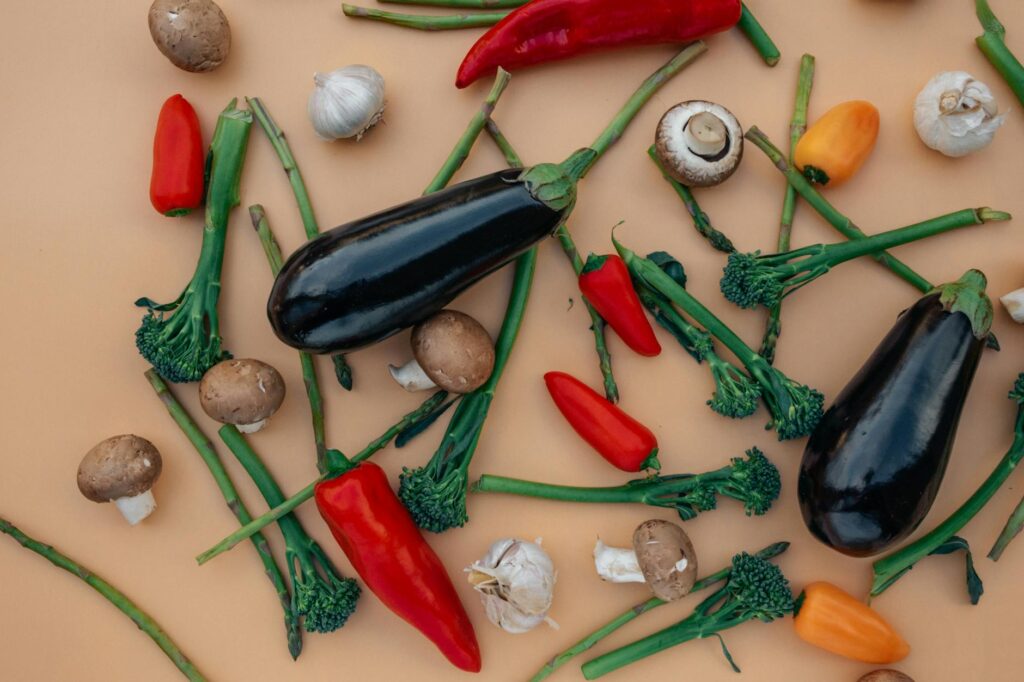
Plant-based diets do show evidence of helping acne, primarily because eliminating dairy removes a significant dietary acne trigger. A 2025 systematic review analyzing data from over 78,000 individuals found a positive association between dairy intake—particularly skim milk—and increased acne risk, suggesting that simply removing milk and cheese can reduce breakouts for many people. The mechanism is well-established: dairy contains insulin-like growth factor 1 (IGF-1), which stimulates oil gland activity and skin cell growth, potentially leading to clogged pores. Beyond just eliminating dairy, plant-based diets also offer anti-inflammatory benefits that may improve acne more broadly.
This article examines the real evidence for how plant-based eating affects acne, including what the research shows, how it works, and critical limitations you need to know. Research consistently shows an inverse relationship between plant-based eating and acne. In studies comparing acne patients to clear-skinned controls, acne patients were more than twice as likely to have a non-vegan diet, suggesting that plant-based eating patterns genuinely correlate with fewer breakouts. However, the type of plant-based diet matters significantly—a vegan diet loaded with processed foods and refined carbohydrates may not help acne and could actually trigger it. The evidence for plant-based diets and acne is observational rather than causally proven, which is an important distinction that shapes how much confidence we can place in these findings.
Table of Contents
- Does Dairy Really Cause Acne, or Is It Just a Coincidence?
- How Plant-Based Diets Fight Acne Beyond Just Avoiding Dairy
- What Does the Research Actually Show About Vegans and Acne?
- How to Transition to Plant-Based Eating Without Making Acne Worse
- The Overlooked Risk—Why Some Vegans Still Get Acne
- The Microbiome Connection—Why Gut Health Matters for Clear Skin
- Where the Research Goes From Here
- Conclusion
Does Dairy Really Cause Acne, or Is It Just a Coincidence?
The dairy-acne connection isn’t anecdotal—it’s supported by recent systematic analysis. The 2025 review that examined randomized controlled trials since 2015 specifically found that dairy, and skim milk in particular, shows a consistent positive association with acne. Why skim milk specifically? Because the removal of fat removes some compounds that may buffer the acne-triggering effects. The culprit is primarily IGF-1, a growth hormone naturally present in milk, along with dairy proteins (whey and casein) that may influence insulin levels and promote inflammation in the skin.
When you consume dairy, these components signal your skin cells to proliferate and your sebaceous glands to produce more oil. Over time, this increased oil production clogs pores and creates an environment where acne-causing bacteria thrive. This is why many dermatologists have started recommending dairy reduction as a first-line dietary change for acne patients, before expensive topical treatments or medications. The effect isn’t immediate—it typically takes 4 to 8 weeks of dairy elimination to see noticeable improvement—but for people with moderate acne, this change alone can be substantial.

How Plant-Based Diets Fight Acne Beyond Just Avoiding Dairy
Eliminating dairy is only part of the picture. A well-balanced plant-based diet brings additional anti-inflammatory benefits that tackle acne from multiple angles. Plant-based diets induce anti-inflammatory changes in the gut microbiome, which reduces systemic inflammation throughout your body—including in your skin. This gut-to-skin connection is increasingly recognized in dermatology research as one of the key pathways linking diet to acne severity.
Additionally, plant-based diets typically have a low glycemic load and are rich in antioxidants from vegetables, fruits, and whole grains. A high-glycemic diet (lots of white bread, refined sugars, processed foods) spikes blood sugar and insulin, which triggers hormonal changes that increase sebum production and acne severity. Plant-based diets naturally shift you away from these high-glycemic foods. However, there’s a critical caveat: a vegan diet high in simple and refined carbohydrates—think vegan pastries, sugary drinks, and white-flour products—defeats this purpose entirely. The anti-inflammatory benefits only materialize with a whole-foods plant-based approach.
What Does the Research Actually Show About Vegans and Acne?
The evidence linking veganism to lower acne rates comes from observational studies that have tracked dietary patterns and skin health outcomes. Researchers compared acne prevalence between vegan populations and omnivorous controls, finding that acne patients were more than twice as likely to have a non-vegan diet compared to controls. This is a strong statistical association, but it’s important to note it doesn’t prove causation—vegans might have other lifestyle factors (more time on skincare, lower stress, better sleep) that also reduce acne. The largest body of evidence comes from dermatological reviews examining plant-based diets across multiple skin conditions, including acne, atopic dermatitis, and psoriasis.
These reviews consistently show benefits for acne-prone individuals who switch to plant-based eating. However, the strongest evidence still comes from the dairy-specific studies, which are more mechanistically clear. The honest limitation is that no randomized controlled trials currently exist directly comparing plant-based diets to dairy-containing diets for acne outcomes. Most evidence is observational, which means we can say “vegans tend to have less acne” but not definitively prove “switching to vegan will cure your acne.”.
How to Transition to Plant-Based Eating Without Making Acne Worse
If you’re considering a dietary shift to address acne, the transition matters. A common mistake is switching to a vegan diet filled with processed alternatives—vegan cheese (often high in oil), plant-based meats (frequently high in sodium and additives), and refined carbohydrates. These can trigger acne just as easily as their non-vegan counterparts because they still spike blood sugar and inflammation. The acne-friendly approach is gradual and whole-foods-focused.
Start by reducing dairy—particularly milk, which has the strongest acne association—rather than eliminating it overnight. Replace processed vegan options with whole foods: legumes, nuts, seeds, vegetables, fruits, and whole grains. This shift naturally increases fiber, antioxidants, and micronutrients while reducing inflammatory compounds. Most dermatologists recommend a 6 to 8 week trial period to assess whether your acne improves, as this is the typical timeframe for your skin to respond to dietary changes.
The Overlooked Risk—Why Some Vegans Still Get Acne
A plant-based diet doesn’t automatically clear acne if the quality is poor. Some vegans consume diets high in refined grains and added sugars, which can trigger glycemic spikes equivalent to or worse than omnivorous diets. Additionally, some plant-based eaters load up on oils (coconut oil, olive oil added to everything) seeking caloric density, but excessive oil consumption can paradoxically increase sebum production in acne-prone skin. Another overlooked factor is iodine: some plant-based eaters don’t consume adequate seaweed or iodized salt, and iodine deficiency has been linked to worsening acne in some individuals.
It’s also worth noting that the anti-inflammatory benefits of plant-based eating may take longer to materialize than simply eliminating dairy. The gut microbiome shift that reduces systemic inflammation typically takes 4 to 12 weeks to fully develop. If you switch to plant-based eating and see no improvement in 2 weeks, that doesn’t mean it won’t work—you may simply need more time. Additionally, if you have other acne triggers (hormonal imbalances, bacterial overgrowth, certain medications), diet alone may not be sufficient.
The Microbiome Connection—Why Gut Health Matters for Clear Skin
Your gut bacteria directly influence skin inflammation and acne severity through mechanisms that researchers are still actively studying. Plant-based diets increase the diversity and types of beneficial bacteria in your gut, particularly species that produce short-chain fatty acids (SCFAs), which strengthen your intestinal barrier and reduce systemic inflammation. This reduced inflammation directly correlates with less acne.
For example, a shift from a high-meat diet to a plant-based one typically increases butyrate-producing bacteria within weeks. Butyrate is a SCFA that calms intestinal inflammation and reduces the likelihood of bacterial metabolites triggering skin inflammation. This is why plant-based eaters often report not just clearer skin, but also improved digestion, more stable energy, and better overall inflammation markers within a few weeks of dietary change.
Where the Research Goes From Here
The current research on plant-based diets and acne has a clear blind spot: no randomized controlled trials have directly tested plant-based diets against dairy-containing diets with acne as the primary outcome. The evidence is strong for dairy’s acne-triggering role, and observational data is compelling for plant-based benefits, but the gold standard of RCT evidence is absent. Future research will likely fill this gap, as dermatologists increasingly recognize diet as a legitimate first-line intervention for moderate acne.
Another frontier is personalized nutrition for acne—understanding why some people clear dramatically after cutting dairy while others see minimal improvement. This likely involves genetic factors, baseline gut microbiome composition, and other dietary triggers (high glycemic load, certain seed oils, iodine excess) that interact with dairy’s effects. As dermatology moves toward precision medicine, dietary interventions will likely become more tailored rather than one-size-fits-all recommendations.
Conclusion
The evidence shows that plant-based diets do help acne, primarily through the elimination of dairy—a food demonstrably linked to acne through IGF-1 and hormonal pathways. Beyond dairy removal, plant-based eating offers anti-inflammatory benefits from low glycemic load and a rich array of antioxidants. Acne patients are more than twice as likely to have non-vegan diets, and observational research consistently supports the acne-clearing benefits of plant-based eating for many people.
However, diet quality is non-negotiable. A vegan diet of processed foods, refined carbohydrates, and excess oils will not clear acne and may worsen it. The practical path forward is a gradual transition to whole-foods plant-based eating, allowing 6 to 8 weeks to assess improvement, and recognizing that while diet is a powerful tool for acne management, it may not be a complete solution if hormonal or bacterial factors are also at play.