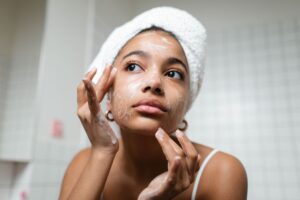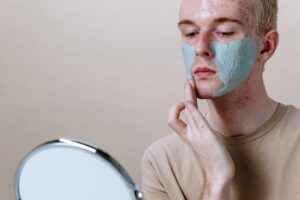
Acne in your 50s signals a hormonal imbalance, primarily caused by an androgen-estrogen shift during menopause. When estrogen drops sharply, androgen levels decline more gradually, creating a relative surplus of male hormones that overstimulate oil production and clog hair follicles.
This explains why a woman who never struggled with acne in her teens might suddenly develop stubborn breakouts in her 50s—it’s not a return to adolescence, but a distinct hormonal event occurring years into menopause itself. This condition affects a significant portion of the population: approximately 15.3% of women aged 50 or older experience acne, and the prevalence is even higher earlier in the menopausal transition, with 25% of women in their 40s reporting breakouts. This article explores what acne in your 50s reveals about your hormonal health, which hormones are involved, how to recognize when acne signals deeper endocrine issues, and what treatment options actually work.
Table of Contents
- Why Does Acne Suddenly Appear in Your 50s When You Had Clear Skin Before?
- The Androgen-Estrogen Imbalance and Sebaceous Gland Overstimulation
- Beyond Androgens—Thyroid, Insulin Resistance, and Other Endocrine Contributors
- When Acne Signals Postmenopausal Hyperandrogenism and Associated Symptoms
- Stress, Sleep, Diet, and the Non-Hormonal Trigger Layer
- Medical Treatment Options: Spironolactone, Antibiotics, and Topical Agents
- Timeline, Expectations, and the Menopause-to-Postmenopause Trajectory
- Conclusion
- Frequently Asked Questions
Why Does Acne Suddenly Appear in Your 50s When You Had Clear Skin Before?
The explanation lies in how menopause reshapes your hormone landscape. During perimenopause and menopause, your ovaries sharply reduce estrogen production. Androgens—the hormones that drive oil gland activity and follicle clogging—fall as well, but more gradually. This creates a temporary hormonal mismatch where androgens become relatively dominant compared to estrogen, even if absolute androgen levels are lower than they were in your 20s.
Think of it like a seesaw: estrogen represents one side, and androgens the other. When estrogen plummets 80-90% but androgens only drop 30-40%, the hormonal ratio tips toward androgen dominance. This explains why some women in their 40s first notice breakouts even though they had clear skin throughout adolescence and early adulthood. The acne isn’t about having high androgens in absolute terms—it’s about the relative balance shifting against you at a time when your skin barrier and collagen production are already declining.
The Androgen-Estrogen Imbalance and Sebaceous Gland Overstimulation
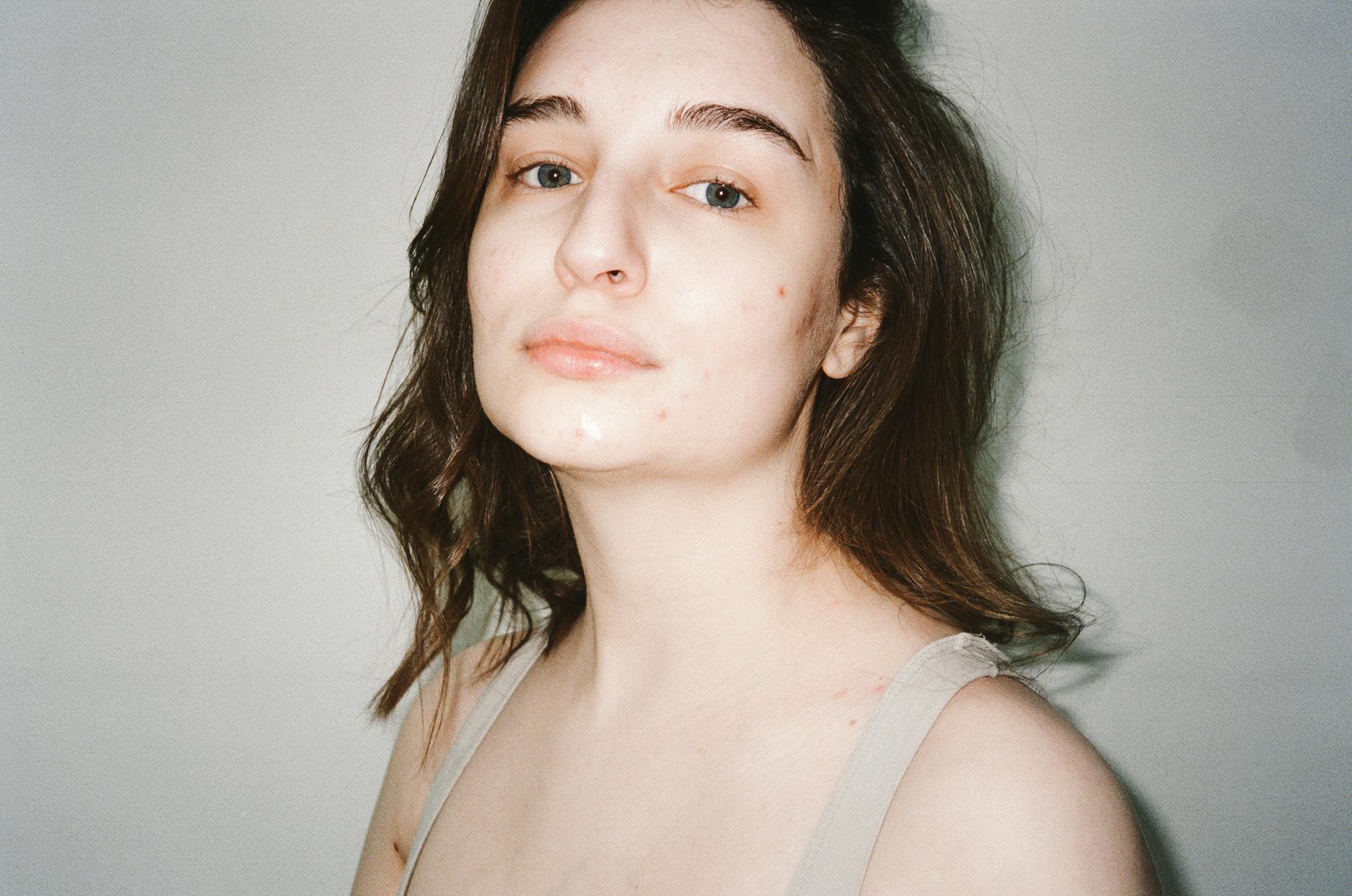
Androgens exert a direct, well-documented effect on sebaceous (oil) glands in the skin. These glands have androgen receptors that, when activated, increase sebum production. Excess sebum doesn’t just make your skin oily—it creates an oxygen-poor, lipid-rich environment where acne-causing bacteria thrive and where dead skin cells accumulate and plug pores. Additionally, androgens increase keratin production in hair follicles, worsening follicle clogging.
This combination is particularly efficient at causing deep, inflammatory breakouts rather than superficial comedones. However, this mechanism explains why antiandrogen treatments work: blocking androgen activity at the receptor level reduces both sebum production and follicle plugging simultaneously. Not all hormonal acne responds equally to every treatment. Some women experience remarkable improvement with antiandrogen therapy, while others whose acne is driven more heavily by other factors (like insulin resistance or thyroid dysfunction) may see only modest improvement. The clinical picture matters—if you have acne alongside hirsutism (excess facial hair) or androgenetic alopecia (hair thinning), the androgen component is almost certainly significant.
Beyond Androgens—Thyroid, Insulin Resistance, and Other Endocrine Contributors
While the androgen-estrogen imbalance drives most menopausal acne, it rarely acts alone. Other endocrine abnormalities frequently coexist. Thyroid disorders increase in frequency during and after menopause, and hypothyroidism can slow skin healing and increase sebum production. Hyperprolactinemia (elevated prolactin) can trigger acne independently.
Insulin resistance—common during midlife weight changes and menopause—increases androgen production, creating a compounding effect on acne severity. This overlapping hormonal picture means that two women with similar menopausal acne may have fundamentally different root causes. One woman’s breakouts might be 80% driven by androgen excess and 20% by insulin resistance, while another’s might be split 50-50 between androgens and thyroid dysfunction. This is why a comprehensive blood panel measuring testosterone, DHEA-S, thyroid markers (TSH, free T4, free T3), prolactin, and fasting insulin can be valuable. It pinpoints which hormonal abnormalities are actually present, not just which ones you assume are there.
When Acne Signals Postmenopausal Hyperandrogenism and Associated Symptoms
If your acne in your 50s is accompanied by other symptoms, pay attention—acne may be the visible marker of broader hormonal disruption. Women with postmenopausal hyperandrogenism (a condition where androgen production remains elevated after menopause) often develop a constellation of signs: new or worsening hirsutism (dark facial hair, coarse body hair), androgenetic alopecia (progressive hair thinning, especially at the crown), deepening of the voice, or increased muscle mass. When acne appears alongside these symptoms, it suggests systemic androgen excess rather than isolated skin-level hormone sensitivity.
This symptom cluster is clinically significant because it often points toward specific underlying conditions—ovarian tumors, adrenal disorders, or PCOS-like presentations that persist after menopause. If you’ve developed acne plus hirsutism plus hair loss in your 50s, dermatological treatment alone may miss the forest for the trees. A comprehensive evaluation including pelvic ultrasound and possibly endocrinology referral is warranted. Conversely, if acne is your only symptom, the hormonal imbalance is likely limited to the estrogen-androgen ratio shift during menopause itself, and treatment can be more straightforward.
Stress, Sleep, Diet, and the Non-Hormonal Trigger Layer
While hormonal imbalance is the foundation of acne in your 50s, several behavioral and lifestyle factors amplify breakouts by altering hormone levels or skin barrier function. Sleep deprivation is particularly relevant at midlife, when insomnia becomes more common. Even two nights of poor sleep increase stress hormones like CRH (corticotropin-releasing hormone) and substance P—molecules that directly stimulate sebum production and immune activation in skin. Chronic stress similarly elevates cortisol, which can exacerbate inflammation and androgen production. Dietary changes matter too.
A diet high in refined carbohydrates can worsen insulin resistance, which in turn increases androgen production—a mechanism especially potent in midlife when insulin sensitivity naturally declines. Similarly, major lifestyle shifts—sudden changes in exercise intensity, major weight loss or gain, or significant caloric restriction—can stress the endocrine system and temporarily worsen hormonal acne. The key limitation here is that addressing lifestyle factors alone rarely resolves true hormonal acne in your 50s. Sleep, stress management, and diet are essential for overall health and can reduce breakout frequency by maybe 20-30%, but they won’t correct the underlying androgen-estrogen imbalance. Hormonal imbalance requires hormonal intervention.

Medical Treatment Options: Spironolactone, Antibiotics, and Topical Agents
Spironolactone is the preferred oral medication for hormonal acne in menopausal women, especially when hirsutism and hair loss accompany breakouts. It’s an antiandrogen that blocks androgen receptors and also inhibits androgen production, addressing the root hormonal problem. Typical starting doses are 50-100 mg daily, with effects usually apparent after 2-3 months of consistent use. For women with moderate-to-severe acne or acne resistant to topical treatments, spironolactone often produces substantial improvement.
For severe or particularly stubborn acne, isotretinoin (Accutane) remains the most effective option, though it requires careful monitoring due to its side effects and contraindications. Systemic antibiotics like doxycycline can reduce bacterial populations and inflammation while hormonal therapies take effect, though antibiotic resistance limits their long-term utility. Topical treatments form the first-line approach: salicylic acid and azelaic acid help clear follicles and reduce bacterial load, while retinoids (adapalene, tretinoin) normalize keratin shedding and reduce inflammation. Many dermatologists recommend combining topical retinoids with either spironolactone or antibiotics to attack the problem from multiple angles—hormonal correction plus skin-level treatment.
Timeline, Expectations, and the Menopause-to-Postmenopause Trajectory
Acne in your 50s typically improves gradually as your body adapts to the new hormonal baseline after menopause concludes, usually 8-12 years after the onset of perimenopause. However, this timeline offers no guarantee that your skin will spontaneously clear. Some women continue experiencing breakouts well into their 60s and 70s if they don’t receive targeted treatment.
Estrogen therapies like hormone replacement therapy (HRT) can paradoxically worsen acne in some women while improving it in others, depending on the formulation and individual response. The outlook is hopeful if you’re willing to intervene medically. Spironolactone plus a good retinoid regimen clears or substantially reduces acne in the majority of women who try it. The key is treating it early rather than assuming it’s temporary or cosmetic—prolonged acne in midlife can affect quality of life, self-image, and skin barrier resilience, and early intervention prevents these downstream effects.
Conclusion
Acne in your 50s is not a cosmetic quirk or a sign of poor skincare—it’s a signal that your hormonal landscape has shifted dramatically. The primary driver is an androgen-estrogen imbalance created by menopause itself, though thyroid dysfunction, insulin resistance, and lifestyle factors often compound the problem. Recognizing this hormonal foundation is crucial because it means that acne in your 50s responds to hormonal treatment, not just topical acne medications.
If you’re experiencing persistent breakouts in your 50s, start by seeing a dermatologist who can assess the severity and order hormonal blood work if indicated. Spironolactone, retinoids, and other proven treatments can address the root cause rather than just surface symptoms. You don’t have to live with menopausal acne—understanding what it signifies about your hormonal health is the first step toward reclaiming clear, healthy skin.
Frequently Asked Questions
Does acne in your 50s always mean you have high androgens?
Not necessarily. Absolute androgen levels may be normal or even low. What matters is the ratio of androgens to estrogen. During menopause, estrogen drops so dramatically that even lower androgen levels become relatively dominant. Blood tests can clarify your actual hormone levels.
Can HRT (hormone replacement therapy) help with menopausal acne?
It depends on the formulation. Some types of estrogen therapy can worsen acne if the estrogen-to-progestin ratio favors androgen activity. Other formulations improve acne. Discuss specific HRT options with your dermatologist or gynecologist to find one compatible with clear skin.
How long does it take for spironolactone to improve acne?
Most women notice improvement after 2-3 months, with maximum benefit by 4-6 months. Patience is required—spironolactone addresses the hormonal cause, but skin turnover takes time. Combining it with topical retinoids can speed visible improvement.
If I have acne plus hirsutism and hair loss, what should I do?
This symptom triad suggests significant androgen excess. Beyond dermatology, request evaluation by your gynecologist or an endocrinologist to rule out ovarian or adrenal causes. Spironolactone addresses all three symptoms effectively, but identifying any underlying pathology is important.
Is dietary change enough to treat hormonal acne in your 50s?
Lifestyle changes—better sleep, stress management, lower-glycemic diet—can reduce breakout frequency by 20-30%, but they rarely resolve true hormonal acne alone. Medical treatment targeting the androgen-estrogen imbalance is usually necessary.