

A higher collagen type I to type III ratio is the primary driver of visible and severe acne scarring, while a lower ratio produces scars that appear flatter, softer, and less noticeable. This molecular distinction explains why some people develop deep, prominent scars from acne breakouts while others heal with minimal visible marks—even with identical breakout severity. The ratio matters because these two collagen types create fundamentally different tissue architectures: type I collagen forms rigid, highly organized fibrous networks that lock in scar visibility, while type III collagen produces a more flexible, less structured architecture that suppresses the mechanisms that drive scar formation.
Understanding this ratio is essential because it’s not just descriptive biology—it directly influences which treatments work and why. Research has documented a significant positive correlation between the collagen I/III ratio and scar visibility on the Vancouver Scar Scale, meaning higher ratios consistently predict worse-looking scars. This article explores how these two collagen types affect scar appearance, why the ratio shifts during healing, and what emerging treatments are now being developed to manipulate this ratio and reduce scarring.
Table of Contents
- How Does the Collagen Type I/III Ratio Change Scar Structure?
- Why Does Collagen Type III Disappear During Healing?
- Hypertrophic Scars and the Excessive Type I Problem
- Targeting the Ratio—What Treatments Actually Work?
- Age Complications and the Declining Type III Problem
- Recombinant Type III Collagen—The Emerging Breakthrough
- The Future of Collagen-Targeted Scar Treatment
- Conclusion
How Does the Collagen Type I/III Ratio Change Scar Structure?
The difference between collagen type I and type III lies in how they assemble and organize within the skin. Type I collagen, which dominates mature scar tissue, forms elongated, densely aligned fibers that create a rigid, inflexible structure. This anisotropic (directionally oriented) architecture is the hallmark of visible scarring—it’s what creates the raised, sunken, or deeply textured appearance that makes acne scars so noticeable. Type III collagen, by contrast, creates a more loosely organized, isotropic (randomly oriented) fiber network that doesn’t lock in the same scar-permissive architecture. When researchers compare hypertrophic scars (the raised, thick scars some people develop) to normal skin, they consistently find that hypertrophic scars contain a significantly elevated collagen I/III ratio.
A scar with a ratio of 5:1 or higher looks dramatically different from normal skin, which maintains a more balanced collagen composition. The correlation is direct and dose-dependent—as the ratio climbs, so does scar severity. This is why someone prone to hypertrophic scarring will develop raised, prominent acne scars, while someone with a more balanced collagen ratio might heal with barely visible marks. Pathological scars—the class that includes both hypertrophic and some atrophic (sunken) acne scars—are defined partly by this elevated type I dominance. The “scar-permissive” collagen architecture that type I creates is essentially a trap: once the tissue remodels into this rigid, organized state, it resists reverting back to normal skin’s more flexible structure.

Why Does Collagen Type III Disappear During Healing?
The timeline of collagen composition during healing explains why the ratio drifts in the direction of greater scarring. Immediately after an acne lesion forms, the body’s wound-healing response prioritizes speed over appearance. Type III collagen is the dominant collagen laid down during the inflammatory phase—it’s the first responder, abundant in the earliest weeks and months of healing. This makes sense from a survival perspective: type III collagen is easier and faster to produce, and its flexible architecture allows for rapid tissue reconstruction without worrying about long-term appearance. However, type III collagen is gradually replaced by type I collagen over a period of one year or more, often as long as 12-18 months after the initial injury.
This transition is where things go wrong for acne-prone skin. During this extended remodeling period, the tissue progressively locks into the rigid, type I-dominant state. This is why fresh acne scars sometimes look worse at the 6-12 month mark than they did at 3 months—the collagen composition is still shifting toward the high-ratio, scar-permissive architecture. This extended timeline also explains why dermatologists sometimes recommend waiting a year before pursuing aggressive scar treatments; the scar is still “settling,” and type III is still being replaced. The critical limitation here is that if someone’s body is biased toward high type I/III ratios genetically, they can’t reverse this timeline through skincare alone. The collagen is being deposited and reorganized at a cellular level by fibroblasts, and home treatments don’t influence this process significantly enough to prevent the high-ratio state from forming.
Hypertrophic Scars and the Excessive Type I Problem
Hypertrophic scars are defined, in part, by an abnormally elevated collagen type I/III ratio compared to normal skin. When someone develops a thick, raised scar from acne—the kind that sometimes appears months after healing—collagen type I has proliferated excessively relative to type III. This drives both the physical height and the visual prominence of the scar. The fibroblasts in susceptible individuals essentially “over-invest” in type I collagen production, creating excess tissue that rises above the surrounding skin level.
Atrophic scars (the sunken, depressed scars more common with severe cystic acne) also involve a disrupted collagen I/III ratio, but through a different mechanism—insufficient collagen deposition overall, combined with poor organization of whatever collagen does form. The remaining collagen is still skewed toward type I, creating a rigid but insufficiently filled scar rather than a raised one. Both scar types, despite their opposite appearances, share the problem of a high collagen I/III ratio that locks in visible scarring. Someone with genetic factors that predispose them to rapid type I production and type III suppression will develop noticeable scars from relatively minor acne lesions. Conversely, someone with balanced collagen deposition might experience severe cystic acne but heal with minimal visible marks because their body maintains a lower, more normal type I/III ratio.

Targeting the Ratio—What Treatments Actually Work?
Traditional acne scar treatments like laser resurfacing, microneedling, and chemical peels work partly by inducing controlled injury that stimulates new collagen deposition and remodeling. However, these treatments don’t specifically address the type I/III ratio problem—they’re essentially hoping that the new collagen laid down during healing will be better organized than the original scar tissue. This works sometimes, but effectiveness is limited by the same bias toward type I that caused the scar in the first place. More recent approaches directly manipulate the collagen type balance. Recombinant human collagen type III (a synthetic version of the beneficial collagen type) has been shown in 2024 research to promote increased type III collagen synthesis in fibroblasts—the cells that actually produce collagen.
By introducing additional type III collagen, treatments lower the overall collagen I/III ratio, moving the tissue composition toward a more normal, scar-resistant state. This is a more targeted intervention than older laser or chemical approaches. The emerging leader in ratio-targeted treatment is combining fractional CO2 laser with recombinant humanized type III collagen. A 2025 study demonstrated that this combination creates synergistic effects: the laser induces controlled injury and activates fibroblasts, while the type III collagen shifts the newly deposited collagen toward a lower, less scar-permissive ratio. The combination activated the MAPK pathway (a key cell signaling system) and enhanced collagen remodeling more effectively than either treatment alone. The tradeoff is cost and accessibility—this is currently an advanced, specialized treatment not yet available at every dermatology clinic.
Age Complications and the Declining Type III Problem
Type III collagen synthesis declines naturally with age, a process that accelerates significantly after age 30-40. This means that the collagen I/III ratio becomes progressively skewed toward type I as someone ages, resulting in higher ratios and reduced skin elasticity. For someone who developed acne scars in their teenage years, aging makes the scars appear progressively more prominent because the surrounding skin is losing its type III collagen, while the scar tissue—already type I-dominant—remains rigid. This age-related shift also means that acne scar appearance worsens over time for most people, purely due to collagen composition changes unrelated to the scars themselves.
Someone who had barely noticeable scars at age 20 might see them become much more visible by age 40, not because the scar got worse, but because the surrounding skin lost its flexible, youthful type III collagen. This limitation is important to understand because it means that scar prevention in younger years is more effective than attempting improvement later—it’s easier to maintain lower ratios than to reverse entrenched, age-related shifts. Certain medications and treatments that accelerate collagen aging (like prolonged sun exposure or smoking) will worsen this natural decline. This is why dermatologists emphasize sun protection and lifestyle factors when counseling on scar management; they’re trying to slow the age-related shift toward even higher collagen I/III ratios.
Recombinant Type III Collagen—The Emerging Breakthrough
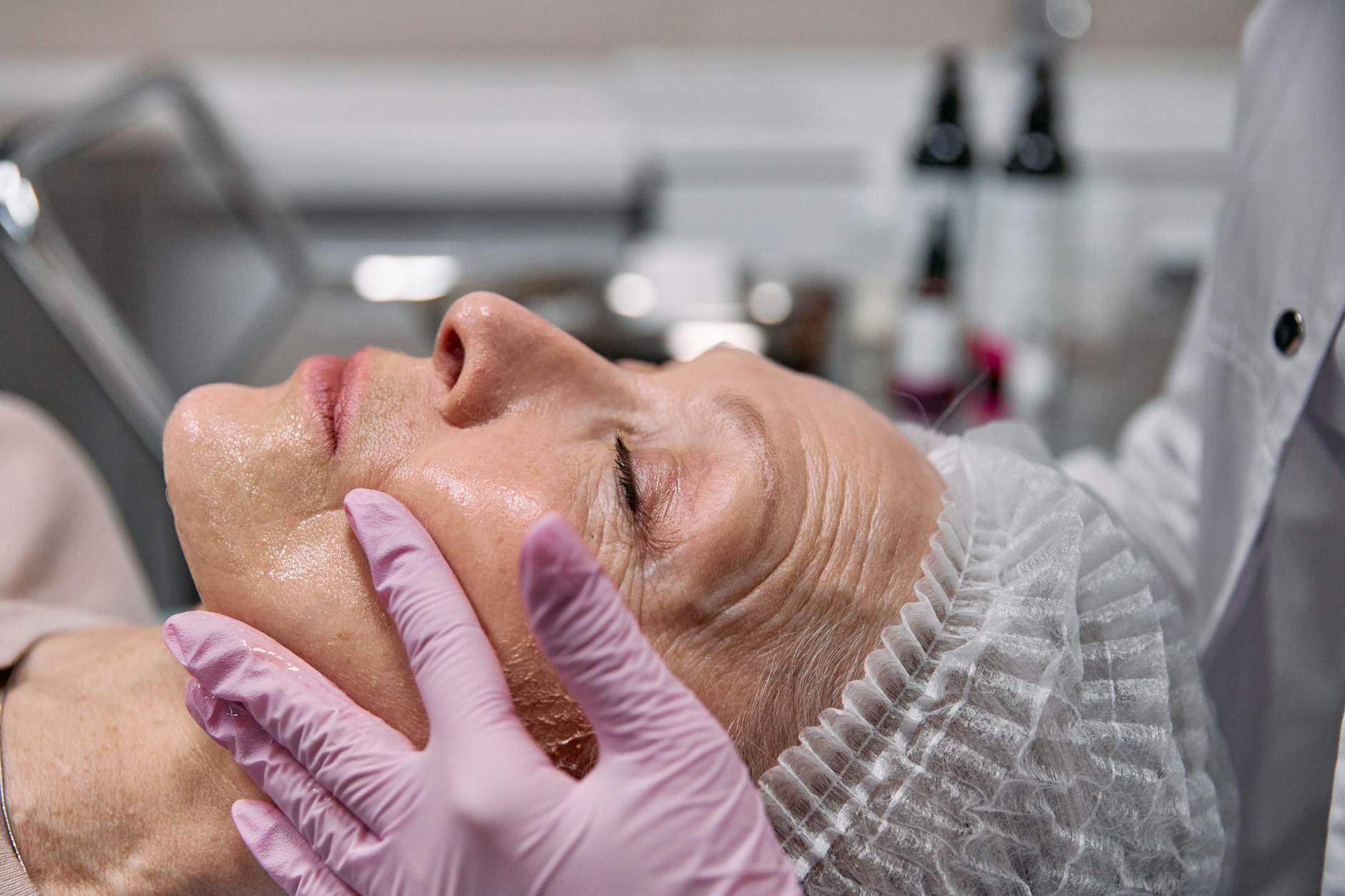
The development of recombinant human collagen type III represents a direct pharmaceutical approach to the ratio problem. Rather than stimulating collagen remodeling and hoping the composition improves, this treatment actively shifts the available collagen toward type III. Studies have shown that when recombinant type III collagen is applied to fibroblasts in culture, it increases their production of endogenous type III collagen—meaning the body’s own cells respond by making more type III collagen in addition to what’s supplied.
This is distinct from simply injecting collagen (a temporary filler approach). The recombinant type III collagen actively prompts the fibroblasts to rebalance their own collagen synthesis, moving the ratio downward over time. Early results from 2024 studies show meaningful improvements in hypertrophic scar appearance when this approach is used, with some patients seeing scar softening and reduced visibility within 2-3 months.
The Future of Collagen-Targeted Scar Treatment
The convergence of laser technology, recombinant collagen type III, and understanding of the I/III ratio mechanics is opening new possibilities for acne scar treatment. Current research is exploring whether earlier intervention—applying type III collagen therapies during the active healing phase (weeks 4-12 after injury) rather than waiting for established scars—could prevent high-ratio states from forming in the first place. If this works, it could shift acne scar management from reactive (treating established scars) to preventive (maintaining low ratios during healing).
Combination approaches are also evolving. Rather than fractional CO2 plus type III, future protocols may incorporate radiofrequency microneedling, which generates controlled heating to stimulate deeper collagen remodeling, combined with type III collagen supplementation and topical or systemic agents that suppress excessive type I production. The specificity of targeting the collagen type ratio—rather than just “stimulating collagen”—represents a fundamental shift in how dermatologists are thinking about scar management.
Conclusion
The collagen type I/III ratio is the structural foundation of acne scar appearance. Higher ratios create the rigid, organized collagen architecture that produces visible, prominent scars, while lower ratios produce the flexible, scar-resistant composition of normal skin.
This ratio shifts predictably during healing, with type III collagen being gradually replaced by type I over 12-18 months, explaining why scars continue changing long after the initial breakout. Moving forward, the most effective approach to acne scar management will likely involve manipulating this ratio directly—through recombinant human collagen type III, combination laser and type III protocols, and potentially preventive interventions during the active healing phase. If you’re dealing with noticeable acne scars, understanding that the problem isn’t just “damaged skin” but specifically an imbalanced collagen composition offers a clearer path to effective treatment options that address the root cause rather than just the symptoms.