
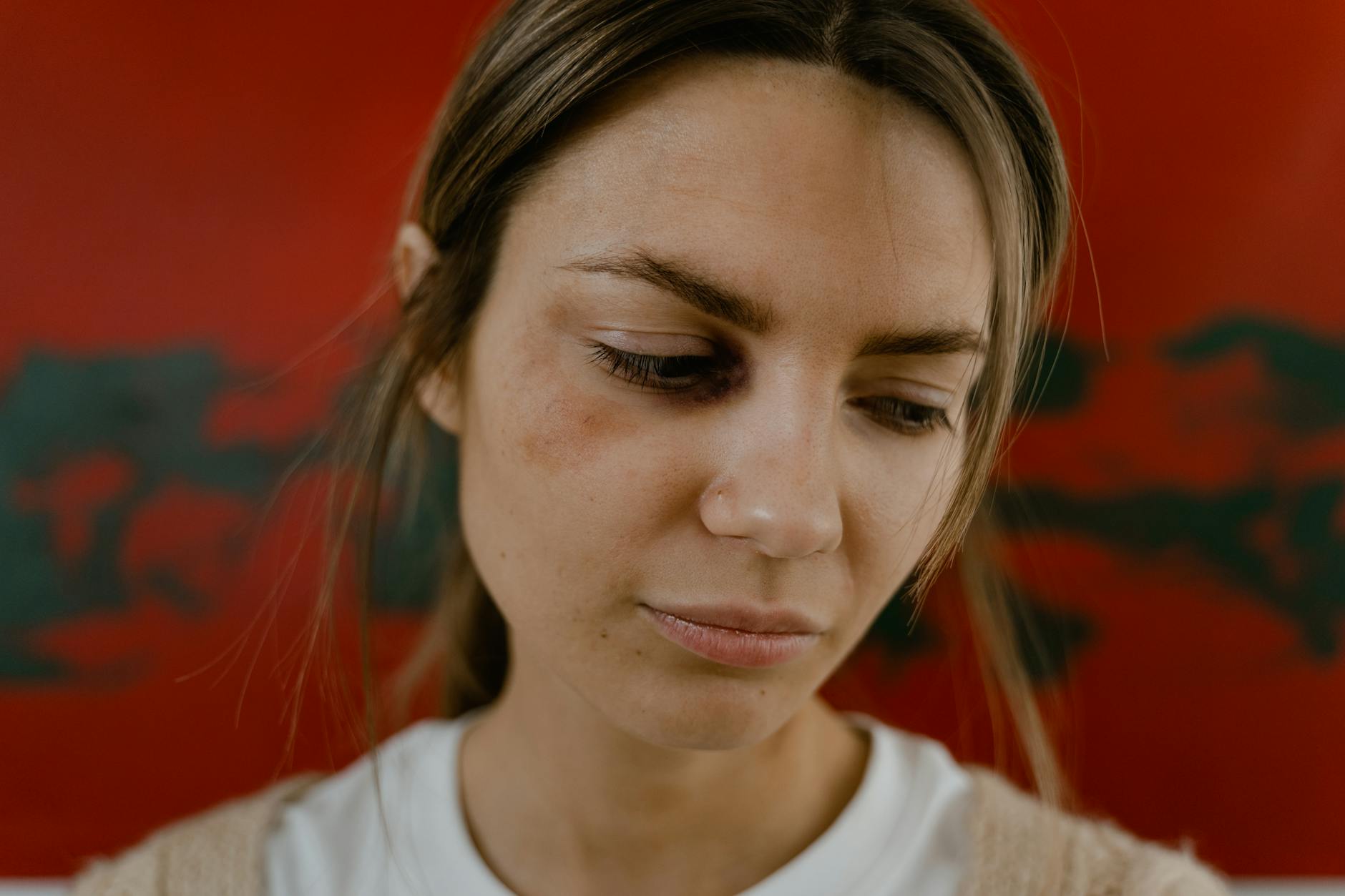
Delayed bruising after subcision—bruising that persists or worsens beyond the typical 1–2 week recovery window—typically indicates an individual variation in healing response, or less commonly, a complication that warrants evaluation by your dermatologist. While most patients see bruising peak by day 2–3 and fade within 7–10 days, some experience prolonged discoloration that lingers into week 3 or beyond, which may suggest factors ranging from genetics and blood clotting differences to deeper tissue response.
This article explores what the timeline of bruising actually reveals about your recovery, when delayed bruising becomes a concern, how the instrument used during your procedure influences bruising severity, and what steps you should take if your healing doesn’t follow the expected path. Understanding the significance of bruising patterns helps you distinguish between normal variation and signs that require professional attention. Your dermatologist has the clinical experience to assess whether your delayed bruising reflects your body’s unique healing tendency or suggests an underlying issue like inadequate aftercare, infection risk, or tissue trauma that needs intervention.
Table of Contents
- What Does the Normal Bruising Timeline Tell You?
- How Your Healing Response and Tissue Variation Affect Bruising Duration
- The Role of Instrument Choice in Bruising Severity
- When Should You Interpret Delayed Bruising as a Signal to Contact Your Dermatologist?
- Distinguishing Bruising from Other Post-Subcision Discoloration
- Recovery Milestones Beyond the Bruising Timeline
- Planning Future Treatments If You Experience Delayed Bruising
- Conclusion
What Does the Normal Bruising Timeline Tell You?
The bruising timeline after subcision is remarkably consistent across most patients, which makes deviation from the norm clinically informative. Typical bruising peaks on days 2–3 after your procedure, when tissue swelling and blood accumulation are at their highest. By day 7–10, the visible purple and blue discoloration fades significantly, and by week 2, most patients report that bruising and swelling are minimal enough to resume normal activities and light makeup application. This predictable arc reflects normal inflammatory response: the needle or blade disrupts small blood vessels, cells rush to repair the area, fluid accumulates, and the body gradually reabsorbs the bruising as healing progresses. When your bruising follows this standard timeline, it signals that your tissue response is within expected parameters.
Your body’s inflammatory phase is working efficiently, healing is progressing on schedule, and you’re tracking toward the 3–6 month window when subcision results fully mature through collagen remodeling. For example, a patient who has prominent purple bruising on day 3 but clear improvement by day 7 is experiencing a textbook recovery, even though the early bruising looks dramatic. However, any bruising that persists noticeably beyond the 2-week mark warrants attention. This could indicate slower vascular reabsorption, which is sometimes normal genetic variation—some people simply bruise longer than others, just as some bruise more easily from minor trauma. But it can also signal that something in your recovery environment needs adjustment, or rarely, that a complication has developed.

How Your Healing Response and Tissue Variation Affect Bruising Duration
Every person’s body responds differently to controlled trauma, and bruising duration is one of the most variable aspects of subcision recovery. Genetics play a significant role: if you have a family history of easy bruising, prolonged bruising after procedures, or blood clotting variations, you’re more likely to experience bruising that extends beyond the typical 7–10 day window. Age also influences bruising; younger patients often show faster reabsorption, while those over 50 may experience slightly prolonged discoloration. Medication history matters too—anyone taking blood thinners, NSAIDs regularly, or supplements like fish oil or vitamin E may see bruising linger. However, if your bruising extends noticeably into week 3 or beyond, it’s important to distinguish between genetic variation and a sign of inadequate healing environment.
A 2025 peer-reviewed study documented that common side effects of subcision include pain, tenderness, bruising, infection risk, subcutaneous lumps, and dyspigmentation—and importantly, most resolve spontaneously without further intervention. This means that even prolonged bruising often resolves on its own; the study doesn’t suggest that all delayed bruising indicates a problem, only that it can occur and typically self-resolves. That said, the critical distinction is between bruising that’s present but improving versus bruising that’s static or worsening. Bruising that gradually fades from purple to yellow to nearly invisible over 3 weeks is likely just your individual healing pattern. Bruising that remains deep purple, increases in pain, or develops warmth and swelling alongside it warrants a call to your dermatologist to rule out infection or hematoma.
The Role of Instrument Choice in Bruising Severity
One of the most clinically significant findings about bruising after subcision comes from a 2025 split-face comparison study: the specific instrument used during your procedure substantially influences how much bruising you experience. In this study, researchers compared outcomes between patients treated with a Nokor needle on one side of the face and a blunt blade technique on the other side. The results were striking and statistically significant (p < 0.001): the Nokor needle approach produced bruising in 17 cases, while the blunt blade approach produced bruising in only 8 cases. This means blunt blade subcision created approximately half the bruising rate compared to needle-based technique.
For a patient prone to delayed or severe bruising, this difference is substantial—choosing a provider experienced with blunt blade methods could cut your bruising severity roughly in half, potentially reducing a 3-week recovery to a more typical 1–2 weeks. This finding is important when selecting your dermatologist. If you’re concerned about bruising—whether due to past procedure experience, genetic predisposition, or upcoming social or work commitments—ask your provider which technique they prefer and whether they can offer blunt blade subcision. Some dermatologists use both depending on the scarring pattern; others specialize in one approach. Your instrument choice can meaningfully impact not just the severity of bruising but also how long that bruising persists, making it a legitimate factor in your decision.
When Should You Interpret Delayed Bruising as a Signal to Contact Your Dermatologist?
Any bruising that persists beyond 2 weeks in a noticeable way should prompt a follow-up conversation with your dermatologist, even if the bruising itself looks like it’s gradually fading. You don’t need to panic or seek emergency care—most delayed bruising is not an emergency—but you should have your provider evaluate it to confirm your healing is on track and rule out complications. The threshold isn’t that bruising must be completely gone by day 14; it’s that visible bruising should be trending toward resolution, not lingering at the same intensity or worsening. Specific warning signs warrant more urgent contact: bruising accompanied by increasing pain (rather than improving pain), warmth or heat in the area, swelling that’s new or worsening after day 3–5, or signs of infection like pus or fever.
These suggest possible infection or hematoma formation, which are treatable but need prompt attention. Minimal infection risk exists for most patients who follow proper aftercare—keeping the area clean, avoiding heavy pressure, and not picking at any scabs—but inadequate aftercare or certain skin conditions can elevate that risk. If you have a history of keloid formation, prone-to-infection skin conditions, or have slipped on aftercare instructions, contact your provider proactively rather than waiting. Similarly, if your bruising extends into week 3 or 4 and is still quite dark, photograph it and share with your dermatologist at your follow-up appointment (most offices schedule a check-in around week 2–3). This creates a record of your unique healing pattern and gives your provider information to tailor any follow-up care or adjust recommendations for future treatments.
Distinguishing Bruising from Other Post-Subcision Discoloration
One source of confusion after subcision is that not all discoloration is bruising. True bruising—purple, blue, and yellow discoloration—comes from blood under the skin and resolves as your body reabsorbs it. However, subcision can also cause dyspigmentation (documented in the 2025 study), which is a change in skin color from inflammatory response or post-inflammatory hyperpigmentation. Dyspigmentation is not bruising and follows a different timeline. True bruising fades within 7–10 days for most patients; if you have discoloration that’s present at week 3 and beyond, ask your dermatologist whether you’re looking at residual bruising or post-inflammatory hyperpigmentation.
Post-inflammatory darkening can last 4–8 weeks or longer and typically fades with sun protection and time, though some patients benefit from hydroquinone or vitamin C products to accelerate fading. This distinction matters because post-inflammatory hyperpigmentation is not a complication—it’s a normal part of healing—and doesn’t require medical intervention, just patience and sun protection. A limitation to keep in mind: if you have darker skin tones, post-inflammatory hyperpigmentation may be more visible and longer-lasting than in lighter skin, and bruising itself can be harder to visualize against darker skin. In these cases, rely on how the area feels (improving pain, reduced swelling) rather than color alone to gauge healing progress. Your dermatologist should adjust their monitoring and expectations accordingly.

Recovery Milestones Beyond the Bruising Timeline
While bruising typically fades within 1–2 weeks, the deeper healing process continues on a much longer timeline. The point of subcision is to break apart fibrous tissue that’s tethering your scar and allow new collagen to fill in that space. This collagen remodeling isn’t visible in the first 2 weeks; it begins in earnest around weeks 4–6, when you’ll notice gradual improvement in the scar itself—it may appear shallower, softer, or less defined. Full results from subcision typically emerge over 3–6 months as collagen continues to build and remodel.
This means that judging your procedure’s success based on the bruising timeline alone is misleading. A patient with prolonged bruising at week 3 might have textbook-perfect scar improvement by month 3, while a patient with minimal bruising at week 2 might see modest scar improvement. The bruising and the scar treatment are related but distinct processes. Your dermatologist can help you understand at your follow-up visit (usually around week 4–6) whether the underlying scar treatment is progressing well, separate from whether your bruising resolved quickly.
Planning Future Treatments If You Experience Delayed Bruising
If this is your first subcision and you experience delayed bruising, you now have valuable information for future treatments. Discuss your bruising experience with your dermatologist and ask whether it reflects your individual tendency to bruise longer (genetic variation) or whether it related to your aftercare, the specific technique used, or another factor. If it was genetic, you can prepare for future subcision or other procedures—plan for a longer downtime window, use preventive measures like arnica (though evidence is modest), and avoid social commitments during weeks 1–3.
If your delayed bruising reflected technique or provider factors, you have the power to choose differently next time. Request blunt blade subcision if your provider offers it, based on the substantial difference in bruising rates shown in recent research. Plan treatments when you have a more forgiving schedule, and discuss with your dermatologist whether spacing treatments further apart or using different modalities (like radiofrequency microneedling or laser, which produce less bruising) might be better options for your skin and lifestyle. Your experience with delayed bruising becomes a roadmap for optimizing future treatments.
Conclusion
Delayed bruising after subcision—persisting noticeably beyond 2 weeks—most commonly reflects individual variation in healing, influenced by genetics, age, medications, and other factors. A significant 2025 study confirmed that common side effects including bruising resolve spontaneously in most cases. The key distinction is between bruising that’s gradually improving (which is normal) and bruising that’s static, worsening, or accompanied by pain, warmth, or other signs of infection (which warrant professional evaluation).
Your practical next step is to contact your dermatologist if bruising persists beyond 2 weeks in a visible way, particularly if accompanied by warning signs. If this is happening now, take photos, note when you first noticed bruising and when it began fading (or didn’t), and mention any aftercare adjustments you’ve made. For future treatments, you’re now informed about how instrument choice—particularly blunt blade versus needle-based subcision—can significantly impact bruising severity, giving you concrete factors to discuss with your provider when planning additional procedures. Remember that bruising and scar improvement follow different timelines; delayed bruising doesn’t predict delayed scar results, so continue your treatment plan and reassess the actual scar improvement at your 4–6 week follow-up appointment.