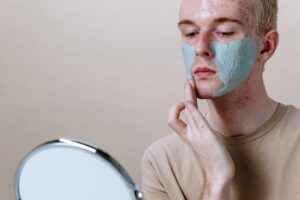
Swelling after subcision typically presents as diffuse puffiness across the treated area that reaches its peak around 48-72 hours after the procedure and gradually improves over 2-4 weeks. In the first 24 hours, you’ll likely notice mild to moderate swelling that feels soft and somewhat boggy to the touch—imagine the tissue feels slightly spongy, and your skin surface may look smooth but puffy, sometimes with a subtle shine from fluid retention. Most people experience their worst swelling on day 2 or 3, where the face or treated area might look noticeably fuller, and swelling may extend slightly beyond the treatment zone due to fluid distribution in the subcutaneous layers.
This article walks you through exactly what to expect visually at each stage of recovery, why the swelling happens, how to manage it effectively, and how to distinguish normal post-procedure swelling from concerning complications. The swelling you experience depends on several factors: how aggressive the subcision was, your individual healing response, how well you follow post-care instructions, and your natural tendency toward inflammation. Someone with highly reactive skin might experience more dramatic swelling than someone with naturally calm skin, but both are completely normal responses to the trauma of releasing scar tissue. Understanding what constitutes normal swelling versus problematic swelling helps you stay calm through recovery and know when to contact your provider.
Table of Contents
- How Does Subcision Swelling Progress Through the First Week?
- Why Peak Swelling Occurs and What You’re Actually Seeing
- Monitoring Swelling and When to Intervene
- Individual Variation—Why Your Swelling Might Look Different Than Someone Else’s
- When Swelling Becomes Concerning and Requires Provider Contact
- Timeline Expectations—What You’ll Look Like at Key Intervals
- How Swelling Resolution Connects to Final Results
- Conclusion
- Frequently Asked Questions
How Does Subcision Swelling Progress Through the First Week?
During the first 24 hours after subcision, swelling is usually mild to moderate and localized fairly close to the treatment area. your skin may feel slightly tender and look slightly puffy, but it’s often subtle enough that you might not need to change your plans dramatically. However, by hours 24-48, swelling intensifies noticeably—this is when many people decide to take time off work or social commitments because the puffiness becomes visible enough to alter facial contours. By day 3, you’ve typically hit peak swelling, where the treated area looks most enlarged.
This is the “worst day” for most people, and it can be unsettling if you weren’t prepared for how pronounced it might be. The swelling usually has a uniform, soft quality—it’s not hard or lumpy, but rather the kind of fullness you’d get from retaining water throughout your face or a less severe allergic reaction. After day 3, swelling begins declining, and you’ll notice gradual improvement each day. By the end of the first week (day 7), most people report that swelling has reduced by 50-70%, though it’s often still visible.
Why Peak Swelling Occurs and What You’re Actually Seeing
The dramatic swelling between days 2-4 happens because subcision creates intentional trauma to break up scar tissue attachments, and your body responds by flooding the area with fluid as part of the inflammatory healing process. The needle’s movement through the dermis and subcutaneous tissue triggers inflammation, which causes blood vessels to become more permeable and fluid to accumulate in the tissue spaces. This isn’t a problem or a sign something went wrong—it’s your body doing exactly what it’s supposed to do during healing.
However, if you have very reactive skin or a strong inflammatory response, peak swelling can look more dramatic than you anticipated, and it can feel concerning. Some people report that swelling extends beyond just the treated area, potentially affecting the entire face or multiple facial zones. This happens because fluid distributes through tissue planes and gravity pulls it downward, especially if you’re sleeping flat or not keeping your head elevated. Additionally, if you resume normal activity too quickly or consume excess sodium before swelling has started to resolve, you may notice swelling persists longer or gets worse temporarily—this is where post-care compliance becomes crucial.
Monitoring Swelling and When to Intervene
The best way to manage subcision swelling is aggressive head elevation, especially in the first 48-72 hours. Sleeping with 3-4 pillows, sitting upright when possible, and using a cool compress (not ice directly on skin, which can damage tissue) for 10-15 minute intervals can noticeably reduce swelling compared to lying flat. Cool compresses work by temporarily constricting blood vessels and reducing fluid accumulation, which is why you’ll often see the most dramatic swelling reduction shortly after applying them.
One often-overlooked factor is sodium intake—consuming salty foods or high-sodium processed foods in the days immediately after subcision can intensify or prolong swelling because sodium causes your body to retain fluid. Limiting sodium, staying well-hydrated with plain water, and avoiding alcohol (which dehydrates you and triggers inflammation) for at least 3-5 days post-procedure helps your body clear the excess fluid more efficiently. Some practitioners recommend gentle lymphatic massage or professional lymphatic drainage, though evidence is mixed on how much this truly accelerates swelling reduction compared to basic elevation and time.

Individual Variation—Why Your Swelling Might Look Different Than Someone Else’s
Swelling response after subcision varies dramatically between individuals, and this is one of the most important things to understand to avoid panicking if your experience differs from photos or accounts you’ve read online. People with darker skin tones may show swelling more prominently due to contrast, people with loose or naturally puffy skin may appear more swollen than someone with tighter skin even if the actual fluid accumulation is identical, and age plays a role—younger skin often has stronger inflammatory responses and may swell more dramatically than older skin. Additionally, how many passes your practitioner made with the needle during the procedure directly affects swelling; someone who had aggressive subcision on their entire cheek will swell more than someone who had light subcision on a single scar.
Your personal history also matters: if you’re someone who bruises easily, swells significantly from dental work, or has a history of keloid formation, you’ll likely experience more pronounced post-subcision swelling. Conversely, if you’ve had previous facial procedures with minimal swelling response, that pattern will probably continue. The key is to focus on your own baseline and trajectory—if your swelling is improving steadily each day, you’re on the normal path, even if it looks more dramatic than someone else’s experience.
When Swelling Becomes Concerning and Requires Provider Contact
Normal post-subcision swelling is soft, symmetrical, and improves steadily over time. Red flags that warrant contacting your provider include: asymmetrical swelling (one side of the face much more swollen than the other), swelling that gets dramatically worse after day 4 rather than improving, swelling accompanied by increasing warmth, redness that spreads, pus, or significant pain (mild tenderness is normal, but severe pain suggests infection or another problem), swelling that feels hard or lumpy rather than soft and puffy, and any swelling that affects your ability to see or breathe normally.
It’s also important to understand that while some bruising typically accompanies subcision, extensive dark bruising combined with severe swelling can indicate vessel damage or excessive trauma during the procedure. Mild bruising—light yellow or purple discoloration in small patches—is expected and will fade over 2-3 weeks, but spreading dark purple bruising alongside severe swelling might warrant a check-in with your provider to ensure everything is progressing normally. In rare cases, complications like infection or a collection of fluid can occur, but these are uncommon with proper sterile technique and post-care.
Timeline Expectations—What You’ll Look Like at Key Intervals
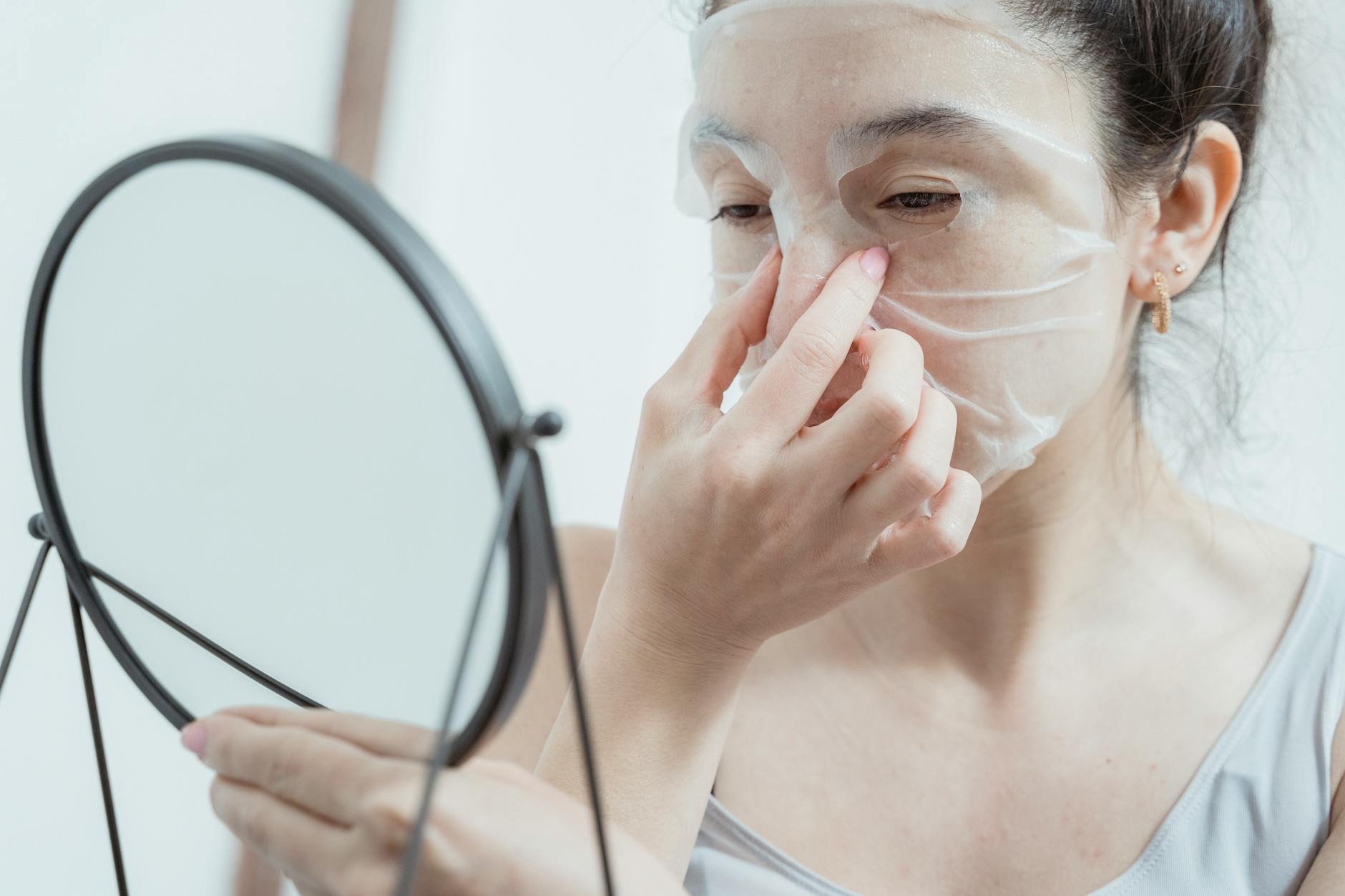
If you’re planning social events or want to know when you’ll look “back to normal,” here’s a realistic visual timeline: Day 1 after subcision, you look mostly normal with subtle puffiness. Day 2-3, this is when maximum swelling occurs and you likely look noticeably puffy—this is the stage where many people describe looking like they went several rounds in a boxing match or have a bad allergic reaction. By day 5-6, swelling has reduced enough that you might feel comfortable with makeup coverage or seeing close friends, though swelling is still visible to anyone who knows you well. By day 10, most people report 70-80% swelling resolution, and you can often resume regular activities and see people without worrying about appearance.
By 2-3 weeks post-procedure, visible swelling is minimal for most people, though microscopic fluid retention might still be present internally. However, residual mild puffiness can persist for up to 4-6 weeks in some cases, particularly if you had aggressive subcision or naturally slow healing. This final stage of swelling is subtle—you might notice it most when you first wake up in the morning before gravity and movement help disperse retained fluid, or after high-sodium meals. Most people don’t need to modify their lives by week 3, but the final refinement of results doesn’t fully manifest until all swelling has truly resolved.
How Swelling Resolution Connects to Final Results
One critical point that many people miss: you cannot accurately assess the results of subcision until swelling has fully resolved, which typically takes 4-6 weeks minimum and sometimes up to 2-3 months for complete refinement. This is because swelling masks the actual scar improvement—the whole point of subcision is to break scar tissue attachments so the skin can settle more smoothly, but swelling creates artificial fullness that obscures whether the scar actually improved. Some people feel disappointed at week 1 or 2 because they’re still somewhat swollen and think the procedure didn’t work, when in fact the swelling is just temporarily hiding the improvement.
This is also why practitioners often recommend waiting at least 6-8 weeks before deciding whether to pursue additional treatments like laser or filler for the same area. The swelling from subcision takes time to completely resolve, and starting other procedures too soon compounds inflammation and extends the overall recovery timeline. Once swelling has genuinely disappeared, you’ll have a clear picture of whether the scar improvement meets your expectations and whether additional treatments are needed.
Conclusion
Swelling after subcision follows a predictable pattern: mild initial swelling in the first 24 hours, peak swelling around day 2-4, and then gradual improvement over 2-4 weeks. The normal response is soft, symmetrical puffiness that’s most pronounced in the early days and steadily diminishes with elevation, cool compresses, sodium restriction, and time. However, individual swelling responses vary based on skin reactivity, procedure intensity, and personal healing factors, so comparing your experience directly to someone else’s can be misleading.
Managing expectations and knowing what constitutes normal swelling versus concerning symptoms helps you move through recovery with confidence. Focus on following your provider’s post-care instructions during the critical first week, avoid the temptation to judge your results until swelling has completely resolved, and remember that the actual scar improvement becomes visible only once the inflammation has settled. If you have any concerns about asymmetrical swelling, spreading bruising, or signs of infection, contact your provider—but mild to moderate puffiness in the first few days is simply part of the healing process.
Frequently Asked Questions
How much will my face swell after subcision?
Most people experience moderate swelling that’s noticeable but not extreme—imagine mild water retention across the treated area. Peak swelling on days 2-3 usually makes the face look 15-30% fuller than normal, but this varies significantly based on skin reactivity and procedure intensity. Some people experience subtle swelling while others swell more dramatically, and both responses are normal.
Can I reduce swelling faster with ice or heat?
Cool compresses (not ice directly on skin) can provide temporary relief and may reduce swelling slightly when used in the first 48 hours, but nothing dramatically accelerates the process beyond the body’s natural healing timeline. Heat should be avoided in the first week as it increases inflammation and blood flow, potentially worsening swelling. After the first week, gentle warmth can be helpful, but cool is better initially.
Is it normal to still have swelling at two weeks?
Yes, residual swelling at two weeks is common and doesn’t indicate a problem. Most people are 70-80% improved by week 2, but some lingering puffiness, especially in the morning or after salty meals, is typical. Complete resolution often takes 4-6 weeks, and this is normal variation in healing.
What’s the difference between normal swelling and infection?
Normal swelling is soft, symmetrical, and gradually improves day by day. Signs of infection include spreading redness beyond the treatment area, warmth or heat coming from the skin, pus or discharge, fever, rapidly worsening swelling after day 4, and significant pain. Contact your provider immediately if you notice these signs.
When can I resume normal activities with swelling?
You can resume light activities (work, regular walking) by day 5-7 when swelling has reduced by 50-70%, though you might still look noticeably puffy. Intense exercise, hot environments, or activities that increase blood pressure should wait until swelling is nearly resolved (week 2-3), as these can prolong swelling.
Will swelling return if I have another subcision session?
Yes, each subcision treatment triggers a new round of swelling with the same timeline. If you have multiple sessions, spacing them 4-6 weeks apart gives swelling time to fully resolve between treatments, which also allows you to assess results accurately and determine whether additional treatments are needed.