

Pinpoint bleeding after microneedling means your treatment reached the critical depth necessary for collagen induction—the healing response that actually improves acne scars over time. When tiny droplets of blood appear during or immediately after your session, it’s a clinical indicator that the needles have penetrated past the epidermis into the papillary dermis, the layer where therapeutic changes occur. This endpoint is so reliable that dermatologists use it as a visual guide to confirm they’ve achieved proper treatment depth.
If you’re lying flat during your acne scar treatment and notice light bleeding or a pinkish tint emerging, that’s a sign your practitioner is working at the right level. That said, pinpoint bleeding is not a requirement for results—microneedling works with or without visible bleeding, and individual bleeding responses vary significantly based on skin sensitivity, needle depth, and device settings. The absence of bleeding doesn’t mean your treatment failed. This article explains what pinpoint bleeding actually indicates, why acne scars specifically tend to bleed more than other skin concerns, what the timeline for improvement looks like, and how bleeding response fits into your overall treatment plan.
Table of Contents
- Is Pinpoint Bleeding Proof Your Acne Scar Treatment Is Working?
- How Does Bleeding Trigger the Collagen Production That Heals Acne Scars?
- Why Do Acne Scars Require Deeper Needle Penetration and Cause More Bleeding?
- What Should You Expect During Your Acne Scar Microneedling Session?
- What If You Don’t Bleed? Does That Mean Your Treatment Isn’t Deep Enough?
- How Long Until You See Acne Scar Improvement After Pinpoint Bleeding?
- How Does Microneedling Compare to Other Acne Scar Treatments?
- Conclusion
Is Pinpoint Bleeding Proof Your Acne Scar Treatment Is Working?
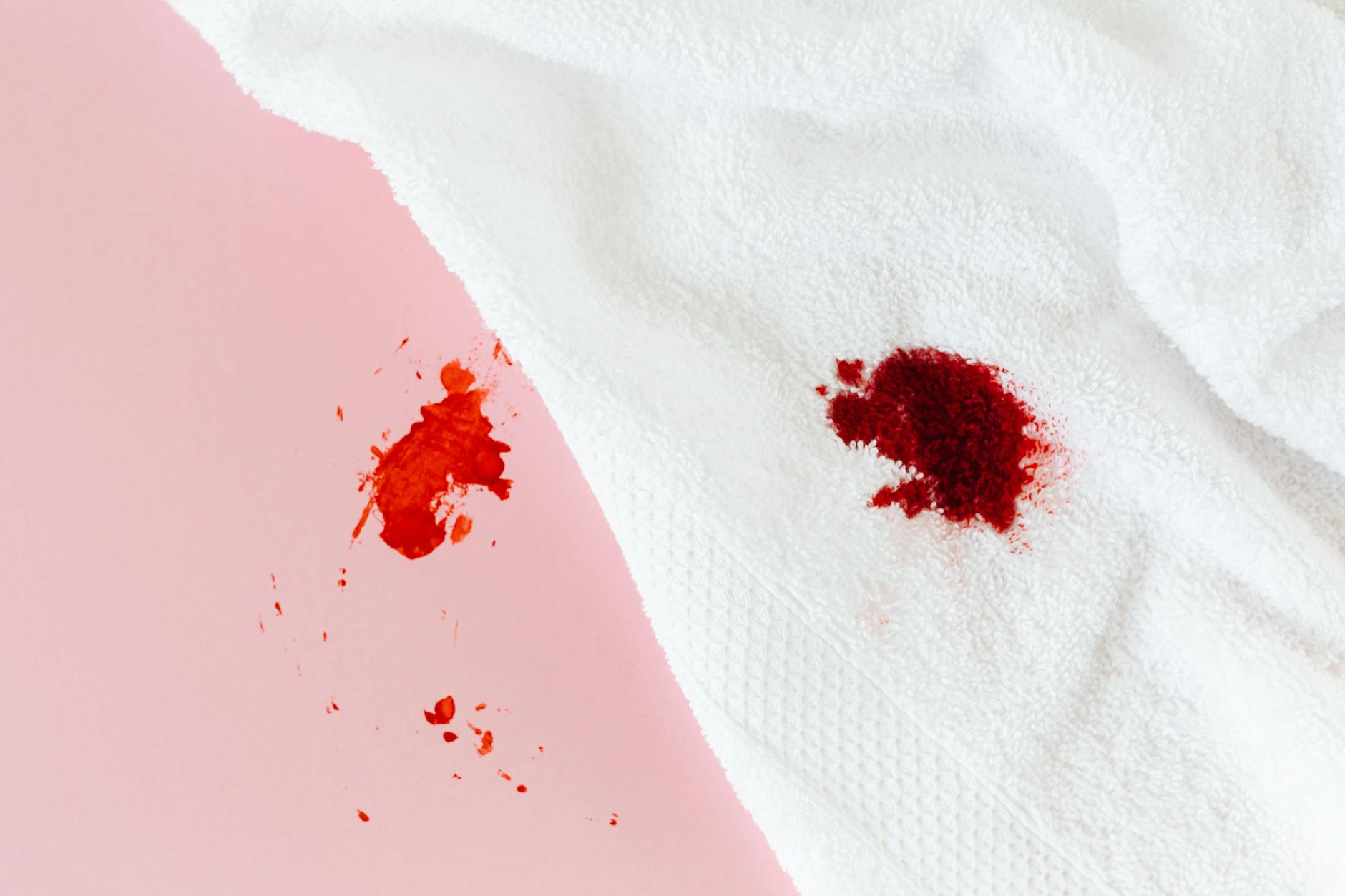
Pinpoint bleeding serves as a clinical endpoint guide, confirming that the microneedling needles have penetrated to the papillary dermis—approximately 0.5 to 1.5mm deep depending on your device and settings. This is the precise zone where collagen remodeling happens, making bleeding a useful marker that you’ve reached therapeutic depth. Think of it like a depth gauge: the bleeding tells your dermatologist, “we’re at the right level for this type of scar,” the same way a thermometer confirms water is hot enough to brew tea.
However, the absence of bleeding doesn’t mean you’ve failed to reach therapeutic depth or that your results will be compromised. Some patients bleed minimally due to their skin’s vascular response, previous treatments, or medication use (like blood thinners). Others bleed readily from even shallow passes. A 2023 systematic review of microneedling outcomes found that patients experienced significant scar improvement regardless of whether pinpoint bleeding occurred—the collagen induction process activated either way.
How Does Bleeding Trigger the Collagen Production That Heals Acne Scars?
When microneedling creates these micro-injuries and triggers bleeding, your body interprets this as a wound and launches its standard healing cascade. Within hours, platelets aggregate, fibrin forms a temporary scaffold, and inflammatory signals recruit white blood cells and fibroblasts to the area. Those fibroblasts then begin synthesizing collagen types I, III, and VII—the structural proteins that fill in depressed acne scars and restore skin thickness. Research has demonstrated statistically significant increases in these collagen types following microneedling, with measurable improvements in skin texture within 6 to 8 weeks.
The bleeding response is particularly important because it accelerates this cascade; the trauma itself is the signal that triggers collagen production. However—and this is a critical “however”—you don’t need visible bleeding to activate collagen synthesis. Even microneedling without pinpoint bleeding stimulates fibroblasts through the puncture wounds themselves. The distinction is that bleeding may indicate deeper penetration and potentially more robust stimulation of deeper scar tissue, but shallow microneedling without bleeding still initiates repair.
Why Do Acne Scars Require Deeper Needle Penetration and Cause More Bleeding?
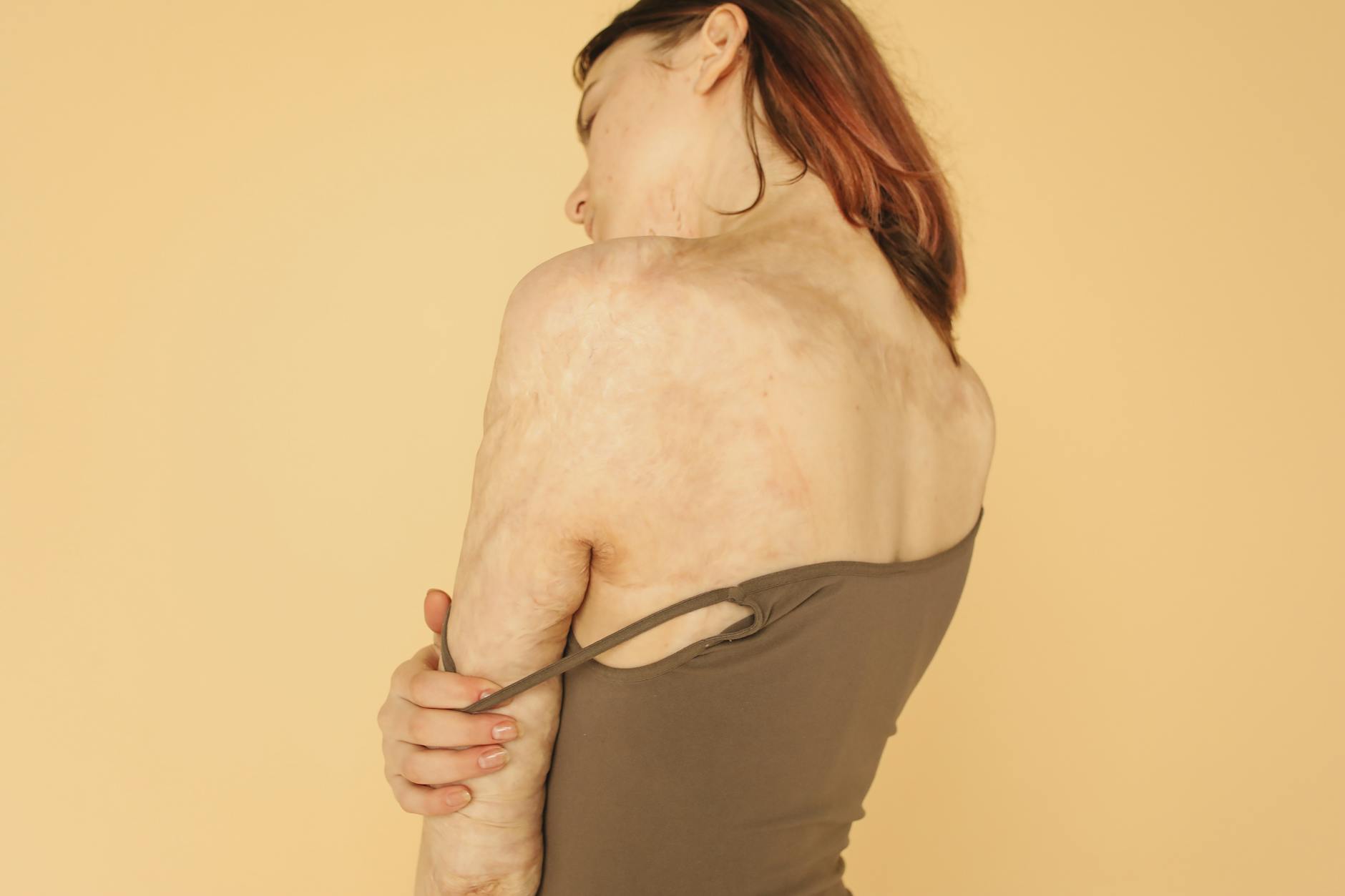
acne scars are atrophic—they’re depressions or indentations in the skin where collagen was destroyed during severe inflammation. Unlike surface-level concerns like fine lines or general skin texture, acne scars, especially pockmarks and rolling scars, require needles to penetrate deeper into the dermis to reach the base of the scar and stimulate meaningful filling-in. Surface-level treatments like light chemical peels or gentle microneedling with 0.5mm needles can address fine lines, but acne scars often demand 1.0mm to 1.5mm or deeper penetration.
This is why pinpoint bleeding is more commonly observed during acne scar microneedling than during sessions targeting early-stage lines or overall skin tone. When a practitioner works at that deeper level—by necessity—they’re more likely to encounter small blood vessels in the dermis. A patient undergoing microneedling for acne scars might see noticeably more bleeding than someone using the same device for fine lines, and that’s normal and expected rather than a sign of aggressive technique.
What Should You Expect During Your Acne Scar Microneedling Session?
When you arrive for acne scar microneedling, your practitioner will likely start with a numbing cream applied 20 to 30 minutes before the session, then cleanse your skin thoroughly. As the device moves across your scarred areas, you’ll feel pressure and vibration but minimal sharp pain due to the anesthetic. Within the first few passes—especially on deeper scars—you may notice the skin reddening and small dots of pinpoint bleeding appearing. The bleeding usually stays minimal; you won’t see dramatic bleeding like a scraped knee.
Instead, expect light oozing or surface blood that your practitioner will gently wipe away between passes. Some areas of your face may bleed while others don’t, and that variation is completely normal. After the session, your skin will be red and possibly swollen for 24 to 48 hours, with the redness typically subsiding within 3 to 5 days. Most patients can return to normal activities (minus intense exercise or direct sun exposure) within a few days, though some residual redness may persist for up to a week.
What If You Don’t Bleed? Does That Mean Your Treatment Isn’t Deep Enough?
Not necessarily. Some patients have vascular systems that respond less visibly to microneedling, or their practitioner may be using settings calibrated for gradual improvement over multiple sessions rather than maximum depth in a single pass. If your practitioner assessed your skin type, scar severity, and recovery capacity and chose not to chase bleeding, they may be following a conservative protocol designed to minimize downtime while still achieving results.
However, if you’re treating severe, deep acne scars, the absence of any pinpoint bleeding across multiple passes might warrant a conversation with your dermatologist. It could indicate that needle depth is insufficient, the device isn’t making proper contact with your skin, or your practitioner is intentionally working conservatively (which is valid). The key is understanding the plan: are you expecting gradual improvement over 6 sessions without significant bleeding, or deeper results with pinpoint bleeding over 3 sessions? Both approaches work; the difference is timeline and downtime.
How Long Until You See Acne Scar Improvement After Pinpoint Bleeding?
The timeline for acne scar improvement after microneedling is measured in months, not weeks, because collagen remodeling is slow. You’ll likely notice initial improvement within 4 to 6 weeks as inflammation settles and early collagen deposition occurs. By 3 months, most patients see 20 to 30% improvement in scar appearance and skin texture. Full results typically emerge around 6 months to a year, as the collagen matrix continues remodeling and strengthening.
Studies indicate that microneedling achieves 50 to 70% fade of acne scars overall, with all patients experiencing some measurable improvement. Importantly, this improvement continues gradually over months; you won’t wake up three days post-treatment with dramatically improved scars. The pinpoint bleeding during your session is the beginning of this process, but patience is essential. Multiple sessions—usually 3 to 6, spaced 4 to 6 weeks apart—are the standard protocol for effective post-acne atrophic scar reduction.
How Does Microneedling Compare to Other Acne Scar Treatments?
Microneedling has emerged as more effective than older gold-standard treatments like chemical peels and ablative laser therapy for acne scar reduction. Chemical peels address only the surface and can’t reach deep scar tissue; they also carry higher risk of hyperpigmentation in darker skin types. Ablative lasers (like CO2) vaporize skin and achieve results faster but involve longer downtime, higher cost, and significant risk of permanent pigmentation changes in people of color.
Microneedling offers a middle ground: it’s less invasive than ablative lasers, causes less post-inflammatory hyperpigmentation, works well across all skin types, and produces results comparable to or better than chemical peels for scar revision. The cost is typically moderate (per session), downtime is minimal, and the pinpoint bleeding that occurs is the mechanism driving improvement without the tissue destruction that lasers cause. This makes it a practical choice for most patients with acne scars who want meaningful results without extreme recovery periods.
Conclusion
Pinpoint bleeding after microneedling for acne scars is a positive clinical indicator that your needles reached the papillary dermis—the critical depth where collagen induction occurs. It confirms your treatment is penetrating deep enough to actually address the scar tissue rather than just the surface. However, the absence of visible bleeding doesn’t invalidate your treatment; microneedling works whether or not blood appears, and your results depend on the overall treatment plan, number of sessions, and your skin’s individual healing response.
To maximize results, expect to commit to multiple sessions spaced weeks apart, with improvement unfolding gradually over months rather than days. The pinpoint bleeding itself won’t hurt your recovery—it’s a sign of the healing cascade beginning. Work with a dermatologist or licensed aesthetician to establish realistic expectations, understand the timeline (6 months to a year for full results), and plan follow-up sessions as needed. With consistency and patience, microneedling can achieve 50 to 70% improvement in acne scars, making it one of the most effective options available for scar revision.