Post-inflammatory hyperpigmentation after laser treatment is treatable because the underlying cause isn’t permanent skin damage—it’s melanocyte overproduction. When laser energy injures skin, inflammatory cytokines and reactive oxygen species trigger melanocytes (your pigment cells) to overproduce melanin, but the melanocytes themselves remain intact and functional.
This fundamental difference means the condition is inherently reversible, whether through natural fading over time or with targeted treatment. For example, someone who develops dark marks after laser acne treatment isn’t dealing with a scarred or permanently altered pigmentation system; they’re dealing with cells that are temporarily working overtime and can be brought back into balance. This article explains why PIH is treatable, what recovery looks like, which treatments work best, and what factors affect your individual timeline.
Table of Contents
- Why Melanocyte Overproduction Makes Post-Inflammatory Hyperpigmentation Treatable
- Natural Fading Timeline and What to Expect Without Treatment
- Topical Treatments as Your First Line of Defense
- Laser Treatments for Stubborn or Extensive PIH
- Why Darker Skin Tones Require Special Attention
- Adjunctive Strategies to Accelerate Resolution
- Why Treatment Timelines Matter for Realistic Expectations
- Conclusion
Why Melanocyte Overproduction Makes Post-Inflammatory Hyperpigmentation Treatable
The reason PIH responds so well to treatment is rooted in its mechanism. Unlike true depigmentation (where melanocytes are destroyed or non-functional), post-inflammatory hyperpigmentation involves melanocytes that are fully functional but being overstimulated. The laser injury triggers inflammation, and that inflammatory environment directly signals melanocytes to pump out excessive melanin. The melanin sits in the outer layers of skin (epidermal PIH) or deeper layers (dermal PIH), creating dark marks or discoloration.
Crucially, because the melanocytes themselves haven’t been damaged, they can stop overproducing once the inflammatory stimulus is removed. This is why patients see improvement—the melanocytes aren’t broken; they just need to dial back production. If you develop PIH after a laser hair removal or laser acne treatment, your skin’s pigmentation system is still working normally, just in overdrive. The condition is fundamentally different from vitiligo or melasma, where the underlying pigmentation machinery has been compromised or is dysregulated at a deeper level. Once inflammation resolves and excess melanin is cleared or broken down, your skin can return to normal pigmentation.
Natural Fading Timeline and What to Expect Without Treatment
Even without any active treatment, post-inflammatory hyperpigmentation typically improves spontaneously over time, though the process requires patience. Fresh PIH appears as red or purple marks immediately after laser treatment (lasting 0-4 weeks), then transitions into a darker phase where the discoloration is most visible, typically between 1-6 months post-treatment. From 6 months onward, the marks gradually fade, with complete spontaneous resolution sometimes taking up to 2 years or longer depending on the severity and your skin type. The timeline isn’t the same for everyone—epidermal PIH (melanin in the outer skin layer) tends to improve more readily, while dermal PIH (melanin deposited deeper in the skin, usually from more severe inflammation) results in stubborn blue-gray discoloration that fades more slowly.
However, if you’re waiting for natural resolution, manage your expectations around sun exposure. Patients with prolonged post-laser redness and daytime sun exposure are at higher prognostic risk for developing more severe PIH or preventing it from fading as quickly. UV exposure can actually reactivate dormant melanin production, essentially resetting your timeline. This is why dermatologists emphasize strict sun protection—using SPF 30+ daily during PIH recovery isn’t optional if you want your skin to clear in a reasonable timeframe rather than potentially extending the process.
Topical Treatments as Your First Line of Defense
When natural fading isn’t fast enough or the marks are significant enough to warrant active treatment, topical options offer a proven first-line approach that many dermatologists recommend starting with. Hydroquinone, a skin-lightening agent available in 2% and 4% concentrations, has demonstrated noteworthy improvements in PIH. These formulations work by inhibiting the enzyme tyrosinase, which melanocytes need to produce melanin, essentially turning down the production dial. Some dermatologists also use pre-treatment protocols with topical triple combination creams (hydroquinone, tretinoin, and a mild corticosteroid) before laser procedures to decrease melanin production in advance, which reduces PIH occurrence in the first place.
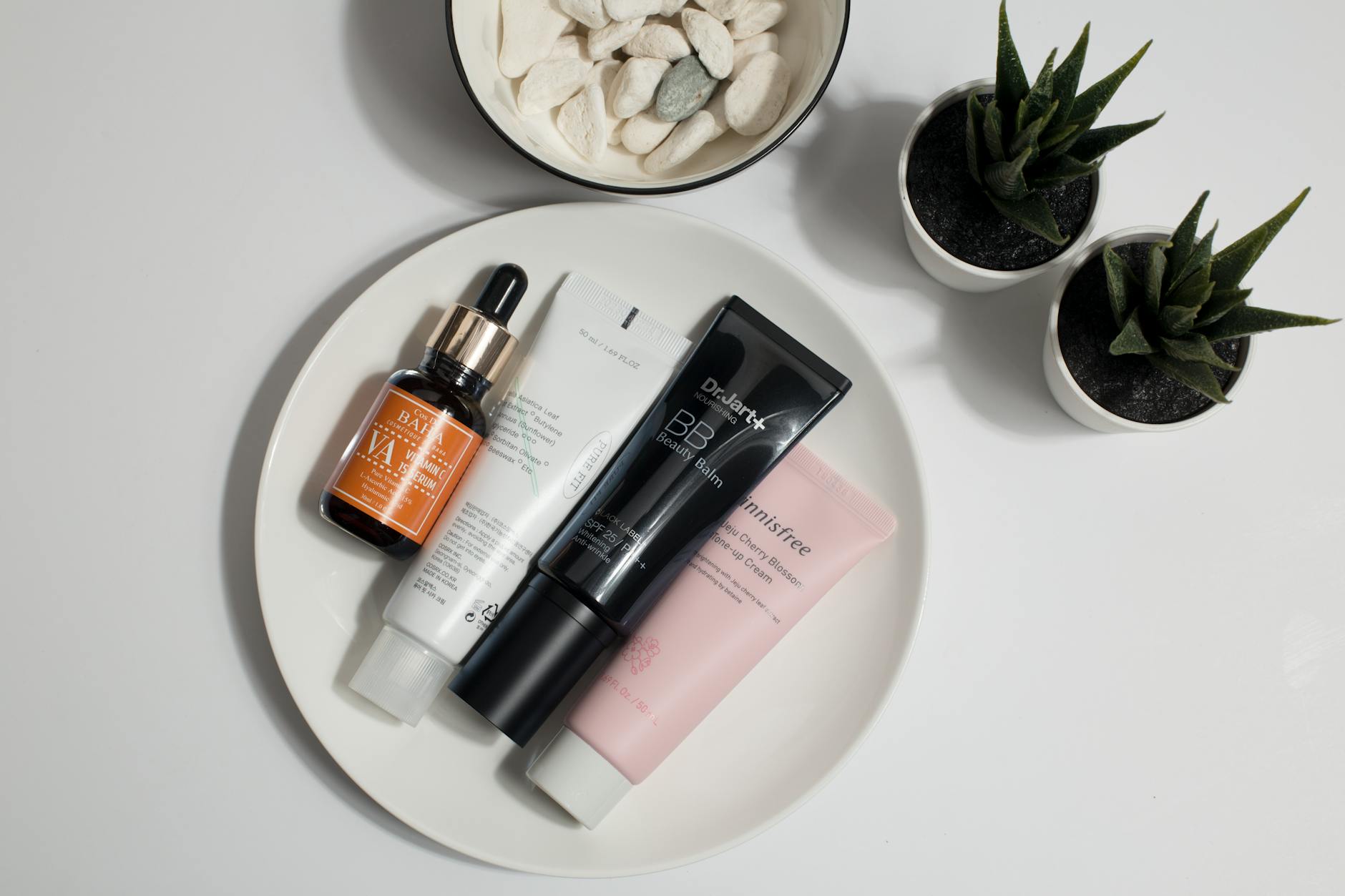
Beyond hydroquinone, other topical treatments can support PIH recovery. Vitamin C serums and niacinamide products offer antioxidant support, while tretinoin (a retinoid) can accelerate cell turnover and help flush out trapped melanin. Many patients use a combination approach—hydroquinone as the core treatment, supported by a tretinoin product in the evening and strict sun protection during the day. The limitation of topicals is that they work gradually, especially for deeper dermal PIH, so expectations around 3-6 months of consistent use before noticeable fading is realistic.
Laser Treatments for Stubborn or Extensive PIH
When topical treatments alone aren’t sufficient, specific laser systems have strong clinical evidence for PIH reduction. The Q-switched Nd:YAG laser at 1064 nanometers is the most extensively studied option, with pooled data from five clinical studies evaluating 110 patients showing significant PIH reduction. These studies reported that patients averaged 5.6 treatment sessions to see results, with outcomes breaking down as: 20% achieved excellent results (75-100% improvement), 75% achieved good results (50-74% improvement), and 5% achieved fair results (25-49% improvement). For many patients, this laser is the go-to choice specifically because it penetrates deep enough to address dermal PIH while being selective for melanin rather than causing additional skin damage.
The picosecond 755-nanometer Alexandrite laser offers another option, though data is more limited. Three studies with an average of 4 sessions per patient showed moderate to complete resolution in selected patients. Fractional laser systems (fractional CO2 and neodymium:yttrium-aluminum-garnet lasers) can serve as adjunctive treatments when topical therapy and standard lasers haven’t fully resolved the discoloration. A key distinction: laser treatment of established PIH typically requires 6-12 months to achieve desired depigmentation results, so patience is still necessary. The laser isn’t an instant fix; it accelerates the natural process that would take 2+ years down to a more manageable timeline.
Why Darker Skin Tones Require Special Attention
Post-inflammatory hyperpigmentation is significantly more common and severe in individuals with darker skin tones (Fitzpatrick skin types III-VI), which has important implications for laser selection and treatment planning. Darker skin contains more melanin baseline, so when melanocytes overproduce after laser injury, the visible discoloration is more pronounced and can be harder to resolve. Additionally, lasers that work well on lighter skin can sometimes cause additional pigmentation problems in darker skin if not chosen carefully—which is why the Q-switched Nd:YAG 1064-nanometer laser is often preferred in darker skin tones, as it’s less likely to cause paradoxical darkening (a worsening of PIH that can happen with some laser wavelengths in this population).
If you have darker skin and are considering laser treatment of any kind, this risk factor should inform your pre-treatment plan. Many dermatologists recommend starting topical pre-treatment 2-4 weeks before laser procedures to reduce melanocyte activity in advance, and using post-laser recovery protocols that include hydroquinone and strict sun avoidance. The good news is that the underlying treatability of PIH doesn’t change—melanocytes in darker skin are just as functional and responsive to treatment—but the margins for error are narrower, so working with a dermatologist experienced in treating skin of color makes a measurable difference in outcomes.
Adjunctive Strategies to Accelerate Resolution
Beyond topicals and dedicated PIH lasers, combining approaches often yields faster results than any single treatment alone. Some dermatologists recommend chemical peels with glycolic acid or salicylic acid between laser sessions, as these increase cell turnover and help eliminate surface melanin deposits more quickly. Microneedling with radiofrequency can also support PIH recovery by inducing controlled inflammation and collagen remodeling, though ironically this requires careful timing to avoid triggering additional PIH—it’s best done once inflammation from the original laser procedure has subsided. Another complementary approach is oral antioxidants, particularly those containing polyphenols or astaxanthin, though the clinical evidence here is mixed and should be viewed as supporting therapy rather than primary treatment.
Sun protection deserves its own mention as a non-negotiable adjunct therapy. Consistent use of broad-spectrum SPF 30+ (ideally SPF 50+) prevents UV from stimulating dormant melanocytes and literally extends the PIH recovery timeline. Patients who maintain excellent sun discipline while undergoing treatment see faster resolution than those who don’t, sometimes by months. This isn’t optional or nice-to-have; it’s foundational to any PIH treatment plan, particularly in summer months or in sunny climates.
Why Treatment Timelines Matter for Realistic Expectations
Understanding that PIH treatment is intrinsically slow helps set appropriate expectations and prevent frustration. Even the most effective treatments—Q-switched laser with topical hydroquinone support—typically require 6-12 months to achieve desired results. This isn’t because the condition isn’t treatable; it’s because the underlying mechanism (melanin clearance, cell turnover, and melanocyte regulation) simply happens at a biological pace that can’t be rushed.
Expecting visible improvement in 2-3 weeks or being disappointed that laser treatment alone didn’t resolve everything in one session are common patient frustrations that miss this reality. Looking forward, emerging treatments like combination approaches (laser plus topical plus light-based devices in coordinated sequences) and newer laser technologies continue to show promise for shortening timelines slightly. However, the fundamental constraint remains: you’re asking your skin to regulate melanin production and clear excess pigment, which is inherently a 6-12 month process even with active treatment. The silver lining is that post-inflammatory hyperpigmentation is nearly always responsive to sustained, appropriate treatment—it’s not a permanent condition, and the fading process, whether natural or accelerated, is predictable and reliable.
Conclusion
Post-inflammatory hyperpigmentation after laser treatment is treatable because it stems from melanocyte overproduction, not permanent damage. Your pigmentation cells are intact and functional; they’re just being overstimulated by inflammation. This fundamental difference means resolution is inevitable—it’s simply a matter of timeline and strategy. Whether you choose to wait for natural fading over 1-2 years or pursue active treatment with topical hydroquinone, laser therapy, or combination approaches that condense the timeline to 6-12 months, the outcome is the same: your skin will clear.
If you’re dealing with PIH after a laser procedure, start by consulting with a dermatologist who can assess the depth and severity of your discoloration (epidermal versus dermal), review sun protection protocols, and recommend topical treatment as a first-line approach. For patients with minimal improvement after 3-6 months of consistent topical therapy, laser treatments like Q-switched Nd:YAG have strong clinical evidence for acceleration. The key is understanding that patience and consistency—with sun protection as the non-negotiable foundation—are your biggest assets. PIH is treatable, you will see improvement, and dermatologic science now offers multiple pathways to get you there.