
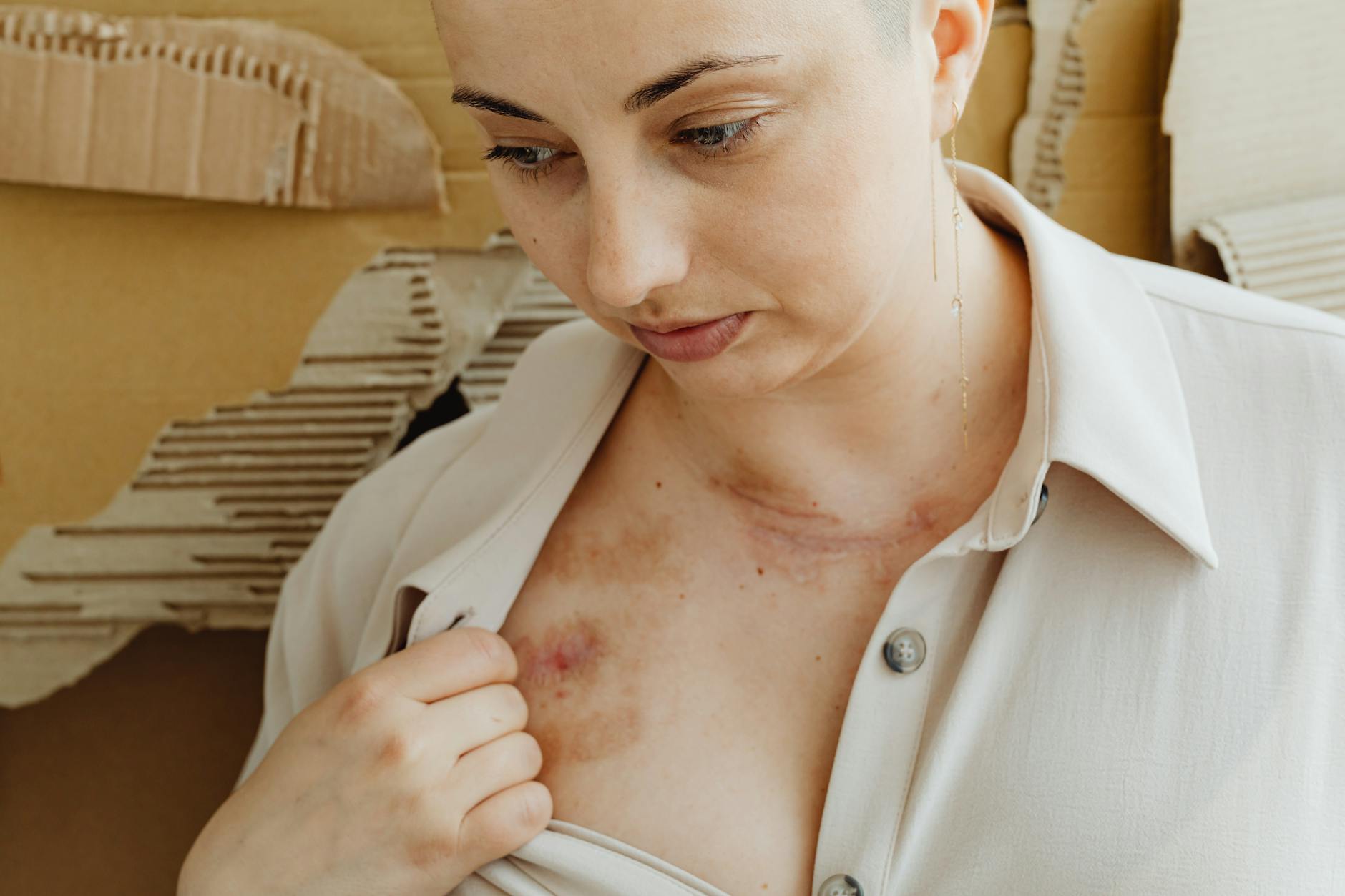
ProFractional XC is a fractional CO2 laser treatment that resurfaces the skin by creating controlled micro-injuries beneath the surface, triggering the body’s natural collagen production to fill in and smooth out deep acne scars. For someone with severe rolling or boxcar scars that have resisted topical treatments for years, ProFractional can visibly improve scar depth by 40-60% over a series of sessions, often producing results that dermatologists previously could achieve only through invasive surgical options like subcision or grafting. This article explains exactly how the technology works, what results you can realistically expect, who makes the best candidate, what the recovery looks like, and how it compares to newer laser alternatives.
The treatment works differently than surface-level laser resurfacing because it targets the deeper dermal layer where scar tissue has formed, stimulating fibroblasts to produce new collagen and essentially remodeling the scar structure from within. The “fractional” component means the laser treats only a fraction of the skin at a time, leaving surrounding tissue intact to support faster healing. ProFractional XC specifically delivers this fractional CO2 technology with improved precision and reduced pain compared to older fractional CO2 systems.
Table of Contents
- How ProFractional XC Stimulates Collagen in Scarred Skin
- What Types of Acne Scars Respond Best to ProFractional XC
- The Recovery Timeline and What to Expect Immediately After Treatment
- Comparing ProFractional XC to Other Laser Options for Deep Scars
- Risks, Limitations, and Who Should Not Have ProFractional XC
- Preparation and Medical Clearance Before Treatment
- What to Expect Months After Treatment and Long-Term Outcomes
- Conclusion
- Frequently Asked Questions
How ProFractional XC Stimulates Collagen in Scarred Skin
ProFractional XC uses a fractionated carbon dioxide laser that creates microscopic columns of thermal injury in the skin. These columns are spaced apart, so healthy skin between them acts as a reservoir for healing—the skin doesn’t attempt to heal a massive wound all at once. Instead, each small injury activates the body’s wound-healing response: inflammatory cells move in, fibroblasts are stimulated, and collagen synthesis ramps up over the following weeks and months. This process, called neocollagenesis, fills in the depressed scar tissue and gradually raises it toward the level of surrounding skin. The depth of injury is precisely controlled by the dermatologist’s settings, which is crucial when treating acne scars.
A scar from severe cystic acne might be 2-3 millimeters deep, requiring the laser to penetrate the dermis without damaging healthy fat or muscle below. ProFractional’s microbeam technology allows this precision—each beam is only about 100 micrometers wide but can be set to reach the exact depth where scar collagen needs to be disrupted. The result is that old, inelastic scar tissue gets partially ablated while new, organized collagen replaces it over time. Multiple sessions are required because collagen remodeling is gradual and the laser can only safely treat to a certain depth per session. Most people need 3-5 sessions spaced 6-8 weeks apart to see meaningful improvement in deep scars. Attempting to reach ideal results in one aggressive session would cause excessive downtime and higher risk of complications like permanent pigmentation changes.
What Types of Acne Scars Respond Best to ProFractional XC
ProFractional XC works most effectively on atrophic scars—the depressed, “pitted” type that results when acne damages collagen and the skin heals with a deficit of tissue. This includes rolling scars (broad, undulating depressions), boxcar scars (sharp, angular indentations), and ice pick scars (narrow, deep punctures). It is far less effective on hypertrophic or keloid scars, which are raised above the skin surface and result from excess collagen formation rather than loss. For someone with predominantly rolling scars from teenage acne, ProFractional can be transformative; for someone with a single severe ice pick scar mixed with hypertrophic tissue, the results will be more limited. The severity of the scarring matters too.
mild to moderate scars—where the depressed areas are 1-2 millimeters below the surrounding skin—typically show 50-70% improvement over a complete series. Severe, deep scars can improve noticeably but rarely reach 100% resolution because the body can only regenerate so much collagen, and there’s a physical limit to how much elevation is possible without surgical techniques like subcision. Someone with severe crater-like scars over a large area of their face might combine ProFractional with other treatments (like subcision first, then ProFractional to refine the result) for better outcomes. Skin tone and type also influence candidacy. While ProFractional can be used on darker skin, there’s a higher risk of post-inflammatory hyperpigmentation or, conversely, hypopigmentation if settings aren’t carefully adjusted. Fitzpatrick skin types IV-VI require either lower energy settings (which may mean less dramatic results per session) or strategic spacing of treatments to allow the skin to fully return to baseline pigmentation between sessions before the next treatment.
The Recovery Timeline and What to Expect Immediately After Treatment
Immediately after ProFractional XC treatment, the skin looks and feels like it has a moderate sunburn—it’s red, swollen, and warm. The treated area may weep a clear fluid or scabbing may begin within hours. Unlike non-fractional CO2 lasers that ablate the entire epidermis and require weeks of visible healing, ProFractional’s fractional approach means the skin typically shows significant improvement within 7-10 days, though full collagen remodeling continues for 3-6 months after each session. The first week is the most intense. Days 1-3, the skin is noticeably red and swollen, with possible pinpoint bleeding or seeping.
Some dermatologists prescribe topical antivirals and strict wound care (gentle cleansing, antibacterial ointment) to prevent infection and promote optimal healing. By day 5-7, a light crust or scale forms as the top layer of skin sheds. This is completely normal and should not be forcibly removed; picking at the skin significantly increases scarring risk. Most people can return to light activity by day 7-10, though the skin will still appear slightly pink and may feel tight or sensitive. Week 2-4 involves continued redness that gradually fades, though residual pinkness can persist for 4-6 weeks depending on how intense the treatment was and individual healing factors. The critical limitation here is that sun exposure during healing can cause permanent hyperpigmentation—strict SPF 50+ sunscreen use and sun avoidance are not optional during recovery, they are essential to prevent trading acne scars for laser-induced dark spots.

Comparing ProFractional XC to Other Laser Options for Deep Scars
ProFractional XC is a fractional CO2 laser, which means it’s more aggressive than fractional erbium:glass (Er:Glass) or fractional yttrium aluminum garnet (YAG) lasers, but less aggressive than full-field CO2 resurfacing (which was the gold standard decades ago but is rarely used now). Fractional Er:Glass lasers cause less downtime, minimal crusting, and faster healing—making them attractive to people who can’t take time off work—but they penetrate less deeply and are less effective for severe atrophic scars. A person with mild rolling scars and a busy schedule might be a better candidate for fractionated Er:Glass; someone with deep boxcar scars and flexibility for downtime would see better results with ProFractional CO2. Newer technology like radiofrequency microneedling (RF microneedling) or plasma-based treatments offer even less downtime than fractional lasers, but clinical evidence shows they don’t achieve the same dramatic scar improvement for severe atrophic scarring.
They are better suited to mild-to-moderate scars and those who cannot tolerate 1-2 weeks of visible redness. The tradeoff is clear: more aggressive treatment (fractional CO2) = more downtime but better results for deep scars; gentler treatment (RF microneedling, fractionated Er:Glass) = less downtime but less dramatic improvement. A direct comparison: someone with severe rolling scars treated with fractional Er:Glass might see 20-30% improvement per session with minimal crusting. The same person treated with ProFractional CO2 would likely see 40-60% improvement per session but with 1-2 weeks of visible crusting and peeling. Over a 4-session series, the CO2 patient would typically have superior final results, though they invest significantly more recovery time.
Risks, Limitations, and Who Should Not Have ProFractional XC
ProFractional XC carries real risks that must be weighed against benefits. Post-inflammatory hyperpigmentation—darkening of the treated skin—is the most common complication, affecting 10-20% of patients, with higher rates in darker skin types. This usually fades over months with strict sun protection, but it’s frustrating when the goal was to improve skin appearance. Post-inflammatory hypopigmentation is less common but potentially permanent, appearing as lighter patches where the laser treated the skin. Infection is possible but rare when proper post-treatment care is followed; however, anyone with a history of cold sores (herpes simplex) must take oral antivirals before and after treatment to prevent a severe viral reactivation.
Scarring from the laser itself can occur if healing is disrupted by picking, inadequate sun protection, or underlying healing disorders. ProFractional should be avoided or approached very cautiously in people with active acne (treating active inflammation with an ablative laser can worsen outcomes), keloid tendencies, darker skin without experienced provider oversight, or unrealistic expectations about complete scar erasure. The treatment’s effectiveness also plateaus. After 4-6 sessions, additional treatments show diminishing returns because you’ve stimulated as much collagen remodeling as the skin can realistically achieve. At this point, the remaining scar depth reflects the physical limit of what the body can regenerate, and further improvement might require surgical techniques (subcision, punch excision) rather than laser.

Preparation and Medical Clearance Before Treatment
Proper preparation significantly improves outcomes and reduces complications. Ideally, someone beginning a ProFractional XC series should stop tretinoin or retinoid products 3-5 days before treatment (retinoids thin the epidermis slightly, which can affect how the laser is tolerated), and avoid any other potentially sensitizing products like vitamin C, niacinamide, or active acne treatments in the week prior.
A broad-spectrum sunscreen regimen should already be in place before the first session. If you have a history of herpes simplex, discuss prophylactic antiviral medication with your dermatologist—you’ll take it the day before treatment and for several days after to prevent viral reactivation, which can cause significant infection and scarring. For people taking isotretinoin (Accutane) for severe acne, ProFractional should wait until at least 6-12 months after completing the course, as isotretinoin affects healing and makes skin more reactive to aggressive treatments.
What to Expect Months After Treatment and Long-Term Outcomes
The dramatic improvement in acne scars unfolds gradually over months, not weeks. The immediate post-treatment redness fades by 4-6 weeks, but the deeper remodeling—the actual filling in of scarred tissue with new collagen—continues for 3-6 months per session. Many patients report that their scars look noticeably better by month 3 after a single session, and substantially better by month 6. The final result becomes apparent only after the full series is complete and all collagen remodeling has plateaued, typically 6-12 months after the final session.
Long-term, ProFractional results are generally durable. The newly generated collagen remains, and the scars don’t “reappear” or worsen. However, further acne in the treated areas can create new scars, so ongoing acne management (topical retinoids, benzoyl peroxide, or systemic treatments if needed) is important to prevent undoing the cosmetic gains. The skin does age over time, and some patients report that their scars appear slightly more noticeable years later simply because the surrounding skin has aged, but the absolute improvement from ProFractional is maintained.
Conclusion
ProFractional XC is an effective, evidence-based treatment for deep atrophic acne scars, delivering measurable improvement through controlled laser-induced collagen remodeling. It works best on rolling and boxcar scars, requires multiple sessions spaced weeks apart, and demands commitment to post-treatment care—especially sun protection—to avoid complications. The tradeoff is real: significant downtime and visible crusting for 1-2 weeks per session, balanced against 40-60% improvement in scar depth for severe scarring that might otherwise require surgical intervention.
If you’re considering ProFractional XC, work with a dermatologist experienced in laser treatment who can assess your specific scar type, skin tone, and healing history. Realistic expectations—understanding that improvement is gradual and that some scars may not completely resolve—will help you appreciate the genuine benefits this technology offers without disappointment. For many people with deep acne scars that have resisted other treatments, ProFractional represents a meaningful step toward clearer, smoother skin.
Frequently Asked Questions
How many sessions of ProFractional XC do I need?
Most people require 3-5 sessions spaced 6-8 weeks apart for optimal results. Some see meaningful improvement after 2 sessions; others benefit from a 6th session for stubborn or very deep scars. Your dermatologist will assess progress after each session to determine if additional treatments are needed.
Can ProFractional XC treat all types of acne scars?
ProFractional works best on atrophic (depressed) scars like rolling, boxcar, and ice pick scars. It is not effective on hypertrophic or keloid scars, which are raised above the skin and require different treatment approaches. A mix of scar types may need combined treatments.
Will my skin look normal again immediately after treatment?
No. Expect visible redness and possible crusting for 1-2 weeks after each session. Most people can return to normal activities by day 10-14, though some residual pinkness may linger for 4-6 weeks. Full results appear over 3-6 months as collagen remodels.
Is ProFractional XC safe for darker skin tones?
ProFractional can be safely used on darker skin, but it requires a dermatologist experienced with laser treatment in people with higher Fitzpatrick types. The risk of post-inflammatory hyperpigmentation is higher, so lower energy settings or longer intervals between sessions may be needed.
How much does ProFractional XC cost?
Cost varies by location and provider, typically ranging from $1,500 to $4,000 per session. Since most people need 3-5 sessions, the total cost is $4,500 to $20,000 depending on the extent of scarring and treatment intensity. Insurance rarely covers it.
What happens if I go in the sun during recovery?
Sun exposure during the healing phase (first 2-4 weeks after treatment) can cause permanent hyperpigmentation, creating dark spots where the laser treated. This is why strict SPF 50+ sunscreen use and sun avoidance are critical—you want to improve scars, not trade them for pigmentation problems.