
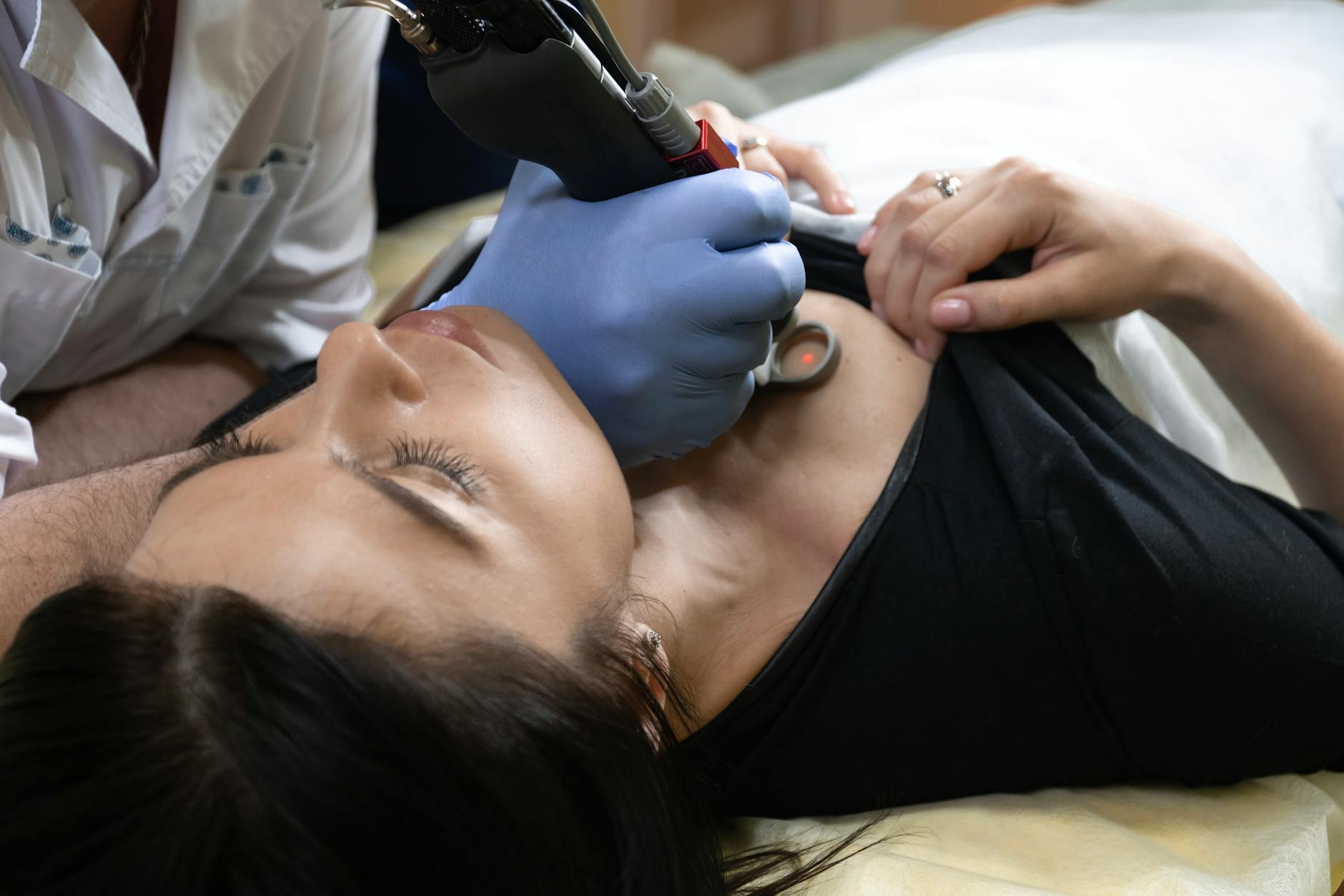
Cutera Laser Genesis works to diffuse acne redness by using a 1064 nm Nd:YAG non-ablative laser to deliver controlled thermal energy into the upper dermis, where it targets the tiny blood vessels and capillaries that cause persistent post-inflammatory redness. When acne heals, inflammation often leaves behind broken blood vessels and excessive redness in the skin—these are the visible remnants that frustrate people long after active breakouts resolve. Laser Genesis specifically breaks down these vascular structures so the blood trapped beneath the skin surface dissipates naturally, reducing the redness over time.
Beyond vascular targeting, the heat also stimulates collagen regeneration in deeper skin layers, further improving texture and tone. This article explores how Laser Genesis technology works, why it’s FDA-approved for acne treatment, what timeline you can expect for results, and how it compares to other redness-reduction approaches. We’ll also cover the limitations, what happens if you combine it with other treatments, and who makes the best candidate for this type of therapy.
Table of Contents
- How Does Cutera Laser Genesis Target the Capillaries Causing Acne Redness?
- The Science Behind Non-Ablative Laser Therapy for Post-Acne Redness
- How Laser Genesis Addresses Root Causes Beyond Just Surface Redness
- What Results Can You Expect From Laser Genesis Treatments?
- When Laser Genesis May Not Work Well or Has Real Limitations
- Combining Laser Genesis With Other Acne and Redness Treatments
- The Long-Term Outlook for Laser Genesis in Acne Care
- Conclusion
How Does Cutera Laser Genesis Target the Capillaries Causing Acne Redness?
Acne redness comes in two main forms: active inflammation during a breakout, and post-inflammatory redness that lingers after the blemish heals. The persistent kind—which is what frustrates most people—happens because acne triggers blood vessel dilation and inflammation in the dermis. Over time, some of these vessels remain dilated or become structurally damaged, creating a visible red tone. laser Genesis addresses this by delivering precise thermal energy that heats these tiny capillaries to the point where they break down and your body naturally reabsorbs them. The 1064 nm wavelength is specifically chosen because it penetrates deep enough to reach these vascular structures without damaging the skin’s surface.
Unlike ablative lasers that remove the outer layer of skin, Laser Genesis works beneath the surface, making it a true non-invasive treatment with no downtime. You can have a session during lunch and return to work without visible marks or peeling. The heat is carefully controlled so it stimulates a beneficial response—collagen production and vascular restructuring—without causing collateral damage to healthy surrounding tissue. A patient with persistent redness from acne that healed months ago might see a noticeable improvement after just 2–3 sessions, though full results typically require 4–6 treatments spaced about a week apart. This is because the body takes time to reabsorb the broken-down vascular structures and produce new collagen. The timeline varies depending on how deep the redness is rooted and how responsive your skin is to thermal stimulation.
The Science Behind Non-Ablative Laser Therapy for Post-Acne Redness
Non-ablative lasers work on a principle called selective photothermolysis—the idea that certain wavelengths of light are absorbed preferentially by specific skin targets. In Laser Genesis’s case, the 1064 nm wavelength is absorbed by hemoglobin (the protein that makes blood red) and melanin, but it’s gentle enough that it doesn’t destroy the full thickness of skin layers. Instead, it creates controlled micro-damage in the dermis that prompts the body’s natural healing cascade: increased collagen synthesis, improved skin elasticity, and gradual remodeling of scarred or inflamed tissue. This thermal stimulation is why patients often see a dual benefit from Laser Genesis—reduced redness from vascular breakdown, and improved texture from collagen regeneration.
However, it’s important to understand that this mechanism works best on post-inflammatory redness and early textural scars, not on active bacterial acne itself, although the heat does kill some acne-causing bacteria in the process. If you have active cystic acne, Laser Genesis alone won’t clear the breakouts; you’d need concurrent topical or oral acne medication to address the active infection. The laser becomes more valuable once the acne is controlled and you’re left with the cosmetic aftermath—the lingering redness and mild scarring. Recent clinical data confirms that laser-based therapies, including Laser Genesis, are established treatments for acne vulgaris across diverse skin types, which is why dermatologists often recommend it as part of a comprehensive acne recovery plan. The 70–80% improvement in skin texture reported after multiple sessions reflects both the vascular improvement and the collagen response, though individual results vary based on skin depth, starting severity, and healing capacity.
How Laser Genesis Addresses Root Causes Beyond Just Surface Redness
While redness reduction is the headline benefit, Laser Genesis also tackles two underlying acne drivers: bacterial overgrowth and sebaceous gland overactivity. The thermal energy penetrates deep enough into the skin’s cellular layer to create an environment hostile to acne-causing bacteria, helping prevent future breakouts. Additionally, the heat causes overactive oil glands (sebaceous glands) to temporarily shrink and produce less sebum, which directly reduces pore clogging and new comedone formation. This multi-target approach is why Laser Genesis is FDA-approved for treatment of mild to moderate inflammatory acne vulgaris, not just for cosmetic redness correction.
In practice, this means a patient treating post-acne redness with Laser Genesis may also experience fewer new breakouts and less oiliness during and after the treatment course. However, this improvement is typically temporary—lasting 6–12 months—so patients who have severe ongoing sebum production often need maintenance sessions or complementary skincare management (like retinoids or topical acne medications) to sustain results. The oil gland reduction is a side benefit, not a permanent restructuring, so if your acne was driven by hormonal factors or severe bacterial resistance, Laser Genesis alone may not be a complete solution. For someone with acne-prone, oily skin, the combination of reduced redness, fewer breakouts, and less oiliness during treatment can feel transformative. However, once the effects fade, the underlying cause of acne (if it’s hormonal or genetic) may reassert itself, which is why dermatologists often recommend pairing Laser Genesis with ongoing preventive skincare or medication.

What Results Can You Expect From Laser Genesis Treatments?
The timeline for Laser Genesis results is fairly consistent: most patients begin seeing noticeable improvements in redness after 4–6 treatment sessions spaced approximately one week apart. Full results—the most dramatic softening of redness and texture—typically become visible 2–4 weeks after the final session, as collagen continues to regenerate and vascular structures fully remodel. This means the entire treatment course takes roughly 6–8 weeks from start to peak improvement, which is relatively fast compared to other professional redness treatments like chemical peels or microneedling. The 70–80% improvement in skin texture that dermatologists report doesn’t mean total eradication of redness, especially if the original redness was severe or if you have naturally reactive skin.
Instead, it means a substantial visible reduction—the kind that makes a noticeable difference in photos or in-person but may not achieve 100% normalization. Someone with mild post-inflammatory redness might see near-complete clearance, while someone with deeper vascular damage or extensive scarring might plateau at 60–70% improvement and need additional treatments (like a combination approach with microneedling or other modalities) to push further. Once you’ve completed the initial course, results typically last 6–12 months, after which redness may gradually return as the body’s vascular structures reorganize and collagen breakdown resumes naturally with aging. Many patients return for maintenance sessions 1–2 times per year to sustain results. The non-invasive nature and no-downtime requirement make these maintenance visits manageable compared to more aggressive treatments, so long-term sustainability is usually straightforward for committed patients.
When Laser Genesis May Not Work Well or Has Real Limitations
Laser Genesis is less effective on very deep or severe vascular redness, such as that seen in rosacea or extensive post-surgical scarring. The wavelength and thermal penetration can address superficial-to-moderate vascularity but may not reach the extensive vascular malformations that create the deepest red tones. If your acne redness is accompanied by significant textural pitting or atrophy (indented scars), Laser Genesis alone may leave some of the textural component unaddressed, since the thermal mechanism works best on redness and mild surface irregularities rather than on deep indentations. Additionally, Laser Genesis requires multiple sessions spaced closely together, which demands commitment and scheduling flexibility.
Patients with very busy schedules or those uncomfortable with repeated clinic visits may find the multi-week treatment course burdensome. The cost can also be a barrier—a full course of 4–6 sessions can range from several hundred to over a thousand dollars depending on the practice, and insurance typically doesn’t cover cosmetic acne redness treatment (though it may cover acne treatment itself if medically indicated). There’s also a subset of people whose skin simply doesn’t respond robustly to thermal stimulation—some individuals have slower collagen production or less reactive vasculature, and they may see only modest improvement even after completing the full course. This is why a consultation with a dermatologist beforehand is essential; they can assess your skin type, the depth of your redness, and whether Laser Genesis is likely to deliver meaningful results for your specific situation.
Combining Laser Genesis With Other Acne and Redness Treatments
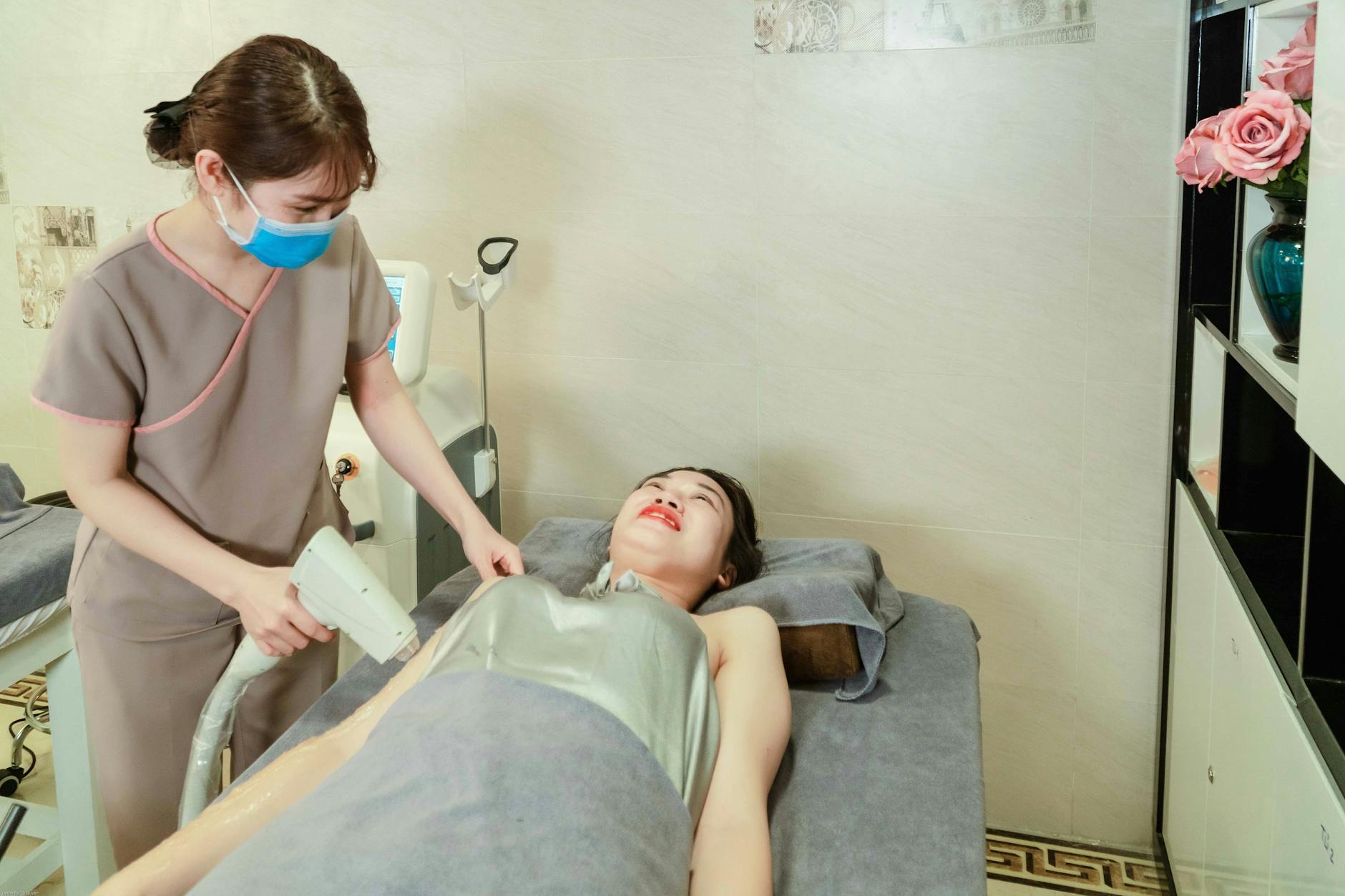
Many dermatologists recommend combining Laser Genesis with complementary treatments for better results. For example, pairing Laser Genesis with a retinoid (like tretinoin or adapalene) can amplify collagen production and skin cell turnover, potentially enhancing the redness reduction and texture improvement. Medical-grade skincare—including vitamin C serums, sunscreen, and niacinamide-based products—can support the skin barrier and reduce inflammation during the treatment course, helping you see faster and more dramatic improvements.
If your acne redness is accompanied by significant textural scarring, some practices combine Laser Genesis with microneedling in the same session or alternating sessions to address both the vascularity and the scar depth. Microneedling creates more aggressive collagen induction, which can fill in mild-to-moderate indented scars that Laser Genesis alone might not fully address. Results are often noticeably better with combination approaches, though the downtime and cost increase accordingly. This is where a skilled dermatologist’s guidance is invaluable—they can design a treatment plan tailored to your specific constellation of acne sequelae.
The Long-Term Outlook for Laser Genesis in Acne Care
As acne treatment has evolved, laser and light-based therapies have become increasingly mainstream and evidence-based. Recent clinical reviews from 2024–2025 confirm that laser-based therapies are established, effective treatments for acne vulgaris across diverse skin types, which means Laser Genesis is now considered part of the standard dermatologic toolkit rather than an experimental procedure. This growing acceptance reflects decades of safety data and consistent clinical results, so the treatment is unlikely to fall out of favor.
Looking ahead, Laser Genesis remains a valuable option as part of a comprehensive acne recovery strategy. The shift in dermatology is moving away from single-modality treatments toward layered, personalized approaches that combine in-office procedures with medical-grade skincare and sometimes systemic medications. For anyone dealing with post-acne redness, Laser Genesis fits neatly into this paradigm—it directly addresses the vascular component while also nudging collagen and sebaceous gland function in favorable directions. As more patients seek non-invasive, no-downtime solutions to cosmetic acne aftermath, Laser Genesis’s accessibility and tolerability will likely keep it at the forefront of redness-reduction options.
Conclusion
Cutera Laser Genesis helps diffuse acne redness by using 1064 nm thermal energy to break down the dilated blood vessels and capillaries that create persistent post-inflammatory redness. The mechanism is straightforward: controlled heat penetrates the dermis, vascular structures are damaged and reabsorbed, collagen regenerates, and redness gradually subsides over weeks. With FDA approval for mild to moderate inflammatory acne vulgaris and documented 70–80% improvement in skin texture after a standard course of 4–6 sessions, Laser Genesis is an evidence-based option for anyone frustrated with lingering acne redness.
If you’re considering this treatment, consult a dermatologist to confirm that your redness is the right type for laser therapy and that your skin will likely respond well. Pair the treatment with medical-grade skincare and sun protection for best results, plan for maintenance sessions 1–2 times yearly to sustain benefits, and set realistic expectations—Laser Genesis is powerful for redness, but it’s not magic, and severe textural scarring may require additional modalities. For most people with post-acne redness, however, the non-invasive nature, lack of downtime, and consistent results make Laser Genesis a genuine solution worth exploring.