

Laser Genesis uses a 1064 nm Nd:YAG laser to treat active acne and redness by penetrating the dermis—the middle layer of your skin—without damaging the outer epidermis. The laser works on two fronts: its heat is absorbed by hemoglobin in dilated blood vessels, causing them to constrict and eventually dissolve, while simultaneously killing acne-causing bacteria beneath the skin and stimulating collagen and elastin production. For someone struggling with persistent acne flare-ups paired with facial redness, this combination of bacterial reduction and vessel healing can produce noticeable improvements where topical treatments have stalled.
The FDA has cleared Laser Genesis (the xeo laser system) specifically for treating mild to moderate inflammatory acne vulgaris, making it a legitimate clinical option rather than an experimental procedure. Unlike more aggressive laser treatments, Laser Genesis is considered very low-risk, with temporary redness as the most common side effect—usually fading within a few days. This article covers how the technology works, what results you can realistically expect, the treatment timeline, and whether Laser Genesis is the right choice for your skin concerns.
Table of Contents
- How Laser Genesis Targets Both Active Acne Bacteria and Facial Redness
- Clinical Results and the Timeline for Visible Improvements
- What Happens During a Laser Genesis Treatment and Recovery
- Comparing Laser Genesis to Other Acne and Redness Treatments
- When Laser Genesis May Not Be Sufficient and Important Limitations
- Maintaining Results After Your Treatment Course Ends
- The Future of Laser Treatment for Acne and Redness
- Conclusion
How Laser Genesis Targets Both Active Acne Bacteria and Facial Redness
The mechanics of laser Genesis address two distinct problems at once, which is why dermatologists often recommend it for patients with concurrent acne and redness. When the 1064 nm wavelength penetrates the dermis, it generates controlled heat that kills the bacteria responsible for inflammatory acne while stimulating your skin’s natural healing response through increased collagen and elastin production. The same laser energy that targets those bacteria also works on the vascular component—the heat is absorbed by hemoglobin in your dilated capillaries, causing them to constrict and eventually dissolve.
This is why the treatment is effective not just for active breakouts but also for persistent facial redness from rosacea, post-inflammatory erythema (the red marks left behind after acne heals), and general facial flushing. The advantage of addressing both problems simultaneously is that you’re not juggling separate treatments for your acne and your redness. However, this dual-action approach works best for mild to moderate acne. If you have severe cystic acne or widespread nodular breakouts, Laser Genesis may need to be combined with other treatments, and your dermatologist should evaluate whether it’s appropriate for your specific acne severity before proceeding.
Clinical Results and the Timeline for Visible Improvements
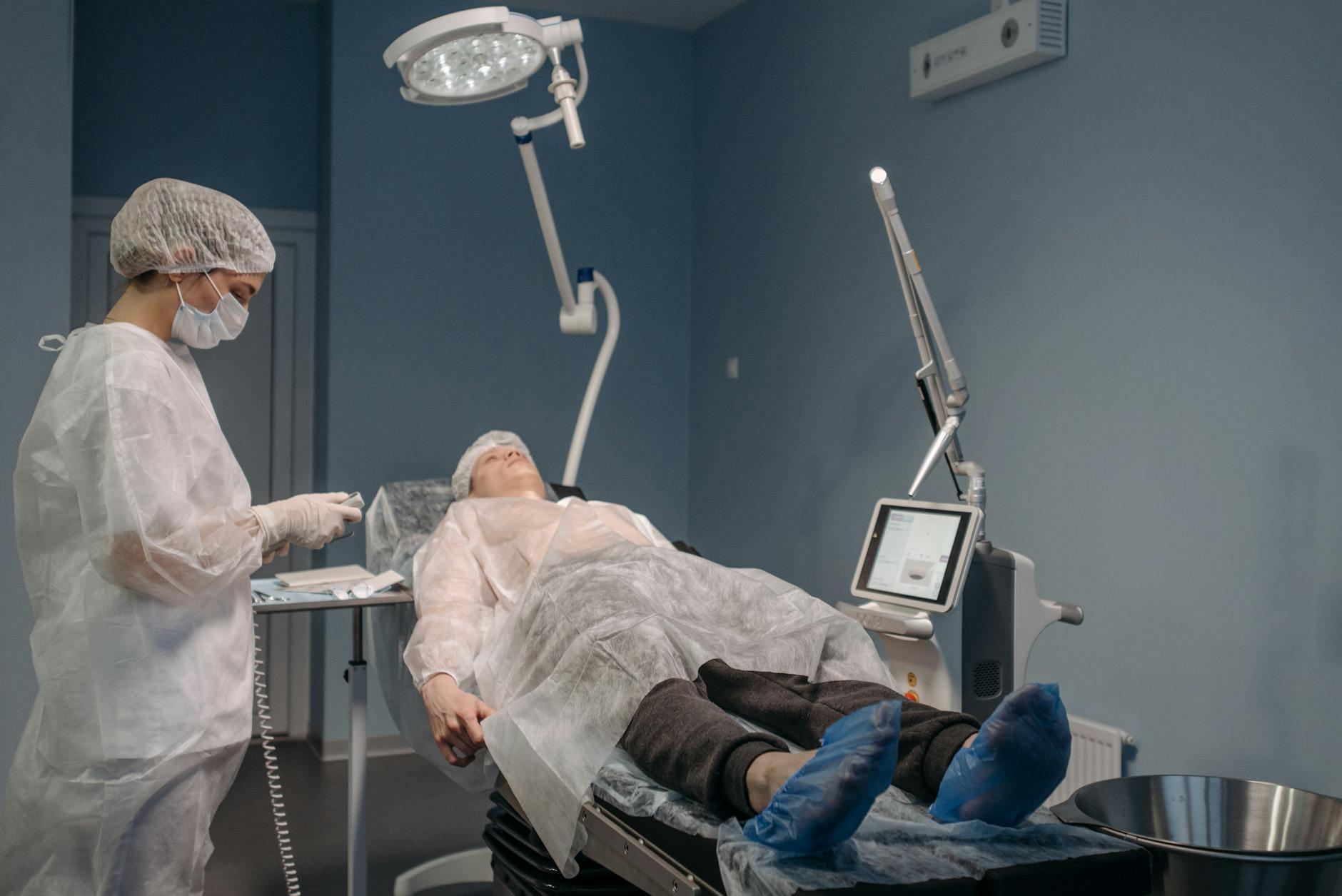
Studies show that 70 to 80 percent of participants reported visible improvements in skin texture and redness after completing a standard 6-treatment course. This isn’t a one-and-done procedure—Laser Genesis requires a series of sessions spaced 2 to 4 weeks apart to build cumulative results. Most patients notice initial improvements after 4 to 6 sessions, but the most significant improvements typically appear 3 to 6 months after the treatment course begins. This delayed peak means that your skin will continue improving even after your final appointment, as collagen remodeling continues beneath the surface.
The extended timeline is important to understand upfront: if you’re expecting dramatic redness reduction after your first or second treatment, you may be disappointed. The protocol is designed for gradual, sustained improvement rather than immediate transformation. Additionally, results aren’t permanent—the effects typically last 6 to 12 months with ongoing personalized skincare, which means maintenance treatments may be needed to sustain your improvements. If you’re someone who prefers quick fixes, Laser Genesis requires patience and commitment to the full treatment schedule.
What Happens During a Laser Genesis Treatment and Recovery
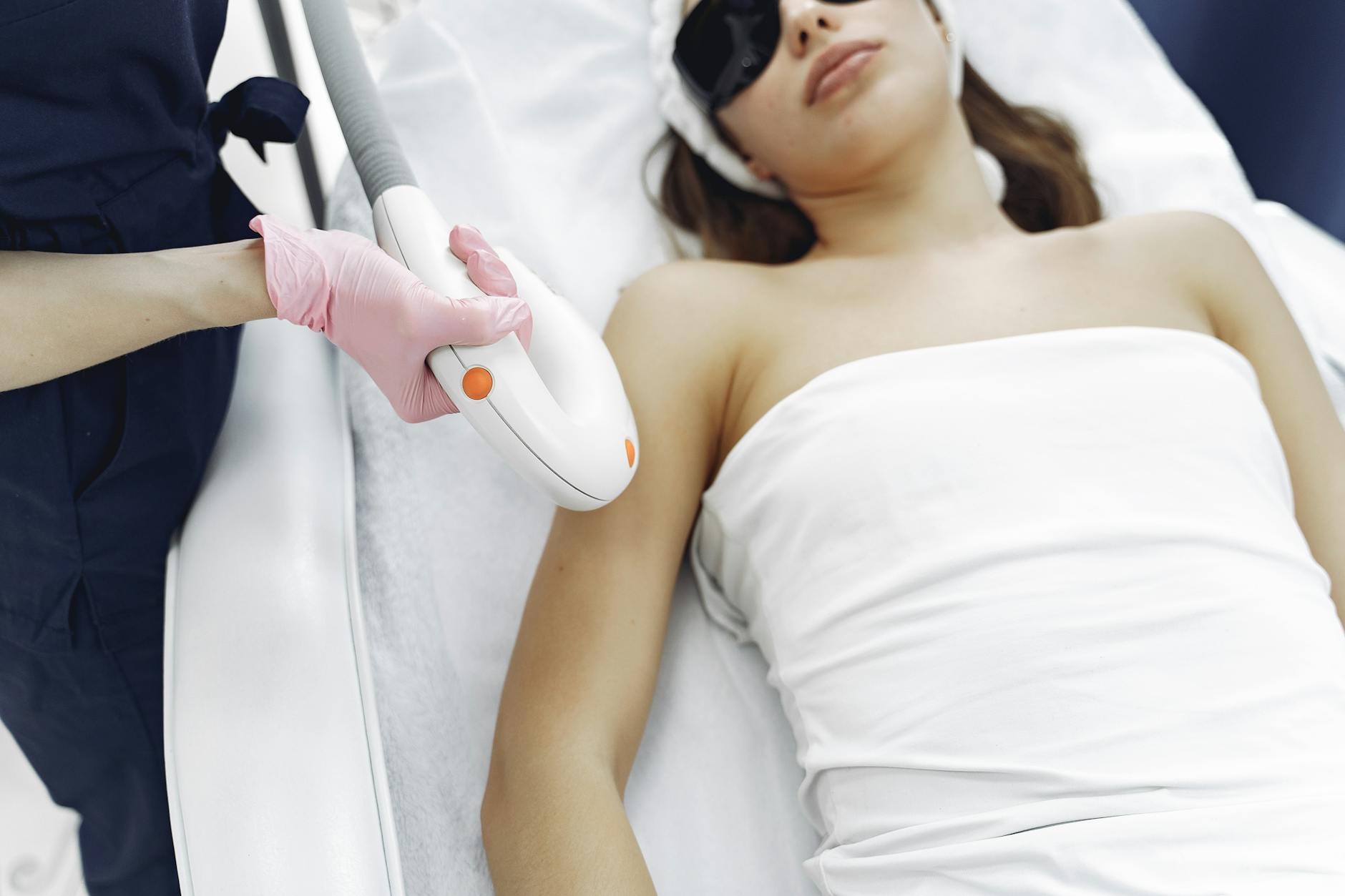
A Laser Genesis session is relatively quick and non-invasive compared to other laser treatments. The dermatologist or technician applies the laser handpiece to your skin, and you’ll feel warmth rather than pain—many patients describe it as a tolerable heating sensation. Because the laser doesn’t damage the epidermis, there’s no downtime in the traditional sense: you can return to normal activities immediately after treatment.
The most common side effect is temporary redness lasting a few days, though some patients experience mild swelling that subsides quickly. A typical treatment course spans 8 to 12 weeks (with treatments every 2-4 weeks), so you’re looking at a moderate time investment spread across several months rather than a single appointment. This extended protocol allows your skin to respond gradually without overwhelming your barrier. For someone with active acne, this staggered approach actually works in your favor because your skin gets time to adjust between sessions, reducing the risk of irritation or flare-ups from multiple aggressive treatments clustered too close together.
Comparing Laser Genesis to Other Acne and Redness Treatments
Laser Genesis occupies a middle ground in the treatment landscape. It’s gentler than ablative lasers (which remove layers of skin) and more targeted than broad-spectrum light therapies, but it requires more sessions than some alternative options. If you’ve already tried topical antibiotics or benzoyl peroxide without sustained results, Laser Genesis offers a different mechanism—it’s not fighting bacteria chemically but physically and thermally.
The trade-off is cost and time commitment: a full course of Laser Genesis typically costs more upfront than a few months of prescription topicals, but it may provide longer-lasting results for certain patients. For redness specifically, Laser Genesis is preferable to some alternatives because it addresses the underlying vascular component rather than just masking symptoms. If your redness stems from dilated blood vessels (common in rosacea or post-acne erythema), treating the vessels directly is more effective than using color-correcting skincare products, which only conceal the issue temporarily.
When Laser Genesis May Not Be Sufficient and Important Limitations
Laser Genesis works well for mild to moderate inflammatory acne, but if you have severe acne with deep cysts or significant scarring, you may need additional treatments alongside or after your Laser Genesis course. The laser addresses active bacteria and some inflammation, but it’s not a substitute for oral medications like isotretinoin in severe cases. Additionally, if your acne is driven primarily by hormonal factors, Laser Genesis alone won’t address the underlying hormonal imbalance—you’d likely benefit from complementary treatments like spironolactone or hormonal contraceptives prescribed by your dermatologist.
Another limitation to consider: Laser Genesis is less effective on darker skin tones due to the way the 1064 nm wavelength interacts with melanin, and it may cause post-inflammatory hyperpigmentation in some individuals with deeper skin. If you have a history of keloid formation or hypertrophic scarring, discuss this with your dermatologist before proceeding, as laser treatments can occasionally trigger excessive scar tissue in prone individuals. These aren’t absolute contraindications, but they require careful consideration and professional evaluation.
Maintaining Results After Your Treatment Course Ends
Once you’ve completed your 6-session Laser Genesis course and achieved your desired results, maintaining those improvements requires consistent skincare. The collagen and elastin stimulation from the laser doesn’t last indefinitely—your skin gradually returns to baseline over 6 to 12 months. Many patients benefit from annual maintenance sessions or treatments spaced further apart (every 6-12 months) to sustain their improvements.
This isn’t a limitation unique to Laser Genesis; most aesthetic treatments require maintenance, but it’s important to factor this into your long-term planning and budget. Your post-treatment skincare regimen matters significantly. A gentle cleanser, non-comedogenic moisturizer, broad-spectrum sunscreen, and targeted acne or anti-inflammatory products will help extend your results. Some dermatologists recommend adding products with niacinamide or azelaic acid after completing Laser Genesis to further reduce redness and bacterial overgrowth.
The Future of Laser Treatment for Acne and Redness
Laser Genesis represents a well-established approach to acne and redness, with years of clinical data and FDA clearance supporting its safety and efficacy. As technology evolves, newer variations of laser treatments continue to emerge, but Laser Genesis remains a reliable standard because it balances effectiveness with safety and minimal downtime.
For patients seeking a non-invasive option that doesn’t involve systemic medications or significant lifestyle disruption, Laser Genesis has proven itself a practical choice. The combination of bacterial reduction, vascular treatment, and collagen stimulation in a single modality is hard to replicate with other single treatments, which is why dermatologists continue to recommend it decades after its introduction. If you’re considering it, the key is realistic expectations: it’s not a miracle cure for acne, but it can meaningfully improve both active breakouts and associated redness when used as part of a comprehensive skincare and treatment plan.
Conclusion
Laser Genesis effectively addresses active acne and redness by killing bacteria, reducing dilated blood vessels, and stimulating collagen production through a 1064 nm Nd:YAG laser that safely penetrates the dermis. With 70-80 percent of patients reporting visible improvements after a standard 6-session course, it represents a viable option for those whose acne and redness haven’t responded adequately to topical treatments. The treatment is FDA-cleared, carries minimal risk with only temporary redness as a common side effect, and requires no downtime—making it a practical choice for people with busy schedules.
The realistic path to results involves committing to 4-6 treatments spaced 2-4 weeks apart, with the most significant improvements appearing 3-6 months after your course begins. Results typically last 6-12 months with good skincare, so maintenance sessions may be needed long-term. If your acne is mild to moderate and your redness is driven by vascular dilation or post-inflammatory erythema, Laser Genesis is worth discussing with a board-certified dermatologist to determine if it aligns with your skin goals and medical history.