

Carbon laser facial treatments work on oily, acne-prone skin by using carbon particles to absorb laser energy and directly target the root causes of breakouts. The procedure binds carbon particles to sebum and dead skin cells in hair follicles, then a laser heats the carbon, which simultaneously eliminates the carbon, reduces sebum production, and inhibits the bacteria that cause acne. Clinical studies document significant results: one case series showed 20 patients with inflammatory acne achieving “very satisfying results” after just a single session, while longer treatment courses have demonstrated the potential to reduce active acne by up to 90% after six treatments spaced properly. This article covers how the treatment works, what results you can expect, the proper treatment frequency, potential side effects, and whether carbon laser facial is the right choice for your specific acne situation.
Table of Contents
- How Does Carbon Laser Facial Actually Reduce Acne and Oil Production?
- What Results Should You Expect and When?
- What Happens to Your Pores and Skin Texture During Treatment?
- Treatment Course, Frequency, and What to Expect in Terms of Downtime
- Side Effects, Contraindications, and Who Shouldn’t Get Carbon Laser Facial
- Cost Considerations and Long-Term Value
- Carbon Laser Facial as Part of a Comprehensive Acne Treatment Strategy
- Conclusion
How Does Carbon Laser Facial Actually Reduce Acne and Oil Production?
The mechanism behind carbon laser‘s effectiveness involves a straightforward but powerful interaction with your skin. Carbon particles are applied to the skin surface and bind preferentially to the sebum, oil, and dead skin cells clogging your pores. When the laser fires, it targets these carbon-coated particles; the laser energy is absorbed by the carbon, generating controlled heat that destroys the particle and the oil and bacteria it’s stuck to. This heat also partially suppresses the sebaceous glands that produce oil, reducing sebum production over the course of multiple treatments.
The procedure simultaneously inhibits *Cutibacterium acnes*, the bacteria responsible for inflammatory acne, creating a dual mechanism against breakouts. For someone with oily, acne-prone skin, this mechanism is particularly effective because the sebum buildup that typically feeds bacterial growth is being directly targeted and reduced. Unlike topical treatments that work only on the skin surface, the laser penetrates into hair follicles where the majority of acne-causing bacteria reside. The reduction in sebum production is also progressive—meaning benefits improve with each session rather than being immediate and then plateauing.

What Results Should You Expect and When?
Clinical evidence shows realistic timelines for improvement. Studies documented significant reductions in acne lesions within 8 to 12 weeks of starting treatment, though many patients notice improvements sooner. After three sessions spaced 2 to 3 weeks apart, researchers observed significant reductions in both sebum levels and the actual number of acne lesions on the skin.
The longer you continue treatment, the more pronounced the results: six treatments can potentially reduce active acne by up to 90%, though individual results vary based on acne severity, skin type, and how consistently you follow the recommended treatment schedule. However, if you have very severe cystic acne or scarring from years of breakouts, carbon laser alone may not be the complete solution. The treatment excels at controlling active acne and preventing new breakouts, but deep scarring may require additional procedures like fractional laser resurfacing or subcision. Additionally, if your acne is driven primarily by hormonal factors rather than excess oil production, you may need concurrent hormonal treatment (such as oral contraceptives or spironolactone) alongside the laser sessions to achieve the best results.
What Happens to Your Pores and Skin Texture During Treatment?
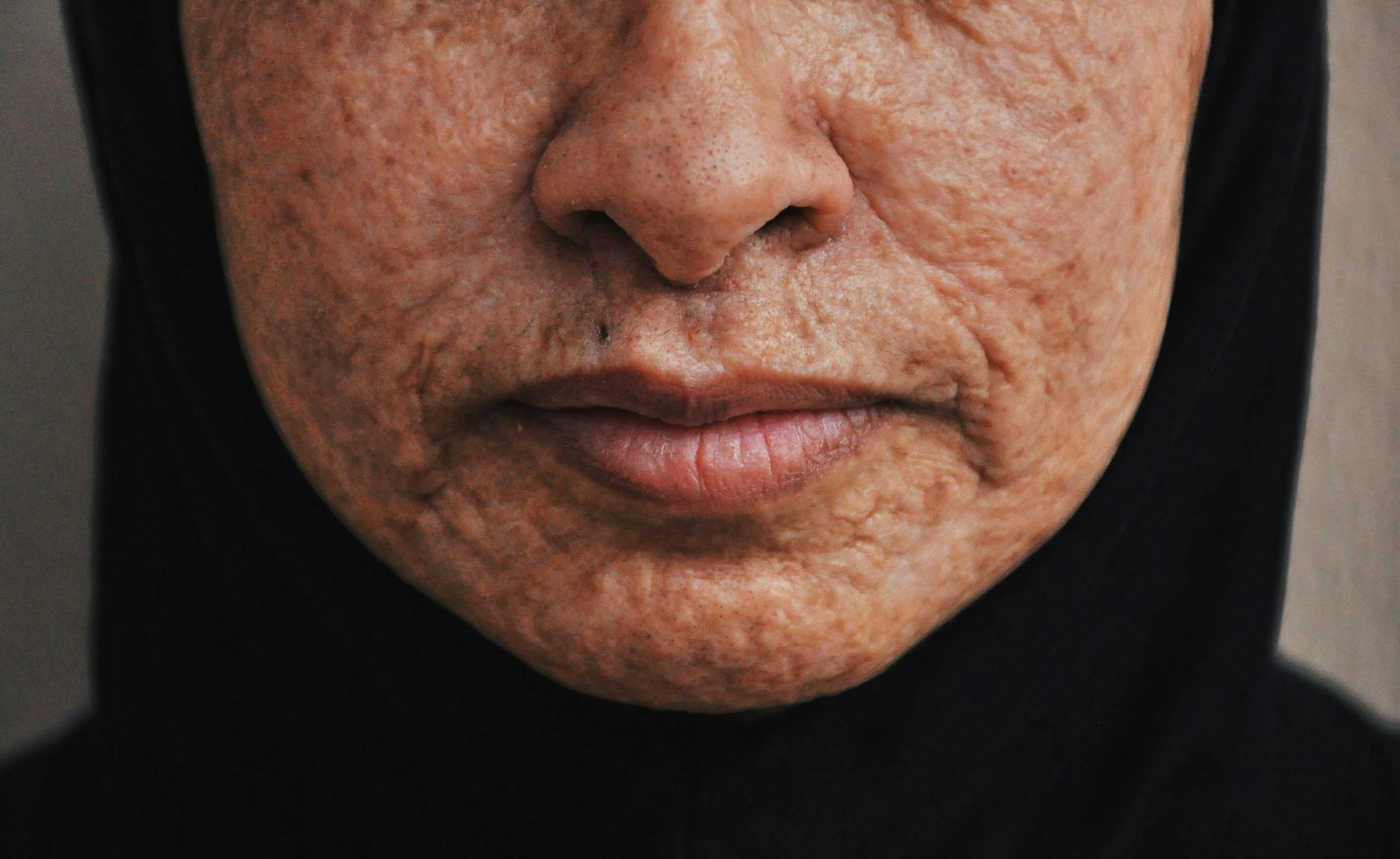
Beyond acne control, carbon laser facials improve the overall appearance of oily skin. The procedure removes dead skin cells and excess oil while simultaneously stimulating collagen production in the deeper layers of skin. This collagen stimulation leads to improved skin texture, smaller-appearing pores, and a reduction in fine lines. For someone with oily skin prone to enlarged pores, this combination of oil reduction plus collagen remodeling often results in noticeably refined pore appearance within a few weeks.
A typical example: a 28-year-old with chronic acne and enlarged pores completes three carbon laser sessions over six weeks. By week eight, the acne is significantly reduced, the pores appear tighter and less obvious, and the overall skin texture looks smoother. The skin also produces less excess oil, meaning makeup stays in place longer and the characteristic shine of oily skin becomes much less pronounced. This multifaceted improvement—addressing acne, pore size, and texture simultaneously—is one reason dermatologists frequently recommend this treatment for the oily, acne-prone population.
Treatment Course, Frequency, and What to Expect in Terms of Downtime
The standard recommendation is 4 to 6 sessions spaced 2 to 3 weeks apart for lasting results. Each session takes approximately 30 minutes, and one of the major advantages is that you can resume normal activities immediately afterward. Unlike some other acne treatments, carbon laser facial doesn’t create post-inflammatory hyperpigmentation (a darkening of the skin that can occur after certain procedures), and there is minimal downtime.
Most people go back to work, exercise, or social activities the same day. The spacing between sessions matters: waiting too long (more than 4 weeks) between treatments means you may lose momentum and require additional sessions to reach your acne reduction goals, while going too frequently can irritate the skin without providing additional benefit. After completing your initial 4 to 6 session course, many dermatologists recommend maintenance sessions every 3 to 6 months to sustain the reduction in sebum production and prevent acne recurrence. This is where the “very satisfying results” from the clinical case series come in—even after just one session, some patients see dramatic improvement, though most benefit from the full course of treatment.
Side Effects, Contraindications, and Who Shouldn’t Get Carbon Laser Facial
Carbon laser facial is generally well-tolerated, but it’s not appropriate for everyone. If you have active herpes simplex virus infections on the face, you should wait until the lesions heal before undergoing treatment. Those with a history of keloid formation or hypertrophic scarring should discuss this with their dermatologist before proceeding, as the heat and collagen stimulation could theoretically worsen these conditions. Pregnant individuals and those taking isotretinoin (Accutane) are typically advised to avoid the procedure until after pregnancy or after completion of their Accutane course.
The most common side effects are mild redness and slight swelling immediately after the procedure, which usually resolve within a few hours. Some patients report temporary dryness or tightness in the skin, which resolves with gentle moisturizing. If you have darker skin tones, there’s a very slight risk of temporary hypopigmentation (lightening of the skin), though the formulation and settings used in modern carbon laser systems have minimized this risk significantly. A patch test or consultation with a dermatologist experienced in treating diverse skin tones is recommended if you have concerns about your particular skin type.

Cost Considerations and Long-Term Value
The investment in carbon laser facial ranges depending on the specific treatment type. A standard carbon laser peel costs between $150 and $400 per session, making a full 4 to 6 session course run $600 to $2,400. For more intensive CO2 laser resurfacing (a related but deeper treatment variant), costs are higher at $800 to $3,500 per session.
When factoring in the long-term benefits—both acne reduction and the collagen-stimulation benefits for skin texture and anti-aging—the per-session cost becomes more reasonable when spread across the results. Some dermatology practices offer package deals if you commit to the full 4 to 6 session course upfront, which can reduce the overall cost. Insurance typically doesn’t cover carbon laser for acne since it’s considered cosmetic, though some plans may cover it if you have severe acne that hasn’t responded to medical treatments. Maintenance sessions (every 3 to 6 months after your initial course) cost less total when planned ahead of time.
Carbon Laser Facial as Part of a Comprehensive Acne Treatment Strategy
Carbon laser facial works best when combined with a solid skincare routine and, when appropriate, other acne medications. If you’re using topical retinoids or benzoyl peroxide, continue these treatments during your laser course (though avoid retinoids for a few days before and after treatment to prevent irritation).
For moderate to severe inflammatory acne, some dermatologists recommend combining laser treatment with oral antibiotics or hormonal therapies to address acne from multiple angles simultaneously. Looking forward, as laser technology continues to improve, newer devices are being developed that can customize depth and intensity more precisely, potentially allowing providers to tailor treatment even more specifically to your skin type and acne severity. For now, carbon laser facial remains one of the most effective non-surgical treatments for active acne on oily skin, with the added benefit of improving overall skin quality and appearance.
Conclusion
Carbon laser facial is a well-researched, effective treatment for acne on oily skin that works by directly targeting excess sebum production and acne-causing bacteria while simultaneously improving skin texture and pore appearance. The treatment requires a commitment of 4 to 6 sessions spaced 2 to 3 weeks apart, each taking 30 minutes with minimal downtime, and demonstrates the potential to reduce active acne by up to 90% when completed as recommended.
The cost ranges from $150 to $400 per session for standard treatment, making the full course an investment, but one that many patients find worthwhile given the significant reduction in breakouts, oil production, and improvement in overall skin quality. If you have oily, acne-prone skin and have either not responded to topical treatments or are looking for a treatment that addresses acne and skin quality simultaneously, carbon laser facial is worth discussing with a dermatologist. Your provider can assess your specific acne severity, skin type, and skin tone to determine whether this treatment is appropriate for you and whether it should be combined with other therapies for optimal results.