
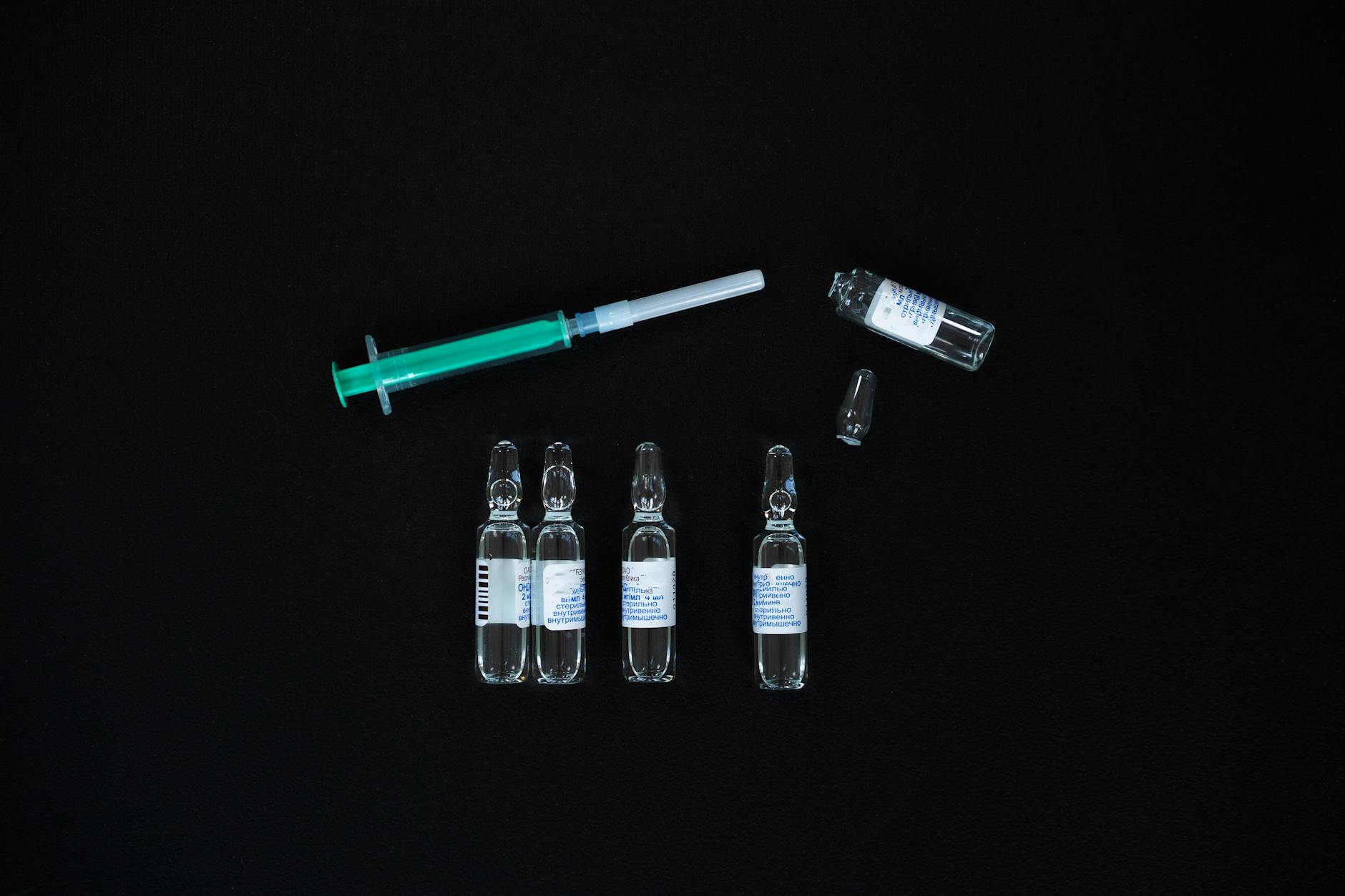
Methyl aminolevulinate (MAL) is a photosensitizing chemical that your skin converts into protoporphyrin IX, a molecule that generates reactive oxygen species (ROS) when exposed to red light. These ROS molecules damage and destroy bacteria-harboring cells and shrink the sebaceous glands that produce excess oil—addressing acne’s root causes through a precise, dual mechanism. In European dermatology, MAL-PDT (photodynamic therapy) has emerged as an evidence-backed treatment option that can reduce inflammatory acne lesions by up to 68% within 12 weeks, making it particularly valuable for patients who’ve exhausted conventional options or struggle with oral medication side effects.
European regulatory bodies have approved methyl aminolevulinate under the brand name Metvix, though primarily for skin cancers and precancerous lesions rather than acne. That said, extensive clinical trials have demonstrated its effectiveness against moderate acne, and dermatologists across Europe use it off-label based on this published evidence. This article walks through exactly how MAL works in the skin, what the clinical trial data actually shows, what the treatment experience is like, and when it makes sense as an acne intervention.
Table of Contents
- How Does Methyl Aminolevulinate Generate Acne-Killing Power?
- What Do Clinical Trials Reveal About MAL-PDT Efficacy for Acne?
- How Does European Daylight PDT Differ from Conventional MAL-PDT?
- What Is the Typical MAL-PDT Treatment Protocol and Patient Experience?
- What Are the Side Effects and Safety Concerns with MAL-PDT?
- What Are Patient Satisfaction and Real-World Outcomes?
- How Does MAL-PDT Fit into Europe’s Broader Acne Treatment Landscape?
- Conclusion
How Does Methyl Aminolevulinate Generate Acne-Killing Power?
Methyl aminolevulinate functions as a prodrug, meaning your skin metabolizes it into its active form. Once applied as a 16% cream and left to incubate (typically 3 hours under red-light pdt, or 30 minutes before outdoor sunlight in European daylight PDT protocols), MAL converts to protoporphyrin IX. When this protoporphyrin IX is exposed to specific wavelengths of red light, it absorbs the energy and generates reactive oxygen species—primarily singlet oxygen. These ROS molecules are highly unstable and damaging; they rupture bacterial cell membranes, damage mitochondria, and trigger apoptosis (programmed cell death) in infected cells and the sebaceous gland cells themselves. What makes MAL-PDT particularly effective for acne is that it attacks the problem from two angles simultaneously. The ROS destroy Cutibacterium acnes (formerly Propionibacterium acnes), the bacteria deeply embedded in sebaceous follicles—addressing the infection directly.
Simultaneously, the treatment destroys and shrinks the sebaceous glands themselves, reducing sebum production long-term. Standard topical antibiotics only kill the bacteria; they don’t address the inflammatory cascade or sebaceous gland activity. This dual mechanism explains why clinical response to MAL-PDT can be sustained months after treatment concludes, rather than reverting once antibiotics are stopped. However, there’s an important limitation: MAL-PDT is not a quick fix for active inflammation in the short term. The photochemical process is somewhat slow, requiring proper light penetration and incubation time. Patients with severe nodular acne or cystic lesions may need multiple sessions spaced weeks apart to see cumulative results, and the treatment produces notable temporary inflammation (redness, swelling, pustular eruptions) before improvement occurs. This makes it unsuitable as emergency intervention for an upcoming event; it’s a longer-term remodeling strategy.

What Do Clinical Trials Reveal About MAL-PDT Efficacy for Acne?
The European clinical evidence is robust. In the most cited trials, patients treated with 16% MAL cream followed by red-light PDT experienced a 68% reduction in inflammatory lesions at 12 weeks—a substantial improvement. When researchers compared MAL-PDT directly against placebo PDT (light alone, without the photosensitizer), the difference was striking: MAL treatment produced a 54% median reduction in total inflammatory lesion count, whereas placebo yielded only 20%. This demonstrates that the drug itself, not just the light energy, drives the therapeutic effect. Treatment frequency amplifies results. Patients who received two MAL-PDT sessions achieved a 74% relative decrease in inflammatory lesions; those who completed four treatments at weeks 0, 2, 4, and 8 saw an 85% decrease measured at 20 weeks.
This dose-response pattern is important: more treatments yield better outcomes, but each additional session comes with increased cost, downtime, and cumulative side effects. In practice, most European protocols use two treatments spaced 2 weeks apart as a starting point, reserving additional sessions for incomplete responders. One often-overlooked finding is long-term stability. In follow-up assessments at one year post-treatment, acne cases remained stable with a tendency toward continued improvement rather than relapse. This contrasts with oral isotretinoin, which halts acne during treatment but can see disease recurrence once the drug is stopped (in some patients). The sustained benefit suggests that destroying sebaceous glands and resetting the microbial environment has durable effects—though it’s not permanent for all patients, and some may eventually require re-treatment if new acne develops years later.
How Does European Daylight PDT Differ from Conventional MAL-PDT?
In European dermatology, two main approaches have emerged: conventional red-light PDT in a clinical setting, and daylight PDT performed outdoors. The conventional method involves applying 16% MAL cream, waiting 3 hours for skin penetration and conversion to protoporphyrin IX, then exposing the treated skin to controlled red light (wavelengths around 630 nm) in a dermatology clinic. This requires clinic visits, specialized equipment, and trained staff—making it more resource-intensive but highly standardized. The European daylight PDT variant simplifies logistics significantly. Patients apply MAL cream, wait only 30 minutes, then expose the treated area to outdoor sunlight for the therapeutic session. Natural sunlight contains the red wavelengths needed to activate protoporphyrin IX, and the ambient UV exposure may even potentiate the photochemical reaction.
Clinical trials showed that daylight PDT for other indications (particularly actinic keratosis) delivered results non-inferior to conventional red-light PDT. For acne, this opens access in countries where specialized PDT equipment may be scarce, and it’s particularly appealing in summer months when daylight is intense and extended. However, daylight PDT has a critical limitation: weather dependency and variable light intensity. Cloudy days, weak winter sunlight, or geographic location (far northern or southern latitudes with seasonal darkness) significantly reduce efficacy. Additionally, outdoor exposure carries sun-protection complexity—patients need sun-protective clothing or sunscreen post-treatment, yet traditional sunscreen can interfere with light penetration. Conventional clinical PDT offers more control and reproducibility, which is why it remains the standard in organized dermatology centers despite greater logistical demands.
What Is the Typical MAL-PDT Treatment Protocol and Patient Experience?
A standard European MAL-PDT course for acne vulgaris involves two sessions scheduled 2 weeks apart. The patient arrives at a dermatology clinic; the target skin area (usually face or upper trunk) is cleansed, and 16% MAL cream is applied evenly across the treatment zone. The incubation period begins—typically 3 hours for red-light PDT. During this time, the patient remains in the clinic or nearby; some clinicians apply occlusive dressing to enhance penetration and protect clothing. After incubation, the cream is gently removed, and the skin is exposed to red light (630 nm wavelength, delivered via LED panels or halogen lamps) for approximately 10–15 minutes per site. The experience during light exposure is uncomfortable; patients describe moderate to severe pain, often compared to a stinging or burning sensation. Pain intensity varies with skin sensitivity, photosensitizer concentration, and light intensity.
Many European clinics use topical anesthetics (like lidocaine) or cooling devices (cryogen spray) to manage discomfort. Immediately post-treatment, skin appears intensely red (erythema), swollen, and sometimes develops pustular eruptions over the following 24–48 hours. Epithelial exfoliation (peeling) occurs within 3–5 days, and some patients experience transient hyperpigmentation. These side effects resolve within 1–2 weeks, after which improvement in acne becomes visible. The second session occurs 2 weeks later, following the same protocol. Between sessions, patients must protect treated skin from sun exposure (SPF 50+ recommended) to prevent photosensitivity reactions and hyperpigmentation. Standard topical acne treatments (benzoyl peroxide, retinoids, azelaic acid) should be paused or used minimally during the treatment window, as they can increase irritation and reduce tolerability. This protocol works best for moderate inflammatory acne covering a distributed area; isolated deep cysts may require supplemental targeted treatment (intralesional steroid, extraction, or other approaches), as PDT’s efficacy is less dramatic for single large nodules.
What Are the Side Effects and Safety Concerns with MAL-PDT?
The most immediate and frequent complaint is pain during illumination. Moderate to severe pain during light exposure occurs in the vast majority of patients; severe pain (requiring interruption or anesthesia) happens in roughly 20–30% of cases. This pain is due to the ROS generation activating nociceptors (pain nerve endings) in the skin. Post-treatment inflammation manifests as erythema (redness), pustular eruptions, epithelial exfoliation, localized swelling, and sometimes transient hyperpigmentation (darkening, especially in darker skin types). Most side effects resolve within 1–2 weeks, but they can significantly impact quality of life during treatment. Patients should plan for visible downtime—taking a week off work or avoiding social commitments is prudent.
For individuals with a history of herpes simplex or susceptibility to rapid hyperpigmentation, risk is elevated; pretreating with antiviral prophylaxis (e.g., valacyclovir) or discussing skin type-specific strategies with the dermatologist is wise. Rare serious complications (photosensitivity reactions, persistent pigment changes) have been reported but are uncommon with proper technique and sun protection. Importantly, shortened protocols can reduce side effects while maintaining efficacy. Research shows that reducing the pre-treatment incubation time or the light dose can yield acceptable acne improvement with more tolerable adverse-effect profiles. This trade-off—slightly lower efficacy in exchange for less pain and inflammation—appeals to many patients. There is no absolute “must suffer to benefit” threshold; individual tolerability varies, and the dermatologist can adjust parameters. Pregnant women and patients on photosensitizing medications (like tetracycline antibiotics, thiazide diuretics, or NSAIDs in high doses) should discuss additional precautions with their provider.
What Are Patient Satisfaction and Real-World Outcomes?
Clinical trial data reveals strong patient satisfaction with MAL-PDT. Among published cohorts, 74% of acne cases reported good or excellent results, and 89% of patients expressed satisfaction or very high satisfaction with treatment. This relatively high satisfaction rate, despite the notable side effects and discomfort during treatment, reflects the meaningful improvement in acne that many patients achieve—particularly those who’ve tried and failed other therapies or who cannot tolerate systemic retinoids or antibiotics.
The 74% “good or excellent” rate also suggests that roughly one-quarter of patients experience modest or disappointing results. Factors predicting poorer response include severe nodulocystic acne (more amenable to isotretinoin), very limited acne confined to a few isolated lesions (not justifying the cost and downtime), and poor adherence to the full treatment protocol. Realistic expectation-setting is essential: MAL-PDT is effective for distributed moderate inflammatory acne, not a guaranteed cure for all acne variants. A second or third treatment course may be necessary for some patients, or combination with other modalities (topical retinoids, low-dose antibiotics, dietary adjustment) may optimize results.
How Does MAL-PDT Fit into Europe’s Broader Acne Treatment Landscape?
In European dermatology guidelines, MAL-PDT occupies a niche positioned between conventional topical treatments (benzoyl peroxide, retinoids, antibiotics) and systemic therapies (isotretinoin). It’s typically recommended after first-line options have failed or when systemic treatments are contraindicated (e.g., pregnancy, prior adverse effects, patient preference to avoid oral medication). The treatment aligns with a trend toward procedural and physical modalities in acne management, alongside laser therapy (blue-light phototherapy, ablative laser) and other light-based interventions. Each modality has slightly different mechanisms; MAL-PDT’s unique strength is the combination of rapid bacterial kill and long-term sebaceous gland reduction, which some other light therapies don’t achieve.
Looking forward, refinements to MAL-PDT—such as optimized light dosing, combination protocols with oral low-dose antibiotics or topical adjuvants, and adaptation to different skin types—continue to improve efficacy and tolerability. The regulatory pathway for acne specifically remains limited; MAL is approved for cancers and pre-cancers, not acne, making European off-label use the norm. If future trials demonstrate superiority over competitors or expand the indication dossier, broader reimbursement and adoption would likely follow. For now, patient access depends on individual dermatologist experience, clinic availability of equipment, and willingness to navigate off-label prescribing and out-of-pocket costs.
Conclusion
Methyl aminolevulinate in European PDT targets acne through a well-defined biological mechanism: it converts in the skin to protoporphyrin IX, which generates reactive oxygen species under red light, killing Cutibacterium acnes and destroying sebaceous glands that overproduce sebum. Clinical trial evidence is persuasive—demonstrating 68% reduction in inflammatory lesions at 12 weeks, sustained improvement at one year, and 89% patient satisfaction despite notable temporary side effects. The treatment represents a meaningful option for moderate inflammatory acne that has resisted topical treatments or conventional antibiotics.
If you’re considering MAL-PDT, expect two sessions spaced 2 weeks apart, marked discomfort during light exposure, several days of visible redness and peeling, and a commitment to sun protection during and after treatment. Success is not guaranteed—roughly three-quarters of patients report good or excellent results—but for those who respond well, the combination of rapid bacterial suppression and long-term sebaceous gland modulation can produce sustained clearance. Discuss realistic expectations, your skin type, and any prior photosensitivity or medication interactions with a dermatologist experienced in PDT before committing to the protocol.