

ALA-PDT (5-aminolevulinic acid photodynamic therapy) is one of the most clinically validated treatments for severe acne, with research showing that 95.5% of patients achieve good or excellent improvement—defined as at least 60% clearance of acne lesions—with results maintained for over a year. Unlike oral medications or topical creams that work systemically or on the skin’s surface, ALA-PDT targets the root causes of severe acne by combining a light-sensitizing agent applied to the skin with red or blue light activation, destroying acne-causing bacteria and reducing sebum production at their source.
For severe cases where standard treatments have failed, ALA-PDT represents a dermatologist-recommended option backed by decades of clinical evidence and recent research showing it achieves the best long-term outcomes among non-invasive treatments. This article explains how ALA-PDT works for severe acne, the clinical evidence behind it, what to expect during and after treatment, its safety profile, how it compares to other options, and practical considerations for pursuing this therapy. Whether you’re dealing with nodular acne, treatment-resistant inflammation, or scarring acne, understanding ALA-PDT’s mechanism and proven results will help you determine if it’s the right next step.
Table of Contents
- How Does ALA-PDT Actually Clear Severe Acne Lesions?
- Clinical Evidence on Effectiveness for Severe Acne Cases
- What Happens During and After ALA-PDT Treatment Sessions
- Safety Profile and Side Effects of ALA-PDT
- How ALA-PDT Compares to Other Severe Acne Treatment Options
- Enhanced Results with Combination Therapy Approaches
- Access, Cost Considerations, and the Future of PDT for Severe Acne
- Conclusion
How Does ALA-PDT Actually Clear Severe Acne Lesions?
ALA-PDT works through a two-stage biochemical process that targets acne at multiple levels simultaneously. When 5-aminolevulinic acid (ALA) is applied topically to acne-prone skin, it penetrates the follicle and is metabolized into protoporphyrin IX, a photosensitive molecule that accumulates in sebaceous glands and acne-causing bacteria. When activated by specific wavelengths of light—typically red light (630 nm) or blue light (415 nm)—this photosensitive molecule generates reactive oxygen species that destroy the cell walls of *Cutibacterium acnes* bacteria, the primary driver of inflammatory acne.
Simultaneously, the light energy damages the sebaceous glands themselves, reducing their ability to produce excess sebum, which starves the bacterial growth cycle. This dual action—directly killing bacteria while suppressing the sebum environment they thrive in—is why ALA-PDT is particularly effective for severe acne cases that involve deep nodules, cystic lesions, or extensive inflammation. For example, a patient with cystic acne covering 40% of their face may have acne-causing bacteria living deep within follicles that topical antibiotics cannot reach effectively, but the penetrating light from PDT can destroy these deeper populations. The treatment essentially addresses the biological root cause rather than just suppressing symptoms, which explains why improvements often persist long after the treatment series ends.

Clinical Evidence on Effectiveness for Severe Acne Cases
The clinical data on ALA-PDT for severe acne is substantial and recent. A 2024 study using BF-200 ALA gel found that 95.5% of patients achieved good or excellent responses with results maintained over an average follow-up period of 12.5 months, indicating durability beyond the treatment period. More specifically for severe acne presentations, research shows that 22% of patients achieve excellent improvement after a single course, 34% achieve it after two courses, and 44% require three complete courses. This graduated effectiveness means that severe cases typically need multiple treatments (usually 3-4 sessions spaced weeks apart) rather than a one-time solution.
A 2025 systematic review analyzing 1,122 acne phototherapy studies found that 82 met rigorous inclusion criteria, with findings showing an 89.6% total effective rate and a 44% cure rate (complete clearance) at 8 weeks using 3.6% topical ALA-PDT. Low-dose ALA-PDT protocols demonstrated a 92.65% effectiveness rate with a 47.06% cure rate. However, it’s important to understand that “effectiveness” means significant improvement, not necessarily complete clearance—patients should expect substantial reduction in acne severity rather than guaranteed 100% clearing. Additionally, the American Academy of Dermatology’s 2016 guidelines identified ALA-PDT as the most evidence-based physiotherapy for acne among available options, lending strong professional credibility to the treatment’s efficacy.
What Happens During and After ALA-PDT Treatment Sessions
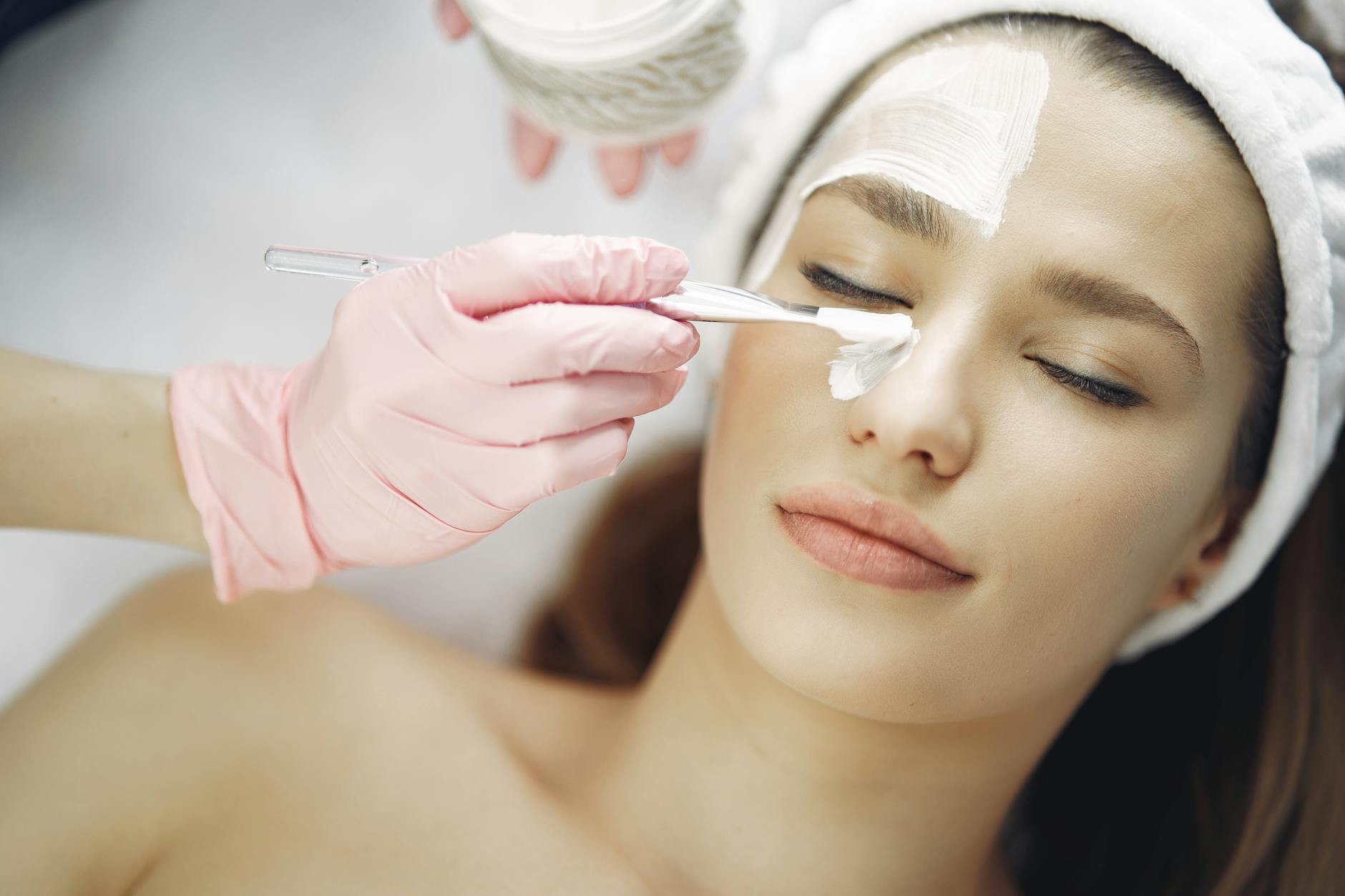
A typical ALA-PDT session begins with cleansing the skin thoroughly to remove oils and debris, followed by application of the ALA gel solution (usually 20% concentration) to affected areas. The gel sits on the skin for 15-30 minutes to allow penetration into follicles—this incubation period is critical and cannot be rushed, as insufficient time reduces the photosensitizer concentration available for activation. The clinician then activates the ALA with light, typically using red light (630 nm wavelength) for penetration depth or blue light (415 nm wavelength) for bacteria at the surface. The light exposure generally takes 10-20 minutes and may feel warm but should not be painful; some patients describe a mild stinging sensation similar to sunburn.
After treatment, the skin is typically red and may feel tender for 24-48 hours, similar to a moderate sunburn. Patients must avoid sun exposure for at least 48 hours following treatment because the skin remains photosensitive—sun exposure during this window can cause severe burns or worsen inflammation. A complete treatment course typically involves 3-4 sessions spaced 2-4 weeks apart, though severe cases may require additional treatments. Most patients notice visible improvement in inflammation and lesion count within 2-3 weeks after their first session, with cumulative improvements building through subsequent treatments. For example, a patient with widespread papules and nodules may see the nodules flatten noticeably after session two, with inflammatory papules continuing to reduce through sessions three and four.
Safety Profile and Side Effects of ALA-PDT
One of the strongest advantages of ALA-PDT for severe acne is its excellent safety profile. Research on 2024 treatment outcomes found that 72.7% of patients experienced no adverse events whatsoever, and among those who did experience side effects, only 6 patients reported mild erythema (temporary redness), which resolved within hours to a few days. This safety record is significantly better than oral isotretinoin (Accutane), which carries risks of severe birth defects, liver damage, and psychiatric effects, or even some oral antibiotics, which can disrupt gut bacteria and cause photosensitivity issues. The main precautions with ALA-PDT relate to light sensitivity during and immediately after treatment rather than systemic toxicity.
Because ALA increases the skin’s photosensitivity, strict sun avoidance for 48 hours post-treatment is essential—sunscreen alone is not sufficient protection. Patients with known photosensitivity disorders, porphyria, or certain medications that increase photosensitivity should discuss ALA-PDT carefully with their dermatologist beforehand. Some patients experience temporary peeling, dryness, or mild scaling in the week following treatment as the skin sheds damaged cells, but this is expected healing and typically resolves with moisturization. Importantly, PDT does not cause the systemic side effects associated with antibiotics or hormonal treatments, making it a safer option for patients who cannot tolerate or don’t want to use systemic medications.
How ALA-PDT Compares to Other Severe Acne Treatment Options
For severe acne, dermatologists typically consider four main treatment categories: topical treatments (benzoyl peroxide, retinoids, antibiotics), oral antibiotics (doxycycline, minocycline), hormonal treatments (for acne in women), and isotretinoin (Accutane for the most severe cases). ALA-PDT occupies a unique middle ground—it’s more aggressive than topical treatments for severe cases but avoids the systemic effects of oral antibiotics and the significant risks of isotretinoin. A patient with widespread cystic acne might initially try oral doxycycline plus topical retinoids, but if that combination fails to clear the acne after 3-4 months, ALA-PDT offers a proven alternative without escalating to isotretinoin’s side effect risks. However, ALA-PDT does have limitations compared to some options.
Isotretinoin remains the only treatment that can achieve permanent remission in some patients and is more effective for acne prone to severe scarring; for these cases, isotretinoin may ultimately be necessary despite its risks. Additionally, ALA-PDT requires multiple clinic visits (typically 3-4 sessions over 8-12 weeks) and is not available at all dermatology practices, whereas oral antibiotics can be prescribed at any clinic. Cost is another factor—while not always prohibitive, multiple PDT sessions typically cost more than a year of oral antibiotics out-of-pocket, though this varies by location and insurance coverage. For women whose severe acne is hormonally driven, combining hormonal therapy with ALA-PDT may be more effective than PDT alone.
Enhanced Results with Combination Therapy Approaches
Recent 2025 research has shown that combining ALA-PDT with other treatments can enhance results beyond PDT alone. A significant study found that sequential treatment—ALA-PDT followed by 30% supramolecular salicylic acid application—produced significantly better lesion reduction compared to ALA-PDT as a standalone treatment, with particularly enhanced efficacy for comedones (blackheads and whiteheads) and inflammatory papules. This makes sense mechanistically: PDT destroys bacteria and reduces sebum production while the salicylic acid follow-up exfoliates dead skin cells and prevents follicle clogging, addressing two different acne pathways simultaneously.
Some dermatologists also combine ALA-PDT with topical retinoids in the weeks between sessions to maintain improvement momentum and prevent new acne formation. However, this combination requires careful timing—retinoids can increase photosensitivity, so they’re typically withheld for several days before and after PDT sessions. For hormonal acne in women, adding hormonal contraception or spironolactone alongside PDT has anecdotally produced better sustained results than PDT alone, though specific clinical data on this combination is limited. The key principle is that combination therapy should address different acne mechanisms—if you’re using salicylic acid follow-up after PDT, you’re combining bacterial killing (PDT) with exfoliation and sebum regulation (salicylic acid), which is complementary rather than redundant.
Access, Cost Considerations, and the Future of PDT for Severe Acne
Current pricing data for ALA-PDT varies significantly by location, dermatology practice, and whether treatment is performed in a specialized clinic versus a general dermatology office. Most facilities charge per session rather than per course, with costs varying between regions and insurance plans. Since treatment typically requires 3-4 sessions, patients should expect to budget for multiple visits and inquire about package pricing when consulting dermatologists. Insurance coverage varies—some plans cover PDT for severe acne that has failed standard treatments, while others classify it as cosmetic and don’t cover it.
Discussing coverage with both your dermatologist’s office and your insurance company before beginning treatment is essential to avoid unexpected out-of-pocket costs. Looking forward, 2024-2025 research is expanding PDT applications and refining protocols to improve outcomes and reduce treatment burden. The 2025 systematic review encompassing modern research suggests that mild PDT protocols (lower light intensity or ALA concentration) may achieve comparable results to more aggressive protocols while reducing side effects and treatment time—potentially making PDT more accessible. Additionally, emerging variations like blue light PDT are being explored for surface-level acne, while red light PDT continues to improve for deeper nodular cases. As research continues to validate these refined approaches, ALA-PDT is likely to become a more standardized part of the severe acne treatment algorithm, particularly as a “rescue” option between failed topical/oral therapy and isotretinoin.
Conclusion
ALA-PDT represents one of the most clinically validated and evidence-backed treatments available for severe acne that hasn’t responded to conventional therapies. With 95.5% of patients achieving good or excellent improvement sustained over more than a year, and safety profiles showing adverse events in fewer than 30% of patients (mostly mild temporary redness), ALA-PDT offers a powerful non-systemic option that addresses acne’s biological root causes. The treatment works by activating a photosensitive agent to destroy acne bacteria and suppress sebum production simultaneously, with effectiveness improving through multiple sessions (typically 3-4 total).
If you have severe acne that has failed topical treatments or you’re concerned about the side effects of oral antibiotics and isotretinoin, consult with a dermatologist experienced in photodynamic therapy about whether ALA-PDT is appropriate for your case. Ask specifically about treatment protocols at their practice, expected number of sessions, pricing and insurance coverage, and combination therapy options that might enhance results. While ALA-PDT is not available everywhere and requires multiple clinic visits, the clinical evidence supporting its effectiveness for severe acne makes it worth investigating as part of your treatment journey.