

PicoSure Pro is a laser treatment that uses ultra-short pulse technology to address the remnants of acne—specifically the discoloration and surface irregularities left behind after breakouts heal. Unlike treatments that rely on heat, PicoSure works by delivering energy in picoseconds (trillionths of a second), shattering pigment and stimulating collagen remodeling beneath the skin’s surface.
The result is a reduction in both post-inflammatory hyperpigmentation (the dark marks) and textural scarring, with most people seeing meaningful improvement within three to six sessions spaced four to six weeks apart. This article covers how the technology actually works on damaged skin, what it can and cannot realistically fix, how it compares to other scar and pigmentation treatments, what to expect during healing, and who should reconsider the procedure. We’ll also address the cost-to-results ratio and why results vary so much between patients.
Table of Contents
- How Does PicoSure Pro Target Acne Pigmentation and Scars?
- What Types of Acne Marks Does It Actually Fix?
- The Difference Between Pigmentation and Texture Damage
- What the Treatment Process Looks Like
- Downtime, Healing, and When to Expect Real Results
- Cost and Realistic Expectations
- Who Is This Treatment Right For, and Who Should Think Twice
- Conclusion
How Does PicoSure Pro Target Acne Pigmentation and Scars?
PicoSure uses focused laser energy to accomplish two separate things. First, the short pulses fragment melanin particles and other pigment deposits in the skin without generating the heat that causes collateral damage—this is why it’s safer on darker skin tones than older laser technologies. Second, the mechanical energy triggers a wound-healing response in the deeper dermis, prompting fibroblasts to produce new collagen and elastin, which gradually fills in atrophic (indented) scars and smooths texture.
The picosecond advantage matters here. Traditional nanosecond lasers generate enough heat to damage surrounding tissue while trying to break up pigment, which is why they were risky on brown or Black skin and why they left PIH (post-inflammatory hyperpigmentation) worse in some cases. PicoSure’s speed means the energy is gone before heat builds up, making it more selective and faster-acting. A person with stubborn dark marks from acne, for example, might see visible lightening after the first session, though complete results take multiple treatments.
What Types of Acne Marks Does It Actually Fix?
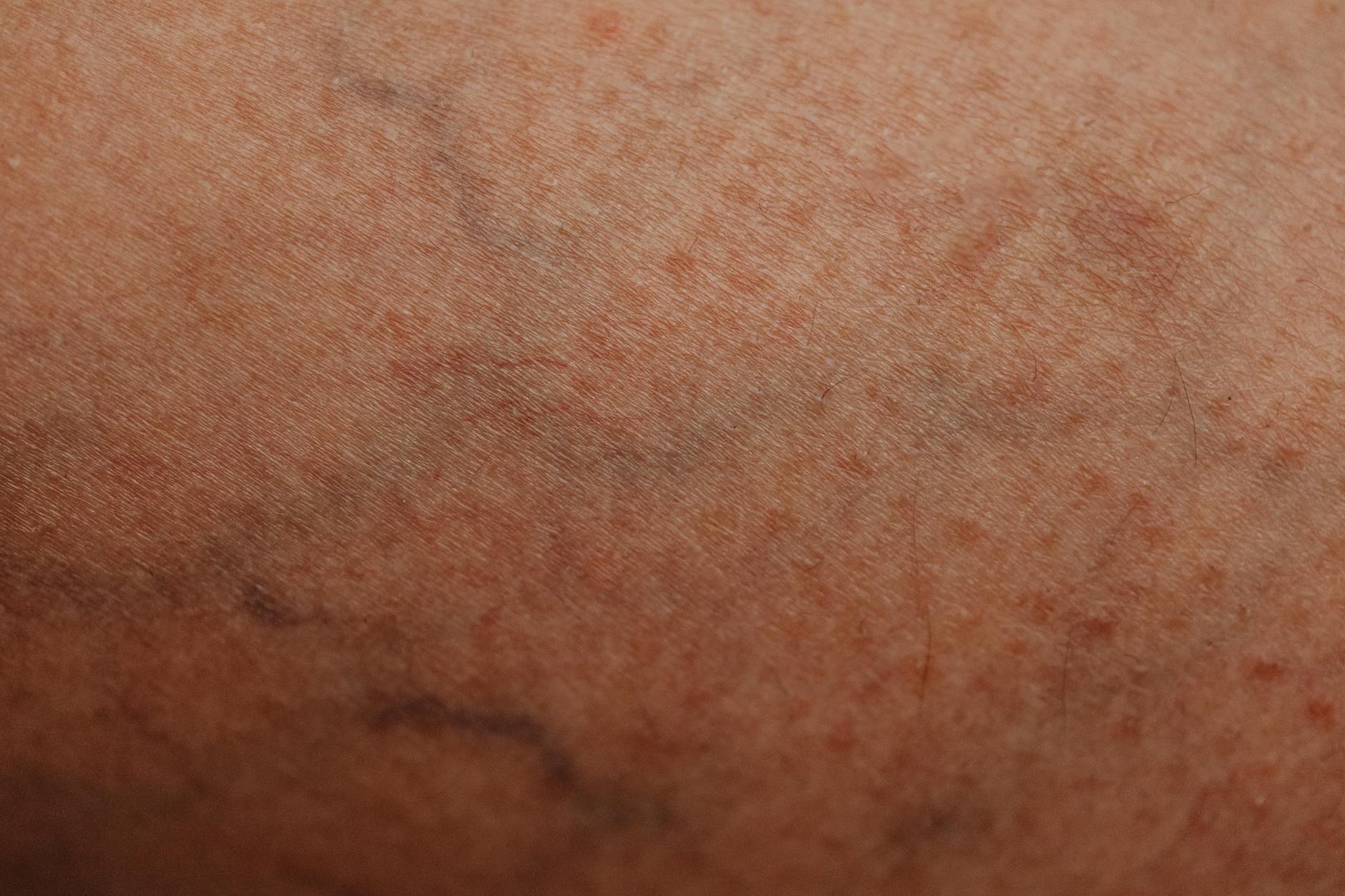
PicoSure is most effective on post-inflammatory hyperpigmentation—the dark red, brown, or purple marks that linger after the acne itself has healed. These typically fade naturally over time (six months to two years depending on skin tone), but PicoSure accelerates the process significantly. It’s also useful for mild to moderate textural unevenness caused by superficial scarring or skin remodeling, where the surface is uneven but the indentations aren’t deep. However, if you have severe atrophic scars—the kind with deep, obvious pits in the skin—PicoSure alone will provide modest improvement.
It can soften the appearance, but it won’t completely fill a crater-like scar the way subcision or filler would. Many dermatologists recommend combining PicoSure with other treatments for severe scarring. For boxcar scars (angular, defined indents), rolling scars (wave-like depressions), or icepick scars (deep, narrow pits), you may need to layer treatments. Additionally, if your marks are truly flat but hyperpigmented, results are excellent; if they’re depressed scars without pigmentation changes, expect more modest outcomes.
The Difference Between Pigmentation and Texture Damage
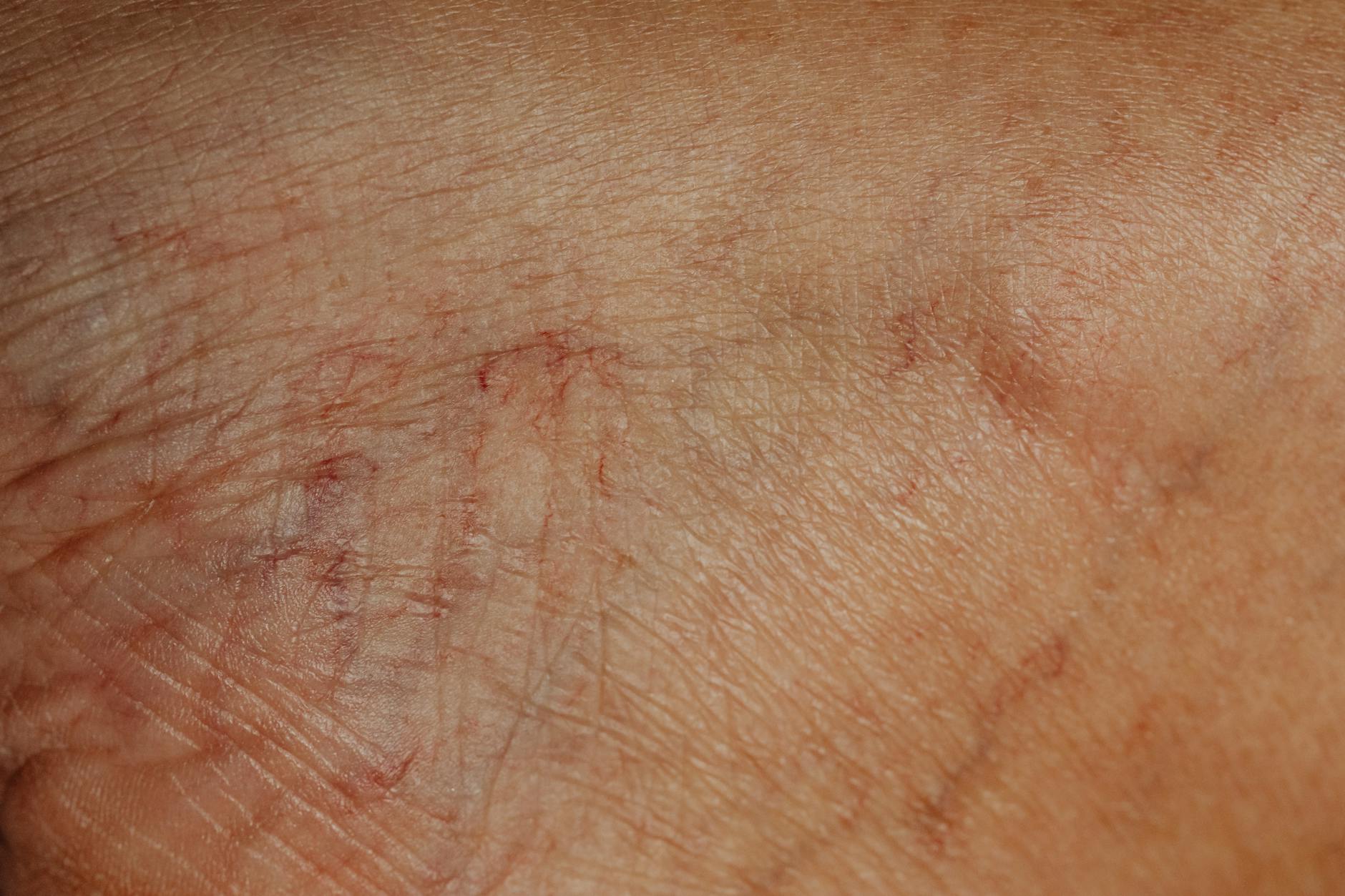
Acne damage comes in two forms: color change and shape change. Pigmentation marks are purely chromatic—the skin was darkened or reddened by inflammation, but the surface is still smooth. Texture damage means the scarring actually altered the physical contours of your skin. Most people have some combination of both.
PicoSure excels at pigmentation because it’s specifically targeting melanin and hemoglobin particles. A patient with dark brown marks but relatively smooth skin will see dramatic results. Someone with depressed scars but no significant discoloration will see slower, more subtle improvement because the treatment is working through collagen remodeling, which takes time. The machine can handle both simultaneously, but if your damage is mostly textural (scarring without color change), you might benefit from microneedling, radiofrequency microneedling, or other resurfacing alongside or instead of PicoSure.
What the Treatment Process Looks Like
A typical PicoSure session lasts 15 to 30 minutes depending on the size of the area being treated. The provider will cleanse your skin, apply a topical anesthetic (and sometimes use a cooling air system), then pass the handpiece over the affected areas in systematic passes. Most patients describe the sensation as uncomfortable but tolerable—like quick, sharp snaps against the skin. Immediately after, the area will be red and possibly swollen, similar to a strong sunburn, but this usually resolves within a few hours to a day.
The real timeline challenge is the spacing requirement. You’ll need to wait four to six weeks between sessions for your skin to fully recover and rebuild collagen. That means a complete course of treatment takes four to six months minimum. This is longer than some people expect, but it’s also why the results tend to be lasting—you’re not just temporarily hiding damage, you’re actually reshaping the skin. Between sessions, avoiding sun exposure is critical; treated skin is more vulnerable to UV damage and PIH recurrence.
Downtime, Healing, and When to Expect Real Results
After treatment, you’ll experience some predictable aftereffects. Redness and mild swelling are normal for the first 24 to 48 hours. Some patients develop temporary hyperpigmentation or hypopigmentation in the treated area, especially on darker skin tones, but this is usually mild and resolves within weeks. Peeling may occur as the skin sheds damaged cells, and your skin will be more sensitive to sun and skincare products, so keep things minimal—cleanser, moisturizer, sunscreen for the first week.
You won’t see the full benefit of a single session for at least two to three weeks as new collagen forms. Many people see a noticeable difference after the first treatment, but the cumulative effect is where the real transformation happens. After three sessions, most patients report significantly lighter pigmentation and smoother texture. After five to six sessions, the difference is usually substantial. That said, some people plateau after three sessions, and others see continued improvement through session six or beyond.

Cost and Realistic Expectations
A single PicoSure treatment typically costs between $400 and $1,200 per session depending on the geographic location, the size of the area being treated, and the clinic’s pricing. A full course of four to six sessions will run $1,600 to $7,200 out of pocket, since most insurance doesn’t cover cosmetic treatments. That’s a significant investment, and it’s worth understanding what you’ll realistically get for that money.
The most honest expectation is a 50 to 80 percent improvement in pigmentation marks and moderate softening of textural scars, with the percentage depending on your starting point and how many sessions you complete. If you have severe, deep scarring, this treatment alone won’t give you perfect skin—but it will make a visible, meaningful difference. If your damage is mostly pigmentation with minor texture issues, results can be near-complete. Talking frankly with your dermatologist about your specific marks and your end goal before starting is essential; the conversation might reveal that combining PicoSure with fillers, radiofrequency, or another modality will better serve your situation.
Who Is This Treatment Right For, and Who Should Think Twice
PicoSure is a good fit if you have post-acne marks, you’re willing to complete a multi-month course, you can protect your skin from sun exposure during treatment, and you have realistic expectations about pigmentation improvement but modest textural change. It’s also a smart choice if you’ve had acne recently and want to prevent marks from setting in—early treatment is more effective than waiting years.
You should reconsider if you have active acne (treat that first), severe depression scarring that truly requires subcision or grafting, or if you’re seeking perfection rather than meaningful improvement. Similarly, if you’re prone to keloid or hypertrophic scarring, discuss this with your dermatologist before proceeding. The treatment is also less predictable on very dark skin if the technician isn’t experienced with deeper skin tones, so confirm expertise before booking.
Conclusion
PicoSure Pro is a legitimate, effective tool for reducing post-acne pigmentation and smoothing mild to moderate textural changes. The picosecond technology delivers real results with less collateral damage than older lasers, making it one of the safer options for darker skin. However, it’s not a one-session fix—it requires multiple treatments over several months and diligent sun protection to work safely and effectively.
If you’re considering it, the best first step is a consultation with a board-certified dermatologist who has substantial experience with PicoSure and your specific skin tone. They can assess your marks, explain what’s achievable, and help you decide whether PicoSure alone or a combination approach will give you the results you want. Managing expectations upfront will save you both money and disappointment down the line.