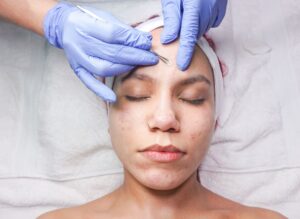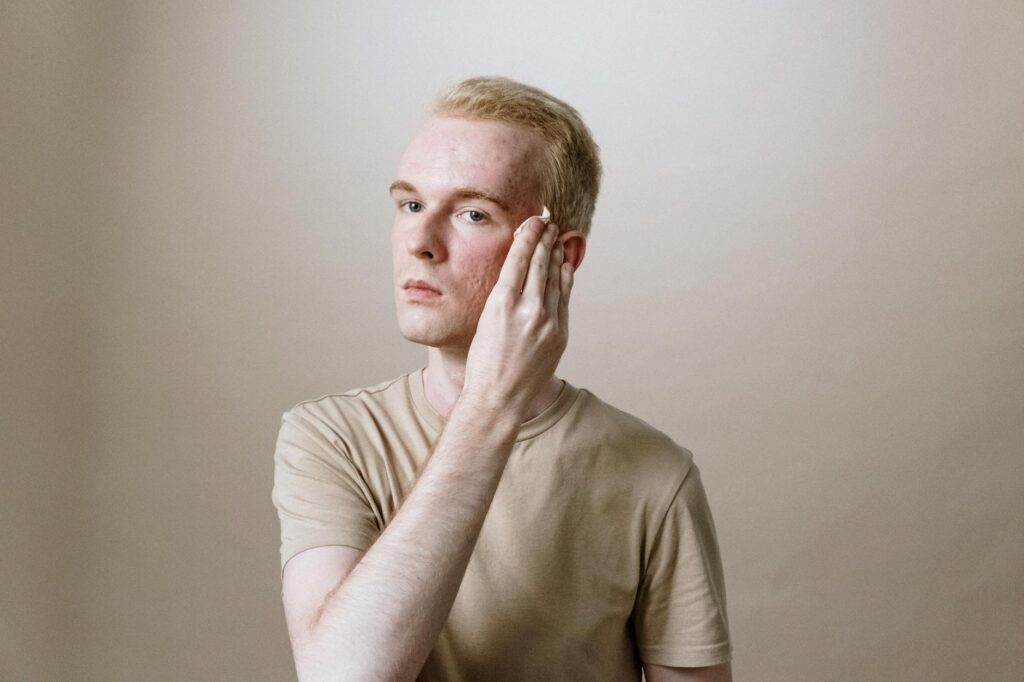
CoolPeel works for mild acne texture improvement by using fractional laser technology to stimulate collagen remodeling and resurface damaged skin without aggressive downtime. The treatment uses a cooled 10,600 nm CO2 laser at lower energy settings than traditional ablative lasers, allowing it to address shallow indents, atrophic scars, and uneven texture from active or resolved acne while keeping skin intact during the procedure.
For someone with mild textural damage from acne—like small rolling scars or rough patches where spots have healed—CoolPeel can meaningfully smooth the surface and trigger the skin’s repair process to fill in minor irregularities over weeks and months. This article covers how CoolPeel actually affects acne-damaged skin, what results you can realistically expect, how it compares to other texture treatments, and what happens during and after the procedure. We’ll also explore the limitations, best candidates for the treatment, and what to expect in terms of recovery and timeline.
Table of Contents
- How Does CoolPeel Improve Acne Scars and Texture?
- What Kind of Texture Improvements Can You Expect?
- CoolPeel Versus Other Acne Texture Treatments
- What Happens During and After CoolPeel Treatment
- Who Is and Isn’t a Good Candidate for CoolPeel
- Maximizing Results and Timeline for Improvement
- Realistic Expectations and When to Consider Alternative or Combination Treatments
- Conclusion
- Frequently Asked Questions
How Does CoolPeel Improve Acne Scars and Texture?
CoolPeel targets acne texture damage by creating controlled micro-injuries to the dermis—the deeper layer of skin where collagen lives. When the fractional laser beam passes over the skin, it vaporizes tiny columns of tissue while leaving surrounding skin intact. This fractional approach means the body can heal faster than it would from a fully ablated surface, but the injury is still significant enough to trigger collagen synthesis and remodeling over the following months.
For mild acne texture specifically, the mechanism works in two ways: immediate resurfacing (the laser removes or smooths the top layers of irregular scar tissue) and delayed remodeling (collagen beneath the treated area reorganizes and fills in shallow indents). The cooling element in CoolPeel—which continuously cools the skin during treatment—allows dermatologists to use lower laser energy while still achieving meaningful results, reducing the risk of complications like infection, hyperpigmentation, or excessive scarring in people with darker skin tones. However, if you have moderate to severe atrophic scars or ice-pick scarring, CoolPeel alone may not provide dramatic improvement; deeper techniques like subcision or dermal fillers often work better for those.
What Kind of Texture Improvements Can You Expect?
CoolPeel is most effective for superficial to moderate textural irregularities: rough patches from closed comedones, mild rolling scars, slight boxcar indents, and general roughness from years of acne breakouts. Most people see noticeable improvement in skin smoothness and pore appearance within 3 to 6 months, with peak results around 9 to 12 months as collagen continues to remodel. For someone with mild texture from acne, a single CoolPeel treatment often provides 20 to 40 percent improvement, with some people seeing as much as 50 to 60 percent improvement if they’re consistent with post-treatment skincare. The limitation is that results are gradual and modest compared to more aggressive laser treatments.
If you’re hoping for dramatic scar removal in one session, CoolPeel will likely disappoint. Additionally, results depend heavily on your skin’s ability to heal and produce collagen—factors influenced by age, genetics, sun damage, and whether you’re smoking. Younger skin typically responds faster and more dramatically than older skin. If you have very deep or widespread scarring, or if you’ve had multiple acne lesions that left pitted marks, you may need multiple CoolPeel sessions (typically 2 to 3, spaced 4 to 6 weeks apart) or combination treatment with other modalities.
CoolPeel Versus Other Acne Texture Treatments
CoolPeel occupies a middle ground between non-ablative fractional lasers (like fractionated erbium or gentler fractional 1550 nm laser) and fully ablative CO2 treatments. Non-ablative lasers are gentler with minimal downtime but weaker results for texture; ablative CO2 lasers deliver stronger results but require significant downtime and carry higher risk of complications. CoolPeel is technically ablative (it removes skin) but the “cool” technology allows for safer, more precise treatment with reduced downtime compared to traditional ablative CO2.
For mild acne texture, other competing options include microneedling (which stimulates collagen without creating visible damage), chemical peels (which work only on the very surface), and dermal fillers (which temporarily plump scars but don’t address underlying texture). Microneedling is often cheaper and requires less healing time than CoolPeel, but laser resurfacing typically produces longer-lasting and more significant texture improvement. Someone choosing between CoolPeel and microneedling should consider: CoolPeel if they want dramatic results and can tolerate 5 to 10 days of visible peeling; microneedling if they prefer gentler treatment, faster recovery, and are willing to do multiple sessions. CoolPeel’s advantage is its proven ability to both remove surface irregularity and trigger deep collagen remodeling in a single modality.
What Happens During and After CoolPeel Treatment
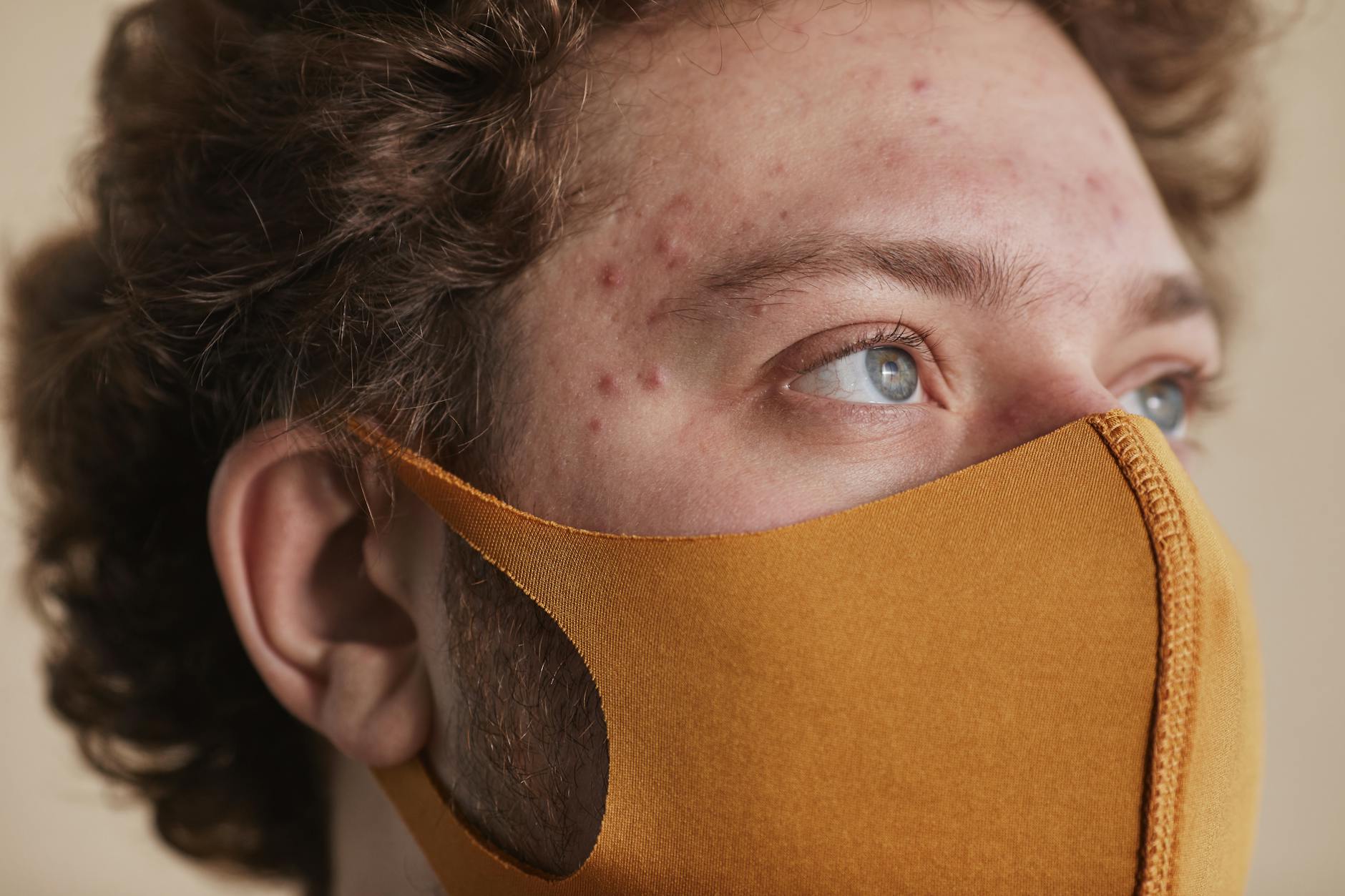
The CoolPeel procedure itself takes 30 to 45 minutes depending on the area being treated. Your dermatologist will apply numbing cream 30 to 60 minutes before, though the cooling mechanism provides additional anesthesia during treatment. You’ll feel warmth and hear a clicking or ticking sound as the laser fires in overlapping passes across the treatment area. Most people describe it as uncomfortable but tolerable—not painful if properly numbed. Post-procedure, your skin will be red and swollen, similar to a moderate sunburn, with this redness typically lasting 2 to 5 days.
Around day 3 or 4, the treated skin will begin to peel—sometimes heavily—as the damaged epidermis sheds. This peeling phase lasts 5 to 10 days and is completely normal; do not pick at the skin. You must avoid sun exposure and wear SPF 30+ daily for at least 2 weeks post-treatment. Most people can return to light work or normal activities after 5 to 7 days, though visibly peeling skin might feel socially uncomfortable. The tradeoff is that this downtime period is what allows the deeper collagen remodeling to happen effectively.
Who Is and Isn’t a Good Candidate for CoolPeel
CoolPeel works best on people with light to medium skin tones and mild to moderate acne texture issues. If you have active acne breakouts, dermatologists typically recommend treating the acne first (with retinoids, isotretinoin, or other acne medications) before laser resurfacing, since active inflammation can complicate healing and increase scarring risk. People with very dark skin can use CoolPeel, but the risk of post-inflammatory hyperpigmentation or dyspigmentation is higher, requiring careful technique and aggressive sun protection post-treatment.
A significant limitation is active herpes simplex virus (HSV) infection in the treatment area—you may need to take antiviral medication preventatively before and after treatment. Pregnancy is also a contraindication, as is recent use of isotretinoin (Accutane); most dermatologists recommend waiting 6 to 12 months after isotretinoin completion before having laser resurfacing due to impaired healing. If you have deep cystic acne scars, hypertrophic scars, or very severe atrophic damage, CoolPeel alone may not be sufficient; combination therapy with subcision, filler, or additional laser types often produces better results.
Maximizing Results and Timeline for Improvement
Results from CoolPeel are not immediate. The immediate post-procedure period shows significant redness and swelling, which actually makes scars appear more visible temporarily. True improvement begins around week 3 to 4 as the epidermis heals and initial inflammation subsides.
Collagen remodeling is a slow process—visible improvement continues month by month for up to 12 months. To maximize results, follow post-procedure instructions strictly: avoid direct sun, keep skin hydrated, use gentle cleansing, and apply prescribed healing ointments or serums as directed. Many dermatologists recommend pairing CoolPeel with a good skincare regimen using retinoids, vitamin C, and sunscreen during the healing phase. If you’re treating mild texture with a single CoolPeel session, patience is essential; some people are disappointed when they expect dramatic results at week 6 and don’t see their final outcome until month 9 or 10.
Realistic Expectations and When to Consider Alternative or Combination Treatments
CoolPeel is not a permanent cure for acne scars, though the collagen remodeling can last years. The skin continues to age and remodel, so some subtle texture may gradually reappear over time. For someone who had only mild texture to begin with, one CoolPeel session is often sufficient and produces lasting improvement.
For moderate texture, a series of 2 to 3 treatments spaced weeks or months apart typically produces better results than a single session. Looking forward, newer fractional laser technologies and combination approaches—like coupling CoolPeel with topical treatments that enhance collagen synthesis or following it with microneedling at specific intervals—are expanding what’s possible for acne scar treatment. The key shift in modern dermatology is moving away from the “one laser does it all” mindset toward customized, multi-modal treatment plans that combine different technologies based on scar depth, type, and patient factors.
Conclusion
CoolPeel is an effective option for improving mild acne texture through fractional ablative laser resurfacing combined with collagen remodeling. Results are gradual but meaningful for most people with shallow scars or general textural roughness, typically showing 20 to 50 percent improvement over 3 to 12 months.
The treatment requires 5 to 10 days of visible downtime and consistent sun protection but delivers longer-lasting texture improvement than gentler alternatives like microneedling, particularly for people willing to invest time in the healing process. If you have mild acne texture you want to improve, CoolPeel is worth discussing with a board-certified dermatologist who can assess your skin type, scar depth, and expectations to determine whether CoolPeel alone is appropriate or whether combination therapy might produce better results for your specific situation.
Frequently Asked Questions
How long before I can exercise after CoolPeel?
Most dermatologists recommend waiting 3 to 5 days before resuming light exercise and up to 10 to 14 days before high-intensity workouts. Sweating into treated skin during the peeling phase increases infection risk and irritation.
Can CoolPeel be done on the body, or just the face?
CoolPeel can be performed on the neck, chest, shoulders, and back, though results vary depending on how the skin on that area heals. Body skin often has different healing characteristics than facial skin.
Will CoolPeel reduce my pore size?
Yes, CoolPeel often produces noticeable improvement in pore appearance because the laser removes surface damage and collagen remodeling tightens and thickens the dermis, making pores appear smaller.
What if I still have acne? Should I get CoolPeel?
No. Treat active acne first with appropriate acne medications, then wait until you’ve been clear or mostly clear for several months before considering laser resurfacing. Treating scars while acne is still active wastes money and increases complications.
How much does CoolPeel cost for acne texture?
Pricing varies widely by geography and dermatologist, but CoolPeel typically costs between $800 to $2,500 per session for a single area like the full face. Insurance does not cover cosmetic scar treatment.
Can darker skin tones safely have CoolPeel?
Yes, but with careful consideration. Darker skin has higher risk of post-inflammatory hyperpigmentation or hypopigmentation. Choose an experienced dermatologist familiar with laser treatment in darker skin tones, and be prepared for more aggressive sun protection post-treatment.