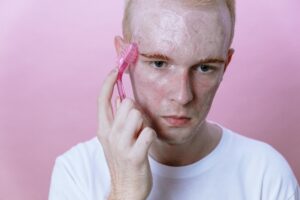
For mild acne scar texture specifically, radiofrequency microneedling is the more targeted choice because it works directly in the epidermal and dermal layers where surface texture problems actually occur. HIFU (High-Intensity Focused Ultrasound) also improves scars and can be equally effective, but it targets deeper layers including the SMAS layer, making it better suited for more significant scarring or skin laxity. The key difference comes down to depth: RF addresses where mild texture irregularities live, while HIFU stimulates collagen from deeper down.
This article breaks down exactly what each technology does, how long results take, how many sessions you’ll need, and which one makes more sense for your specific concern. Both treatments work by stimulating collagen production, but they achieve this through completely different mechanisms and at different skin depths. For someone dealing with uneven texture from mild acne scars—the kind that catches light at certain angles but isn’t severely pitted—understanding this distinction can save you time and money on the wrong treatment.
Table of Contents
- How HIFU and Radiofrequency Target Acne Scars Differently
- How HIFU Improves Acne Scars—Timeline and Realistic Results
- How Radiofrequency Improves Acne Scars—Results from Clinical Studies
- Treatment Sessions—How Many You’ll Actually Need
- Safety, Side Effects, and What to Expect After Treatment
- Can You Combine HIFU and Radiofrequency?
- Making Your Choice—HIFU or RF for Mild Texture
- Conclusion
How HIFU and Radiofrequency Target Acne Scars Differently
HIFU uses high-frequency ultrasound energy to create heat at precise depths, specifically targeting the SMAS layer and deeper dermal tissue to trigger collagen remodeling from the inside out. When you receive HIFU treatment, the ultrasound energy bypasses the skin surface entirely, concentrating its effect where deeper scarring and loss of structural support occur. Radiofrequency, by contrast, uses controlled electrical energy to heat the mid to upper dermal layers more broadly, stimulating collagen and elastin production across a wider treatment zone. Think of HIFU as a laser pointer aimed at a specific depth, while RF is more like turning up the temperature in a room.
The practical difference is significant for mild texture concerns. RF’s heating occurs in the exact layers where fine texture irregularities, minor pitting, and surface-level scarring live. If your acne scars are primarily a texture problem rather than deep indentations, RF works in the right neighborhood. HIFU, meanwhile, works best when there’s significant depth to address—when scars have created actual volume loss or when skin has lost firmness. For mild cases, HIFU can still improve texture, but you’re using a deeper-acting tool for a surface-level problem.
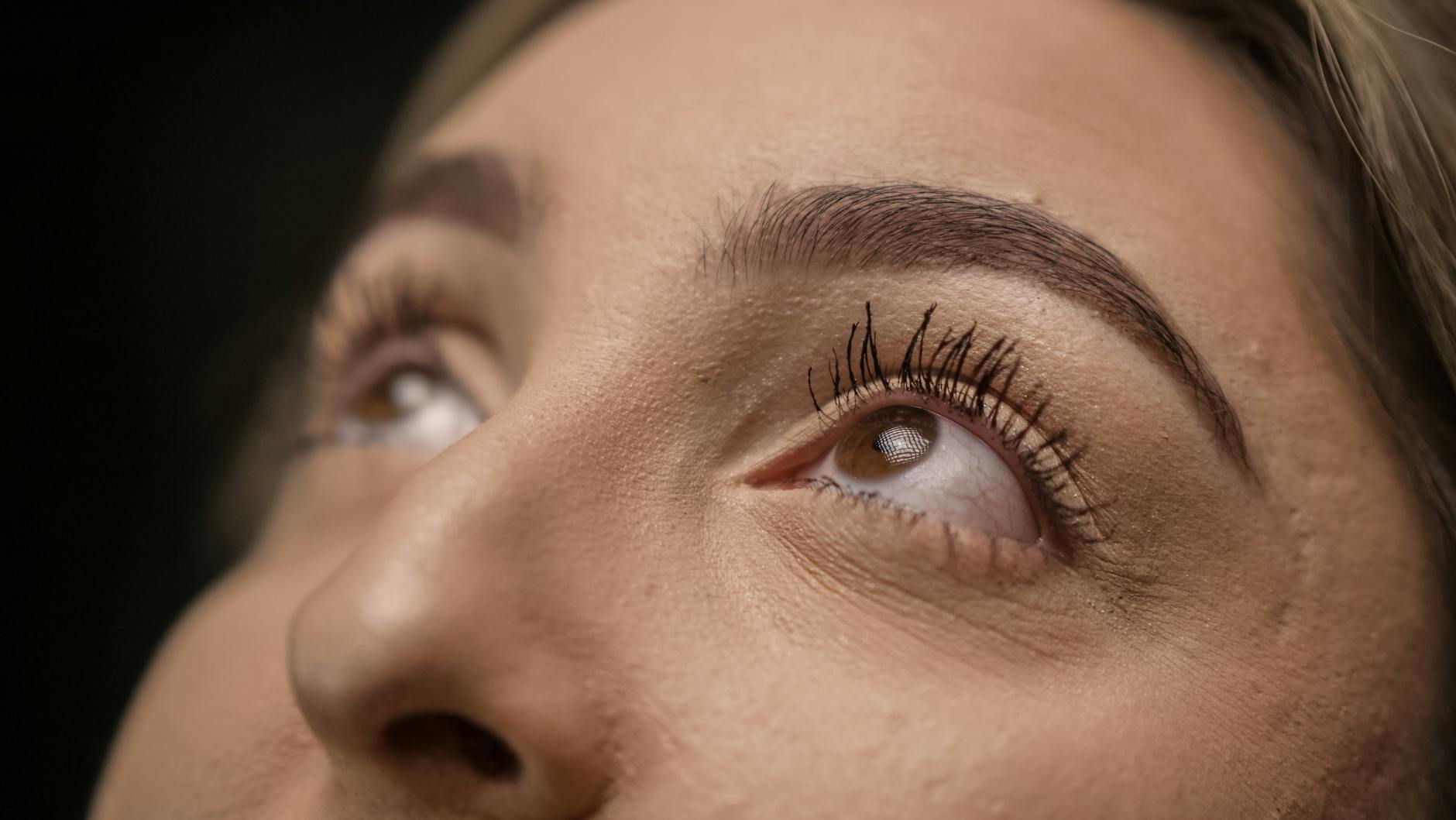
How HIFU Improves Acne Scars—Timeline and Realistic Results
HIFU stimulates collagen production deep in the skin, and patients typically begin seeing visible improvement in acne scar texture as early as 2-3 months post-treatment as new collagen forms. Many people notice meaningful change after just one session, though the most dramatic improvements often continue developing over several months. The effect can last up to 2 years depending on your age, overall skin condition, and lifestyle factors like sun exposure and skincare habits.
However, it’s important to understand HIFU’s limitation for mild scars: it cannot completely erase deep or old scars, even with repeated treatments. What it does is significantly improve texture and lessen scar depth by building collagen from the foundation up. For someone with mild texture concerns, this approach works but is somewhat indirect—you’re rebuilding support at depth to improve what you see at the surface. If your scars are minimal and primarily a texture issue, HIFU may feel like overkill, though many dermatologists still recommend it for its long-lasting effects.
How Radiofrequency Improves Acne Scars—Results from Clinical Studies
Radiofrequency, particularly fractional RF and RF microneedling, delivers more targeted and predictable results for mild acne scar texture. Clinical research shows that fractional RF produces 25-75% improvement in scar appearance after 3-4 treatment sessions. One study found that 100% of patients showed at least 50% reduction in scar grading after four sessions, while another documented 80.64% of patients achieving a two-grade improvement in scar severity.
These results typically become most apparent approximately 3 months after your final treatment, as collagen remodeling completes. The reason RF works so well for mild texture is anatomical: the radiofrequency energy heats the precise dermal layer where acne scar texture lives, directly stimulating the collagen you need to smooth irregularities. Unlike HIFU, you’re not waiting for effects to travel up from deeper layers—you’re treating the problem zone directly. The tradeoff is that RF typically requires more sessions than HIFU (usually 3-6 total), spread over several weeks or months, making it a more gradual improvement process.

Treatment Sessions—How Many You’ll Actually Need
HIFU often requires fewer total sessions compared to RF, with many patients seeing significant results from one to three treatments spaced several months apart. If your goal is to minimize the number of times you need to be in the office, HIFU has a clear advantage. The longer-acting nature of HIFU means each session does more cumulative work, which appeals to people with busy schedules or treatment anxiety.
Radiofrequency, conversely, typically requires 3-6 sessions performed closer together—often every 2-4 weeks. While this sounds like more appointments, each session is often quicker than HIFU, and the upside is that you see gradual improvement building predictably session by session. For mild texture concerns, the difference in session count shouldn’t be your only deciding factor; what matters more is which technology actually addresses your specific scar depth. Choosing HIFU because it requires fewer sessions but then discovering it’s not ideal for surface texture is far more frustrating than committing to four RF sessions that directly target your concern.
Safety, Side Effects, and What to Expect After Treatment
Both HIFU and RF are considered safe across all skin types when performed by qualified practitioners. HIFU typically produces temporary redness, swelling, or tingling sensations that subside within hours to days—many people return to their normal routine immediately. Radiofrequency commonly causes transient pain during treatment, erythema (redness), and possibly some scabbing in the days after, which is actually a sign the collagen-building process is underway. The important caveat here is managing expectations about downtime versus results.
Neither treatment gives you perfect skin in one session. HIFU requires patience as collagen forms over months; RF requires multiple sessions before you see the cumulative texture improvement. Some people are surprised that a “safe” procedure still involves some redness or mild discomfort, or that results aren’t instant. If you’re treating mild acne scars, understand that you’re addressing a subtle problem, and subtle improvements sometimes take a few months to become obviously noticeable to others—though you’ll likely see the difference first.

Can You Combine HIFU and Radiofrequency?
Yes—HIFU and RF can be used together in the same treatment plan to address both superficial and deep dermal layers for more comprehensive rejuvenation. Some clinics offer combination protocols, alternating between the two technologies or performing them in sequence during separate visits. The advantage is that you’re covering multiple depths at once: RF handles the surface texture while HIFU rebuilds deeper structural support.
This combined approach makes particular sense if you have both mild surface texture issues and mild laxity or volume loss, or if you want to maximize results in a single treatment arc. The downside is cost and cumulative downtime—you’re essentially paying for and recovering from two treatment types. For purely mild texture concerns, a single technology (likely RF) usually suffices. Combination therapy shines when acne scars are more complex or when you’re addressing multiple aging concerns simultaneously.
Making Your Choice—HIFU or RF for Mild Texture
Your decision ultimately hinges on scar depth and your tolerance for multiple appointments. If your acne scars are primarily textural—uneven, slightly pitted, but not deep or severe—RF microneedling is the evidence-supported choice because it works directly in the layers where your concern exists. If you have some depth to the scarring or if you want the longest-lasting results possible, HIFU becomes more competitive despite its deeper targeting.
Cost, availability, and your dermatologist’s expertise matter too; some clinics are better equipped or more experienced with one technology than the other. Looking forward, combination approaches and hybrid technologies continue evolving, offering practitioners more precise options for scar treatment. That said, RF microneedling has become the go-to for mild-to-moderate acne scars because of its predictability, strong clinical evidence, and direct targeting of the problem zone. Whatever you choose, ensure your provider has specific experience treating acne scars—general skin tightening expertise doesn’t always translate to scar revision skills.
Conclusion
HIFU and radiofrequency both stimulate collagen and improve acne scar texture, but through different mechanisms and at different skin depths. For mild acne scar texture specifically, RF microneedling wins because it directly targets the epidermal and dermal layers where surface irregularities occur, delivering 25-75% improvement over 3-4 sessions with 100% of patients showing at least 50% scar reduction in clinical studies.
HIFU offers equally impressive results with fewer sessions but works deeper, making it better suited for more significant scarring or skin laxity concerns. Your next step is scheduling a consultation with a dermatologist experienced in acne scar treatment, bringing photos of your scars in different lighting, and discussing both technologies to see which aligns with your specific scar pattern, timeline, and budget. Both treatments are safe, both work—the key is matching the right tool to your particular texture problem.