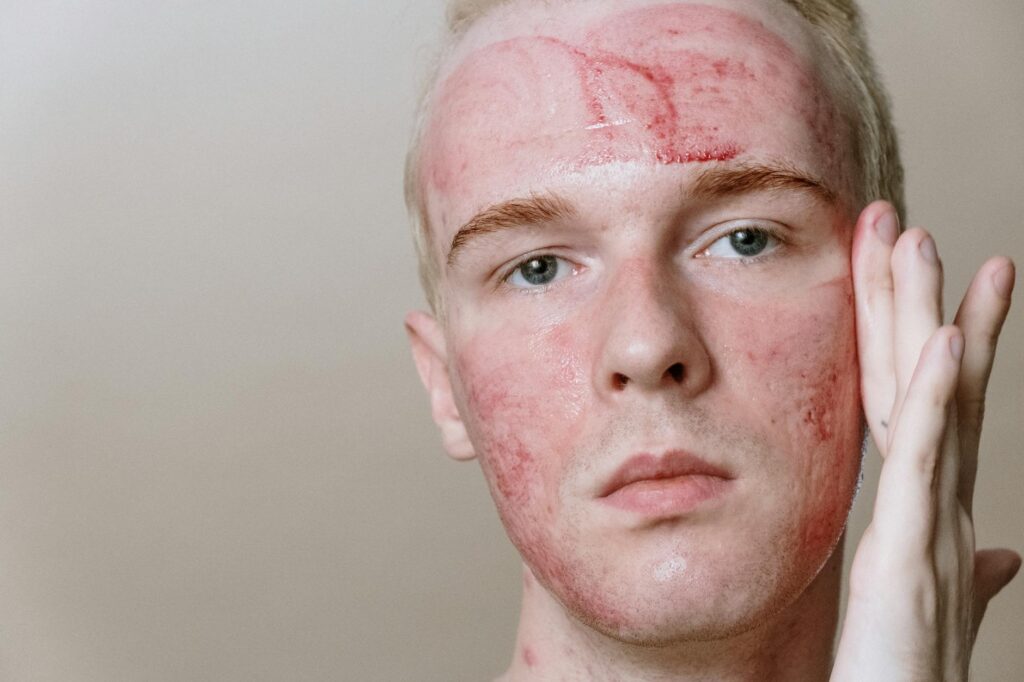
TCA Cross (Trichloroacetic Acid Cross) causes skin scabbing because the chemical creates a controlled burn that penetrates deeper skin layers, triggering an intense healing response. Your body naturally forms scabs as a protective barrier while rebuilding damaged tissue—this is exactly what should happen for the treatment to work. The scabbing process typically lasts 7-14 days and is a sign that the TCA is actively remodeling your skin to improve texture, reduce acne scars, or treat other skin concerns.
This article explains the science behind the scabs, why they’re a necessary part of results, how to care for them properly, and when you should be concerned. The fear around TCA scabs often stems from not understanding that they’re intentional. Unlike a wound infection or botched skincare routine that creates unwanted scabs, TCA-induced scabs are a predictable, manageable phase of a controlled procedure. When performed correctly by a dermatologist or trained professional, scabbing is nearly guaranteed and represents successful treatment penetration.
Table of Contents
- What Causes TCA Cross to Create Scabs on Your Skin?
- Understanding the Scabbing Timeline and What’s Normal
- The Healing Process—What Happens Under the Scab
- How to Care for TCA Scabs During Healing
- Recognizing When Scabbing Indicates a Problem
- Post-Scab Skin and Immediate Aftermath
- Long-Term Results and When to Consider Repeat Treatments
- Conclusion
- Frequently Asked Questions
What Causes TCA Cross to Create Scabs on Your Skin?
tca is a chemical peeling agent that works by denaturing (breaking down) the proteins in skin cells. When applied at the right concentration and depth—typically 35-50% for cross application—it creates a chemical burn that extends into the dermis, the layer beneath your outer skin. This damage is precise and controlled, but damage it remains. Your immune system recognizes this injury and immediately mobilizes to protect the area: white blood cells rush to the site, inflammation increases, and your body begins producing a fibrin clot to seal the wound.
Within hours, a visible whitish or yellowish eschar (dead tissue) forms—this is the scab that will eventually flake away. The scab serves a critical function: it’s a biological bandage that protects the raw, healing skin underneath from bacteria, friction, and UV damage. Unlike a scab from picking at acne or scraping your knee, a TCA scab is evidence that the chemical penetrated deep enough to trigger meaningful collagen remodeling. If there’s no scab, either the treatment didn’t go deep enough or it wasn’t applied correctly. Dermatologists often consider visible scabbing a positive sign that the procedure worked as intended.

Understanding the Scabbing Timeline and What’s Normal
Scabs typically appear within 2-4 hours of TCA application and progress through predictable stages. Initially, you’ll see a white or frosted appearance where the TCA was applied—this is the protein denaturation in action. Over the next 24-48 hours, the area darkens to brown or tan as the eschar forms and oxidizes. By day 3-4, a clearly defined scab is visible, often slightly raised and darker than surrounding skin. The scab will feel dry, tight, and may itch slightly.
However, if you don’t see any scab formation by day 2, this could indicate the treatment was too shallow or the chemical wasn’t activated properly, which means you might not achieve the results you’re paying for. One limitation to understand: the depth and thickness of scabs varies based on your skin type, the TCA concentration used, and how long it was left on your skin. Deeper treatments create thicker, longer-lasting scabs. If you have darker skin (Fitzpatrick IV-VI), post-inflammatory hyperpigmentation may develop beneath or around the scab, making it appear darker and more dramatic than in lighter skin types. This doesn’t mean something went wrong, but you should discuss this risk with your provider beforehand and may need additional treatments to address any residual pigmentation.
The Healing Process—What Happens Under the Scab
While the scab sits on the surface, significant activity is happening underneath. Your skin is synthesizing new collagen, fibroblasts are migrating to fill in depressed scars, and epithelial cells are proliferating to resurface the wound. This is the whole point of TCA—the injury triggers a repair cascade that remodels the skin. Scabs typically begin peeling around day 5-7, starting at the edges and working inward.
Resist the urge to pick or forcefully remove them; premature scab removal will stop the healing process and can leave permanent marks or increased scarring. A real-world example: Someone treating an ice pick scar on their cheek with TCA Cross might have a scab the size of a pencil eraser that persists for 10 days. By day 12, the scab spontaneously flakes away in pieces, revealing pink, slightly raised skin underneath. That pinkness is new skin and will fade over 4-8 weeks as the area matures and color evens out. If that same person had picked off the scab on day 4, the scar might actually look deeper because the healing cascade was interrupted mid-process.

How to Care for TCA Scabs During Healing
Proper scab care determines both healing speed and final results. Keep the area clean with a gentle, fragrance-free cleanser—avoid scrubbing or using washcloths directly on scabs. Pat dry with clean paper towels (cloth towels can harbor bacteria). Apply a prescribed antibiotic ointment (often mupirocin) two to three times daily to prevent infection and keep the scab from becoming too dry and cracking. Some dermatologists recommend keeping the area lightly hydrated with an occlusive like Aquaphor or Vaseline to reduce itching and support healing, while others prefer letting scabs dry completely.
Ask your provider for specific instructions, as different protocols exist. The trade-off to understand: keeping scabs moist with occlusive products may soften them and potentially speed up natural shedding (good for comfort, timeline), but it can also slightly increase the risk of bacterial overgrowth if the area isn’t completely clean. Alternatively, letting scabs air dry and form a hard shell reduces infection risk but may feel more uncomfortable and itchy. Most people find the middle ground works best—light ointment application without heavy occlusion. Avoid makeup, serums, and active ingredients (vitamin C, retinol, AHAs) over the scab area until it’s completely gone. These can irritate healing skin or cause patchiness.
Recognizing When Scabbing Indicates a Problem
While scabs are normal, excessive oozing, foul odor, warmth, or spreading redness around the scab area signals possible infection and requires immediate medical attention. A small amount of clear or slightly yellow fluid weeping from a scab is normal; frank pus or blood is not. Similarly, if scabs are still firmly adhered at day 14-16 and show no signs of loosening, or if the area is developing blistering, hives, or severe swelling, contact your provider. These could indicate an allergic reaction, improper TCA concentration, or extended contact time that damaged tissue beyond the intended depth.
Another warning: if you have a history of keloids or hypertrophic scarring, TCA Cross may trigger excessive scar tissue formation rather than smooth collagen remodeling. Discuss this history with your provider before treatment. Additionally, if you’re prone to cold sores (HSV-1), the trauma from TCA can reactivate the virus. Preventive antiviral medication (acyclovir) is often recommended for 5-7 days post-treatment if you have this risk factor. These complications don’t mean TCA is wrong for you, but they require proactive management.
Post-Scab Skin and Immediate Aftermath
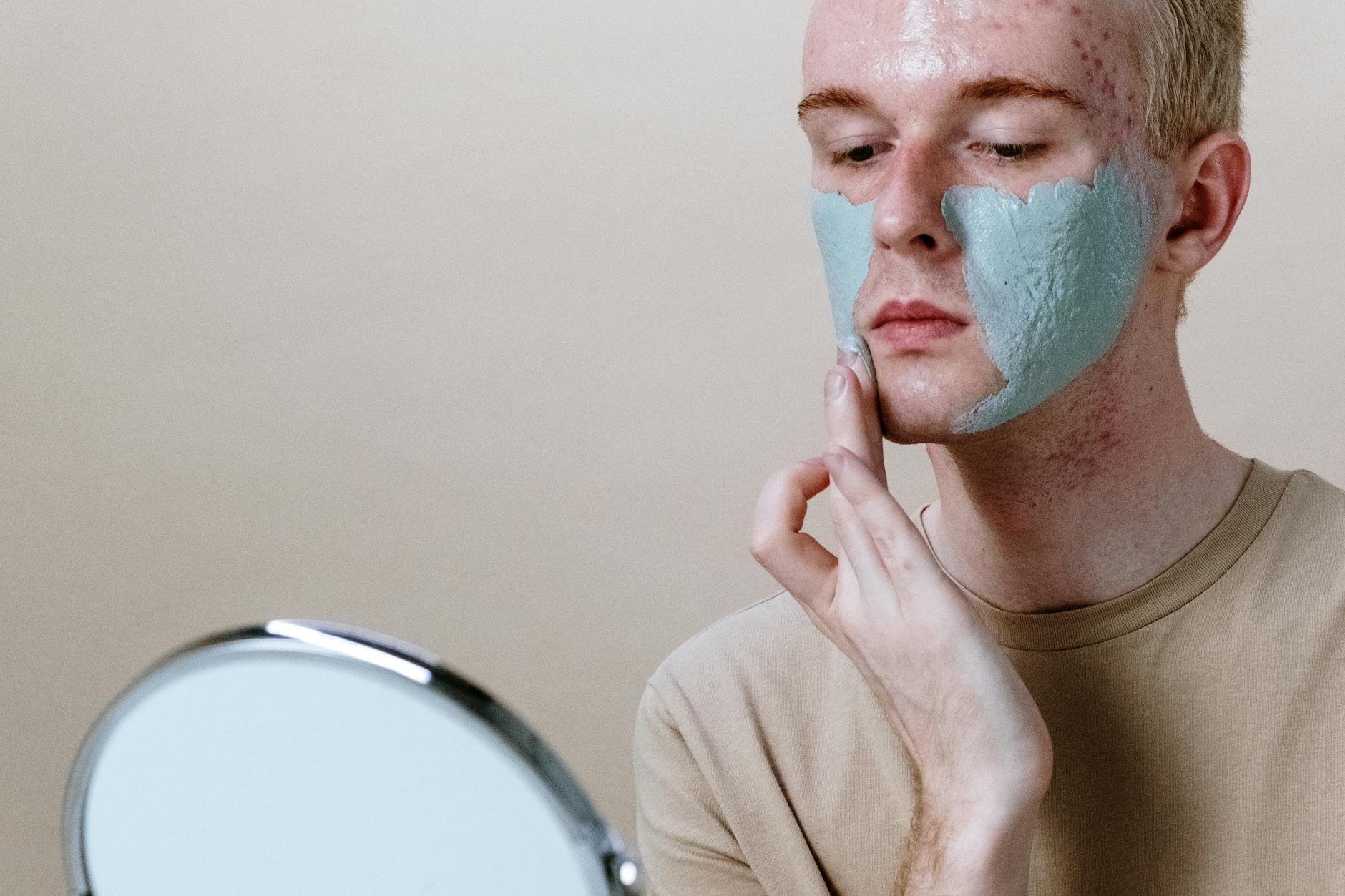
Once scabs fully shed (usually by day 10-14), the treated area will appear pink, possibly slightly swollen, and sometimes with a shiny or “wet” appearance. This is new skin that’s still healing. The area might feel tender or sensitive to touch. Redness typically persists for 4-12 weeks depending on how deep the TCA penetrated and your skin’s natural inflammatory response. Darker skin types may experience temporary hyperpigmentation that can last several months and require sun protection or additional treatments like hydroquinone to fade.
During this post-scab phase, use only gentle, minimal skincare. Cleanser, moisturizer, and broad-spectrum SPF 30+ are sufficient. Avoid heat, strenuous exercise, and heavy sweating for at least a week because sweat can irritate healing skin. If you had TCA Cross for acne scars, you may need multiple treatments spaced 6-8 weeks apart to achieve cumulative improvement. Each session creates another round of scabbing and healing, so expect this timeline if your provider recommends a series.
Long-Term Results and When to Consider Repeat Treatments
Most people see visible scar improvement 8-12 weeks after a single TCA Cross treatment, with continued subtle improvements up to 6 months as collagen remodeling completes. Some scars—particularly deep ice pick scars—require 2-3 treatments to noticeably flatten. Macular (flat) atrophic scars often respond faster than rolling or boxcar scars. Results are permanent in the sense that you won’t regress, but aging and new acne breakouts can create new scars over time, so results are stable rather than transformative forever.
TCA Cross is also being used increasingly for other concerns beyond acne scars: melasma, post-inflammatory hyperpigmentation, and superficial wrinkles. The scabbing timeline and care remain the same regardless of indication. As technology evolves, fractional laser treatments offer a middle ground between the intensity of full-strength TCA and gentler peels, with less dramatic scabbing. However, TCA Cross remains a gold standard for severe scarring because its depth and intensity haven’t been matched by newer modalities. If you’re considering this treatment, the scabbing phase is temporary and necessary; the results can be permanent.
Conclusion
TCA Cross causes scabbing because it creates a controlled chemical burn designed to trigger deep skin remodeling. Scabs are a normal, expected, and necessary part of the healing process—they’re not a sign of damage or infection, but rather evidence that the treatment is working at the depth needed to improve scars or other skin concerns. The scab phase typically lasts 7-14 days and requires clean, gentle care with minimal intervention; patience during this window directly correlates with better final results.
To maximize your outcome, follow your provider’s aftercare instructions precisely, avoid picking or forcibly removing scabs, protect the area from sun exposure, and resist the urge to apply active skincare products until healing is complete. If you see signs of true infection or the scabs don’t progress as expected, contact your provider. The temporary discomfort and visible scabbing of TCA Cross is the trade-off for results that more gentle treatments often can’t achieve.
Frequently Asked Questions
Can I wear makeup over TCA scabs?
No. Makeup can trap bacteria, irritate healing skin, and interfere with the natural scab shedding process. Wait until scabs are completely gone and the area has been cleared by your provider before resuming makeup use.
How dark will the scabs get?
Scabs typically darken to brown or tan within 2-3 days. The exact shade depends on your skin tone and how deep the TCA penetrated. Darker skin types may see more pronounced discoloration. Scabs usually look worse on day 4-5 before they start improving.
Is it normal for the scab to be raised and thick?
Yes. TCA creates a thick eschar that can feel quite raised and hard. This is normal and indicates good depth. As it sheds, it will gradually become flatter. However, if the scab continues to thicken or becomes very painful after day 5, contact your provider.
When can I exercise or sweat?
Avoid strenuous exercise and sweating for at least 7-10 days after treatment, or until scabs have completely shed. Sweat can irritate open or semi-healed skin and increase infection risk. Light walking is usually fine after 2-3 days.
Will the redness after the scabs fall off fade completely?
Most redness fades significantly within 8-12 weeks, though some people have residual pinkness for 4-6 months depending on skin tone and depth of treatment. Consistent sun protection accelerates fading. Darker skin types may see hyperpigmentation instead of redness, which requires different management.
Can I redo TCA Cross if I’m not happy with results from the first treatment?
Yes. Most providers recommend waiting 6-8 weeks between treatments to allow full healing and to assess results accurately. A series of 2-3 treatments is common for deep scarring. Your provider will determine the appropriate spacing.