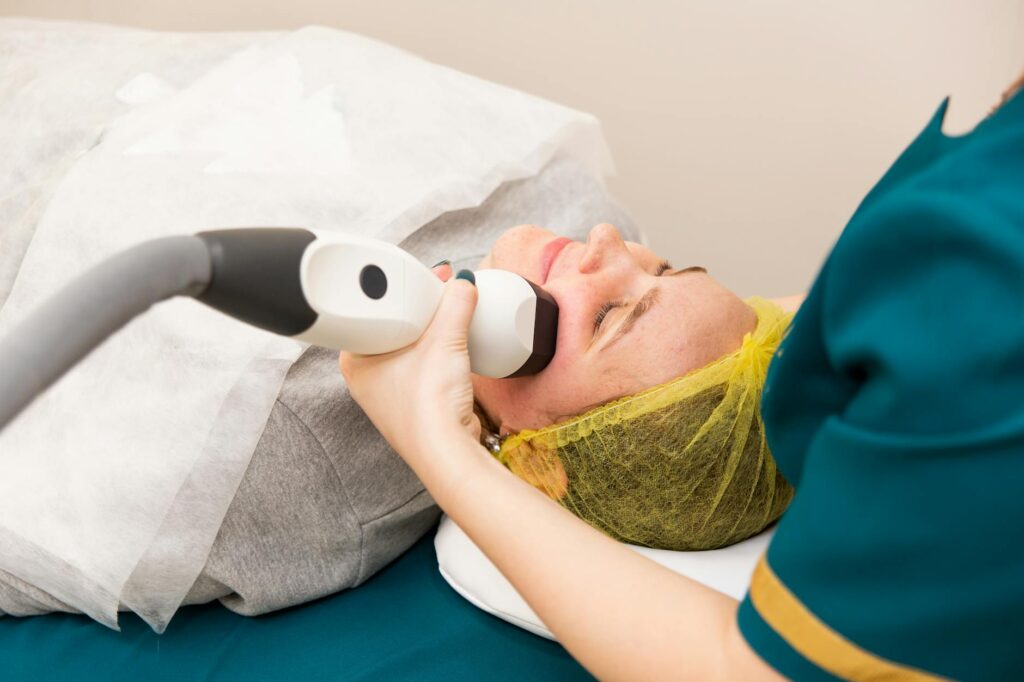
Rolling scars improve dramatically when subcision and exosomes are combined, with clinical studies showing 85.7% of patients achieving excellent response rates. Subcision mechanically releases the scar tissue tethering the skin, while exosomes—tiny cellular particles derived from mesenchymal stem cells—deliver growth factors and bioactive molecules directly into the damaged tissue to stimulate healing and rebuild the skin’s underlying structure. Together, these treatments address rolling scars from two different angles: subcision breaks the scar’s mechanical grip on the skin, and exosomes rebuild the collagen and extracellular matrix that was damaged during the initial acne scarring. This article explains exactly how each treatment works, why they’re so effective together, what the clinical evidence shows, and what you can realistically expect from this combination approach.
Table of Contents
- How Does Subcision Treat Rolling Scars and Why Add Exosomes?
- The Mechanisms: How Exosomes Reprogram Scar Tissue Healing
- The Clinical Evidence for Combined Subcision and Exosome Treatment
- What the Standard Treatment Protocol Looks Like
- Safety Profile and What to Realistically Expect During Healing
- Comparing Exosomes to Other Growth Factor Therapies for Acne Scars
- Current Research Status and Where Exosome Science Is Heading
- Conclusion
How Does Subcision Treat Rolling Scars and Why Add Exosomes?
Rolling scars are depressions in the skin caused by loss of collagen and fibrosis under the skin’s surface. The scar tissue pulls the skin downward, creating that characteristic undulating appearance. subcision works by using a specialized needle (typically a nokor needle) to go underneath the scar and physically break apart the fibrous bands that tether the depressed skin to the underlying tissue. By releasing this mechanical tension, the skin can flatten and rise closer to the normal skin level.
However, subcision alone leaves a wound cavity that needs to fill in with healthy tissue—this is where exosomes come in. Exosomes fill the gap that subcision creates and guide the healing process in the right direction. After subcision breaks the fibrotic bands, exosomes are delivered into the same deep dermal layer (typically via a 25-gauge cannula) to stimulate collagen production and accelerate tissue repair. Without this biological stimulus, the body might simply lay down the same type of scarring collagen that caused the problem in the first place. Clinical studies comparing subcision alone to subcision plus concentrated growth factors show superior results with the combined approach, because the growth factors ensure that newly formed collagen is organized properly and abundant enough to fill the scar defect.

The Mechanisms: How Exosomes Reprogram Scar Tissue Healing
Exosomes are vesicles packed with growth factors, cytokines, and other bioactive molecules sourced from mesenchymal stem cells. When delivered into scarred tissue, they don’t just fill space—they actively reprogram the healing environment. Specifically, exosomes regulate the ratio of Type III collagen to Type I collagen, which is critical because Type III collagen is immature and abundant in new scar formation, while Type I is the mature, stable collagen that makes skin look and function normally. By shifting this ratio and modifying TGF-β signaling pathways, exosomes push the tissue toward proper extracellular matrix reconstruction rather than abnormal scar formation.
Importantly, exosomes also reduce inflammation and fibrosis in the damaged tissue. The inflammatory microenvironment surrounding acne scars often perpetuates abnormal collagen deposition, keeping scars from improving on their own. Exosomes dampen this inflammatory state while simultaneously promoting the growth factors needed for repair—essentially creating an optimal chemical environment for skin healing. This is why the combination with subcision is so powerful: subcision removes the mechanical barrier, and exosomes optimize the biological healing that follows.
The Clinical Evidence for Combined Subcision and Exosome Treatment
The most compelling evidence comes from a clinical study involving 60 patients where subcision combined with concentrated growth factors produced measurably superior results compared to subcision alone. In systematic reviews of exosome therapies for acne scars, atrophic scar thickness was reduced by 32.5% in exosome-treated groups compared to just 19.9% in control groups receiving standard treatment. These aren’t marginal differences—the exosome-treated patients achieved scar improvement that was 63% better than controls.
For rolling scars specifically, a clinical study published in the Journal of Cosmetic Dermatology in 2026 evaluated exosome efficacy on surgical scars and documented an 85.7% excellent response rate. This means nearly 9 out of 10 patients experienced significant, noticeable improvement in their rolling scars. The study also noted that improvement continued over several months as the exosomes stimulated ongoing collagen remodeling. Most patients required multiple treatment sessions spaced 45-60 days apart to achieve these results, but the cumulative effect was substantial.
What the Standard Treatment Protocol Looks Like
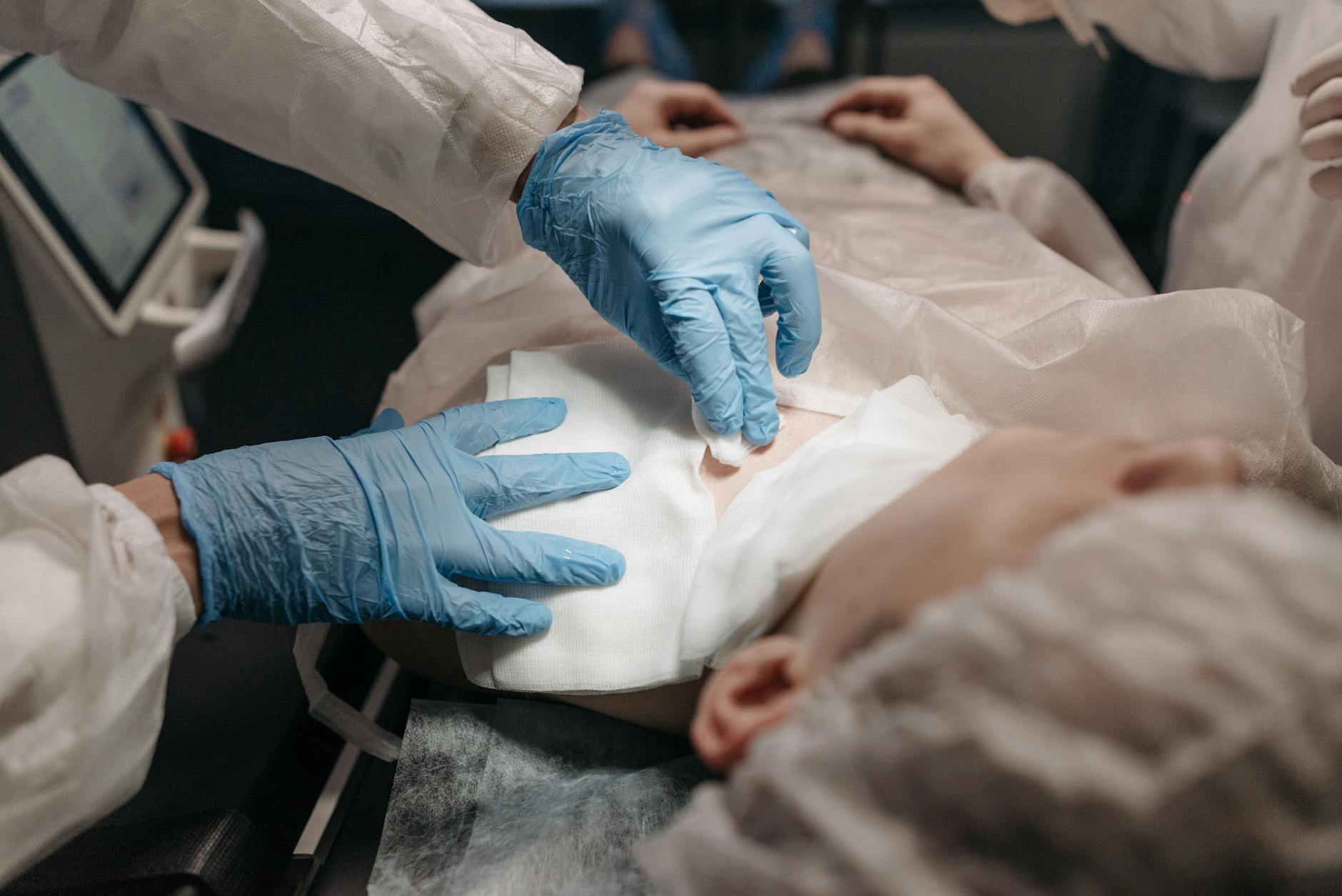
The typical combined treatment plan spans several months and involves a specific sequence. The standard protocol is two sessions of subcision combined with exosome delivery, followed by two sessions of platelet-rich plasma (PRP) with microneedling, with all sessions spaced 45-60 days apart. This spacing allows sufficient time for collagen remodeling between treatments—rushing treatments increases inflammation and reduces efficacy.
During each session, the physician performs subcision using a Nokor needle to release fibrotic bands, then infiltrates exosomes via deep dermal cannula into the same areas to stimulate healing. The choice to include PRP with microneedling after the initial subcision-exosome treatments provides additional collagen stimulation through a different mechanism. While exosomes work primarily through delivered growth factors, PRP and microneedling activate the body’s own growth factors and leverage the inflammatory response from controlled micro-injury to drive collagen production. Some clinicians reverse the order or adjust the number of sessions based on scar severity, but the 45-60 day spacing is consistent across protocols because it respects the biological timeline of collagen remodeling.
Safety Profile and What to Realistically Expect During Healing
Adverse events from exosome and subcision treatments are consistently mild, localized, and transient. The most common side effects are temporary erythema (redness), edema (swelling), minor discomfort, skin dryness, and occasionally self-resolving petechiae (tiny blood spots from the needle punctures). These typically resolve within 3-7 days. Importantly, across all clinical studies, there have been no documented infections, scarring from the procedure itself, systemic reactions, or long-term complications. This safety profile is significantly better than ablative laser resurfacing, which carries higher risks of infection and permanent pigmentation changes.
However, rolling scars won’t disappear after a single treatment—they improve gradually over months as collagen remodels. Patients often see the most dramatic improvement between 6-12 weeks after completing the full treatment series. Some residual scarring typically remains, particularly if scars were deep or severe before treatment. The goal is substantial improvement (50-70% better appearance), not complete erasure. Realistic expectations are essential: exosomes and subcision are the most effective combination currently available for rolling scars, but they work within the biological limits of scar tissue remodeling.

Comparing Exosomes to Other Growth Factor Therapies for Acne Scars
Exosome therapy has emerged as a strong alternative to older methods like straight platelet-rich plasma (PRP) or fibrin glue for filling subcision defects. A 2025 comparative study evaluated adipose mesenchymal stem cell-derived exosomes versus PRP for photoaged skin and found that exosome therapy was non-inferior to PRP while offering several advantages: exosomes can be produced in standardized, consistent batches, they contain a broader spectrum of bioactive molecules than PRP, and they show more consistent results across different patients. Unlike PRP, which depends on the quality of the patient’s own blood, exosome products can be quality-controlled and optimized.
That said, some clinicians still prefer combining PRP with subcision in the same session, then using exosomes in follow-up treatments. Others use exosomes first to maximize initial healing, then PRP later for additional collagen stimulation. The choice often depends on what products are available at the treatment center and the physician’s experience. What matters most is that some form of growth factor delivery follows subcision—the evidence is clear that subcision alone is less effective than subcision combined with either exosomes or PRP.
Current Research Status and Where Exosome Science Is Heading
Engineered exosomes show remarkable potential for wound healing and scar improvement, but the field is still rapidly evolving. A 2025 systematic review in the Journal of Translational Medicine noted that while exosome therapies demonstrate minimal adverse effects and promising efficacy, larger and more rigorous clinical trials are still required to fully establish standardized safety and efficacy protocols. This means that exosome products available today vary in their sourcing, concentration, and bioactive content depending on the manufacturer and production method.
Looking forward, researchers are working on engineering exosomes with specific properties optimized for scarring—for example, exosomes loaded with particular growth factors or modified to penetrate deeper into tissue. The 2026 split-scar study published in the Journal of Cosmetic Dermatology evaluated exosome efficacy on surgical scars and provides a foundation for understanding how well this approach works on different scar types. As clinical protocols become more standardized and more dermatologists gain experience with exosome delivery, it’s likely that response rates will improve and treatment protocols will become more refined.
Conclusion
Subcision combined with exosome therapy represents the most evidence-based approach currently available for treating rolling acne scars. Subcision mechanically releases the fibrotic bands pulling the skin downward, while exosomes deliver growth factors that reprogram the healing environment and rebuild healthy collagen architecture—together achieving 85.7% excellent response rates in clinical studies. The typical treatment involves 2-4 sessions spaced 45-60 days apart, with visible improvement developing over 6-12 weeks as collagen remodels.
If you have rolling scars that have persisted for years despite topical treatments and aren’t responsive to standard therapies, subcision with exosomes is worth discussing with a dermatologist who specializes in acne scar revision. Realistic expectations are important: the goal is substantial improvement (typically 50-70% reduction in scar appearance), not complete elimination. The safety profile is excellent, with only mild, temporary side effects documented. As exosome science continues to advance and treatment protocols become standardized, outcomes will likely continue to improve.