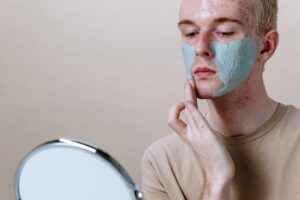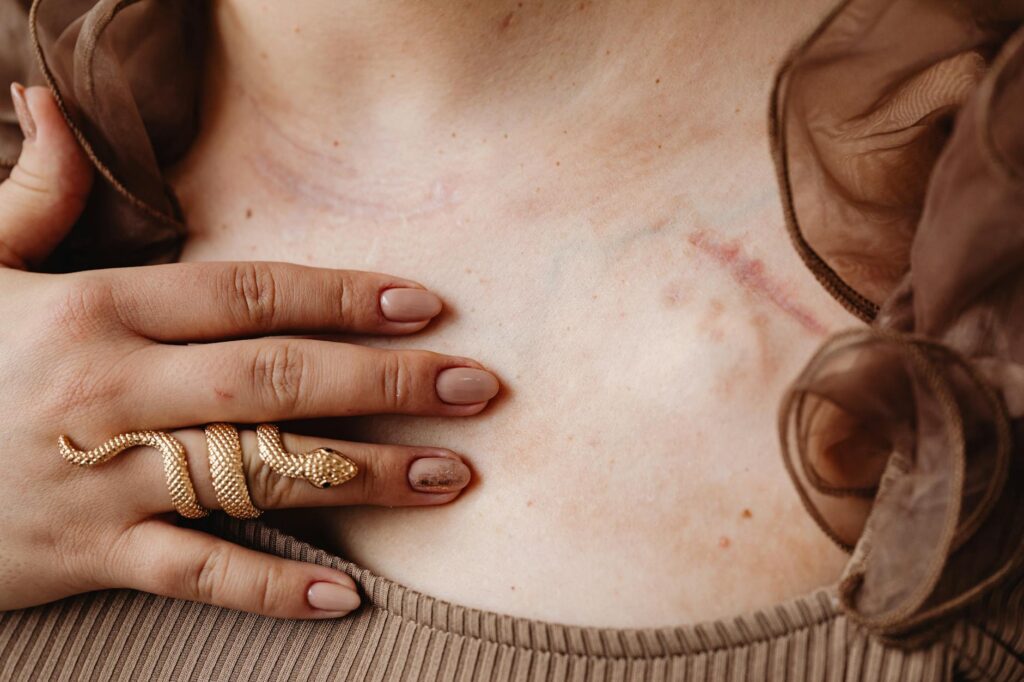
Subcision bruising typically appears within 24 to 48 hours after the procedure, peaks around day 3 to 5, and gradually fades over 2 to 3 weeks, though faint discoloration can linger for up to 6 weeks. The bruising is usually more extensive than patients expect—most people develop dark purple or deep blue patches across the treated area, sometimes extending beyond where the needle was inserted. The severity varies significantly based on your skin type, the extent of the procedure, how deeply the needling was performed, and whether multiple passes were used. This article covers the complete bruising timeline, what different stages look like, factors that determine severity, practical management strategies, and how to distinguish normal bruising from complications that warrant follow-up with your dermatologist.
Table of Contents
- How Does the Bruising Timeline Progress After Subcision?
- What Does Subcision Bruising Actually Look Like and What Determines Severity?
- How Does Bruising Differ Based on Individual Skin Characteristics?
- What Are the Most Effective Strategies for Managing Bruising During Recovery?
- When Should You Be Concerned That Bruising Indicates a Problem?
- How Can You Support Faster Healing and Soften Bruising Appearance?
- Planning Your Schedule and Setting Realistic Expectations Around Bruising
- Conclusion
How Does the Bruising Timeline Progress After Subcision?
Bruising from subcision follows a predictable pattern in most cases. The first 24 hours after treatment often show minimal visible bruising—you might notice slight redness or tenderness, but the dramatic discoloration hasn’t developed yet. By day 2 to 3, the bruising becomes pronounced as blood pools under the skin, turning deep purple, blue, or dark red. This is the worst phase aesthetically, and it’s when most patients feel concerned about whether the extent of bruising was normal. Between days 5 and 10, the bruising transitions from dark purple to lighter purple, then gradually shifts to yellow and green hues as your body breaks down the blood underneath the skin.
By week 2, most patients see significant improvement, and by week 3, bruising is typically faint enough to cover with makeup. However, the exact timeline varies. Patients with deeper subcision needling, larger treatment areas, or those whose dermatologists performed multiple aggressive passes may have bruising that peaks higher and takes longer to resolve. For example, a patient who had a subcision procedure performed on severe rolling scars across the entire cheeks might develop bruising that extends from the temple area down to the jawline, persisting for a full month, while a patient with isolated scars on the chin might see bruising fade in 10 days. Individual factors like age, skin thickness, and how quickly your body metabolizes blood all influence the timeline.
What Does Subcision Bruising Actually Look Like and What Determines Severity?
Subcision bruising typically appears as patches or bands of dark discoloration that don’t follow clean lines—they’re irregular in shape and often larger than the actual treated area because blood tracks along tissue planes beneath the skin. The colors progress from deep purple and blue (days 2-5) to purple-green (days 6-10) to yellow-brown (days 10-21). The bruising often has poorly defined edges and may feel slightly swollen or tender when touched. In some cases, bruising can cover an area much larger than the actual treatment zones, extending several inches beyond where the dermatologist focused the needle. Several factors determine how severe your bruising becomes.
Dermatologists who are more aggressive with subcision, performing multiple passes or using deeper needle insertions, typically create more extensive bruising. The number of passes matters significantly—a single pass might create modest bruising, while three or four passes can produce bruising dark enough to affect your ability to go out without makeup. Additionally, patients on blood thinners (including aspirin, NSAIDs, or prescription anticoagulants), those with bleeding disorders, or people who bruise easily in general will experience more severe and longer-lasting bruising. Interestingly, patients with darker skin tones sometimes report that bruising is harder to see clearly because the purple-blue discoloration doesn’t contrast as sharply, but the bruising is still present beneath the surface. Fine, thin-skinned individuals also tend to bruise more visibly because there’s less tissue to absorb and diffuse the blood.
How Does Bruising Differ Based on Individual Skin Characteristics?
Bruising severity and appearance vary considerably based on your baseline skin characteristics. Younger patients with more resilient skin and faster cellular turnover sometimes heal slightly faster, though the initial bruising can still be just as dark. Older patients may experience bruising that’s somewhat less intense but potentially lasts slightly longer as healing processes slow down. Patients with very fair skin will see bruising in vivid purple and blue tones that are immediately obvious, while patients with medium to dark skin may have bruising appear as deeper purple-brown patches that blend more with natural skin tone—but this doesn’t mean less blood is present, it’s simply a contrast issue. Skin thickness plays an underappreciated role in bruising appearance.
People with naturally thicker, more resilient skin can have extensive underlying bruising that appears less visually severe because the blood is dispersed over a larger area. Conversely, thin-skinned individuals might develop darker, more concentrated bruising in smaller patches. A patient with thin, fair skin might have visible bruising from the cheekbone down to the jaw that appears severe, while a patient with thicker, medium-toned skin could have equally extensive bruising underneath that appears as a general darkening rather than distinct purple patches. Both situations involve comparable blood extravasation, but the visual impact differs substantially. This is important because it means you shouldn’t judge your healing progress solely by how dark your bruising looks—some people’s skin simply shows discoloration more dramatically.
What Are the Most Effective Strategies for Managing Bruising During Recovery?
The most effective way to minimize bruising starts before the procedure: discontinue blood-thinning supplements (arnica, fish oil, vitamin E) and NSAIDs like ibuprofen for at least one week beforehand, with many dermatologists recommending two weeks. After subcision, immediate ice application for the first 24 to 48 hours can help reduce swelling and may limit blood pooling beneath the skin. Apply ice for 15 minutes every 2 to 3 hours, using a clean cloth between your skin and the ice pack to avoid direct contact. This is most effective in the immediate post-procedure hours—applying ice five days later when bruising is already dark won’t reverse what’s already happened, though it may help with any residual swelling. Arnica Montana is frequently recommended for bruising management, though clinical evidence on its effectiveness is mixed.
Some dermatologists suggest starting arnica after 48 hours have passed (not before, as it can increase bleeding), while others note that the evidence for oral or topical arnica in reducing bruising is inconsistent across studies. If you choose to use arnica, apply topical arnica gel starting day 3 and continue for 2 to 3 weeks. Bromelain, an enzyme from pineapple, has some evidence supporting its role in reducing bruising when started after the first 48 hours, at doses around 500-1000 mg daily. Vitamin K cream applied topically after the initial swelling phase has also been studied for bruise reduction. However, realistic expectations matter: no supplement will eliminate bruising entirely. The most honest comparison is that supplements may reduce bruising duration by a few days or minimize intensity by 20-30%, but they won’t prevent bruising from developing in the first place.
When Should You Be Concerned That Bruising Indicates a Problem?
Most bruising after subcision is normal, but certain patterns warrant contact with your dermatologist. Bruising that continues to darken and expand beyond day 5 suggests either excessive bleeding or inadequate clotting, both of which should be evaluated. Bruising that’s extremely asymmetrical—dark and extensive on one side of the face while barely visible on the other—can indicate uneven technique or a potential complication if accompanied by swelling. If you develop bruising in areas that were not treated (like spreading across your entire face when only the cheeks were treated), this is unusual and should be mentioned to your dermatologist. Severe swelling accompanying bruising, especially swelling that increases after day 3 rather than improving, is another warning sign.
Normal post-subcision swelling peaks around day 2 to 3, then gradually improves. If you wake up on day 5 or 6 with significantly worse swelling alongside dark bruising, contact your dermatologist to rule out infection or other complications. Additionally, if you experience bruising accompanied by persistent pain, numbness, or unusual sensations beyond normal post-procedure tenderness, this could indicate nerve irritation. Lastly, if bruising is accompanied by signs of infection—increasing warmth, redness beyond the bruising, pus, or fever—seek medical attention promptly. The distinction is important: dark bruising alone is normal; dark bruising plus these other symptoms warrants professional evaluation.
How Can You Support Faster Healing and Soften Bruising Appearance?
Once bruising has developed, several evidence-based approaches can support healing and soften its appearance. Keeping the area well-hydrated and moisturized supports skin barrier function—use your regular moisturizer or a healing balm like CeraVe or Aquaphor starting day 2 (after any oozing has stopped). Avoid heat exposure, including hot showers, saunas, and direct sun, for the first week, as heat can increase circulation and potentially prolong bruising. Sun protection is critical: use a broad-spectrum SPF 30+ sunscreen starting day 3, as sun exposure can darken bruising and cause post-inflammatory hyperpigmentation that can persist for weeks. Gentle lymphatic drainage can support healing without forcing the process.
Starting around day 3 to 5, when acute swelling has plateaued, you can perform gentle facial massage in the direction of lymph flow—moving upward and outward from the center of the face toward the ears and neck. This isn’t aggressive massage; think of it as barely-touching, 10-second gentle strokes, two to three times daily. This can help move accumulated blood and fluid more efficiently, potentially reducing both swelling and bruising duration. Avoid any direct pressure on the treated areas for the first week. Some patients also report that sleeping with their head elevated on an extra pillow helps reduce swelling, which indirectly supports faster bruising resolution.
Planning Your Schedule and Setting Realistic Expectations Around Bruising
The timing of your subcision procedure matters if you have social or professional obligations. If you have an important event in two weeks, you should expect to rely on makeup for coverage, as bruising often hasn’t fully resolved by day 14. If your event is in one week, there’s a meaningful risk that bruising will be quite visible and dark unless you’re comfortable with full foundation or color-correcting concealer coverage. For professional settings or public appearances, consider scheduling subcision at least three weeks before significant commitments if possible. However, if your acne scarring has been bothersome for years, waiting another few months for perfect timing might not be the best approach—some patients find the temporary bruising worth the permanent improvement in their scars.
Looking forward, it’s helpful to understand that seeing bruising doesn’t mean the procedure failed or caused harm. Bruising is actually a sign that the subcision effectively broke up scar tissue and triggered the healing response. The bruising is temporary; the scar improvement is lasting. Some patients report that once the bruising fully fades, they’re pleasantly surprised by how much their scars have improved even immediately after healing, with continued improvement over the following months as collagen remodels. This long-term perspective can help you tolerate the temporary aesthetic disruption of bruising.
Conclusion
Subcision bruising is a predictable but variable aspect of treatment that typically appears within 24 to 48 hours, peaks around day 3 to 5, and fades significantly by week 3, though complete resolution can take 4 to 6 weeks. The appearance and severity depend on your dermatologist’s technique, your individual skin characteristics, baseline bleeding tendencies, and how aggressively the procedure was performed. While no strategy completely prevents bruising, discontinuing blood thinners beforehand, applying ice immediately after treatment, using targeted supplements like arnica or bromelain after 48 hours, and protecting your skin from sun exposure can all help minimize severity and support faster healing.
If you’re considering subcision for acne scars, discuss bruising expectations with your dermatologist beforehand so you can schedule the procedure at an optimal time for your lifestyle. Ask your dermatologist about their typical bruising patterns with their technique—experienced practitioners who perform hundreds of subcision procedures often have realistic, detailed information about what patients should expect. Remember that the temporary bruising is a normal part of the healing process, not a complication, and most patients find the permanent improvement in their scarring well worth the 2 to 3 weeks of visible bruising.