
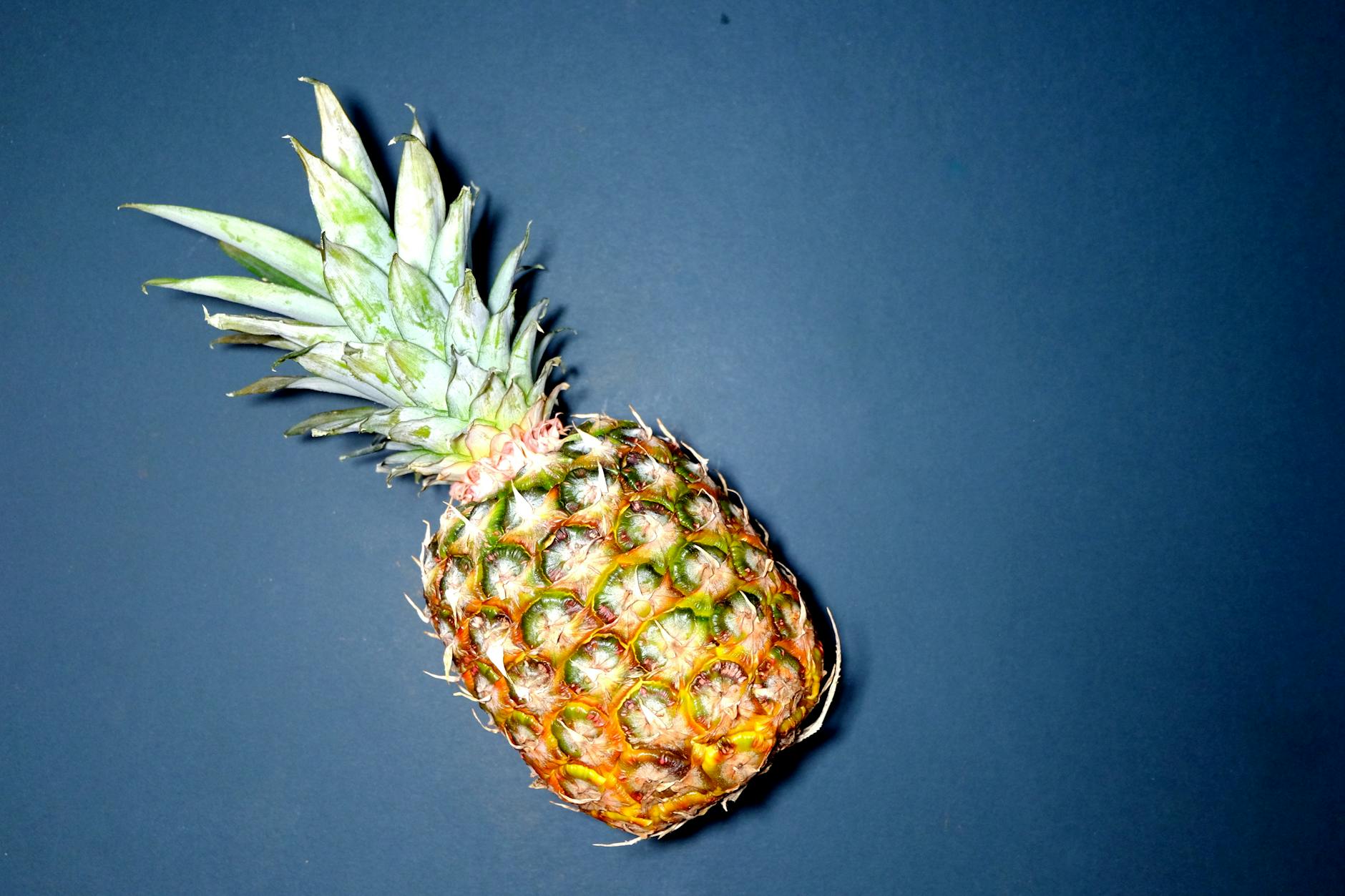
Bromelain reduces swelling after acne scar procedures through multiple mechanisms: it suppresses inflammatory signaling pathways in your body, breaks down fibrin that accumulates after trauma to the skin, and dramatically reduces the migration of inflammatory cells to the treatment area. When you undergo a procedure like microneedling, laser resurfacing, or chemical peeling for acne scars, your skin triggers an inflammatory response as part of healing.
Bromelain—a naturally occurring enzyme from pineapple—interferes with this cascade at multiple points, which clinical research now shows can meaningfully reduce both edema and bruising within days to weeks of treatment. This article explains how bromelain works to control post-procedure swelling, reviews the clinical evidence for its effectiveness, covers the biochemical mechanisms behind its action, and explores practical ways dermatologists and patients use it in real clinical settings. Understanding how bromelain functions at the cellular level will help you understand why it’s become a staple recommendation for anyone undergoing procedures to treat acne scars.
Table of Contents
- What Does The Clinical Evidence Say About Bromelain for Post-Procedure Swelling?
- How Bromelain Actually Works to Reduce Inflammation at the Molecular Level
- Fibrinolysis and How Bromelain Breaks Down Post-Procedure Debris
- Practical Application and Dosing After Acne Scar Treatments
- Important Limitations and What Bromelain Cannot Do
- Combination Approaches with Bromelain for Optimal Results
- The Future of Bromelain and Emerging Applications in Acne Scar Treatment
- Conclusion
What Does The Clinical Evidence Say About Bromelain for Post-Procedure Swelling?
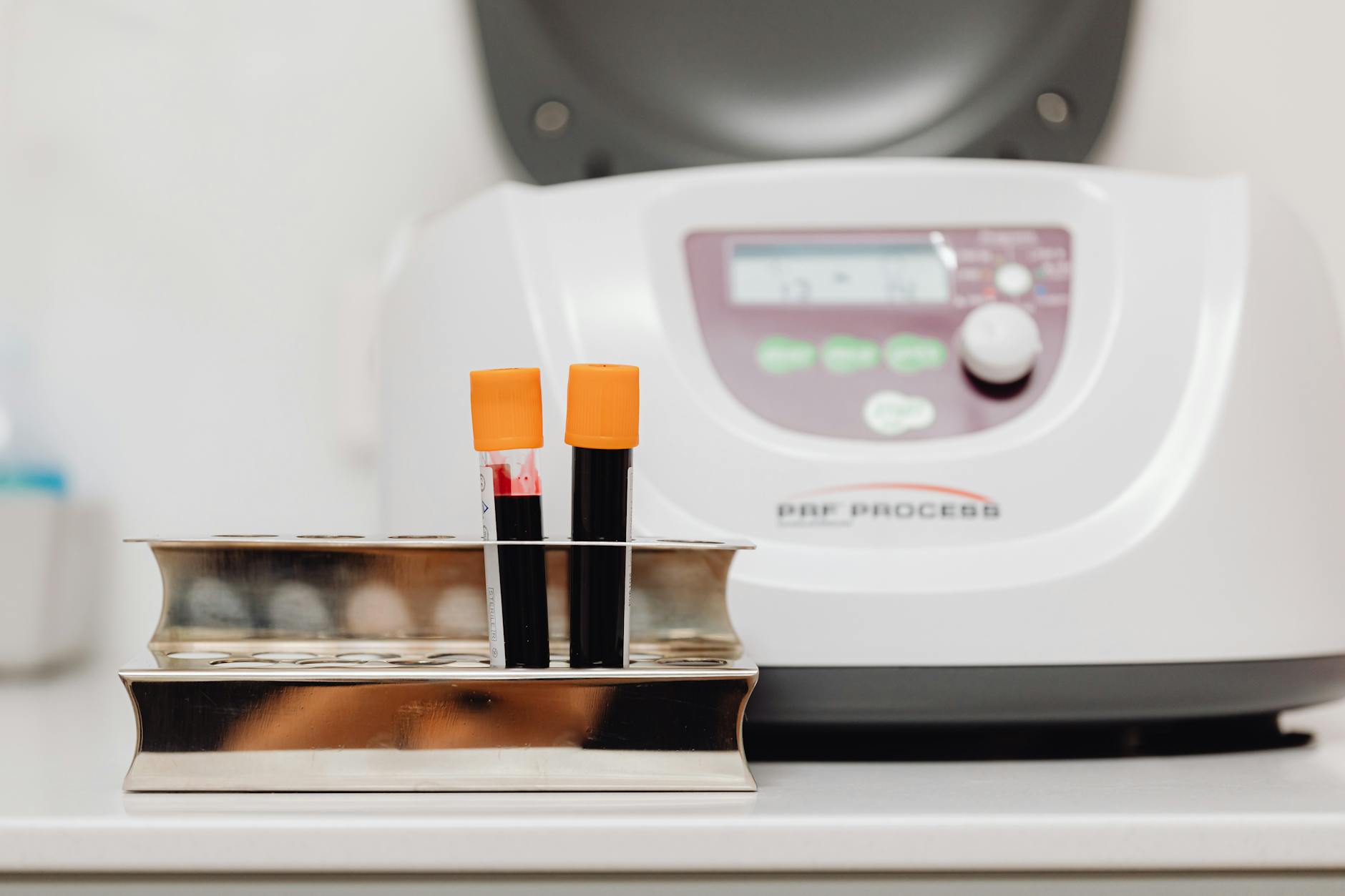
The strongest evidence for bromelain comes from recent randomized controlled trials. A 2025 study published in Scientific Reports specifically tested bromelain alongside alpha-lipoic acid in patients undergoing acne scar procedures and found that bromelain-treated groups showed statistically significant reductions in edema compared to placebo at both 1 day and 1 month post-procedure. Bromelain alone demonstrated significant reduction in swelling after 1 month, meaning the benefit compounds over time rather than just masking symptoms immediately.
This is important because it suggests bromelain is actually accelerating healing mechanisms, not just suppressing inflammation artificially. An earlier randomized, double-blind, placebo-controlled trial examining bromelain combined with curcumin found that this combination reduced inflammation and erythema (redness) caused by acne after 4 weeks. While this trial focused on active acne rather than post-procedure settings, it established that bromelain can measurably reduce the inflammatory cascade that leads to both redness and swelling. The consistency across multiple trials using different bromelain formulations and different patient populations suggests the effect is robust and not dependent on unusual circumstances.
How Bromelain Actually Works to Reduce Inflammation at the Molecular Level
To understand why bromelain is effective, you need to know what happens when your skin undergoes a procedure. The treatment creates controlled micro-injuries, which triggers your immune system to flood the area with neutrophils—the body’s first responders to tissue damage. These white blood cells produce inflammatory molecules and can themselves cause swelling as they accumulate. Bromelain interrupts this process by reducing neutrophil migration by 50-85% in multiple laboratory and animal models. More specifically, bromelain works by preventing the firm adhesion of leukocytes to blood vessel walls at inflammation sites, which means fewer immune cells can leave the bloodstream and enter the tissue in the first place.
Beyond blocking cell migration, bromelain suppresses the molecular signals that drive inflammation. It inhibits NF-κB activation, a central signaling pathway that controls the expression of inflammatory genes. It also reduces COX-2 enzyme expression, which produces inflammatory mediators, and measurably lowers levels of pro-inflammatory cytokines including TNF-α, IL-1β, and IL-6. However, there’s an important nuance: while complete suppression of inflammation would prevent swelling, it would also potentially impair wound healing itself. The goal is modulation—reducing excessive inflammation while preserving the healing process. This is why bromelain works better as an adjunct (something added to the healing process) rather than a replacement for proper aftercare.
Fibrinolysis and How Bromelain Breaks Down Post-Procedure Debris
One of the most underappreciated mechanisms of bromelain is its fibrinolytic activity—its ability to break down fibrin, a protein scaffold that forms clots and accumulates after skin injury. When you have a procedure that creates micro-trauma, fibrin naturally deposits in the area as part of your body’s healing response. However, when fibrin accumulates excessively, it traps fluid and creates edema. Bromelain enzymatically degrades this fibrin, which increases tissue permeability and allows fluid to drain more efficiently.
This fibrinolytic action also improves local blood circulation, which accelerates healing and reduces bruising (ecchymosis) as a secondary benefit. Dermatologists internationally have adopted bromelain as a standard recommendation alongside arnica for limiting both ecchymosis and edema following cosmetic, laser, and surgical skin procedures. The evidence is strong enough that some practices now consider bromelain part of the standard post-procedure protocol, not an optional supplement. For example, after ablative laser treatment for acne scars, where swelling can be significant and visible, adding bromelain can reduce both the severity and duration of edema, allowing patients to return to normal activities and appearance faster.
Practical Application and Dosing After Acne Scar Treatments
If you’re considering bromelain supplementation after an acne scar procedure, timing and dosage matter. Most clinical evidence suggests starting bromelain supplementation within the first 24-48 hours after your procedure, when initial swelling is developing. The studies showing significant reduction in edema at 1 day post-procedure used supplemental bromelain doses, not topical applications, meaning you need to take it orally for the systemic anti-inflammatory effect. Doses in trials typically ranged from several hundred to 1000+ milligrams per day, though specific dosing should be discussed with your dermatologist since individual factors like body weight, severity of procedure, and other medications can affect optimal dosing.
One practical consideration is whether to use bromelain alone or in combination with other anti-inflammatory agents. The clinical trial using bromelain with curcumin (from turmeric) was designed specifically because curcumin has complementary anti-inflammatory mechanisms—together they target multiple pathways. Many patients find that combining bromelain with other modalities (ice, elevation, compression, certain topical treatments) produces better results than any single approach alone. However, if you’re on blood thinners or have a bleeding disorder, you should consult your doctor before adding bromelain, as it has weak anticoagulant properties and could theoretically increase bruising rather than reduce it.
Important Limitations and What Bromelain Cannot Do
While bromelain is effective, the evidence base is still developing, and there are realistic limitations. The trials showing benefit at 1 day and 1 month post-procedure are encouraging, but larger-scale studies are still needed to fully establish bromelain’s efficacy specifically for acne scar procedures. Most existing trials tested bromelain for post-surgical swelling more broadly, or for active acne inflammation, rather than the specific setting of scar revision procedures.
This means some clinical extrapolation is necessary—the mechanisms are sound and the evidence is suggestive, but dermatologists are making educated recommendations based on related evidence rather than direct head-to-head comparison to other swelling-reduction approaches in the acne scar context. Additionally, bromelain works best when swelling is developing due to normal inflammatory response, but may be less effective if swelling is due to infection, hematoma (blood collection), or other complications. If a procedure results in unexpected or severe swelling that worsens despite bromelain, this is a signal to contact your dermatologist rather than assume bromelain will eventually manage it. Bromelain also requires sustained use over days to weeks to show the full benefit—taking a single dose and expecting immediate results will likely disappoint.
Combination Approaches with Bromelain for Optimal Results
The evidence suggests that bromelain works best as part of a comprehensive post-procedure strategy rather than as a standalone solution. Cold therapy in the first 48 hours reduces blood flow and edema mechanically, while bromelain works at the molecular level to prevent excessive inflammation—the two approaches complement each other.
Similarly, compression (through bandaging or special garments) helps prevent fluid accumulation, and bromelain helps clear fluid that does accumulate. One specific example: after ablative fractional laser treatment for acne scars, where significant swelling and erythema are expected, combining cold therapy, mild compression, elevation, bromelain supplementation, and curcumin as adjunctive therapy has shown good outcomes in clinical practice. The bromelain addresses the molecular inflammatory cascade, while the physical interventions address fluid dynamics.
The Future of Bromelain and Emerging Applications in Acne Scar Treatment
As dermatologists continue to refine acne scar treatment, bromelain is likely to remain relevant specifically for managing post-procedure swelling. The 2025 evidence is particularly significant because it’s recent enough to reflect modern treatment protocols and patient expectations. Researchers are also exploring whether pre-procedure bromelain (starting days before treatment) might optimize the inflammatory response even further, though this data doesn’t yet exist.
As combination protocols become more sophisticated, bromelain will likely remain a standard adjunct rather than evolving into a primary treatment itself. The broader trend in dermatology is toward evidence-based post-procedure care that minimizes swelling and bruising while supporting optimal healing. Bromelain fits clearly into this paradigm because it works at the biological level rather than just masking symptoms. As studies continue to examine bromelain in other contexts and refine optimal dosing and combination strategies, we’ll likely see more refined clinical protocols.
Conclusion
Bromelain reduces swelling after acne scar procedures by suppressing pro-inflammatory signaling pathways (NF-κB, COX-2, and key cytokines), blocking white cell migration to damaged tissue by 50-85%, and breaking down accumulated fibrin to improve fluid drainage and circulation. Recent clinical evidence, including a 2025 randomized controlled trial, demonstrates meaningful reductions in edema at both 1 day and 1 month post-procedure, with benefits that compound over time as healing progresses.
If you’re planning an acne scar procedure, discuss bromelain supplementation with your dermatologist as part of your post-procedure care plan. While the evidence is promising and bromelain has been used successfully in cosmetic dermatology for years, it works best as one component of comprehensive post-procedure care that includes cold therapy, compression, elevation, and proper wound care. Starting bromelain within 24-48 hours after your procedure and continuing for at least a month will likely provide the most benefit based on available clinical evidence.