
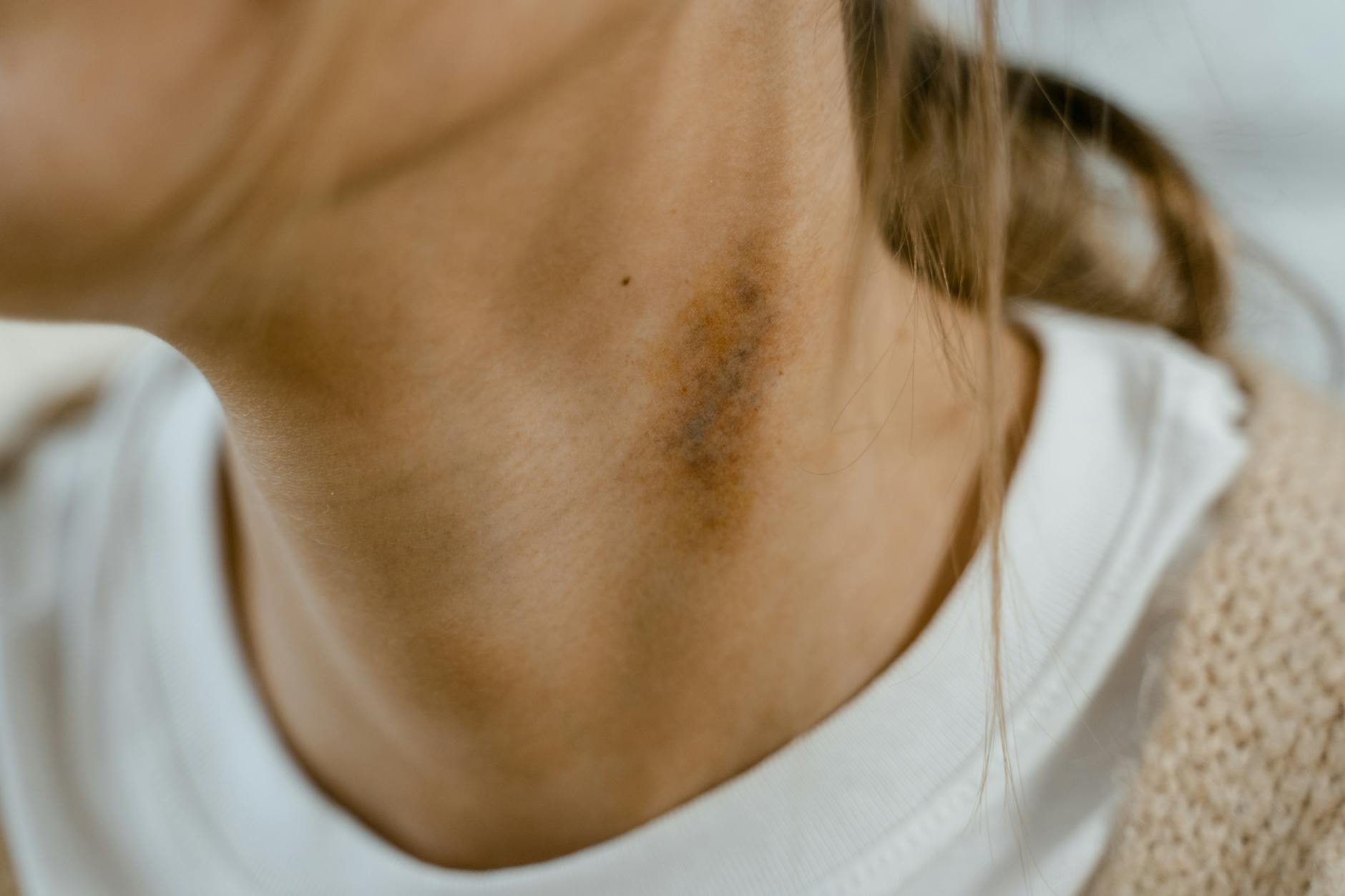
Arnica supplements are widely used to reduce bruising and swelling after subcision, a common acne scar treatment procedure that deliberately breaks scar tissue beneath the skin. While arnica has been a folk remedy for centuries, modern evidence suggests it may help minimize bruising severity and reduce the visibility of post-procedure marks, though the effect is modest and not universal across all patients. If you’re scheduled for subcision or have just completed the procedure, understanding what arnica can and cannot do will help you manage expectations and plan your recovery effectively.
The reason arnica is recommended for post-subcision bruising is that the procedure creates controlled trauma under the skin—the doctor uses a needle or blade to break fibrous scar tissue, which causes micro-injuries and bleeding that result in the dark purple and yellow discoloration most patients experience. Arnica appears to work by reducing inflammation and potentially accelerating blood reabsorption, though the exact mechanism remains incompletely understood in clinical literature. This article covers how arnica works, what the research actually shows, proper dosing and timing, how to combine it with other bruise-reduction strategies, and what realistic timelines you should expect.
Table of Contents
- How Does Arnica Reduce Bruising After Subcision?
- What Does Research Actually Show About Arnica’s Effectiveness?
- Dosage, Timing, and Forms of Arnica Supplements
- Combining Arnica With Other Bruise-Reduction Methods
- Side Effects, Interactions, and When Arnica May Not Be Safe
- Realistic Timelines for Bruising With and Without Arnica
- The Future of Bruise Prevention in Acne Scar Treatment
- Conclusion
- Frequently Asked Questions
How Does Arnica Reduce Bruising After Subcision?
Arnica contains several active compounds, including helenalin and other sesquiterpenes, that are thought to have anti-inflammatory and mild anticoagulant properties. When you bruise, your body’s inflammatory response causes swelling and the characteristic purple and blue discoloration as red blood cells break down in the tissue. Arnica may help by reducing this inflammatory cascade and potentially promoting faster reabsorption of leaked blood, though it does not prevent bruising entirely—it may only reduce its intensity or duration.
The timing of when you take arnica matters significantly. Starting arnica before your subcision procedure (typically 3-5 days prior) and continuing for 7-10 days after appears to be more effective than starting it only after bruising appears. One reason is that some of arnica’s benefit may come from preventing excessive inflammation before it starts, rather than reversing bruising once it’s already visible. However, if you’ve already waited several days and your bruises are dark purple, arnica is unlikely to make a dramatic difference at that point.

What Does Research Actually Show About Arnica’s Effectiveness?
The scientific evidence on arnica for bruising is mixed and modest in its findings. Several small clinical trials suggest arnica reduces bruising severity compared to placebo, but the effect size is generally small—bruises may fade 1-3 days faster or appear slightly less dark, rather than disappearing entirely. A notable limitation is that many arnica studies have been conducted with topical arnica (creams or oils), not oral supplements, so the evidence for oral arnica specifically is thinner than the hype suggests.
One important caveat: arnica does not eliminate the bruising process, and some studies show no significant difference between arnica users and controls, particularly when the bruising is already established. If your subcision procedure results in very deep or extensive bruising, arnica will not prevent you from looking noticeably bruised for 2-3 weeks regardless. Individual response to arnica varies based on genetics, age, bleeding tendencies, and whether you’re taking blood thinners. Younger people with better circulation sometimes bruise less overall, and arnica’s contribution may be harder to detect in their case.
Dosage, Timing, and Forms of Arnica Supplements
The most common oral arnica supplement form is homeopathic arnica pellets (typically 30C potency) taken 2-3 times daily, though the evidence is stronger for higher-dose herbal arnica tinctures or tablets containing standardized arnica extract. For non-homeopathic forms, 300-500 mg of standardized arnica extract once or twice daily is a typical dose cited in bruise-reduction studies, though quality and standardization vary widely between brands.
Timing is critical: starting arnica 3-5 days before subcision and continuing for 10 days post-procedure appears more effective than starting after the bruising is already visible. However, if you only remember to start arnica after your procedure, it’s still worth taking it—even modest anti-inflammatory support may help slightly. One trade-off to consider is that oral arnica can cause mild stomach upset in some people, and if you’re already on pain management after subcision, adding supplements requires checking for interactions with your medications or pain relief strategy.
Combining Arnica With Other Bruise-Reduction Methods
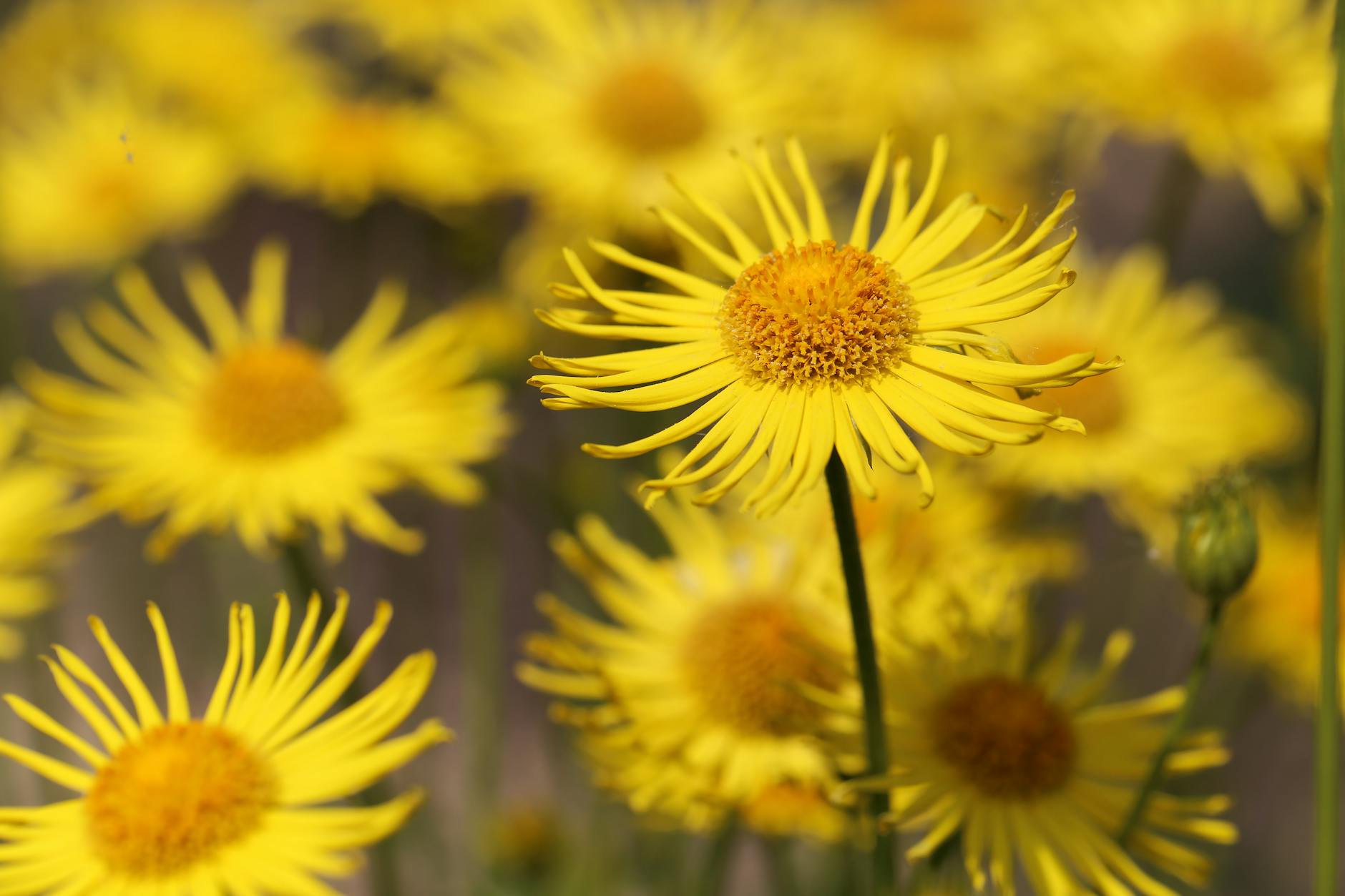
Arnica works best as part of a broader bruise-management strategy rather than as a standalone solution. Combining arnica with topical vitamin K creams, silicone-based scar treatments, or compression may provide additive benefit. Silicone products and vitamin K both have some evidence supporting their role in reducing bruising, and using them alongside arnica takes a multi-mechanism approach—you’re addressing inflammation, blood reabsorption, and tissue repair simultaneously.
Cold therapy (ice packs for the first 48 hours after subcision) remains the most evidence-backed intervention and should be your priority; arnica complements rather than replaces this. Another practical combination is arnica plus bromelain (an enzyme from pineapple), as bromelain also has mild anti-inflammatory properties. However, don’t overload your post-procedure regimen—your dermatologist may have specific recommendations about what to use when, and too many supplements can complicate tracking what’s actually helping versus what’s just coinciding with natural healing.
Side Effects, Interactions, and When Arnica May Not Be Safe
Oral arnica supplements are generally well-tolerated, but they can cause stomach irritation, mild nausea, or allergic reactions in sensitive individuals. If you’re on blood thinners like warfarin or even higher-dose aspirin, check with your doctor before taking arnica, since it may have mild anticoagulant properties and theoretically could increase bleeding. This is particularly relevant after subcision, since excessive bleeding or prolonged oozing complicates healing.
A common misconception is that homeopathic arnica is completely risk-free because it’s “natural”—in reality, homeopathic arnica dilutions are so heavily diluted that any active compounds are negligible, which is why the evidence for homeopathic versions is particularly weak. If you’re considering arnica, a standardized herbal extract or tincture has a clearer mechanism than homeopathic pellets. Stop arnica at least one week before any additional procedures, and be transparent with your dermatologist about any supplements you’re taking, especially if bleeding or unusual swelling occurs post-subcision.

Realistic Timelines for Bruising With and Without Arnica
Subcision bruising typically peaks around day 3-5 and begins noticeably fading by day 10-14, with residual faint marks potentially visible for 3-4 weeks depending on bruise depth. With arnica, anecdotal reports suggest the timeline may compress slightly—bruises may peak a bit less intensely and fade a few days faster—but the overall pattern remains the same. If you take arnica and your bruises still look dark at day 7, that’s not a failure; it’s a normal response to the procedure, and arnica is working in the background on inflammation even if you can’t see the difference yet.
One example: after subcision, a 35-year-old patient without arnica might have dark purple bruising for 14 days then faint yellow-green marks for another week. The same patient on arnica might have slightly lighter purple bruising for 12 days and faster color transition, but the total healing time may only differ by 3-5 days. This is why arnica is best viewed as one tool in recovery, not a magic solution that erases bruising entirely.
The Future of Bruise Prevention in Acne Scar Treatment
As subcision and other acne scar procedures become more refined, dermatologists are increasingly pairing mechanical or chemical interventions with targeted anti-inflammatory regimens to minimize downtime. Arnica remains part of this landscape, but emerging research on PRP (platelet-rich plasma), topical niacinamide, and other anti-inflammatory compounds suggests the future of post-procedure recovery will be more personalized and evidence-based.
For now, arnica is a low-risk option with modest evidence, making it a reasonable choice as part of post-subcision care, especially if started before the procedure. As research continues, we may develop more potent or targeted supplements, but the fundamental principle will remain: reducing inflammation in the days immediately following the procedure yields the best results.
Conclusion
Arnica supplements appear to modestly reduce bruising severity and duration after subcision, though the effect is small and not guaranteed. Starting arnica 3-5 days before your procedure and continuing for 10 days after offers the best chance of benefit, with dosages of 300-500 mg daily for standardized herbal extract or homeopathic pellets taken 2-3 times daily. Arnica works best when combined with proven strategies like cold therapy, silicone treatments, and vitamin K creams—it’s a supporting player, not the primary solution.
If you’re planning subcision, discuss arnica with your dermatologist, ensure it doesn’t interact with any medications or blood thinners, and set realistic expectations. Expect modest improvements in bruise appearance and timing, not elimination of bruising. Focus first on proper wound care, compression, and cold therapy, then layer in arnica and other supplements as complementary tools. Your individual response will depend on your age, genetics, and healing capacity, but taking proactive steps in the week before and after your procedure gives you the best foundation for a smoother recovery.
Frequently Asked Questions
When should I start taking arnica before subcision?
Start 3-5 days before your procedure if possible. This gives the supplement time to build up and potentially reduce the inflammatory cascade that causes bruising. If you can’t start ahead of time, begin immediately after your procedure rather than waiting.
Will arnica prevent bruising entirely after subcision?
No. Arnica reduces bruising severity and may speed healing by a few days, but subcision causes deliberate trauma that results in bruising as a normal part of the healing process. Expect visible bruising regardless of arnica use.
Is homeopathic arnica the same as herbal arnica supplements?
No. Homeopathic arnica is heavily diluted (often to the point where no active compounds remain), while herbal arnica contains standardized extract. Herbal arnica has stronger evidence. If you choose arnica, look for supplements labeled as standardized herbal extract rather than homeopathic pellets.
Can I combine arnica with other bruise-reducing treatments?
Yes. Combining arnica with cold therapy, vitamin K creams, silicone products, and potentially bromelain may provide better results than arnica alone. Check with your dermatologist about timing and interactions.
What if I’m on blood thinners—is arnica safe?
Arnica may have mild anticoagulant properties, so check with your doctor before taking it if you use warfarin, aspirin, or other blood thinners. This is especially important post-subcision when you want controlled healing without excessive bleeding.
How long after subcision will arnica start working?
Arnica’s anti-inflammatory effects begin immediately but may not be visibly noticeable for several days. Don’t expect dramatic changes in bruise appearance overnight; the benefit accumulates over 7-10 days of use.