
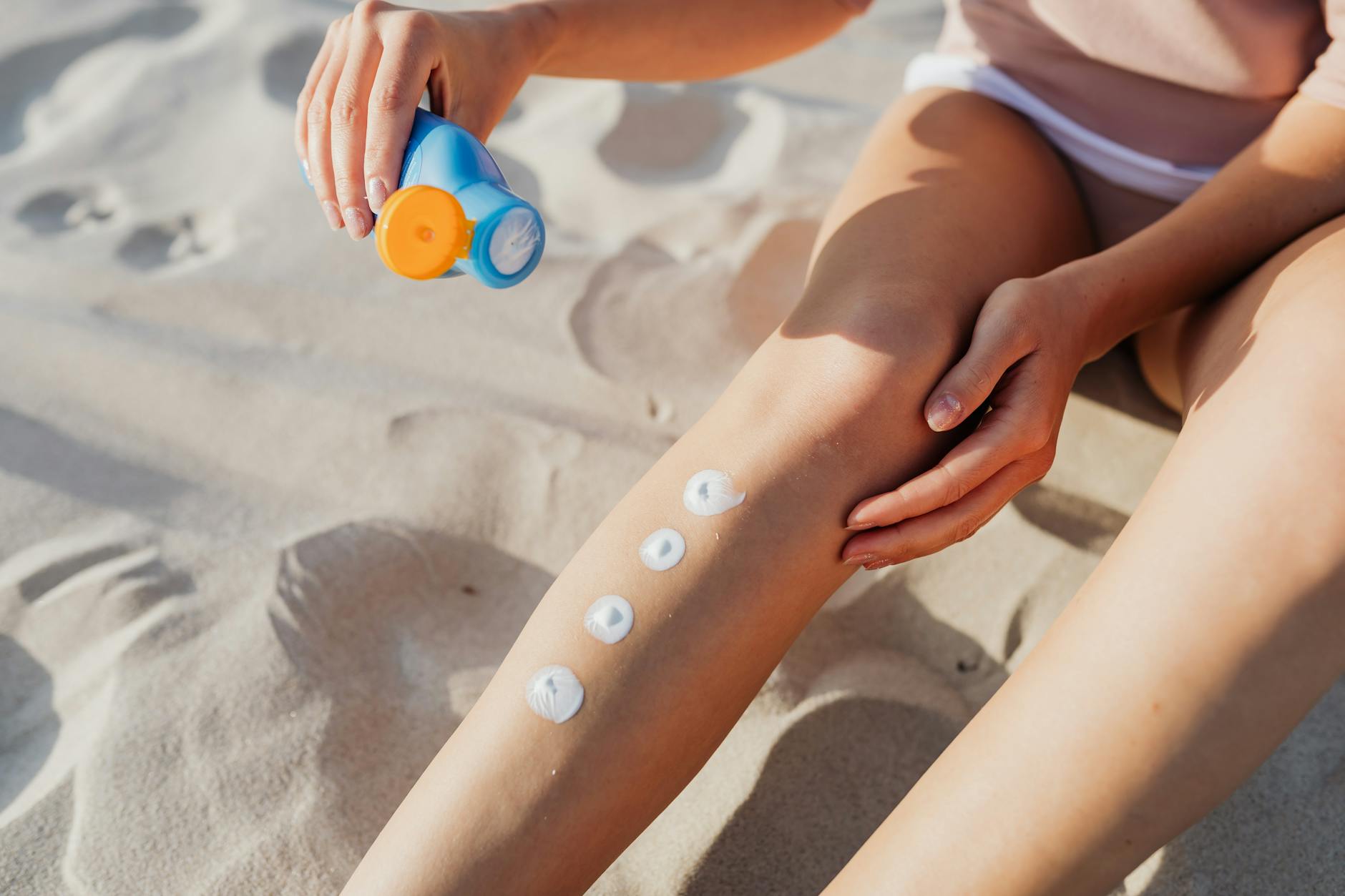
After acne scar procedures—whether microneedling, laser resurfacing, chemical peels, or subcision—your skin needs broad-spectrum SPF 50 sunscreen that’s mineral-based (zinc oxide or titanium dioxide), fragrance-free, and non-comedogenic. The gold standard for post-procedure protection is CeraVe Face Lotion SPF 50, La Roche-Posay Anthelios SPF 60, or EltaMD UV Clear SPF 46 because they’re gentle, dermatologist-recommended, and won’t irritate freshly treated skin.
The reason SPF 50 specifically matters is that your skin barrier is temporarily compromised during healing, making it more vulnerable to UV damage that can worsen scars, trigger post-inflammatory hyperpigmentation, and interfere with collagen remodeling that the procedure was designed to stimulate. Your dermatologist should have given you SPF recommendations at your appointment, but many don’t specify which products work best. This article covers how to select the right SPF 50 formula, why mineral sunscreens outperform chemical ones after procedures, application techniques for sensitive healing skin, popular product comparisons, common mistakes that derail results, and the timeline for adjusting your sun protection routine as your skin heals.
Table of Contents
- Why SPF 50 Is Essential, Not Optional, After Acne Scar Treatments
- Mineral Sunscreen vs. Chemical Sunscreen for Post-Procedure Skin
- Application Techniques for Newly Treated Skin
- Comparing Popular SPF 50 Products for Post-Procedure Healing
- Common Mistakes That Undermine Acne Scar Procedure Results
- Timeline for Adjusting Sun Protection After Different Scar Procedures
- Integrating Long-Term Sun Protection Into Your Acne Scar Management
- Conclusion
- Frequently Asked Questions
Why SPF 50 Is Essential, Not Optional, After Acne Scar Treatments
SPF 50 blocks 98% of UVB rays—the difference between SPF 30 (97% block) and SPF 50 sounds small, but that remaining 1% becomes significant over weeks of healing when your skin’s repair mechanisms are already overwhelmed. During the first 48 hours after microneedling or laser, your skin’s moisture barrier is severely disrupted; UV exposure during this window can create permanent damage before your body even begins collagen remodeling. A patient who had laser resurfacing and used only SPF 30 for two weeks while on vacation developed hyperpigmentation that took three months to fade and actually worsened the appearance of their scars rather than improving them.
The technical reason is that acne scar procedures work by creating controlled micro-injuries that trigger healing and collagen production. UV radiation during this healing phase can interfere with collagen cross-linking, increase melanin production (causing hyperpigmentation), and potentially reverse some of the procedure’s benefits. SPF 50 provides a meaningful safety margin—it’s not overkill, it’s the minimum threshold where you have reliable protection during the critical 4-12 week healing window.
Mineral Sunscreen vs. Chemical Sunscreen for Post-Procedure Skin
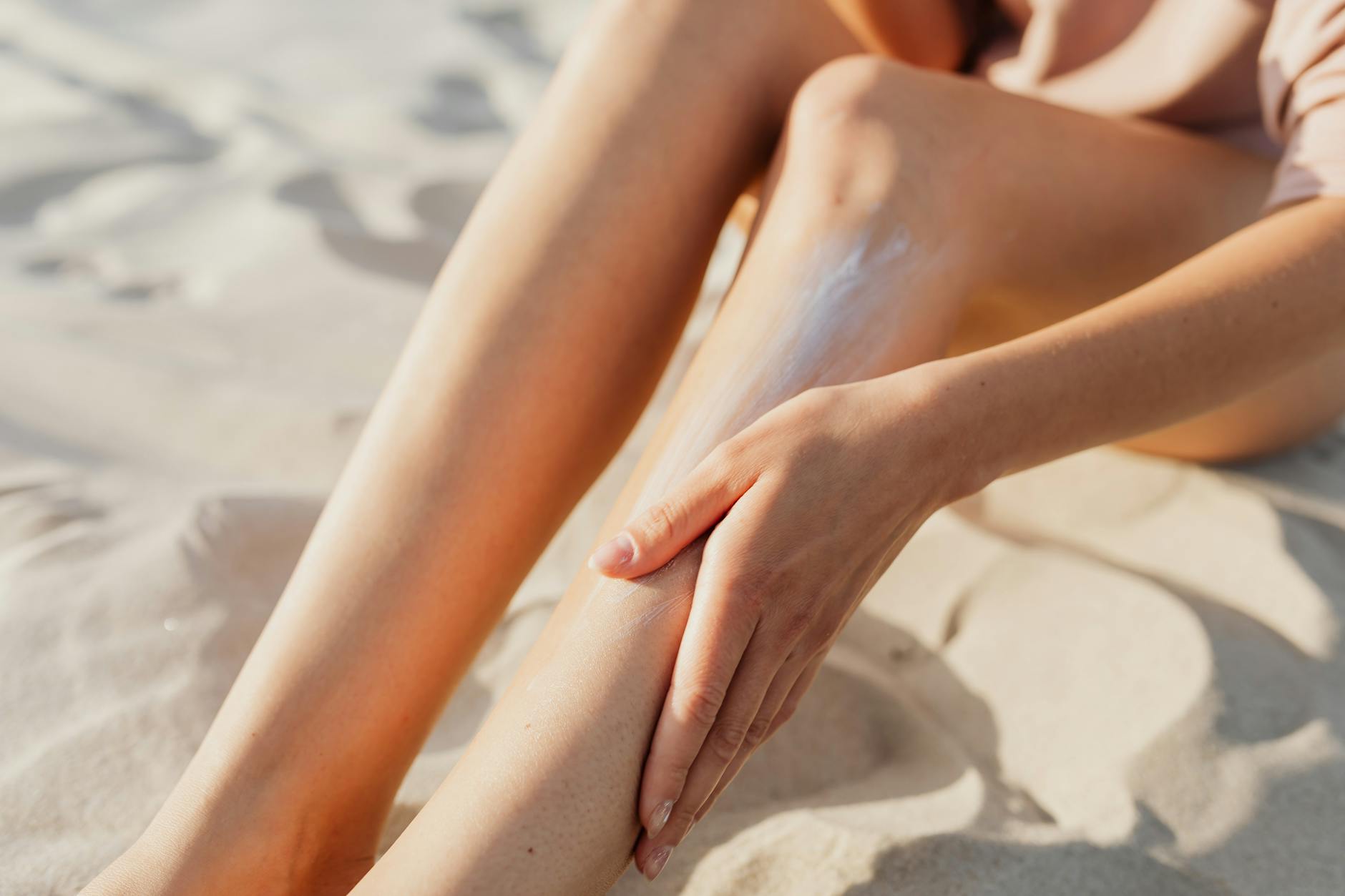
Mineral (physical) sunscreens containing zinc oxide or titanium dioxide sit on top of your skin and immediately reflect UV rays—there’s no absorption, no chemical reaction, no wait time for activation. This matters immensely after scar procedures because your skin is inflamed and sensitized; chemical sunscreens (like avobenzone, oxybenzone, or octocrylene) absorb into the skin and require 15 minutes to work, and they can trigger irritation or allergic reactions in compromised skin. A patient who switched from EltaMD UV Clear (zinc oxide-based) to a chemical sunscreen two weeks after microneedling developed a contact dermatitis reaction that delayed their healing timeline by three weeks.
However, mineral sunscreens have a real limitation: they can leave a white cast on darker skin tones, and some formulations feel thick or greasy. If white cast is a barrier for you, hybrid sunscreens like Colorescience Sunforgettable Total Protection or Blue Lizard Australian Sunscreen contain mostly mineral filters with a small percentage of chemical filters, offering faster absorption than pure mineral while maintaining the safety profile. The tradeoff is that you need to wait 10-15 minutes after application before sun exposure, versus immediately with pure mineral sunscreens.
Application Techniques for Newly Treated Skin
The standard recommendation—one-quarter teaspoon for the face—assumes healthy skin that can tolerate normal massage application. After acne scar procedures, use the same amount but apply it with a patting motion rather than rubbing, especially for the first 3-5 days when your skin is most tender. If you had ablative laser resurfacing, you may need to avoid sunscreen entirely for the first 24-48 hours (when your dermatologist says), then reintroduce it gently. Some sunscreens sting on freshly treated skin; CeraVe and EltaMD tend to be gentler than drugstore brands with added fragrance or essential oils.
Reapplication is where most people fail. After acne scar procedures, you should reapply SPF 50 every two hours if you’re outdoors, and immediately after sweating, swimming, or toweling your face. A patient who applied sunscreen once in the morning and didn’t reapply during their lunch break developed asymmetric hyperpigmentation because the non-reapplied side of their face received five hours of unprotected UV exposure while healing. For the first 4 weeks post-procedure, minimize sun exposure entirely—wear a wide-brimmed hat, seek shade, and use long sleeves when possible, using sunscreen as a backup rather than a primary defense.
Comparing Popular SPF 50 Products for Post-Procedure Healing
CeraVe Face Lotion SPF 50 is affordable ($15-20), fragrance-free, contains ceramides that support barrier repair, and has a lightweight lotion texture. The downside: it’s not quite as cosmetically elegant as premium options, and the zinc oxide concentration isn’t the highest (there’s some octinoxate, a chemical filter). La Roche-Posay Anthelios SPF 60 is pricier ($30-35) but has a proven track record in dermatology practices, includes zinc oxide and titanium dioxide, and feels silky rather than heavy. EltaMD UV Clear SPF 46 ($40-50) is the premium option dermatologists most frequently recommend post-procedure; it’s truly mineral-based, includes niacinamide for barrier support, and has the lightest feel.
For budget-conscious patients, CeraVe is the best cost-benefit choice. For darker skin tones concerned about white cast, EltaMD has the least visible cast due to micronized zinc oxide. For maximum efficacy, La Roche-Posay or EltaMD are worth the investment during the critical 12-week healing window (you can switch to cheaper options afterward). Avoid sunscreens with added fragrance, essential oils, or alcohol—brands like Banana Boat, Coppertone, or department-store lines often contain irritants that delay healing.
Common Mistakes That Undermine Acne Scar Procedure Results
The most damaging mistake is inconsistent application. You don’t need perfection every day, but missing even one day of sun exposure during weeks 2-8 post-procedure can create permanent uneven pigmentation. Another frequent error: using sunscreen alone without sun avoidance. A patient who used SPF 50 religiously but sat poolside without a hat for three hours straight still developed hyperpigmentation because sunscreen degrades with sweat and water exposure, and no sunscreen blocks 100% of rays. After acne scar procedures, assume sunscreen gets you maybe 85-90% of the way there; you still need hats, shade-seeking, and timing your outdoor activities for early morning or late afternoon.
A third mistake is switching products mid-healing. Some patients use their dermatologist’s recommended sunscreen for two weeks, then revert to whatever’s in their bathroom because it’s cheaper or more convenient. If you had a good experience with one product, stay with it for the full 12-week healing window. Finally, don’t apply sunscreen over active topical medications. If your dermatologist prescribed tretinoin, hydroquinone, or a healing serum to use post-procedure, apply those first, wait 10-15 minutes for them to absorb, then apply sunscreen. Layering in the wrong order reduces efficacy of both products.
Timeline for Adjusting Sun Protection After Different Scar Procedures
Microneedling requires strict SPF 50 protection for 4 weeks post-procedure, then you can transition to SPF 30 if you’re taking sun-safety precautions (hats, shade). Chemical peels typically need SPF 50 for 2-3 weeks depending on depth (superficial peels need less protection than medium peels).
Laser resurfacing is the most sensitive: ablative laser requires SPF 50+ for 8-12 weeks, and some dermatologists recommend SPF 70+ if available. Subcision (cutting scar tissue below the surface) needs SPF 50 for 6-8 weeks because collagen remodeling is slower than with microneedling. Your dermatologist should give you a specific timeline; if they don’t, ask directly at your post-procedure check-in.
Integrating Long-Term Sun Protection Into Your Acne Scar Management
After the 12-week critical healing period, you don’t need to abandon SPF 50—maintaining it year-round prevents further sun damage and helps keep hyperpigmentation from returning. Many acne scar patients find that the habits they build post-procedure (daily sunscreen, hats outdoors, timing sun exposure) stick because they see results.
Newer scars fade more noticeably with consistent sun protection, and old scars that are stable can sometimes improve in appearance simply because surrounding skin doesn’t develop additional pigmentation or sun damage. The long-term picture is that UV protection isn’t just about the procedure—it’s foundational to how scars heal and mature over months and years.
Conclusion
The best SPF 50 sunscreen after acne scar procedures is a mineral-based, fragrance-free formula like CeraVe Face Lotion SPF 50, La Roche-Posay Anthelios, or EltaMD UV Clear, applied religiously every two hours and reapplied after sweating or water exposure. More important than which brand you choose is consistency and combination with physical sun protection—hats, shade, and timing. The critical window is 4-12 weeks post-procedure depending on the treatment type; during this time, UV exposure can create permanent damage that undoes or delays the procedure’s results.
Your next step is to confirm with your dermatologist which SPF 50 product they recommend (they often have samples), commit to it for the full healing timeline, and invest in a wide-brimmed hat if you don’t have one. If you develop any hyperpigmentation despite sun protection, contact your dermatologist promptly; early intervention prevents it from becoming permanent. Most importantly, don’t view sunscreen as temporary post-procedure overhead—it’s a non-negotiable part of acne scar treatment that determines whether your procedure investment pays off.
Frequently Asked Questions
Can I use the same sunscreen I used before my acne scar procedure?
If it’s SPF 50, mineral-based, and fragrance-free, yes. If it contains chemical filters, fragrance, alcohol, or essential oils, switch to a gentler formula for the healing period. Drugstore sunscreens designed for general sun protection often contain irritants that slow healing on treated skin.
How soon after my procedure can I start using sunscreen?
Timing depends on the procedure type. After microneedling or chemical peels, you can apply sunscreen immediately (within 24 hours). After ablative laser resurfacing, your dermatologist will tell you to wait 24-48 hours. When you do start, apply gently by patting rather than rubbing.
If I use SPF 50 sunscreen, do I still need to wear a hat?
Yes. Sunscreen is one layer of protection, but it degrades with sweat, water, and time. A wide-brimmed hat blocks direct UV rays and is especially important during weeks 2-8 when hyperpigmentation risk is highest. Think of sunscreen as backup, not primary defense.
What should I do if my recommended sunscreen irritates my skin?
Stop using it and contact your dermatologist. They may recommend a different mineral sunscreen or a hybrid formula. Don’t just leave your skin unprotected—irritation is temporary, but hyperpigmentation from unprotected sun exposure is permanent.
Can I use an SPF 30 sunscreen instead of SPF 50 to save money?
Not during the first 12 weeks after acne scar procedures. The jump from SPF 30 to SPF 50 blocks an additional 1% of UV rays, which seems minor but becomes significant during the critical healing window. After three months, if your dermatologist approves, SPF 30 with consistent reapplication is acceptable.