
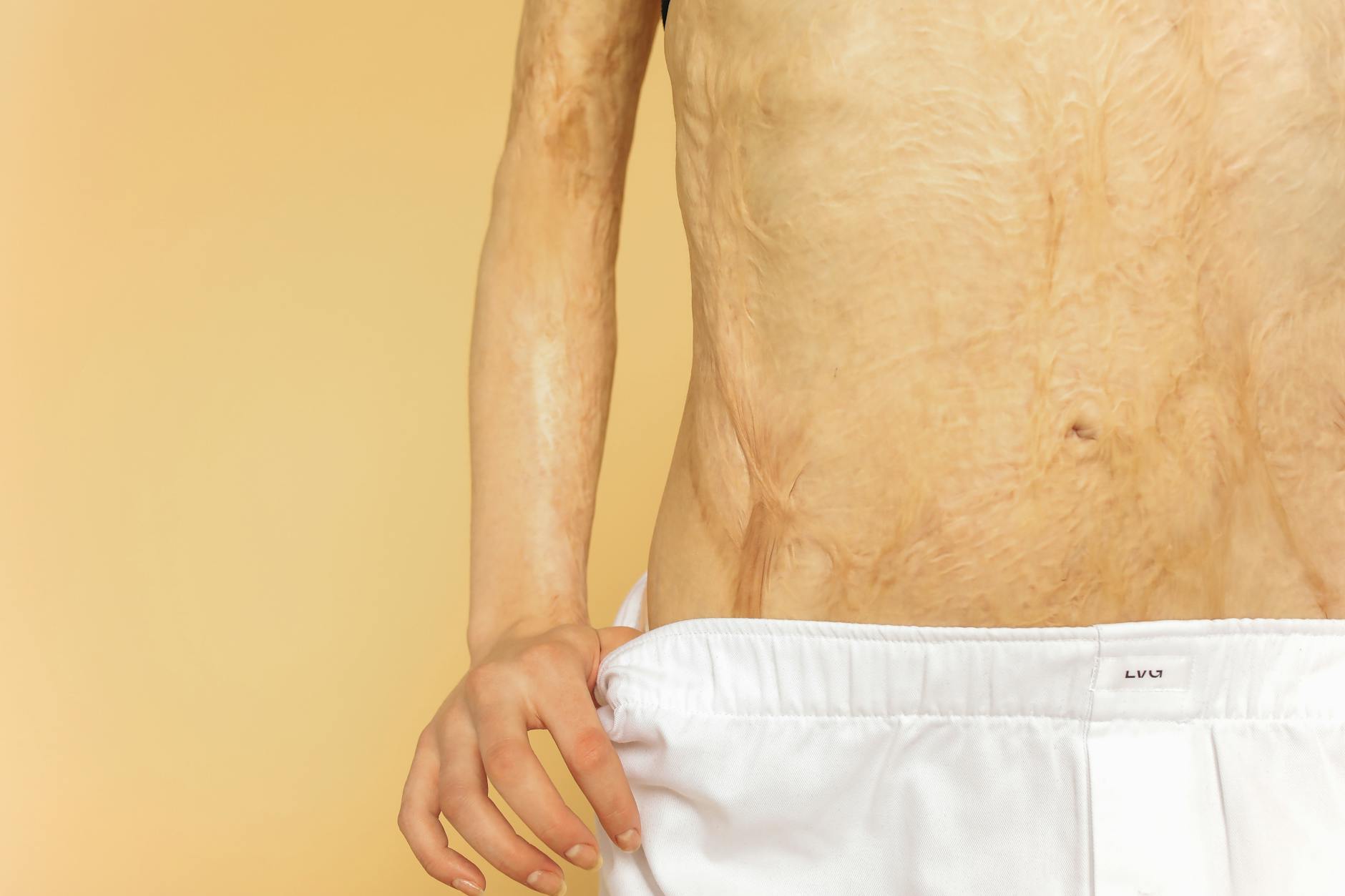
Combination scar treatment protocols are multimodal approaches that layer different laser technologies, devices, and techniques into a single treatment strategy. Rather than relying on one laser or procedure, dermatologists now design customized protocols that might combine fractional CO2 lasers, radiofrequency microneedling, vascular lasers, and chemical peels—all targeting different tissue layers and scar characteristics simultaneously. For example, an atrophic (depressed) acne scar has both textural irregularities at the surface, fibrotic tissue bands at depth, and often vascular discoloration.
A monotherapy approach might improve one aspect while leaving others untouched, which is why the clinical evidence increasingly supports protocol-based treatment planning. This article explores what these protocols actually look like in practice, the evidence supporting specific combinations, the clinical results you can realistically expect, and how treatment selection depends on your scar characteristics. You’ll learn the difference between standard laser stacking, the emerging 2026-standard hybrid platforms, and specialized protocols for different scar types—from acne scars to post-burn contractures to traumatic facial injuries.
Table of Contents
- How Multi-Laser Protocols Target Scar Tissue
- Atrophic Scar Results from Triple Combination Therapy
- Specialized Protocols for Different Scar Types
- The 2026 Standard: Hybrid Fractional Laser-Radiofrequency Platforms
- Why Combination Approaches Outperform Single Treatments
- Platelet-Rich Plasma and Adjunctive Support in Protocols
- Practical Protocol Selection and Forward Outlook
- Conclusion
How Multi-Laser Protocols Target Scar Tissue
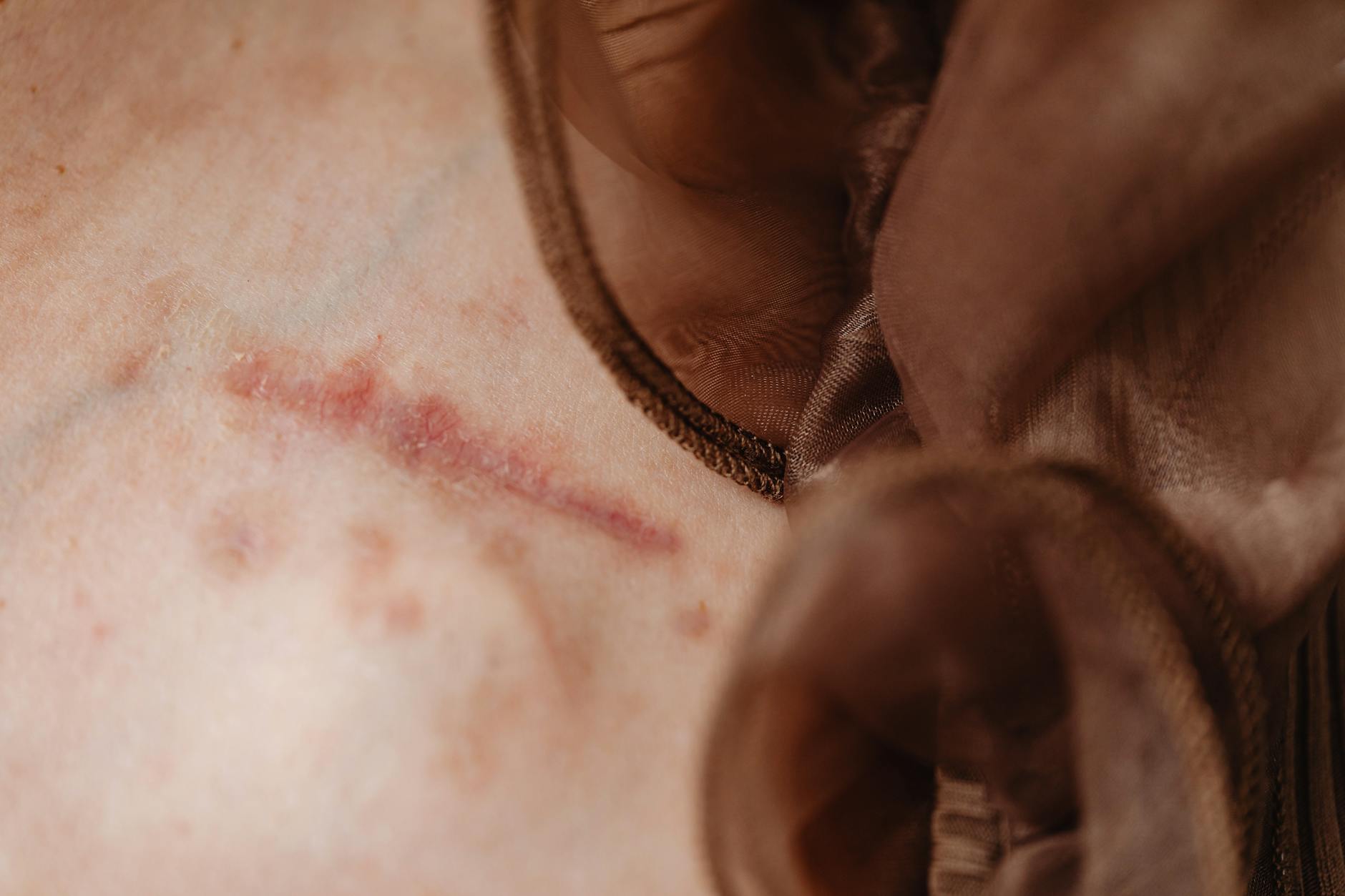
Combination scar treatment begins with understanding that scar tissue is multidimensional. The surface has texture irregularities. Below that, collagen fibers are organized abnormally, creating depth and shadow. Scar tissue often contains dilated blood vessels that contribute to redness. Some scars develop hyperpigmentation (dark spots) or hypopigmentation (pale patches). A single laser addresses maybe one or two of these problems effectively. Standard laser combinations in clinical use pair ablative lasers (CO2 or Er:YAG) with non-ablative systems. The ablative laser removes or vaporizes the epidermis and superficial dermis, resurfacing the texture.
Non-ablative lasers in the 1540-1550 nm range penetrate deeper without removing skin, stimulating collagen remodeling in the scar tissue bands. Vascular lasers like the PDL (pulsed dye laser) or Nd:YAG target hemoglobin in dilated capillaries, reducing redness. Intense pulsed light (IPL) addresses both vascular and pigmentary issues. When sequenced properly—often with healing time between modalities—this layered approach handles surface, depth, color, and vascularity in one overall protocol. However, not all laser combinations are equally safe or effective. Stacking too many aggressive treatments in rapid succession increases downtime and risk of complications like post-inflammatory hyperpigmentation, especially in darker skin types. Dermatologists therefore customize protocols based on your Fitzpatrick skin type, scar depth, scar type (atrophic vs. hypertrophic), and baseline skin condition.
Atrophic Scar Results from Triple Combination Therapy
The clearest evidence for combination efficacy comes from atrophic acne scar studies. Research on triple combination therapy—subcision plus dermaroller plus TCA 15% chemical peel—showed that **among Grade 4 atrophic scars (the most severe), 62.5% improved to Grade 2** (a two-grade improvement), and **among Grade 3 scars, 22.7% achieved complete clearance**, meaning no visible scars remained. These are substantial results that monotherapy rarely matches. Another triple combination approach uses dot peeling, subcision, and fractional laser. In this protocol, mean scar severity scores decreased by 55.3%, and 80% of patients reported significant or marked improvement. The mechanics work like this: subcision mechanically breaks up the fibrotic bands anchoring the scar below the surface.
Fractional laser then creates controlled micro-injuries that stimulate new collagen deposition in a more organized pattern. The dot peeling addresses surface texture and promotes skin renewal. Together, they address the structural, dermal, and epidermal components of the scar. One limitation of these studies is that they typically treat patients willing to accept multiple sessions spaced weeks apart and who tolerate downtime and temporary redness. Patients seeking minimal downtime or those with sensitive skin may not be candidates. Additionally, these results reflect population averages; individual responses vary based on scar morphology, healing biology, and age.
Specialized Protocols for Different Scar Types
Not all scars are acne scars. Post-burn scars present a different tissue architecture: the scar often extends deeper, involves more fibrosis, and may restrict movement. Research published in Frontiers in Medicine designated a combination of ESWT (Extracorporeal Shock Wave Therapy) plus radiofrequency as the first-line therapeutic option for post-burn scars. This combination is effective specifically because ESWT promotes tissue remodeling and angiogenesis while radiofrequency reduces scar thickness and improves the VPP (Vascularity, Pigmentation, Pliability) score—a standard clinical measure of scar quality. Traumatic facial scars from injury (not acne) present yet another scenario.
A December 2025 case report documented successful treatment of traumatic atrophic facial scars using a combined laser protocol: KTP/Nd:YAG vascular laser, followed by variable-pulse picosecond fractional laser, followed by Er:YAG laser. The dermatologist sequenced these carefully, spacing them to allow healing between each phase. This case demonstrated that combined laser protocols can serve as an alternative to surgical scar revision—a significant advantage since surgery creates new scar tissue and carries higher morbidity. Picosecond lasers at 1,064-nm wavelength with microlens array (MLA) technology represent a newer addition to combination protocols. The clinical advantage is comparable efficacy to fractional CO2 but with reduced risk of post-inflammatory hyperpigmentation (PIH) and faster recovery. For patients with darker skin tones or previous PIH concerns, adding picosecond fractional technology to a protocol instead of fractional CO2 may be safer.
The 2026 Standard: Hybrid Fractional Laser-Radiofrequency Platforms
The emerging standard for 2026 combines fractional laser energy with radiofrequency microneedling in single-system devices. Instead of stacking separate lasers at different appointments, these hybrid platforms deliver both energies in one session. The fractional laser creates tiny columns of ablation that resurface texture and stimulate immediate collagen response. The radiofrequency microneedling simultaneously passes energy through microneedles into deeper dermal and subcutaneous tissue, addressing fibrotic bands and the deeper structural scar component. The practical advantage is efficiency: you accomplish in one treatment what might have previously required two separate laser sessions.
Recovery is consolidated into one downtime window rather than staggered over multiple sessions. From a tissue perspective, the combined approach allows selective targeting of surface (via fractional laser) and depth (via radiofrequency) simultaneously, which aligns with the principle that scars are multidimensional. However, hybrid systems come with a tradeoff: they are expensive equipment and typically only available in specialized dermatology centers. Traditional multi-laser protocols using separate devices remain effective and more widely accessible, making them appropriate for many patients. The choice between a hybrid platform and sequential separate lasers depends on your geographic access, budget, and time constraints.
Why Combination Approaches Outperform Single Treatments
The clinical principle underlying combination therapy is straightforward: selective targeting of specific tissue components. A scar contains surface irregularities, abnormal dermal collagen architecture, vascular changes, and sometimes pigmentary changes. Each component responds to different wavelengths and energy delivery mechanisms. Monotherapy—using only a fractional CO2 laser, for example—may improve surface texture and stimulate some dermal collagen, but it won’t reduce vascularity the way a PDL or Nd:YAG will, and it won’t address pigmentation like IPL does. Combination protocols result in improved clinical efficacy because multiple mechanisms work synergistically. Subcision breaks mechanical tethering.
Laser resurfacing removes damaged epidermis and stimulates collagen. Chemical peeling promotes skin renewal. Each step prepares the tissue for the next step, creating a cumulative effect greater than any single modality alone. The evidence from clinical trials consistently shows that two or three modalities combined produce better results than one modality alone, even at higher energy levels. The safety profile of combination therapy is generally good when properly sequenced and when providers understand healing biology. The risk occurs when too many aggressive treatments are stacked too closely together, overwhelming the skin’s capacity to heal. Appropriate spacing—typically 4 to 8 weeks between major procedures—allows each treatment’s effect to fully develop while managing inflammation and avoiding cumulative damage.
Platelet-Rich Plasma and Adjunctive Support in Protocols
PRP (platelet-rich plasma) combined with fractional CO2 laser represents an adjunctive strategy increasingly integrated into comprehensive protocols. PRP contains growth factors and cytokines that promote tissue healing and collagen organization. When applied after fractional CO2 ablation, PRP theoretically enhances the collagen remodeling phase and may accelerate healing. Research on PRP + fractional CO2 combination therapy shows significant improvements in scar revision outcomes while also enhancing psychological wellbeing and quality of life in acne scar patients.
The psychological benefit is notable because patients report improved satisfaction not only with scar appearance but also with the overall treatment experience. This suggests that combination approaches may have value beyond pure tissue improvement—the comprehensive protocol and visible layered results may build patient confidence. PRP is typically not a standalone scar treatment but rather a complementary addition to a laser-based protocol. It’s most useful for patients healing from major procedures or those with compromised wound healing. For routine atrophic acne scars, PRP is optional rather than essential, whereas the laser components form the core protocol.
Practical Protocol Selection and Forward Outlook
Selecting the right combination protocol depends on scar classification, skin type, available technologies, and patient goals. A patient with Grade 3 atrophic acne scars and fair skin might begin with fractional CO2 laser followed (after 6-8 weeks healing) by subcision and TCA peel. A patient with darker skin and similar scars might substitute picosecond fractional laser instead of CO2 to reduce PIH risk, and add radiofrequency for depth targeting.
Looking forward, the trend is toward integrated platforms that deliver multiple modalities efficiently and customized protocols based on detailed scar phenotyping. Emerging research on combination therapy continues to refine optimal sequencing, timing intervals, and patient selection criteria. The field is moving away from “one laser fits all” toward a more nuanced, evidence-based approach where each scar gets a tailored protocol addressing its specific characteristics.
Conclusion
Combination scar treatment protocols represent the current standard of care in dermatology because they address the multidimensional nature of scar tissue. Rather than hoping one laser will improve all aspects of a scar, protocols layer different technologies—ablative and non-ablative lasers, vascular lasers, radiofrequency, subcision, and chemical peels—to target surface texture, dermal depth, vascularity, and pigmentation simultaneously.
The clinical evidence is clear: combination approaches produce better results than monotherapy, with studies showing that triple combination therapy can improve Grade 4 atrophic scars by two grades or achieve complete scar clearance in a substantial percentage of Grade 3 cases. If you’re considering scar treatment, the key is working with a dermatologist who can assess your specific scar characteristics, skin type, and healing capacity to design a customized protocol rather than a single procedure. The emerging hybrid platforms and increasingly refined combination sequences represent genuine advances that make meaningful scar improvement more achievable than it was even five years ago.