

Acne treatment has undergone a dramatic shift in recent years, with clinical breakthroughs delivering results that experts say are substantially more effective than treatments available even five years ago. Recent Phase 3 clinical trials of denifanstat (ASC40) showed treatment success rates more than double those of placebo for moderate to severe acne by week 12, while a competing therapy, DMT 310, met all its primary endpoints in similar trials. For patients struggling with persistent breakouts, this represents a meaningful turn toward solutions backed by rigorous clinical data rather than incremental improvements on older approaches.
The progress extends beyond these headline trials. Current treatments now achieve clear or almost clear skin in 40% of patients with moderate to severe acne for periods extending up to six months post-treatment, and 80-90% of patients experience at least 50% reduction in inflammatory lesions with today’s standard therapies. This article covers the key clinical advances, emerging 2026 treatment trends, the pipeline of innovations on the horizon, and practical guidance for understanding which approaches work best for different acne types.
Table of Contents
- What Recent Clinical Trials Reveal About Acne Treatment Effectiveness
- The Shift Toward Microbiome-Aware and Personalized Treatment Approaches
- New Treatment Approvals and 2026 Guideline Changes
- Comparing Laser and Energy-Based Approaches to Traditional Oral Medications
- The Pipeline of Emerging Therapies and Potential Game-Changers
- Practical Efficacy Expectations for Current Treatments
- Looking Ahead—The Future of Acne Treatment and Personalization
- Conclusion
What Recent Clinical Trials Reveal About Acne Treatment Effectiveness
The denifanstat trial results from June 2025 represent a watershed moment for acne dermatology. The trial enrolled 480 patients with moderate to severe acne and showed that denifanstat—a compound targeting specific inflammatory pathways—achieved all primary and secondary endpoints. The specificity of what “success” meant here matters: at week 12, patients on denifanstat achieved substantially clearer skin compared to the placebo group, with treatment success rates exceeding those of placebo by more than double. This isn’t a marginal improvement; it’s a clinically significant difference that dermatologists have been waiting for. Similarly, DMT 310, a novel compound derived from marine sponges, completed its Phase 3 trials and met all primary endpoints for treating moderate to severe acne.
What distinguishes DMT 310 is its dual mechanism—it provides both antimicrobial and anti-inflammatory benefits, addressing two of the root causes of acne rather than just one. For patients whose acne stems from both bacterial overgrowth and inflammatory cascades, this dual action represents a meaningful advance over single-mechanism treatments. However, clinical trial success doesn’t automatically translate to perfect real-world results. Most trials exclude patients with certain skin types, those taking specific concurrent medications, or patients with hormonal conditions that complicate acne. Additionally, the timeline from trial completion to regulatory approval and market availability typically spans 1-2 years, meaning these breakthroughs won’t reach most patients immediately.
The Shift Toward Microbiome-Aware and Personalized Treatment Approaches
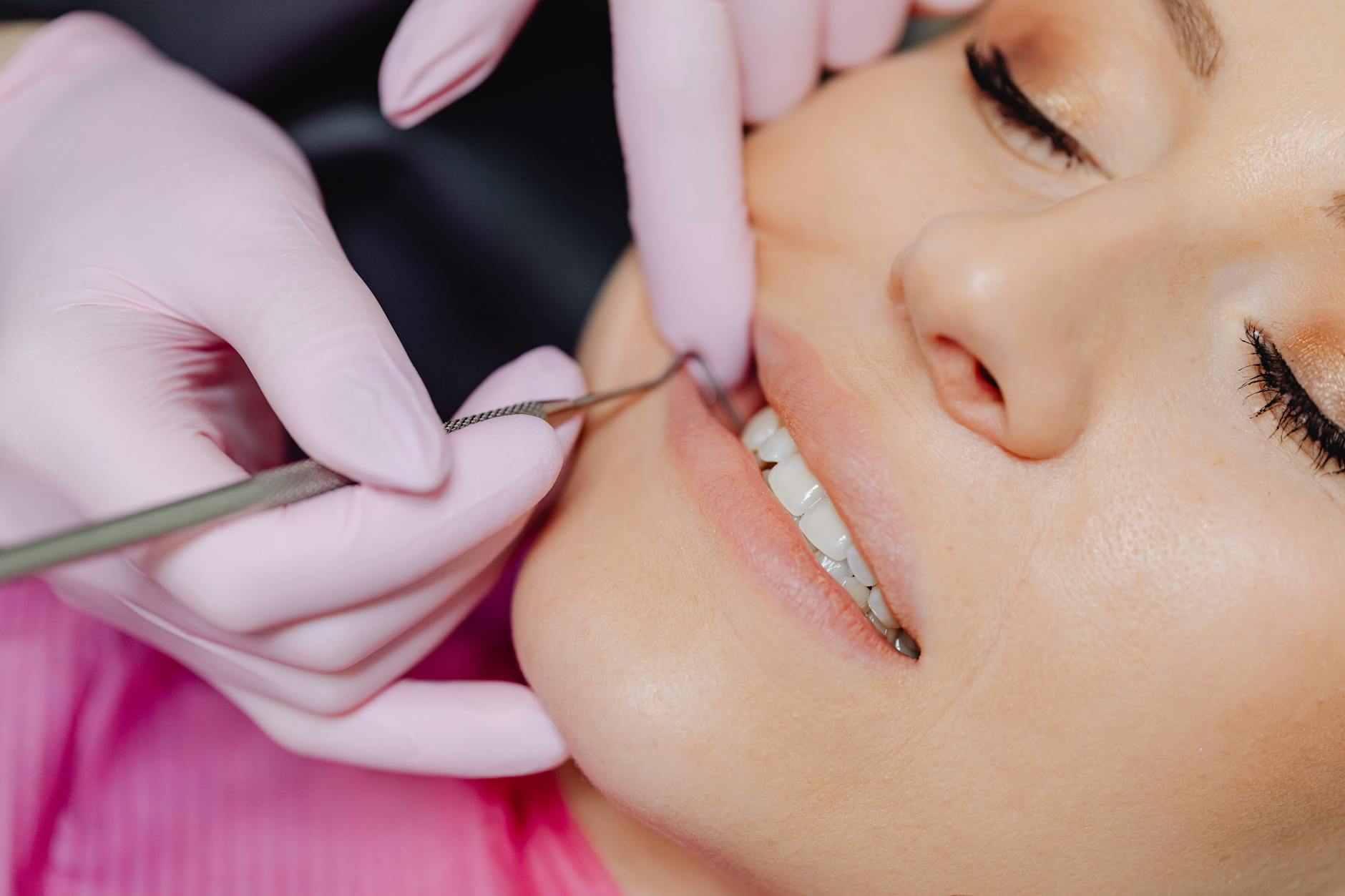
One of the most significant evolutions in 2026 acne treatment philosophy is the growing recognition that the skin microbiome—the ecosystem of bacteria, yeasts, and other microorganisms living on skin—plays a central role in acne development. Rather than simply killing all bacteria indiscriminately, newer treatments attempt to restore balance. Extended-release formulations of minocycline and doxycycline now use sub-microbial dosing, meaning patients receive doses lower than traditionally required to kill bacteria, yet high enough to reduce inflammatory responses. The practical benefit: reduced disruption to gut microbiome health while still controlling acne-causing inflammation. This shift reflects a broader trend toward AI-personalized skincare and microbiome-focused approaches, including postbiotics and probiotics designed to restore beneficial skin flora.
The idea is that some patients with acne have an imbalanced microbiome skewed toward acne-causing strains, and rebalancing that ecosystem can prevent future breakouts. Early data supporting this approach comes from small clinical studies, though larger confirmatory trials are ongoing. The limitation here is important to understand: microbiome approaches work best for patients with mild-to-moderate acne driven primarily by dysbiosis (microbial imbalance). For patients with severe acne or acne driven by hormonal factors or genetic predisposition to sebum overproduction, microbiome restoration alone typically isn’t sufficient. These patients often still require traditional oral medications or other interventions.
New Treatment Approvals and 2026 Guideline Changes
The FDA approval of the adapalene 0.3% plus benzoyl peroxide 2.5% fixed-dose combination represents the kind of incremental but meaningful progress happening at the regulatory level. This combination is now approved for patients aged 12 and older, addressing mild-to-moderate acne while reducing the irritation that sometimes occurs when patients use these medications separately. The fixed-dose combination ensures consistent dosing and better adherence compared to patients applying two separate products. Equally important are updated clinical guidelines from major dermatology societies, which now advise against prescribing oral contraceptives for acne treatment in patients under 16 years old until at least 2 years post-menarche.
This reflects emerging concerns about bone mineral density in adolescents, a risk that wasn’t adequately understood in earlier treatment guidelines. For teenage patients with hormonal acne, dermatologists now lean toward topical retinoids and oral antibiotics as first-line options, reserving hormonal treatment for older adolescents. A specific example: a 14-year-old with moderate hormonal acne would previously have been a candidate for birth control pills combined with spironolactone. Under updated guidelines, that patient would now start with adapalene and benzoyl peroxide topically, potentially adding an oral antibiotic like doxycycline if needed, and deferring hormonal treatment until age 16 or later unless acne severity truly warrants it.

Comparing Laser and Energy-Based Approaches to Traditional Oral Medications
Laser and light-based therapies have historically been viewed as adjuncts to oral medications for severe acne, but recent data shows that energy-based treatments can achieve efficacy on par with oral isotretinoin—the most powerful acne drug available—for select severe cases. These technologies work by generating heat within sebaceous glands, reducing sebum production and killing acne-causing bacteria. Examples include blue light therapy, fractional laser, and radiofrequency treatments.
The practical tradeoff is important: isotretinoin is a single course of oral medication that often produces long-term or permanent remission of acne, but it requires monthly pregnancy tests (for women of childbearing potential), liver function monitoring, and carries risks of birth defects and other side effects. Laser treatments, by contrast, are non-systemic—they don’t circulate in the bloodstream—but they typically require multiple sessions (6-10 treatments spaced weeks apart) and they cost significantly more out-of-pocket than isotretinoin. For a patient with severe cystic acne who is hesitant about isotretinoin’s side effects or monitoring requirements, laser treatment represents a valid alternative, though patience and budget are required.
The Pipeline of Emerging Therapies and Potential Game-Changers
Beyond therapies in late-stage trials, the acne treatment pipeline contains some genuinely novel approaches. Sanofi is currently developing an mRNA acne vaccine—yes, a vaccine—that would train the immune system to recognize and suppress the inflammatory response triggered by acne-causing bacteria. Early-stage data suggests this approach could prevent acne from developing in the first place, rather than just treating existing breakouts. However, realistic expectations matter: trial results aren’t expected until 2029 at the earliest, meaning this technology is still 3-5 years away from potential regulatory approval. A broader view of the pipeline shows 20+ companies globally developing 22+ acne treatment therapies, indicating robust competition and innovation.
These range from novel retinoid compounds with better tolerability profiles, to new antibiotic combinations, to entirely new drug classes targeting sebum production or immune regulation. The competitive landscape suggests that acne treatment options will continue expanding, though not all pipeline therapies will reach patients—many will fail in trials or never gain regulatory approval. One warning: the abundance of clinical activity can create false hope. For patients reading about dozens of experimental treatments, it’s easy to assume that “the cure” is just around the corner. The reality is that development timelines are long, and even successful clinical trials don’t guarantee that a therapy will be affordable, accessible, or dramatically better than existing options once it reaches the market.
Practical Efficacy Expectations for Current Treatments
Understanding what “success” looks like with today’s acne treatments helps set realistic expectations. The statistic that 40% of patients achieve clear or almost clear skin for up to 6 months post-treatment doesn’t mean that four out of every ten patients will experience complete permanent remission. Rather, it means that among patients treated with current standard therapies, roughly 40% reach a state of significant clearance that lasts half a year.
The other 60% achieve meaningful improvement—often 50%+ reduction in lesion count—but may still experience occasional breakouts or require ongoing maintenance therapy. For context, 80-90% of patients experience at least 50% reduction in inflammatory lesions, meaning the vast majority of acne sufferers will see substantial improvement with appropriate treatment. However, that 10-20% gap—patients who don’t achieve 50% improvement—represents a real subset of acne that doesn’t respond well to standard approaches, often because it’s driven by severe hormonal imbalances, genetic sebum overproduction, or other hard-to-treat factors.
Looking Ahead—The Future of Acne Treatment and Personalization
The direction of acne dermatology is clearly toward personalized medicine: genetic testing to predict medication response, skin microbiome analysis to identify dysbiosis, and increasingly, AI-assisted diagnosis and treatment selection. As more data accumulates about which patient characteristics predict success with specific treatments, dermatologists will move away from trial-and-error approaches toward targeted first-line therapy based on a patient’s individual profile.
The convergence of clinical breakthroughs, updated guidelines, and emerging technologies suggests that the next 3-5 years will bring meaningful improvements in acne treatment outcomes. The denifanstat and DMT 310 approvals signal that truly novel mechanisms are reaching patients, while the expansion of microbiome-focused approaches and AI-personalized skincare reflects a fundamental shift in how the dermatology community thinks about acne causation and treatment strategy.
Conclusion
Recent clinical trials and emerging treatments mark a genuine inflection point in acne care. Denifanstat and DMT 310 represent novel mechanisms that significantly outperform placebo, while updated treatment guidelines—particularly restrictions on oral contraceptives in young adolescents—reflect evolving understanding of acne pathophysiology.
Current treatments now achieve clear skin in 40% of patients and 50%+ lesion reduction in 80-90% of patients, with new options like fixed-dose adapalene-benzoyl peroxide expanding accessible treatment options. If you’re struggling with persistent acne, the evidence supports starting with scientifically-backed approaches: retinoids and benzoyl peroxide for topical treatment, oral antibiotics or hormonal therapy for moderate cases, and isotretinoin or laser therapy for severe cases. The convergence of clinical data, updated guidelines, and emerging therapies means that effective treatment pathways exist for nearly every acne type—the key is consulting a dermatologist who stays current with 2026 evidence rather than relying on outdated protocols.