The explosion of new acne brand launches in 2026 isn’t just a business trend—it’s a direct reflection of how beauty standards are fundamentally shifting. Unlike previous decades when the skincare industry pushed the myth of flawless skin as the ideal, today’s emerging brands are built on a radically different premise: that acne is normal, manageable, and shouldn’t define your appearance or self-worth. Brands like Personal Day by Lili Reinhart, Haruharu Wonder, and Indomo are launching products that address acne without the shame-based messaging that dominated the market just five years ago. This shift mirrors broader cultural changes we’re seeing with celebrities like Jenna Ortega and Billie Eilish openly embracing skin texture and perceived “flaws,” signaling that filter-perfect skin is no longer the aspirational standard. The timing of these launches reveals just how much consumer attitudes have changed.
The global acne treatment market is experiencing explosive growth, valued at $11.1 billion in 2024 and projected to reach $15.1 billion by 2030. U.S. acne treatment sales alone hit $1.7 billion in 2025, up 5% from the previous year. Search interest tells an even clearer story: Google searches for “acne treatment” grew 19% in 2025 to hit 424,000 monthly searches, while searches for acne scar treatment jumped 32% and pimple patch searches climbed 23%. This article explores why the acne treatment industry is booming, what new products are entering the market, and how changing beauty standards are reshaping everything from product formulations to the way brands talk about skin health.
Table of Contents
- Why Are Beauty Brands Betting Big on Acne in 2026?
- How Beauty Standards Are Shifting Away from Perfectionism
- Meet the New Generation of Acne Products Launching in 2026
- Who’s Getting Acne Now? Demographic Shifts Reshaping the Industry
- The Science Behind the Shift: Long-Term Skin Health Over Quick Fixes
- From Treatment to Transformation: Therapeutic Procedures Gaining Ground
- What’s Next for Acne Treatment and Beauty Standards
- Conclusion
Why Are Beauty Brands Betting Big on Acne in 2026?
The acne treatment boom isn’t accidental—it’s driven by concrete market forces that have aligned to create unprecedented demand. For decades, the skincare industry relegated acne products to a corner of the market, often framed as problem-solving rather than self-care. Today’s brands are repositioning acne treatment as a mainstream category deserving premium formulations, celebrity backing, and genuine innovation. The $1.7 billion U.S. market growth signals that consumers are no longer embarrassed to invest in acne solutions; they’re actively seeking them out. One key indicator of this shift is where acne products are selling. TikTok Shop—a platform that captures early trends and younger demographics—saw acne treatment product sales exceed $20.9 million in 2025.
This single statistic tells you something important: Gen Z and younger millennials aren’t just buying acne products; they’re openly discussing and purchasing them on social platforms where status and peer perception matter most. The fact that acne treatment is thriving on a platform synonymous with beauty and lifestyle trends, not hidden in pharmacy aisles, reflects a normalization that simply didn’t exist a decade ago. The market growth extends beyond consumer sales into research and development investment. Beauty conglomerates and independent founders are pouring resources into acne solutions because they recognize an underserved market segment. However, increased competition also means consumers need to be more discerning. Not every new launch represents genuine innovation—some are reformulations of existing ingredients with new branding. The key is identifying products backed by clinical evidence or addressing specific acne concerns (hormonal acne, scarring, sensitive skin) rather than claiming to be a one-size-fits-all solution.
How Beauty Standards Are Shifting Away from Perfectionism
The most profound change reflected in new acne brand launches is the cultural rejection of impossible skin standards. For generations, advertising and media pushed an airbrushed ideal: completely clear, poreless, luminous skin that no human actually has. This created a vicious cycle where people with acne felt defective or abnormal, driving shame-based purchasing decisions. New brands are deliberately positioning themselves against this narrative, choosing authenticity over aspiration. The resurgence of ’90s grunge and 2010s indie sleaze aesthetics, popularized by figures like Jenna Ortega and Billie Eilish, has legitimized skin texture and what previous generations labeled “flaws.” This isn’t just about fashion; it’s about the philosophical permission structures society grants us. When visible, influential people stop using filters and heavy makeup, it changes what feels possible for everyone else.
A Gen Z consumer watching a celebrity with visible skin texture receive the same adoration as someone with flawless skin experiences a genuine paradigm shift. Approximately 25% of Gen Z reports feeling underrepresented in beauty advertising, which has driven demand for brands that acknowledge diverse skin realities. The newer acne brands are answering this demand by featuring real skin in marketing and normalizing acne as something to manage, not hide. However, this shift doesn’t mean acne is suddenly desirable or that all skin concerns carry equal cultural weight. The movement toward authenticity is real, but it exists alongside persistent social pressures and genuine dermatological concerns that make acne treatment necessary and valuable. Someone with severe cystic acne that’s painful or scarring has legitimate medical reasons to seek treatment beyond beauty standards. The distinction matters: new brands succeed because they’re marketing acne treatment as health and self-care, not shame correction.
Meet the New Generation of Acne Products Launching in 2026
Several high-profile brands have entered the acne market in 2026 with distinctly different approaches, each reflecting different aspects of the changing landscape. Benefit Cosmetics launched a two-step pore “degunker” product that targets texture and congestion, reflecting the industry’s shift toward addressing visible skin concerns rather than trying to erase them completely. Haruharu Wonder released an acne-friendly PDRN serum, incorporating cutting-edge ingredient science while maintaining a clean beauty philosophy. Personal Day by Lili Reinhart introduced a hypochlorous acid spray for acne, bringing an antimicrobial approach that’s gaining traction for its gentleness on compromised skin barriers. The most ambitious launch is Indomo, developed by Jack Abraham, cofounder of Hims & Hers.
Indomo is developing an at-home corticosteroid acne injection pending FDA approval—a product concept that would have seemed impossible in previous eras when home acne treatment meant topical creams and oral medications. This product demonstrates how the industry is willing to invest in novel delivery systems and more aggressive interventions, suggesting they believe consumer demand justifies the regulatory and manufacturing complexity. If approved, it would represent a significant shift in how people manage inflammatory acne at home. These launches reveal important distinctions in product strategy. Some are positioned as luxury self-care products (Benefit’s playful marketing), others emphasize clean or clinical efficacy (Indomo’s medical approach), and still others focus on ingredient innovation (Haruharu’s PDRN formula). A consumer choosing between these products needs to consider their specific acne type: hormonal breakouts might respond differently to PDRN serums than inflammatory acne would to corticosteroid interventions, and texture concerns require different solutions than active breakouts.

Who’s Getting Acne Now? Demographic Shifts Reshaping the Industry
One reason acne treatment has moved from a niche product category to a mainstream market is that acne itself is reaching new populations and appearing earlier in life. The average age of acne vulgaris onset has dropped from 14-15 years to 11-12 years, meaning dermatologists and parents are confronting acne in early adolescents and even pre-teens. This shift has forced the industry to develop gentler formulations and age-appropriate solutions, expanding the total addressable market significantly. The prevalence data is striking: acne affects 20.5% of the global population, with 28.3% of adolescents experiencing it at any given time. But perhaps more important for understanding why new brands are launching is the demographic breakdown: men’s skincare is growing faster than any other segment during the forecast period. This growth is driven by changing attitudes toward male grooming, increased social media awareness, and the normalization of men caring about skincare beyond a basic face wash.
A decade ago, acne products were marketed almost exclusively to women; today’s brands recognize that men represent a huge untapped market, which has led to gender-neutral branding and product positioning that previous generations would have considered impossible. The Gen Z factor cannot be overstated. This generation grew up with social media and is simultaneously more aware of skincare concerns and more skeptical of traditional marketing. They expect authenticity, sustainability, and inclusive representation. When brands fail on these fronts, Gen Z actively rejects them. This demographic pressure has forced even established beauty companies to rethink their approach, which explains why Benefit and other legacy brands are launching entirely new product lines rather than simply expanding existing ones. However, this also means the acne market is becoming more fragmented—there’s no longer a one-size-fits-all brand, which makes it harder for consumers to navigate.
The Science Behind the Shift: Long-Term Skin Health Over Quick Fixes
Underlying all these brand launches is a fundamental change in how the skincare industry approaches acne treatment. The old model was about quick fixes: dry out the skin, kill the bacteria, eliminate the breakout. New brands increasingly focus on long-term skin microbiome health and barrier function, reflecting scientific advances in understanding acne’s root causes. This shift represents genuine innovation in the acne treatment space, even if the messaging sometimes oversimplifies the science. The new emphasis on skin barrier health means many contemporary acne products incorporate soothing ingredients like ceramides, humectants, and botanical extracts alongside active acne-fighting components. Haruharu’s PDRN serum exemplifies this approach, offering growth factor benefits alongside acne management.
This multi-benefit strategy reflects research showing that overly harsh acne treatments can damage the skin barrier, leading to sensitivity and perpetuating the acne cycle. However, a significant caveat: this doesn’t mean barrier-focused products will work for severe acne that requires stronger interventions. Someone with cystic acne may need isotretinoin or other prescription medications that do involve temporary barrier compromise. The long-term health approach works better for mild-to-moderate acne; severe cases still demand more aggressive treatment, which can be emotionally difficult for people who’ve internalized the message that harsh treatments are bad. Digital health tools and AI-driven skin analysis are also reshaping how acne treatment is delivered. Teledermatology platforms and AI apps that analyze skin conditions are experiencing exponential growth, making professional guidance more accessible. This technological shift is accelerating the move away from one-size-fits-all products toward personalized treatment recommendations, which aligns perfectly with the new beauty standard of celebrating skin diversity rather than pursuing a single ideal.

From Treatment to Transformation: Therapeutic Procedures Gaining Ground
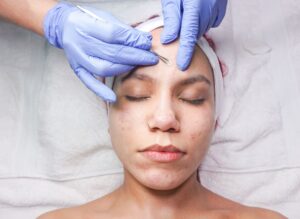
While topical and oral acne treatments dominate consumer consciousness, the fastest-growing segment of the acne treatment market involves professional procedures. Laser and light-based treatments, chemical peels, and microdermabrasion are gaining significant traction because they offer faster results with minimal downtime—important for an image-conscious population. This shift reflects consumer preferences for proactive, professional intervention rather than waiting months for topical treatments to show results.
The popularity of therapeutic procedures also signals something subtle about changing beauty standards: people still want clear skin, but they’re willing to invest in achieving it through science and technology rather than waiting and suffering through breakouts. A person using a laser treatment for acne simultaneously rejects the shame-based framing of acne as something to hide and accepts the modern reality that professional treatment is accessible and normalized. This represents a middle ground between the old perfectionism and the new authenticity—acknowledging that clear skin is a legitimate health and confidence goal worth pursuing through available tools.
What’s Next for Acne Treatment and Beauty Standards
The trajectory is clear: acne treatment will continue growing as a mainstream category, with increasing investment in both consumer products and professional procedures. The convergence of demographic shifts (younger onset, male inclusion, Gen Z expectations), technological innovation (AI analysis, teledermatology, novel delivery systems like Indomo’s injection), and cultural change (rejection of perfectionism, celebration of authenticity) creates ideal conditions for sustained market expansion through 2030 and beyond.
What makes this moment genuinely significant is that acne brand launches are no longer apologetic or shame-focused. The new generation of products and companies treat acne as a normal skin condition worthy of investment, innovation, and honest conversation. This reflects a broader maturation in how society approaches beauty—not by pretending everyone has perfect skin, but by acknowledging that skin concerns are universal and worth addressing with respect and efficacy.
Conclusion
New acne brand launches in 2026 reflect a seismic shift in beauty standards away from impossible perfectionism toward authentic skin health. The $1.7 billion U.S. market, explosive search growth, and high-profile product launches demonstrate that consumers are ready to invest in acne solutions without shame or embarrassment. These brands succeed not by promising to erase acne as if it’s a defect, but by positioning acne treatment as legitimate self-care aligned with long-term skin health and personal values like authenticity and inclusivity.
The brands and products entering the market today—from Benefit’s texture-focused offerings to Indomo’s innovative delivery systems—will shape how society thinks about acne for years to come. If you’re seeking acne treatment, this expanding landscape offers more choices and innovation than ever before, but it also requires discernment. Look for products backed by scientific evidence, consider your specific acne type and skin concerns, and remember that professional guidance from a dermatologist remains the gold standard, especially for severe or persistent acne. The beauty standard shift that enabled this market boom is fundamentally positive, but actual skin health still matters.