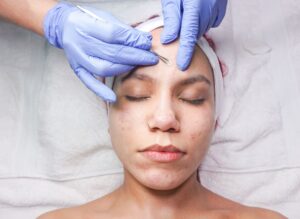
The acne treatment industry is experiencing a significant shift toward closer collaboration with dermatologists, fundamentally changing how new therapies are developed, validated, and brought to market. This isn’t a passive trend—companies are increasingly partnering with dermatology researchers, funding clinical studies, and building their brand positioning around dermatologist endorsement and clinical validation. The reason is straightforward: with over $6 billion spent annually on acne treatments in the U.S., dermatologist backing has become a competitive advantage that differentiates products in a crowded marketplace where consumer trust is paramount.
What’s driving this change? The acne market has reached a inflection point where dermatologists recognize the opportunity to shape treatment standards, and brands recognize that clinical credibility converts customers. While approximately 85% of people ages 12–24 experience at least minor acne—affecting roughly 50 million Americans annually—only 10% of these individuals actually consult dermatologists, meaning most rely on over-the-counter products. This gap presents both a challenge and an opportunity: dermatologists working with industry can influence treatment patterns, elevate product quality, and help more people access effective solutions. This article explores how dermatologist-industry collaboration is reshaping acne therapeutics, the innovations emerging from these partnerships, and what this means for patients and consumers.
Table of Contents
- Why Are Dermatologists Partnering More Actively with the Acne Industry?
- How Is the Industry Leveraging Dermatologist Expertise in Product Development?
- What New Innovations Are Emerging from Dermatology-Industry Collaboration?
- How Are Dermatologist Endorsements Reshaping Consumer Purchasing Behavior?
- The Tension Between Dermatology-Led Innovation and OTC Market Accessibility
- Industry Events and Networking Driving Collaboration Momentum
- What Does the Future of Dermatology-Industry Collaboration Look Like?
- Conclusion
Why Are Dermatologists Partnering More Actively with the Acne Industry?
The answer lies in the convergence of market opportunity and scientific advancement. The acne treatment market is substantial enough to justify significant investment in clinical research and development, yet fragmented enough that dermatologist involvement can meaningfully shift standards. Dermatologists bring credibility—patients trust their expertise more than social media influencers or unsubstantiated marketing claims. For manufacturers, this translates to a clear business advantage: dermatologist-endorsed products command premium pricing, higher market share, and consumer loyalty. The pharmaceutical and skincare companies recognize that clinical validation is no longer optional but essential for competitive positioning. Beyond economics, dermatologists are increasingly engaged because the field itself is evolving.
The 2026 American Academy of Dermatology (AAD) Annual Meeting will feature over 275 sessions with 40 new offerings specifically designed to foster collaboration between clinical, research, and industry stakeholders. This institutional shift signals that collaboration is now embedded into how dermatological knowledge is disseminated and how treatment innovations are tested. Growing public-private research collaborations are accelerating the development of novel acne therapeutics, creating a feedback loop where industry-funded research produces better treatments, which dermatologists then validate and recommend, which in turn generates demand and justifies further investment. It’s important to note that this collaboration dynamic varies by segment. Retail pharmacies have been particularly effective at maintaining market dominance through partnerships with dermatologists and targeted promotional campaigns. However, smaller skincare brands sometimes struggle with this pathway because dermatologist partnerships require regulatory compliance, research budgets, and clinical trial infrastructure. For a startup selling unproven botanical acne serums, dermatologist endorsement may not be feasible—and attempting to fake it through unsubstantiated claims can invite regulatory scrutiny.
How Is the Industry Leveraging Dermatologist Expertise in Product Development?
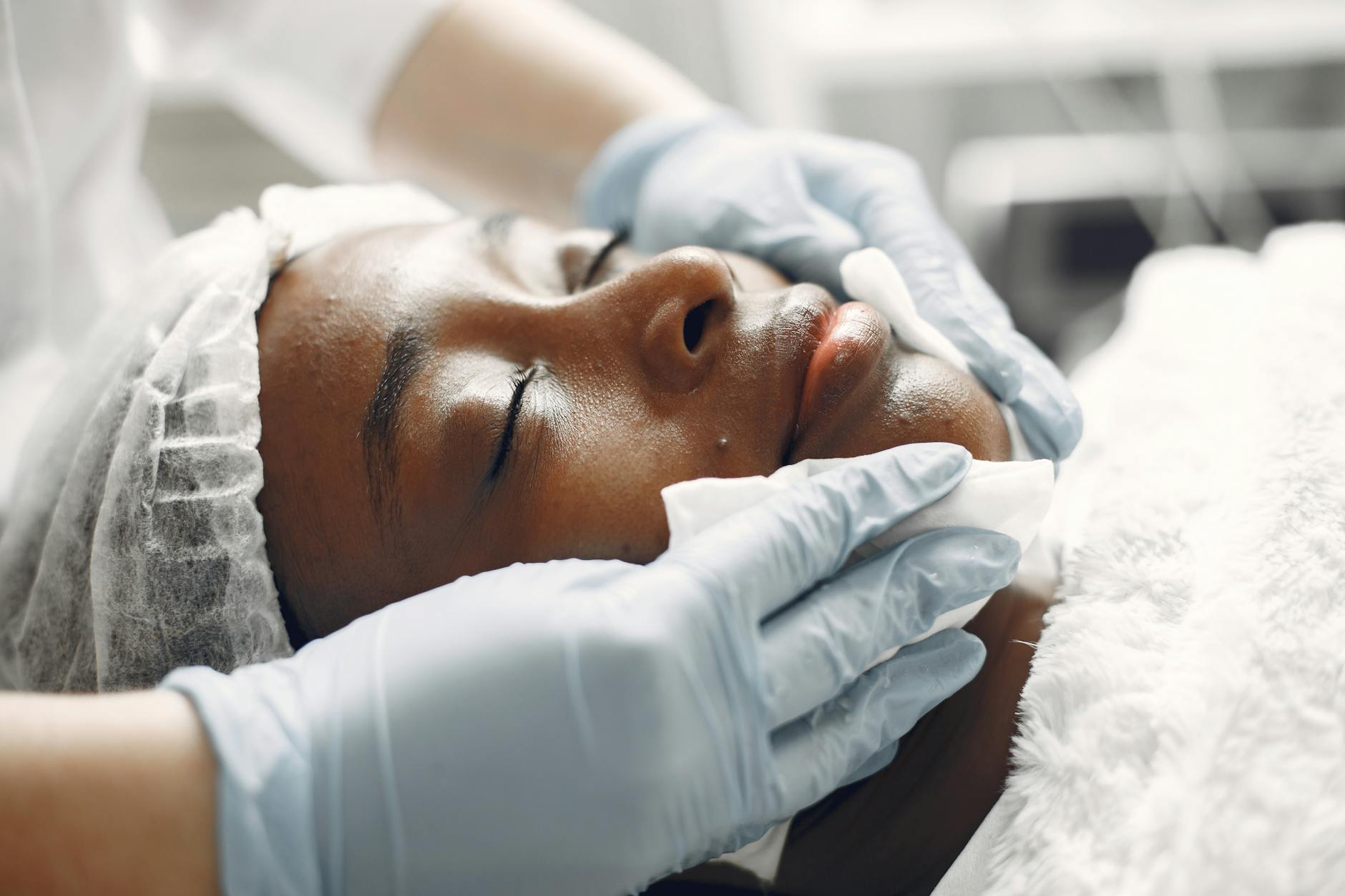
The collaboration extends far beyond endorsements into the core R&D process. Dermatologists now sit on advisory boards, contribute to product formulation, design clinical trials, and help shape regulatory strategies. This embedded involvement means that new acne treatments are being developed with dermatological science at their foundation rather than added as an afterthought. The result is a pipeline of innovations backed by clinical evidence from day one, which accelerates market entry and gives manufacturers credibility with healthcare providers. A concrete example of this collaboration is the emergence of new therapeutic targets. Rather than iterating on existing topical combinations, dermatologists and researchers are identifying entirely new pathways to treat acne.
These innovations include systemic approaches like sebum production inhibition and immunological strategies, which are more difficult for individual brands to pursue alone but are entirely feasible within collaborative research frameworks. Retail pharmacies are leveraging these partnerships not just for product development but for thought leadership—sponsoring dermatology conferences, funding continuing education, and positioning themselves as trusted resources for dermatologists seeking to upgrade their therapeutic toolkit. However, there’s a critical limitation worth understanding: not all dermatologist collaboration results in better products. Some partnerships are primarily marketing arrangements where a dermatologist’s name lends credibility without substantial involvement in product development. Additionally, the clinical standards required for industry collaboration can sometimes slow innovation. A dermatologist-backed clinical trial takes years and millions of dollars to complete, meaning that promising but unproven approaches may languish while more established pathways advance. Consumers seeking cutting-edge treatments should understand that dermatologist validation is a marker of safety and efficacy, not necessarily innovation speed.
What New Innovations Are Emerging from Dermatology-Industry Collaboration?
Several breakthrough therapies exemplify what’s possible when dermatologists and industry work together toward solving acne’s complexity. Denifanstat represents a significant shift in oral acne therapy—it targets both sebum production and inflammation, two fundamental drivers of acne pathology. This drug emerged directly from collaborative research between dermatologists who identified sebum dysregulation as a critical therapeutic target and pharmaceutical researchers who could develop the molecule to address it. Unlike older oral retinoids that worked primarily through cell turnover, denifanstat represents a new mechanism of action based on dermatological insights. Another example is Sanofi’s mRNA acne vaccine, currently in clinical trials. This represents perhaps the most ambitious collaboration yet—applying immunological concepts developed in vaccine research to dermatological science to create what could be a fundamentally different approach to acne prevention.
Rather than treating existing acne, an acne vaccine would prevent it from developing in the first place. While still experimental, this innovation would have been impossible without sustained collaboration between vaccine specialists, dermatologists, and pharmaceutical development teams. Similarly, fixed-dose combination therapies like clindamycin/adapalene/benzoyl peroxide represent dermatologist input on which ingredients work synergistically and in what ratios—research questions that industry alone cannot answer optimally. These innovations don’t emerge evenly across all companies. Large pharmaceutical companies with research infrastructure and partnerships at major academic medical centers produce most breakthrough therapies. Smaller or regional skincare brands typically introduce variations on existing formulations rather than entirely new mechanisms. This consolidation means that patients seeking truly novel acne treatments should look toward dermatology-backed lines from established manufacturers rather than expecting innovation from less-resourced brands.

How Are Dermatologist Endorsements Reshaping Consumer Purchasing Behavior?
Dermatologist endorsements have become central to brand positioning in acne treatment, with clinical validation now functioning as a primary competitive advantage. The most striking example is CeraVe’s trajectory from a pharmacy-adjacent brand to a Gen Z favorite—a rise directly attributable to dermatologist endorsement combined with digital marketing that leveraged professional credibility. When dermatologists recommend a product, it signals that it has passed clinical scrutiny, doesn’t cause sensitization in professional settings, and delivers on its promises. For consumers skeptical of marketing hype, this validation is invaluable. This dynamic plays out across price tiers. Prescription products have always been dermatologist-validated by definition, but now the OTC space is increasingly stratified by dermatological credibility. Premium skincare brands that emphasize dermatologist collaboration command 30-50% price premiums over comparable products without such backing.
Retail pharmacies have responded by featuring dermatologist recommendations prominently in-store and online, knowing that a single endorsement from a visible dermatologist can drive significant volume. Professional networks matter too—when a dermatologist recommends a product from their clinic, patients are far more likely to purchase it than if they encounter the same product through general retail channels. However, a critical warning: dermatologist endorsement is not a guarantee of superiority. Some products are endorsed primarily because they’re safe—they don’t cause harm—but may not outperform cheaper alternatives. A dermatologist-recommended benzoyl peroxide wash at $20 may be equally effective as a non-endorsed version at $8, with the difference being formulation quality, packaging, and marketing rather than efficacy. Additionally, dermatologists’ recommendations are sometimes shaped by relationships with manufacturers or kickback incentives, a practice that exists in healthcare generally. Informed consumers should view dermatologist endorsement as a credibility marker rather than a guarantee of unmatched performance.
The Tension Between Dermatology-Led Innovation and OTC Market Accessibility
A fundamental challenge in dermatologist-industry collaboration is that the most advanced treatments remain inaccessible to most people with acne. Prescription medications, dermatologist-formulated professional products, and innovation-driven brands are expensive. Meanwhile, only about 10% of the 50 million Americans with acne consult dermatologists, meaning 45 million people rely on self-selected OTC treatments—many of suboptimal quality. The industry’s turn toward dermatologist collaboration may inadvertently widen this gap, as resources concentrate on developing premium, clinically-proven products for the minority who can access dermatological care while the majority navigate an increasingly fragmented OTC landscape. This tension is most visible in topical retinoid adoption. Prescription retinoids like tretinoin are highly effective but expensive, require ongoing dermatological monitoring, and aren’t covered by many insurance plans.
OTC retinol alternatives are accessible but significantly less effective. A dermatologist-industry collaboration that produced an affordable, OTC-accessible retinoid with prescription-grade efficacy would be transformative—but such a product is commercially challenging because it cannibalizes prescription sales. The industry has instead moved toward premium OTC retinol formulations at price points that price out the lowest-income consumers most affected by acne. One important limitation to understand: dermatologist collaboration helps drive innovation for profitable market segments. Cystic acne treatment, hormonal acne in adult women, and acne rosacea combinations attract dermatologist-industry focus because they affect affluent populations willing to pay for advanced solutions. Pediatric acne, severe acne in under-resourced communities, and acne-like conditions common in people of color receive proportionally less research attention because they’re less lucrative market segments. Consumers should be aware that “dermatologist-backed” doesn’t mean the most effective solution for their particular acne subtype exists yet—it may simply mean solutions exist for higher-value populations.
Industry Events and Networking Driving Collaboration Momentum
The organizational infrastructure supporting dermatologist-industry collaboration is accelerating. The 2026 AAD Annual Meeting exemplifies this trend, with 275+ sessions and 40 new offerings designed explicitly to facilitate relationships between dermatologists, researchers, and industry stakeholders. These conferences serve as matchmaking events where dermatologists identify unmet clinical needs, companies present research findings, and partnerships form around shared problems. A dermatologist noting that treatment-resistant acne in hormonal contexts is a persistent clinical challenge might connect with a pharmaceutical company exploring hormonal modulation approaches, leading to a collaborative research proposal.
Beyond formal conferences, advisory boards, consulting relationships, and sponsored research programs create ongoing collaboration channels. Large brands maintain clinical advisory boards of 10-20 prominent dermatologists who review product development, guide clinical trials, and advise on market positioning. These relationships are formalized and compensated, creating structured pathways for dermatological input. Regional dermatology organizations, medical schools with dermatology programs, and teaching hospitals also serve as collaboration hubs where industry researchers can identify emerging treatment needs and test new approaches with dermatologists’ patient populations.
What Does the Future of Dermatology-Industry Collaboration Look Like?
The trajectory suggests that dermatologist collaboration will become standard practice rather than a differentiator—meaning that by 2030, most new acne products will have dermatological involvement at some level, and consumers will expect clinical validation as a baseline. The industry is moving toward more sophisticated collaboration models where dermatologists don’t simply endorse finished products but actively participate in defining what products should solve. This shifts power toward professionals and away from pure market-driven development, which could benefit acne patients by ensuring treatments address actual clinical needs rather than marketing narratives.
Emerging technologies like AI-driven clinical trial design and remote dermatology assessments are also lowering the barriers to dermatologist-industry collaboration. Smaller companies that previously couldn’t afford traditional clinical trials may soon conduct AI-assisted trials remotely, democratizing access to dermatological validation. Concurrently, digital health platforms are creating new collaboration models where dermatologists and skincare companies co-develop apps that diagnose acne severity, recommend treatments, and track patient outcomes—creating feedback loops that inform product development. This convergence suggests that future acne innovations will increasingly emerge from integrated dermatology-technology-industry partnerships rather than siloed development.
Conclusion
The acne industry’s shift toward dermatologist collaboration represents a fundamental change in how treatments are developed, validated, and positioned. Rather than viewing dermatologists as downstream endorsers of finished products, companies increasingly involve them in foundational R&D, research design, and clinical validation. This has accelerated innovation—from systemic approaches like sebum production inhibitors and mRNA vaccines to refined combination therapies backed by clinical evidence. The market is responding by rewarding dermatologist-endorsed products with premium positioning and consumer trust, creating a virtuous cycle where collaboration drives both innovation and profitability.
For consumers, this trend offers both opportunity and caution. Dermatologist involvement signals that a product has undergone clinical scrutiny and meets professional standards—a meaningful differentiator in an acne market flooded with unproven claims. However, dermatologist endorsement is not synonymous with superior efficacy, and the industry’s focus on profitable segments means that the most transformative innovations may not reach the 90% of acne sufferers who don’t regularly consult dermatologists. The most effective path forward is to view dermatologist collaboration as a credibility marker while remaining skeptical of marketing narratives, consulting dermatologists when acne is moderate to severe or unresponsive to OTC approaches, and recognizing that accessible, evidence-based treatment remains out of reach for too many people despite industry collaboration.