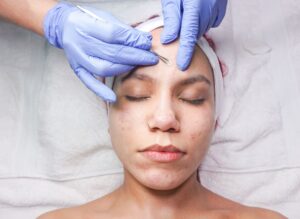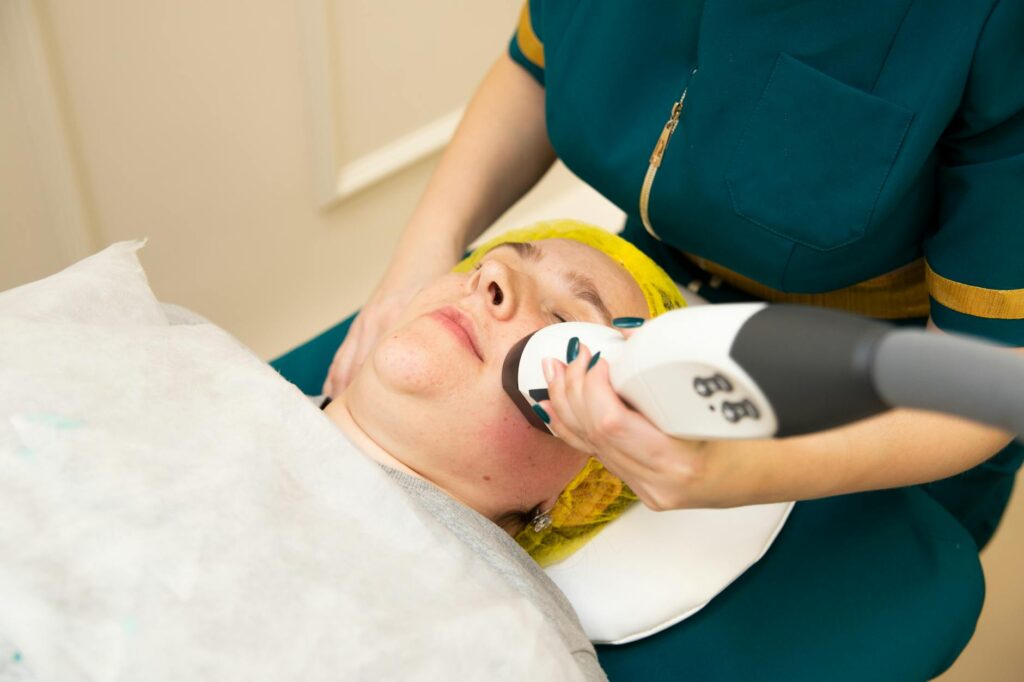
Experts are highlighting significant innovations in acne treatment formulas that represent a fundamental shift in how dermatologists approach breakouts. The most notable advancement is the FDA-approved fixed-dose combination of clindamycin, adapalene, and benzoyl peroxide—a single topical treatment that has proven more effective than applying these medications separately. This combination works because each ingredient addresses a different aspect of acne: benzoyl peroxide kills bacteria, adapalene unclogs pores and reduces inflammation, and clindamycin provides additional antimicrobial coverage. The improvement in efficacy combined with better patient adherence (fewer products to apply) represents a practical breakthrough for people managing moderate acne. Beyond combination therapy, the pipeline includes novel compounds that were unavailable just a few years ago.
DMT 310, derived from freshwater sponge, showed impressive results in Phase 3 clinical trials for moderate to severe acne. ASC40, a farnesyltransferase inhibitor, reduces sebum production and inflammation through a different mechanism than traditional treatments. An acne vaccine is in development with results expected by 2029. Additionally, microbiome-directed therapies—including probiotics and bacteriophage treatments—are emerging as a way to rebalance skin bacteria rather than simply killing them. This article explores the most significant innovations experts are championing, explains how each approach works, discusses practical applications for acne sufferers, and outlines what’s coming in the near term.
Table of Contents
- What Are the Most Significant Breakthroughs in Acne Treatment Innovation?
- How Do Emerging Novel Compounds Differ From Conventional Acne Medications?
- What Role Is Microbiome-Directed Therapy Playing in Modern Acne Treatment?
- How Should Someone Choose Between These Treatment Options?
- What Are the Limitations and Realistic Timelines for These Innovations?
- What Do the Latest 2026 Trends Suggest About the Future of Acne Care?
- Looking Forward: What’s the Long-Term Vision for Acne Treatment?
- Conclusion
What Are the Most Significant Breakthroughs in Acne Treatment Innovation?
The fixed-dose combination therapy represents the most immediate clinical advance available today. Rather than requiring patients to purchase clindamycin, adapalene, and benzoyl peroxide separately and apply them in sequence, this single formulation delivers all three ingredients in one application. Clinical data shows this approach produces superior outcomes compared to the traditional three-separate-products method. For someone with moderate inflammatory acne, this can mean fewer steps in a routine, better compliance (people are more likely to stick with fewer steps), and faster clearance of lesions.
Running parallel to this are two Phase 3-tested compounds targeting different acne mechanisms. DMT 310 works through antimicrobial and anti-inflammatory pathways distinct from conventional antibiotics or retinoids, which could benefit people who’ve developed resistance or sensitivity to standard treatments. ASC40 targets sebum production directly—a key driver of acne, especially in hormonal and severe cases. The advantage of reducing sebum is that it addresses one of the root causes of acne rather than only treating inflammation or bacteria. However, sebum reduction can take weeks to show effect, so ASC40 would typically be combined with faster-acting topicals for initial control.

How Do Emerging Novel Compounds Differ From Conventional Acne Medications?
Traditional acne treatments fall into a few categories: antibiotics (kill bacteria), retinoids (unclog pores, reduce inflammation), benzoyl peroxide (kills bacteria and oxidizes biofilms), and hormonal medications like oral contraceptives or spironolactone (reduce sebum production). New compounds like DMT 310 and ASC40 work through mechanisms not yet exhausted by resistance or long-term use—an important distinction because acne bacteria have gradually adapted to decades of topical and oral antibiotics. DMT 310’s freshwater sponge origin illustrates a broader trend in dermatology: mining natural sources for novel anti-inflammatory and antimicrobial compounds.
This approach can yield compounds that microbes haven’t evolved resistance to, since they’re not widely used in clinical practice yet. The catch is that these compounds must move through rigorous Phase 3 trials before approval, which means a delay between promising data and availability. ASC40, by contrast, offers a way to address acne at the sebaceous gland level—it reduces sebum production, which is why it may be especially effective for hormonal acne where excess sebum is the dominant driver.
What Role Is Microbiome-Directed Therapy Playing in Modern Acne Treatment?
The microbiome approach represents a paradigm shift from “kill all bacteria on skin” to “restore balance among skin bacteria.” Traditional acne treatments, especially topical and oral antibiotics, indiscriminately reduce bacterial populations. This can temporarily clear acne but may allow acne-prone bacteria to repopulate once treatment stops. Microbiome-directed therapies—including probiotics applied topically and bacteriophage treatments that selectively target *Cutibacterium acnes*—aim to shift the bacterial community toward less acne-promoting species.
Probiotics for acne work by introducing beneficial bacteria or their metabolites (postbiotics) that either outcompete acne-promoting bacteria or reduce inflammation. Bacteriophage therapy uses viruses that infect and kill specific acne bacteria while leaving other skin bacteria intact. Both approaches are still in development or early clinical use, but they address a real limitation of antibiotic therapy: antibiotic resistance and disruption of healthy skin flora. The trade-off is that these therapies require more research before they become widely available, and results may take longer than conventional treatments since they rely on microbial community shifts rather than immediate bacterial kill.

How Should Someone Choose Between These Treatment Options?
For anyone with mild to moderate inflammatory acne, the fixed-dose clindamycin, adapalene, and benzoyl peroxide combination is worth discussing with a dermatologist—it’s FDA-approved, available now, and the evidence supports superior efficacy compared to using the medications separately. The main consideration is tolerability: benzoyl peroxide can bleach fabrics, adapalene can initially increase irritation and sensitivity during the adjustment period, and clindamycin is an antibiotic, so long-term use should be weighed against antibiotic resistance concerns.
For people with moderate to severe acne, or those who haven’t responded adequately to conventional treatments, asking a dermatologist about DMT 310 or ASC40 in clinical trial settings or through expanded access programs may be worthwhile. ASC40 in particular appeals to people with hormonally driven acne, since reducing sebum production can be more effective than antibiotics for this subtype. For those interested in microbiome-preserving approaches, probiotics and postbiotic skincare products are available now and may reduce irritation compared to harsh antibiotics, though they typically work better as adjuncts to other treatments rather than as monotherapy.
What Are the Limitations and Realistic Timelines for These Innovations?
The fixed-dose combination therapy is available today, but it’s formulated specifically for acne and may not be suitable for all skin types—notably, it can be drying or irritating for sensitive skin types, and anyone using it should also be using sunscreen because adapalene increases sun sensitivity. DMT 310 and ASC40 have shown promise in Phase 3 trials, but they’re not yet approved or widely available; regulatory approval typically takes another 1–2 years after trial completion.
The acne vaccine, while potentially transformative, remains years away—clinical results aren’t expected until 2029, and even then, approval and availability could extend into 2030 or beyond. Microbiome therapies are being developed but aren’t yet standard of care; they work best as part of a broader treatment plan rather than as standalone solutions. The broader message is that innovations often move slower from “promising trial data” to “in my dermatologist’s office,” and people shouldn’t delay treatment waiting for a future option when effective options exist now.
What Do the Latest 2026 Trends Suggest About the Future of Acne Care?
AI-personalized skincare is emerging as a trend, with companies using algorithms to recommend products and treatments based on individual skin profiles. This reflects a shift toward precision medicine in dermatology—treating acne as a personalized condition rather than a one-size-fits-all problem. Microbiome-supportive ingredients and postbiotic therapies are gaining traction in consumer products, even as clinical research continues.
Retinol systems with reduced irritation, developed through improved formulation chemistry, are allowing people who previously found retinoids too harsh to tolerate them. Combination supplement treatments, such as those containing DIM (diindolylmethane) for hormonal acne, are becoming more researched and integrated into dermatological recommendations. Neutrogena’s 2025 launch of Evenly Clear—the first adult-focused acne collection co-designed with dermatologists and clinically proven to treat breakouts and reduce post-acne marks—signals that major skincare brands are investing heavily in acne innovation and moving beyond generic or generic-feeling products.
Looking Forward: What’s the Long-Term Vision for Acne Treatment?
The direction is clear: moving from broad-spectrum antimicrobial approaches to targeted, mechanism-specific treatments that address individual drivers of acne. Some people’s acne is primarily inflammatory, others’ is primarily bacterial, some is hormonally driven, and some is microbiome-dysbiosis related.
Future treatment will likely involve testing to identify which driver dominates for each person, then selecting the most appropriate therapy or combination. The potential for preventive treatments—whether through vaccination or early microbiome intervention—suggests a future where severe acne progression could be prevented entirely in some patients, rather than only managed after it develops. For now, the innovations available today offer real improvements in efficacy and tolerability, and discussing these options with a dermatologist ensures that acne treatment plans align with both the latest evidence and individual skin needs.
Conclusion
Experts are highlighting multiple innovations that represent genuine advances in acne treatment efficacy and mechanism. The FDA-approved fixed-dose combination of clindamycin, adapalene, and benzoyl peroxide is available now and outperforms separate applications. Novel compounds like DMT 310 and ASC40, alongside microbiome-directed therapies and improved formulations, offer new pathways for people who haven’t responded adequately to conventional treatments.
The acne vaccine in development could eventually transform prevention and management. For anyone struggling with acne, the takeaway is that dermatological options have genuinely expanded. Rather than cycling through the same antibiotics and retinoids, it’s worth having a conversation with a dermatologist about which innovation—whether available now or in clinical trials—aligns best with your acne type, skin sensitivity, and treatment history. The evidence supports a more personalized, mechanism-driven approach than has been standard practice until recently.