

The acne treatment market is experiencing significant expansion, with the global market projected to grow from USD 10.6 billion in 2024 to USD 17.1 billion by 2034—a clear signal that beauty and skincare priorities have fundamentally shifted. This growth isn’t simply reflecting inflation or population increases; it represents a genuine reallocation of consumer spending and personal care priorities. The market expansion reveals that acne treatment has moved from a teenage skin problem to a lifelong concern affecting roughly one in five people globally, and consumers are now willing to invest more money across a wider range of solutions. This article explores what drives this market growth, which regions and treatment types are seeing the strongest demand, and what the data reveals about changing attitudes toward acne, skin health, and personal beauty standards.
The shift toward acne-focused skincare represents a broader cultural change. No longer is acne dismissed as a temporary teenage issue that will resolve on its own. Instead, consumers—increasingly across all ages—recognize acne as a treatable condition worth professional investment. The market data shows this is happening everywhere, from North America dominating with billions in annual revenue to Asia-Pacific emerging as the fastest-growing region.
Table of Contents
- What Explains the Explosive Growth in the Acne Treatment Market?
- Geographic Shifts and Where Acne Treatment Demand Is Strongest
- Medspa Treatments Are Driving More Revenue Than Topical Products
- Post-Pandemic Awareness Shifted Beauty Priorities Permanently
- Product Innovation Is Expanding Treatment Options Beyond Traditional Approaches
- Adolescents and Young Adults Drive the Highest Prevalence, But Adult Acne Is Growing
- The Future of the Acne Market: Personalization and Preventive Care
- Conclusion
What Explains the Explosive Growth in the Acne Treatment Market?
The numbers behind acne market expansion are substantial. The global acne treatment market is growing at a compound annual growth rate of 4.9%, which translates to USD 6.5 billion in new market value over a decade. An even more aggressive growth forecast shows the anti-acne cosmetics segment alone expanding from USD 7.24 billion in 2024 to USD 17.35 billion by 2035—a 140% increase at an 8.27% annual growth rate. Meanwhile, another market projection puts the overall acne treatment market growing from USD 12.19 billion in 2025 to USD 17.48 billion by 2032. The consistency across different research firms reporting similar timelines and growth trajectories suggests this isn’t speculative hype but a genuine, sustained market shift.
What’s driving this expansion? Several reinforcing factors are at work simultaneously. The post-pandemic period saw a spike in skincare awareness as consumers invested more time and money in at-home beauty routines. Mask-induced acne—a documented phenomenon during lockdowns and public health orders—created new demand even among demographics that hadn’t previously dealt with acne. Beyond temporary factors, sustained growth is fueled by product innovations entering the market, celebrity and influencer endorsements driving consumer awareness, and the simple reality that more people are seeking professional or premium treatments for a condition that affects 20.5% of the global population. However, sustained market growth depends on distinguishing between temporary pandemic-driven demand and structural shifts in beauty priorities—early indicators suggest the latter is occurring.

Geographic Shifts and Where Acne Treatment Demand Is Strongest
North America currently dominates the acne treatment market, commanding 49.14% of the global market share in 2023 and maintaining 44.7% of the market with USD 4.7 billion in revenue in 2024. This dominance reflects mature healthcare infrastructure, high consumer spending power, and established dermatology services. However, North America’s growth is moderate—it’s a market with limited room for explosive expansion since acne treatments are already mainstream and broadly accessible. The real opportunity and growth momentum is in Asia-Pacific, identified as the fastest-growing region across multiple market research firms.
Asia-Pacific’s rapid expansion is driven by rising disposable incomes, accelerating urbanization, and a cultural shift in skincare priorities. As middle-class populations expand in countries like India, Indonesia, the Philippines, and Vietnam, consumers are discovering and adopting professional acne treatments that were previously unavailable. This isn’t just dermatology referrals; it includes medspa treatments, direct-to-consumer skincare brands, and combination therapies. The limitation to watch: Asia-Pacific growth remains heavily concentrated in major urban centers and upper-income consumer segments. Rural or lower-income populations in the region still have limited access to professional acne treatments, which means true market saturation may be decades away.
Medspa Treatments Are Driving More Revenue Than Topical Products
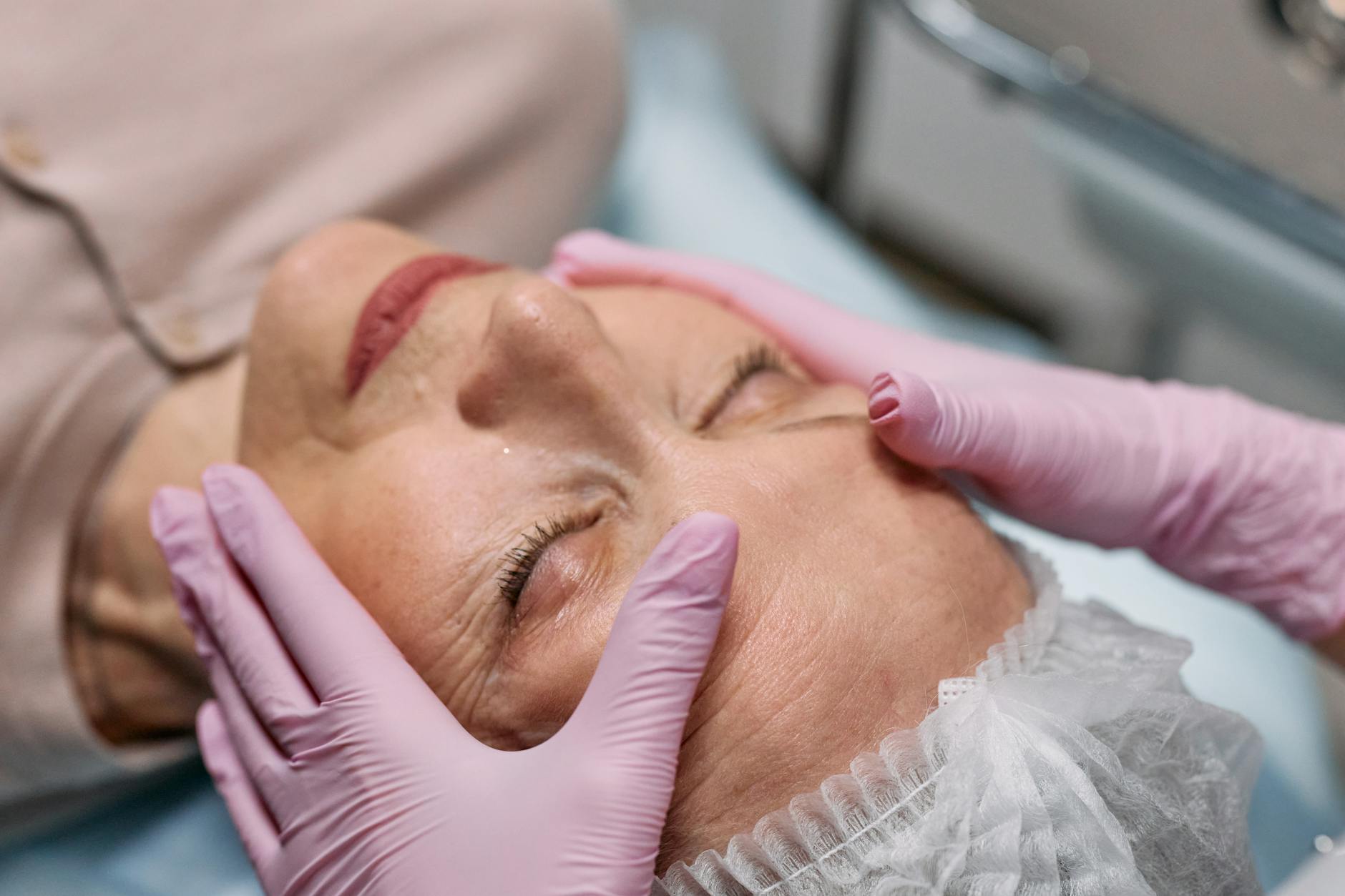
A surprising insight from market data is that medspa treatments—professional, in-clinic procedures like chemical peels, laser therapy, and advanced light-based treatments—account for 64.4% of market revenue in 2024. This dominance reveals a critical shift in consumer behavior: people are increasingly willing to pay for professional, higher-cost treatments rather than relying solely on at-home skincare products. A chemical peel or laser treatment session may cost USD 150–500 per appointment, compared to USD 20–100 for monthly topical product spending, yet consumers are choosing professional options in sufficient volume that they drive the majority of market revenue. This doesn’t mean topical treatments are declining—quite the opposite.
Topical treatments remain dominant by unit volume and accessibility. The distinction is revenue versus unit count: millions of people use retinol creams and benzoyl peroxide washes (low unit cost), while fewer people use professional treatments (high unit cost). The medspa dominance reflects the profitability and willingness-to-pay of those who seek professional help. However, geographic variation matters here: medspa revenue is concentrated in developed markets with established dermatology infrastructure. In emerging markets, topical products and oral medications will likely remain the primary revenue driver for years.
Post-Pandemic Awareness Shifted Beauty Priorities Permanently
The COVID-19 pandemic created an unexpected acne epidemic. Mask-wearing requirements caused friction-related dermatitis and bacterial acne in populations that hadn’t previously experienced significant breakouts. While mask mandates have ended, the behavioral shift they triggered persists. Consumers who developed acne during 2020–2021 continued seeking treatments afterward, turning a temporary health issue into a sustained market opportunity. More importantly, the pandemic normalized discussing skincare concerns openly and seeking professional solutions—a cultural shift that accelerated digital dermatology consultations and direct-to-consumer skincare brands.
Concurrent with mask-related acne, pandemic lockdowns increased online time and exposure to skincare influencers, beauty content creators, and dermatology educators on platforms like TikTok, Instagram, and YouTube. This created a feedback loop: consumers saw acne as a treatable problem, discovered professional options through influencers, and allocated more budget to skincare. Market data shows influencer endorsements as a key growth driver. However, a warning: much of this influencer-driven demand isn’t always evidence-based. Some promoted treatments lack clinical backing, and consumers may waste money on trendy but ineffective products. Educational content from board-certified dermatologists, not just social media personalities, should guide purchasing decisions.
Product Innovation Is Expanding Treatment Options Beyond Traditional Approaches
The acne market’s growth is fueled not just by increased demand but by genuine product innovation. New formulations combining probiotics, niacinamide, azelaic acid, and multi-functional actives offer consumers more options than the traditional benzoyl peroxide and salicylic acid duo. Prescription retinoid alternatives, oral supplements targeting acne from within, and combination therapies reflecting a more sophisticated understanding of acne’s causes are entering the market. These innovations allow consumers to self-select solutions matching their specific acne type, skin sensitivity, and lifestyle.
The downside to product proliferation is decision paralysis and cost escalation. A consumer researching acne solutions in 2025 faces hundreds of options, many with similar-sounding claims and varying efficacy. Premium positioning and influencer partnerships drive marketing spend that inflates prices, sometimes without corresponding improvements in outcomes. Additionally, while innovation is occurring, the most effective acne treatments—prescription retinoids, oral antibiotics, and hormonal therapies—remain unchanged for years. Some of the newest “innovations” are repackaging established ingredients with premium pricing rather than genuine breakthroughs.
Adolescents and Young Adults Drive the Highest Prevalence, But Adult Acne Is Growing
Acne affects 20.5% of the global population overall, but prevalence is concentrated in adolescents at 28.3%. This skew toward youth might suggest that acne treatment markets are primarily serving teenagers—but the rapid growth in overall market size, coupled with an aging population in developed markets, reveals that adult acne is increasingly recognized and treated. Adult women, in particular, deal with hormonal acne into their 30s and 40s, expanding the addressable market beyond traditional teenage demographics. The market expansion reflects not just more teenagers getting treated, but older adults seeking professional acne solutions.
This demographic shift has practical implications for treatment selection. A 16-year-old with hormonal acne needs different guidance than a 38-year-old with persistent breakouts. Pregnancy-safe treatments, treatments compatible with other medications, and longer-term management strategies are becoming standard considerations. The aging of primary acne sufferers toward adulthood also explains part of the medspa dominance: adults have more disposable income than teenagers and are more likely to invest in professional treatments. However, some acne treatments effective for teenagers—like oral isotretinoin (Accutane), which carries pregnancy risks—require careful consideration for reproductive-age women.
The Future of the Acne Market: Personalization and Preventive Care
Looking ahead, the acne market’s growth trajectory depends on two trends: personalization and prevention. Personalized treatment matching individual skin biology, microbiome, and hormonal profiles through genetic testing or advanced diagnostics could unlock the next wave of market expansion. Additionally, if skincare awareness continues increasing and dermatology education becomes more mainstream, more people may pursue preventive acne management before severe breakouts occur. This would shift market growth from treatment of active acne to prevention, expanding addressable populations.
The market’s sustainability also hinges on clinical efficacy and consumer trust. Markets driven by influencer hype and trend-following can contract rapidly when trends shift. Acne treatment’s consistent, long-term growth is underpinned by the fact that acne is a real, prevalent condition affecting quality of life—not a fleeting beauty fad. As long as acne remains an issue affecting one-in-five people globally, market growth is likely to continue.
Conclusion
The acne treatment market’s expansion from USD 10.6 billion to USD 17.1 billion signals a genuine shift in beauty and personal health priorities. Consumers increasingly recognize acne as a treatable condition worthy of professional investment, not a temporary teenage concern to ignore. This shift is driven by post-pandemic skincare awareness, product innovation, influencer education, and the reality that acne affects diverse age groups across global populations.
Professional medspa treatments now account for the majority of market revenue, revealing consumers’ willingness to pay for effective, expert-delivered solutions. Moving forward, the most actionable insight for consumers and businesses is that acne care is increasingly professionalized and evidence-based. Rather than relying solely on trial-and-error with trending skincare products, consulting with dermatologists and pursuing treatments backed by clinical research will likely remain the most effective path. For businesses, the sustained growth opportunity is in serving underserved regions, developing innovative treatments backed by efficacy data, and educating consumers on evidence-based options rather than influencer trends alone.