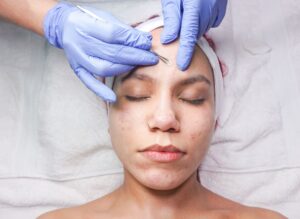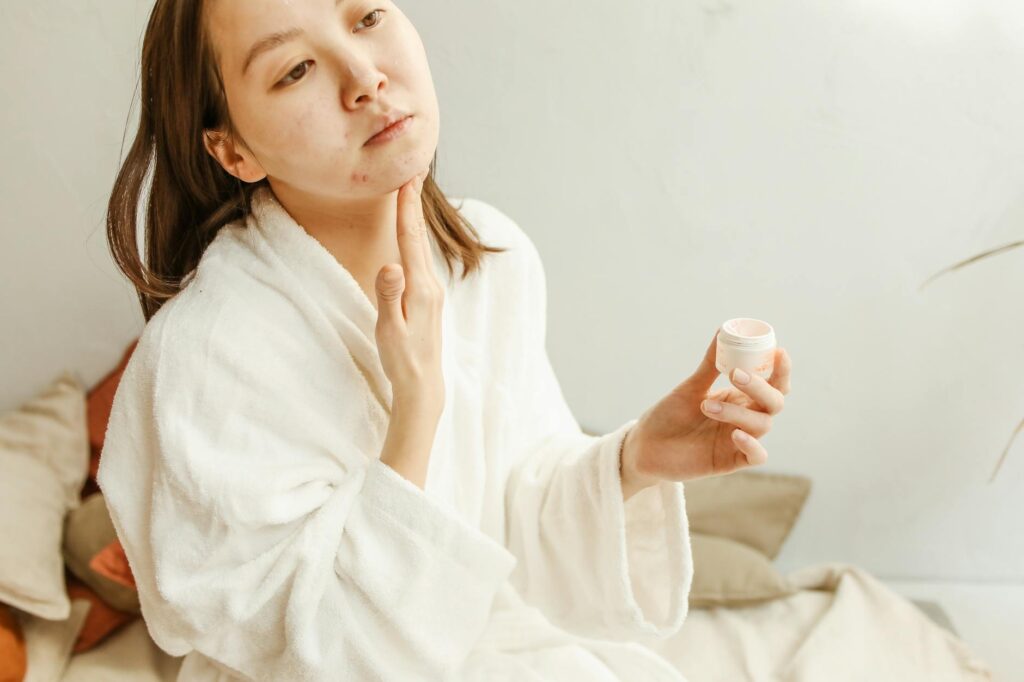
Acne treatment demand is rising significantly across all age groups, driven by a combination of factors including earlier onset of acne in adolescence, persistent skin conditions into adulthood, and greater awareness of treatment options. The global acne treatment market was valued at USD 11.62 billion in 2024 and is projected to reach USD 17.48 billion by 2032, growing at a compound annual rate of 5.3%.
This expansion reflects more than just market growth—it signals a fundamental shift in who experiences acne and when they seek treatment for it. A woman in her mid-thirties dealing with hormonal breakouts, a teenager managing severe inflammatory acne, and an adult man concerned about persistent cystic lesions all represent segments of this growing demand. This article explores why acne treatment is becoming a priority across wider age ranges, how demographics are changing, what treatment options are gaining traction, and what this means for anyone seeking effective solutions.
Table of Contents
- Why Is Acne Treatment Demand Rising Across All Age Groups?
- The Shifting Demographics of Acne Beyond Teenagers
- How Adult Acne Is Changing Treatment Markets
- What Treatment Options Are Driving Market Growth
- The Rise of Accessible Treatment Through Retail and Online Channels
- Understanding the Impact on Different Age Demographics
- The Future of Acne Treatment as Demand Continues to Climb
- Conclusion
- Frequently Asked Questions
Why Is Acne Treatment Demand Rising Across All Age Groups?
The rising demand for acne treatment stems from increased prevalence globally and greater accessibility to both professional and over-the-counter solutions. Approximately 20.5% of the global population aged 16 and older experiences acne, with the highest concentration among those aged 16-24, where 28.3% report active breakouts. In the United States alone, over 4.4 million new cases of acne were recorded in 2021, representing a 14.3% increase since 2010. With 8.6 million prevalent cases in the U.S., the growth indicates that acne is becoming more common, not just more discussed.
Contributing factors include earlier onset of puberty in children, hormonal fluctuations in adult women, environmental stressors, and dietary changes that have expanded the at-risk population beyond the typical teenage years. Furthermore, awareness and destigmatization of acne as a medical concern—rather than a cosmetic issue—has driven more people to seek treatment. Social media and digital communities have made it easier for individuals to discuss their experiences and find solutions, creating visibility around treatments that were previously less known. E-commerce platforms now make prescription and over-the-counter treatments readily available, eliminating the barrier of needing an in-person dermatology appointment for basic solutions. This shift means that someone with mild-to-moderate acne can now access topical treatments with proven efficacy directly from home, whereas a decade ago they might have delayed seeking care.
The Shifting Demographics of Acne Beyond Teenagers
Traditionally, acne was viewed as a teenage problem that resolved by the mid-twenties. However, the average age of acne patients has shifted from 20.5 years to 26.5 years over the past decade, indicating that acne is increasingly a prolonged condition affecting young adults well into their professional lives. Adult women are particularly affected, with approximately 50% experiencing acne in their twenties, 33% in their thirties, and 25% in their forties. This pattern reflects hormonal cycles, reproductive changes, and other physiological factors that don’t resolve once puberty ends.
In 2021, acne was found to be 25% more common in young women than young men, suggesting that gender-specific hormonal factors play a significant role in the persistence of the condition. The 18-44 age group now accounts for 53.8% of the acne treatment market, making it the dominant segment and confirming that acne is no longer a teenager-specific problem. Additionally, rising cases are being reported among children aged 11-13, driven by early puberty onset, hormonal changes, and environmental factors. This means that acne sufferers today include pre-teens dealing with their first breakouts, adults managing hormonal acne alongside work and family responsibilities, and even some individuals in their forties addressing late-onset acne. However, it’s important to note that acne severity and underlying causes vary significantly across age groups, meaning treatment approaches that work for a 15-year-old may not be appropriate for a 35-year-old dealing with hormonal acne, even though both age groups are experiencing increased prevalence.
How Adult Acne Is Changing Treatment Markets
Adult acne presents different challenges than adolescent acne, and this distinction is reshaping how the acne treatment industry develops and markets products. Teenage acne is typically driven by sebaceous gland activity and bacterial growth, while adult acne—especially in women—often relates to hormonal cycles, stress, and skin sensitivity. Treatment preferences differ accordingly: adults are more likely to prioritize skincare products that don’t disrupt their skin barrier, while teenagers might benefit from stronger antimicrobial and sebum-controlling approaches. For example, a 30-year-old woman with cyclical acne around her menstrual cycle might benefit from hormonal therapies or targeted topical treatments that address inflammation, whereas a 16-year-old with widespread acne might respond better to retinoids or benzoyl peroxide-based treatments that directly target bacterial overgrowth.
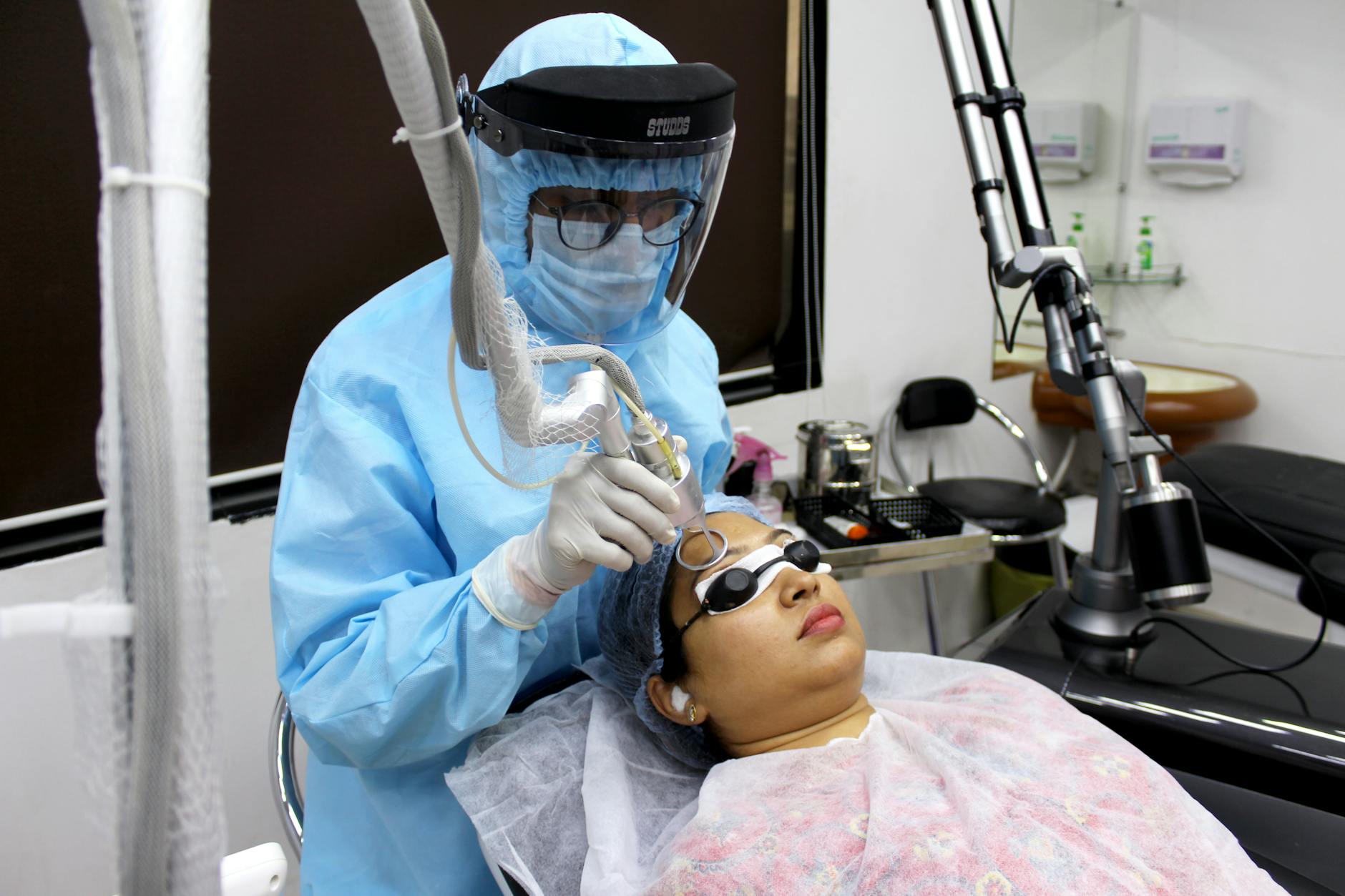
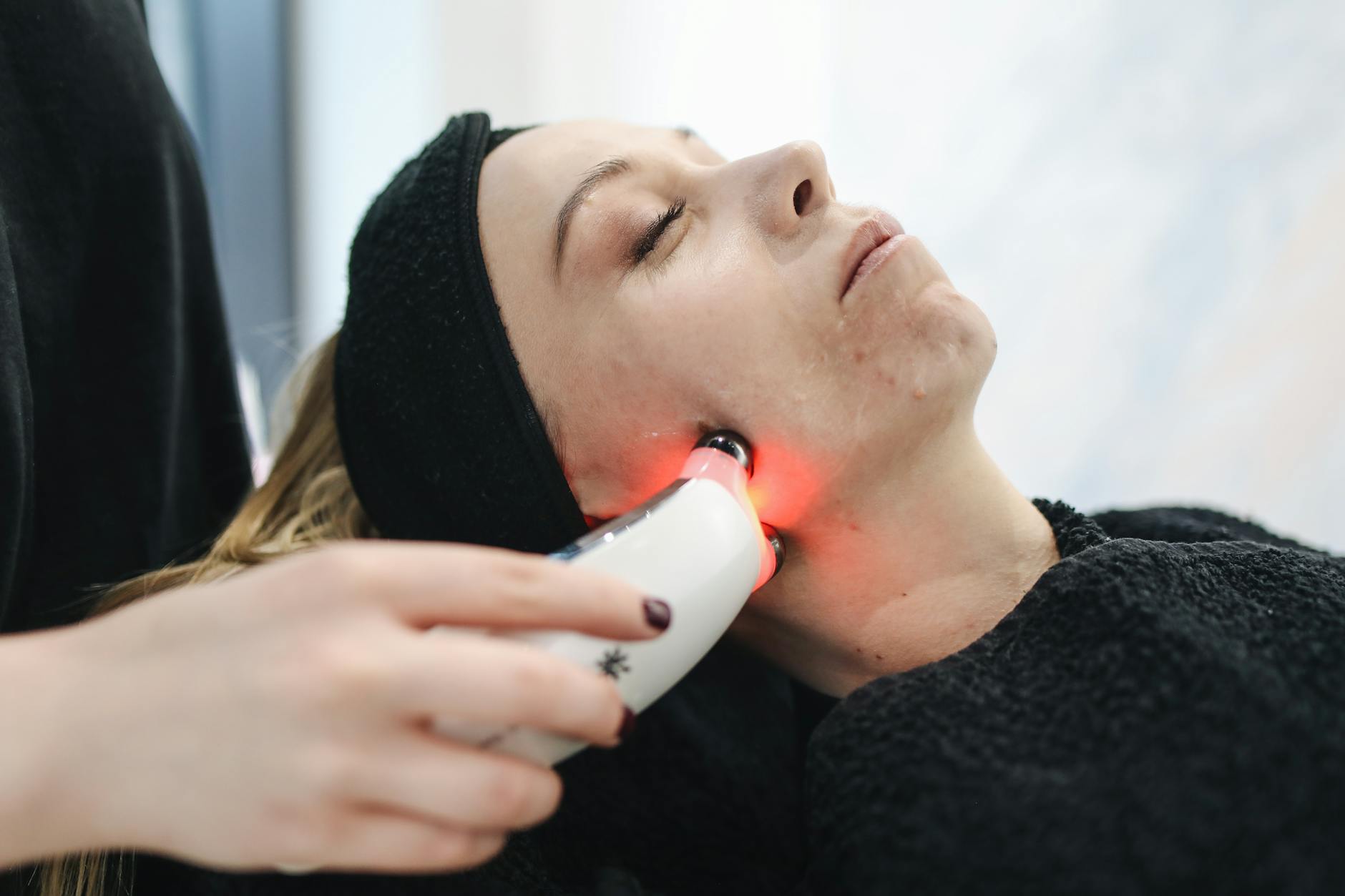
The growing adult acne segment has also driven demand for professional treatments beyond topical applications. Dermatologists increasingly recommend combination approaches for adults—pairing topical retinoids with gentle cleansers, adding oral medications when appropriate, and sometimes combining treatments with procedures like chemical peels or laser therapy. However, treatment complexity increases with age because adults often have concurrent skin concerns like sensitivity, rosacea, or dryness that can complicate acne management. A product that aggressively treats acne in an adult with compromised skin barrier may cause irritation and worsen overall skin health, which is why professional guidance becomes more valuable as acne persistence extends into adulthood.
What Treatment Options Are Driving Market Growth
Topical treatments dominate the acne treatment market with 73.3% of market share, remaining the first-line approach for most cases. Within the topical segment, retinoids have captured 29.1% of the market due to their proven efficacy in preventing acne formation, improving skin texture, and treating active lesions. Retinoids—including over-the-counter retinol, prescription adapalene, and stronger options like tretinoin—work by normalizing skin cell turnover and reducing sebum accumulation, making them effective across age groups from teenagers to adults. Many individuals start with lower-concentration retinols available without prescription, then progress to stronger formulations under dermatological guidance if needed.
Other topical treatments gaining traction include benzoyl peroxide, which targets acne-causing bacteria and has been used for decades, and niacinamide, which has gained popularity for its dual benefits of reducing sebum production while also calming inflammation. Oral medications, including antibiotics and hormonal contraceptives for women, represent another significant treatment avenue. For severe cases, particularly in adults with deep cystic acne, systemic retinoid treatment (isotretinoin) remains a powerful option, though it requires careful monitoring. The diversity of treatment options means that individuals with different acne types, severity levels, and skin sensitivities can find approaches tailored to their needs—but it also means that finding the right combination may require some trial and error, particularly when treating adult acne that doesn’t respond to standard teenage acne remedies.
The Rise of Accessible Treatment Through Retail and Online Channels
Retail and online pharmacies have captured 67.4% of the acne treatment market, fundamentally changing how people access care. This shift reflects the reality that the majority of acne cases are mild-to-moderate and don’t necessarily require a dermatology visit for diagnosis. Someone with persistent minor breakouts can now purchase effective topical treatments from a pharmacy, drugstore, or online retailer within minutes, removing the friction of scheduling appointments and waiting for prescriptions. E-commerce expansion has made specialty products—including dermatologist-recommended brands and imported treatments—accessible globally, whereas a decade ago these were available primarily through medical offices.
However, the accessibility of over-the-counter treatments also creates risks. Self-diagnosis can lead to ineffective or inappropriate treatment choices; for instance, someone with hormonal acne might spend months using antibacterial products when their skin would respond better to hormonal contraceptives or retinoids. Additionally, direct-to-consumer skincare companies often make exaggerated claims about acne treatment efficacy, and the abundance of options can lead to over-treatment or skin barrier damage from combining multiple active ingredients. For serious or persistent acne—particularly in adults—professional evaluation remains important even when over-the-counter options are readily available, as dermatologists can identify underlying hormonal, dietary, or environmental contributors that topical treatment alone won’t address.
Understanding the Impact on Different Age Demographics
The acne treatment market’s expansion across age groups reveals distinct needs within each demographic. Pre-teens and early teenagers (ages 11-15) represent the fastest-growing segment, experiencing acne earlier due to pubertal changes and environmental factors. This group typically benefits from gentle, straightforward treatments and education about skincare basics. Late adolescents and young adults (ages 16-24), who experience the highest acne prevalence at 28.3% of that age group, often seek more potent treatments and are more responsive to prescription options, retinoids, and professional procedures.
Adults in their twenties through forties represent the largest market segment (53.8% of total treatment market), and their needs diverge significantly based on acne type. Women in this group frequently deal with hormonal acne that fluctuates with menstrual cycles, making combination approaches more effective than single-product solutions. For example, a woman managing cyclical acne might benefit from a consistent retinoid routine paired with hormonal management, whereas a man of the same age with persistent bacterial acne might respond better to a clearer, antimicrobial-focused regimen. Understanding which age group you fall into and what drives acne in that group helps guide treatment selection.
The Future of Acne Treatment as Demand Continues to Climb
As the acne treatment market continues growing toward USD 17.48 billion by 2032, innovation will likely focus on personalized approaches that account for age, hormonal status, genetics, and lifestyle factors. The current dominance of topical treatments (73.3% market share) and retinoids specifically (29.1% share) will probably continue, but the market is expanding in areas like combination therapies, professional treatments, and oral medications that address root causes rather than just symptoms.
For consumers, this expansion means more options but also more responsibility to make informed choices. The shift toward treating acne across all age groups—from pre-teens to middle-aged adults—signals that dermatology is moving away from viewing acne as a temporary teenage condition and toward recognizing it as a persistent health concern requiring long-term management strategies. Whether you’re dealing with early-onset acne as a child, navigating hormonal acne as an adult, or managing late-onset breakouts, the expanding treatment landscape offers more solutions than ever before, though professional guidance remains valuable for identifying which approach will work best for your specific situation.
Conclusion
Acne treatment demand is rising across all age groups due to increased prevalence, earlier onset, prolonged duration into adulthood, and greater accessibility to treatment options. With 20.5% of the global population aged 16 and older experiencing acne, and the average age of acne patients shifting upward to 26.5 years, the condition is affecting a much broader demographic than the traditional teenage acne model. The market’s expansion from USD 11.62 billion in 2024 to a projected USD 17.48 billion by 2032 reflects this reality, with adults and pre-teens becoming major segments of the treatment-seeking population.
If you’re experiencing acne at any age, the growing variety of treatments—particularly the 73.3% of the market dominated by topical options like retinoids and benzoyl peroxide—means you have effective solutions available. However, finding the right approach requires understanding your acne type, age-specific risk factors, and underlying causes. For persistent or severe acne, especially in adults, professional evaluation from a dermatologist helps distinguish between simple skincare needs and conditions requiring hormonal management, prescription treatment, or combination approaches.
Frequently Asked Questions
Why is acne becoming more common in adults?
Adult acne is driven by hormonal fluctuations (especially in women), stress, dietary factors, and environmental changes. Additionally, the average age of acne onset has shifted from 20.5 to 26.5 years over the past decade, meaning more people experience acne extending well into their professional lives rather than resolving after puberty.
Are teenagers still the largest acne-treatment market?
No. The 18-44 age group now holds 53.8% of the acne treatment market, making it the dominant segment. This reflects both increased prevalence of adult acne and the growing recognition that acne is not exclusively a teenage condition.
What’s the most popular acne treatment?
Topical treatments account for 73.3% of the acne treatment market. Within topicals, retinoids (including retinol, adapalene, and tretinoin) hold 29.1% market share due to their proven efficacy across age groups and their ability to address both active acne and long-term skin health.
Can I treat acne without seeing a dermatologist?
For mild-to-moderate acne, over-the-counter treatments are often effective, and retail/online pharmacies now account for 67.4% of the market. However, persistent acne in adults—especially if related to hormonal factors or unresponsive to standard treatments—benefits from professional evaluation to identify underlying causes and appropriate treatment combinations.
Why does acne in adults differ from teenage acne?
Teenage acne is primarily driven by sebaceous gland activity and bacterial growth, while adult acne often involves hormonal cycles, stress, and skin sensitivity. This difference means that treatments effective for teenagers may not address the root causes of adult acne, particularly in women dealing with cyclical breakouts.
Are children developing acne earlier?
Yes. Rising cases of acne are reported among children aged 11-13, driven by early puberty onset, hormonal changes, and environmental factors. This trend contributes to the overall expansion of the acne treatment market across younger age groups.