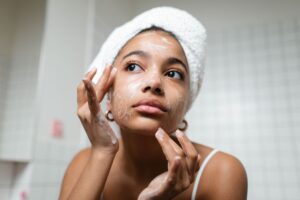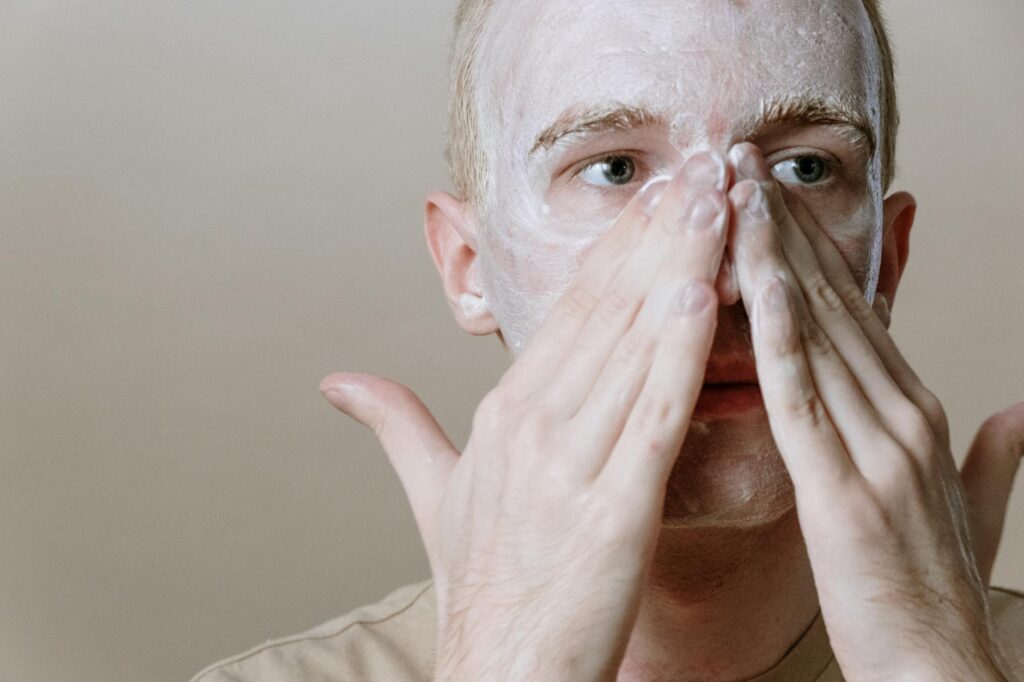
New acne products are launching in 2026 because adult acne has become more prevalent and complex, with breakouts increasingly triggered by stress, hormonal changes, pollution, and increased screen time. The acne treatment market reached $1.7 billion in mass market sales in 2025—up 5% year-over-year—and Google searches for “acne treatment” grew 19% to 424,000 average monthly searches, signaling that dermatologists and brands need better solutions for millions of adults struggling with this condition. From Alix Earle’s Reale Actives launching March 31 to Neutrogena’s Evenly Clear collection and Dermata Therapeutics’ XYNGARI™ kit planned for later this year, companies are finally addressing the real-life skin challenges that extend far beyond teenage breakouts. This article explores what’s driving these new product launches, the clinical evidence behind them, and what you should know before choosing an acne treatment in 2026.
Table of Contents
- Why Real-Life Skin Challenges Are Driving New Acne Product Innovation
- Clinical Evidence Supporting New Acne Innovations
- 2026’s Leading Acne Product Launches and What They Offer
- Active Ingredients in New Acne Treatments: What Dermatologists Recommend
- Why Not All Acne Products Work for Everyone: Understanding Individual Response
- Treatment Trends in 2026: Personalization and Barrier Support
- The Future of Acne Treatment: What’s Coming Beyond 2026
- Conclusion
Why Real-Life Skin Challenges Are Driving New Acne Product Innovation
Adult acne remains the top skin concern for people under 40, with men and women in their 20s, 30s, and 40s experiencing unexpected breakouts that weren’t part of their teenage years. The triggers are often different from adolescent acne: hormonal fluctuations, chronic stress, air pollution, blue light exposure from constant screen time, and lifestyle factors like poor sleep or inadequate skincare routines. For many adults, a breakout feels like a setback rather than a normal part of skin health, which is why there’s growing demand for treatments specifically formulated for mature skin.
The innovation isn’t just about creating stronger formulas—it’s about understanding that adult acne has different causes and requires different solutions. A 25-year-old dealing with stress-induced breakouts has different needs than a teenager with oily skin producing excess sebum. Brands launching in 2026 are recognizing this distinction, developing targeted products that address these adult-specific triggers while minimizing the irritation that can come from aggressive acne treatments.

Clinical Evidence Supporting New Acne Innovations
Recent clinical trials provide strong evidence for newer acne treatments entering the market. Trifarotene combined with doxycycline showed a 31.7% success rate versus 15.8% in control groups, with approximately 70% total lesion reduction in study participants. DMT 310, derived from freshwater sponges, demonstrated antimicrobial and anti-inflammatory properties and met primary endpoints in Phase 3 trials for moderate-to-severe acne, offering a natural alternative to traditional synthetic ingredients.
However, clinical efficacy doesn’t automatically translate to the right choice for your skin. A treatment that works brilliantly in a 12-week clinical trial might cause excessive dryness or irritation in real-world use, especially if your skin is sensitive or if you’re using other active ingredients simultaneously. Additionally, these clinical results represent averages across study populations—individual responses can vary significantly based on genetics, skin type, and underlying causes of acne. The key is matching the right clinical backing to your specific skin needs rather than assuming the most effective treatment in trials will be the most effective for you.
2026’s Leading Acne Product Launches and What They Offer
Alix Earle’s Reale Actives line, launching March 31, 2026, includes four products priced between $28–$39: a cleansing balm, exfoliating cleanser, mandelic acid serum, and moisturizer. Mandelic acid is a gentler alpha-hydroxy acid (AHA) compared to glycolic acid, making it appealing for sensitive or acne-prone skin that can’t tolerate harsher exfoliants. Neutrogena’s Evenly Clear six-piece collection targets adult acne specifically, while South Korean brand Mediheal’s PDRN (polydeoxyribonucleotide) collection—expanding into the US via Ulta—brings a focus on skin barrier repair alongside acne treatment, recognizing that many acne treatments damage the skin’s protective function.
Dermata Therapeutics’ XYNGARI™ kit, planned for release in the second half of 2026 following Phase 3 trial success, represents another approach: combining multiple ingredients in a coordinated system rather than selling single-use actives. This bundled approach has trade-offs—it can be more effective when ingredients work synergistically, but it offers less flexibility if one component causes irritation and you need to adjust your routine. The diversity of 2026 launches means there are options for different budgets, skin types, and treatment philosophies.
Active Ingredients in New Acne Treatments: What Dermatologists Recommend
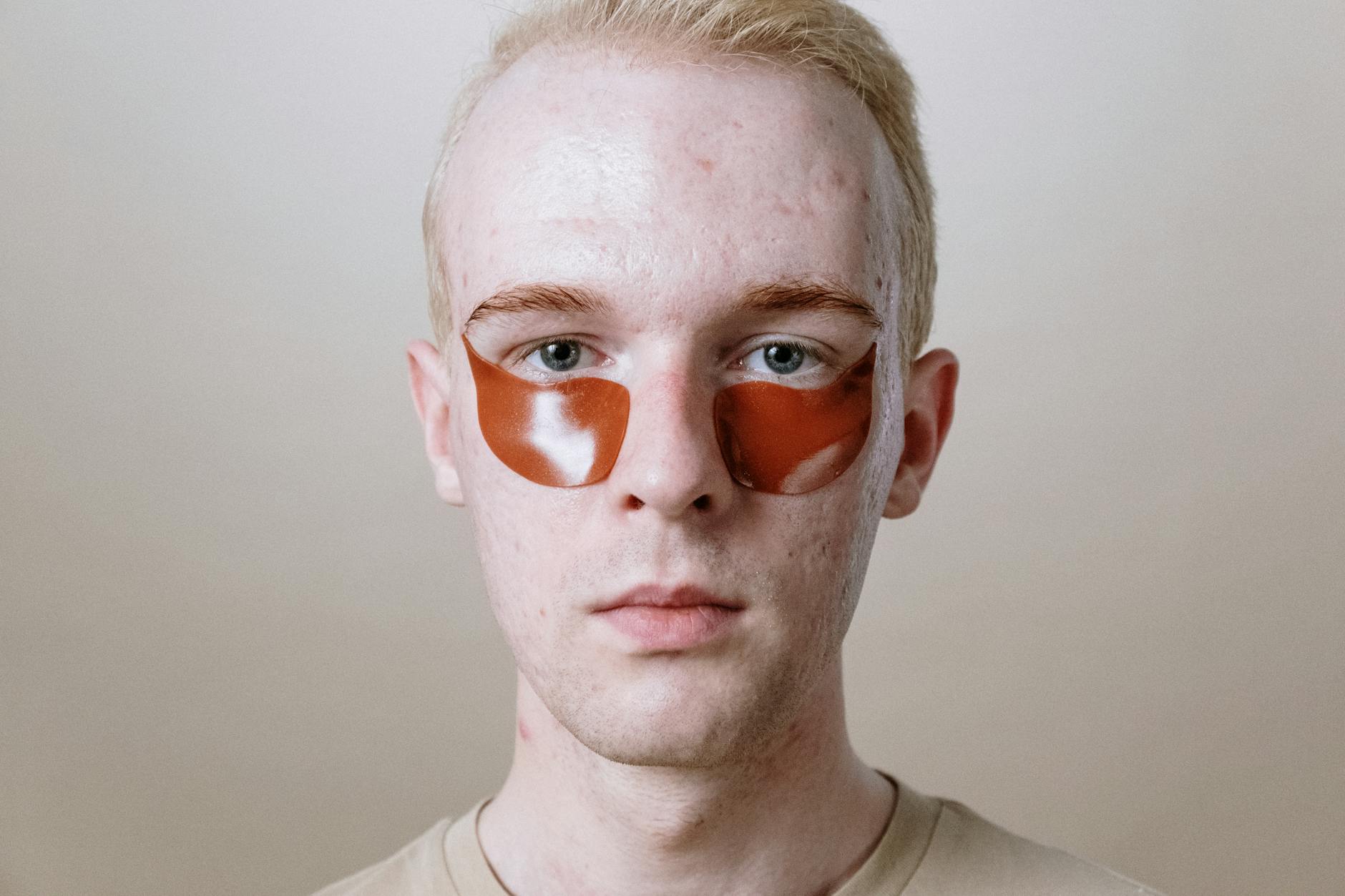
Salicylic acid, benzoyl peroxide, sulfur, and topical retinoids like adapalene remain the gold-standard acne-fighting ingredients according to Mayo Clinic guidelines, and most 2026 launches incorporate at least one of these proven actives. Salicylic acid exfoliates inside pores to prevent clogging; benzoyl peroxide kills acne-causing bacteria; sulfur reduces inflammation; and retinoids like adapalene increase cell turnover and normalize sebum production. The choice between them depends on your acne type and skin sensitivity.
A comparison: benzoyl peroxide is highly effective against bacterial acne but can cause significant dryness and irritation, making it better for oily skin with inflammatory breakouts. Salicylic acid is gentler and works well for clogged pores and blackheads. Retinoids are slower to work but address both acne and aging, though they require careful introduction to avoid excessive peeling and irritation. Newer products like mandelic acid (in Reale Actives) and PDRN (in Mediheal) offer alternatives that may suit sensitive skin types or those who haven’t tolerated traditional actives well.
Why Not All Acne Products Work for Everyone: Understanding Individual Response
The acne treatment market’s growth reflects not just increasing demand but also the reality that no single product works universally. Your skin’s response to acne treatment depends on your acne type (inflammatory vs. comedonal), underlying causes (hormonal, bacterial, or sebum-related), skin barrier health, and sensitivity to specific ingredients. Someone with hormonal acne might respond well to spironolactone or birth control medications, rendering topical treatments less effective.
Someone with stress-induced acne might need treatment addressing cortisol levels rather than just clearing existing breakouts. A critical warning: introducing too many new acne products at once can overwhelm your skin barrier and actually worsen breakouts through irritation. Many people try a new cleanser, exfoliant, acne serum, and moisturizer simultaneously, then blame acne products for making their skin worse when the real issue is over-treatment. Start with one new active ingredient, give it 6–8 weeks to work, and only add additional treatments if that single ingredient isn’t delivering results. This measured approach is especially important with 2026’s expanding product launches—more options don’t mean more is better for your individual skin.
Treatment Trends in 2026: Personalization and Barrier Support
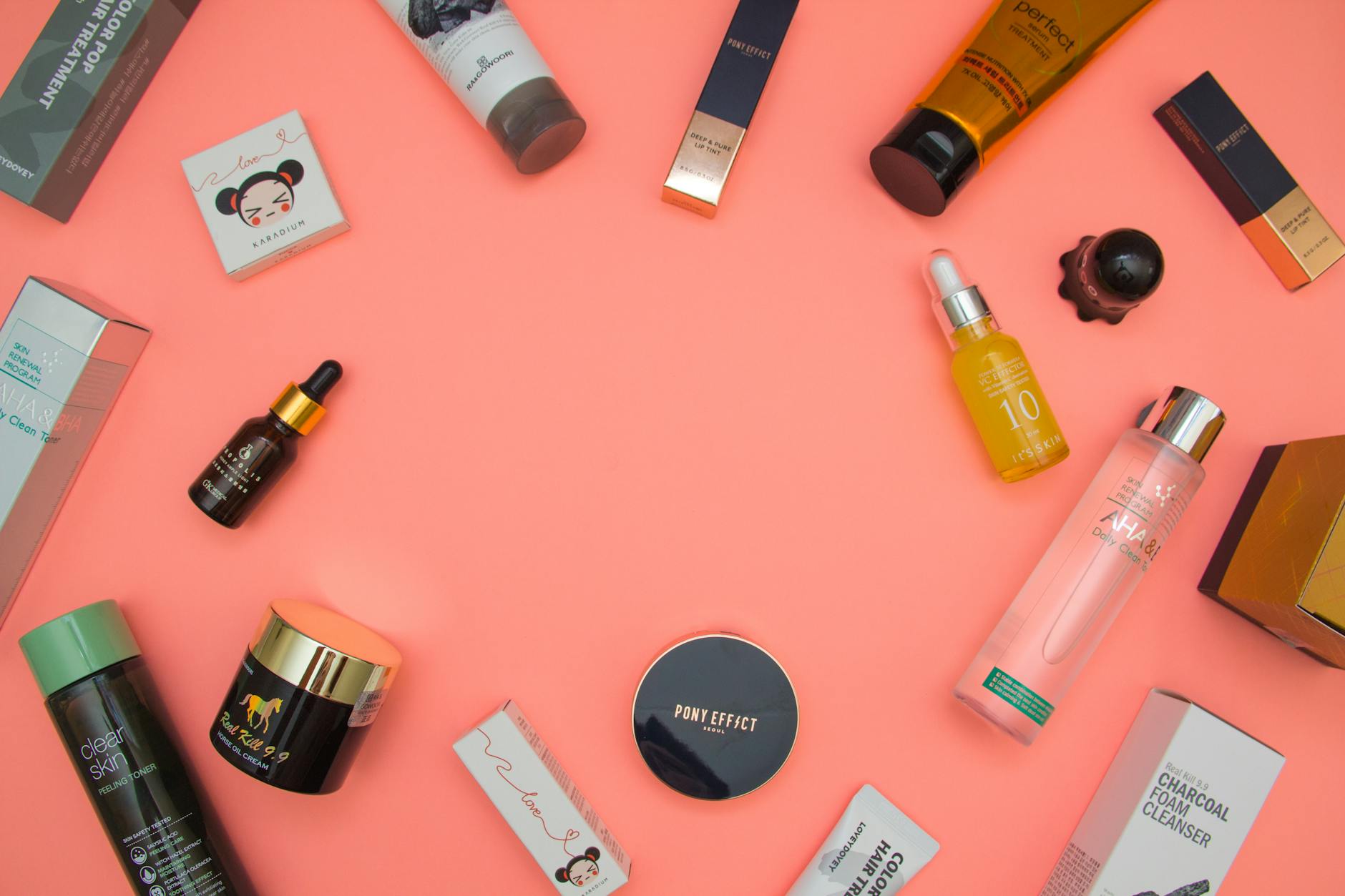
The emerging trend in acne treatment is moving away from “strip and destroy” approaches toward AI-personalized skincare systems that identify your specific acne triggers and recommend targeted treatments. Brands are also emphasizing postbiotic therapies and microbiome-supportive ingredients that maintain skin health alongside fighting acne, recognizing that many acne treatments damage the skin’s protective bacteria and natural oils, leading to rebound breakouts or sensitivity.
Retinol systems with reduced irritation—often called stabilized or encapsulated retinol—are gaining traction because they deliver acne-fighting benefits with less peeling and redness. These trends reflect a maturation in the acne treatment market: rather than focusing solely on killing bacteria or exfoliating aggressively, newer products aim to address acne while supporting long-term skin health. This shift explains why many 2026 launches include moisturizers and barrier-repair ingredients alongside active acne treatments.
The Future of Acne Treatment: What’s Coming Beyond 2026
The global acne treatment market was valued at $11.62 billion in 2024 and is projected to reach $17.48 billion by 2032, a compound annual growth rate of 5.3%, indicating sustained investment in innovation. Pipelines show continued development of new active ingredients derived from natural sources (like DMT 310 from freshwater sponges) and novel delivery systems that maximize efficacy while minimizing irritation and side effects.
The next frontier appears to be combination therapies and personalized treatment plans rather than one-size-fits-all products. As brands and dermatologists gain more data on which ingredient combinations work best for specific acne types, we’ll likely see less emphasis on single-product solutions and more on integrated treatment systems—much like Dermata’s XYNGARI™ approach. This suggests that acne care in coming years will become increasingly tailored to individual skin, lifestyle, and hormonal factors rather than categorized broadly as “acne products for oily skin.”.
Conclusion
The wave of acne product launches in 2026 reflects both a genuine market need and improved clinical understanding of how adult acne differs from teenage breakouts. Real-life skin challenges—from stress and hormonal changes to pollution and screen time exposure—are driving demand for more sophisticated treatments, and brands are responding with products backed by clinical evidence and designed for adult skin specifically.
If you’re considering a new acne treatment, start by identifying your acne type and triggers, introduce one new active ingredient at a time, and give products at least 6–8 weeks to work before declaring them ineffective. The abundance of 2026 launches means options exist for different skin types and budgets, but more products doesn’t equal better results—the right match for your individual skin does.