
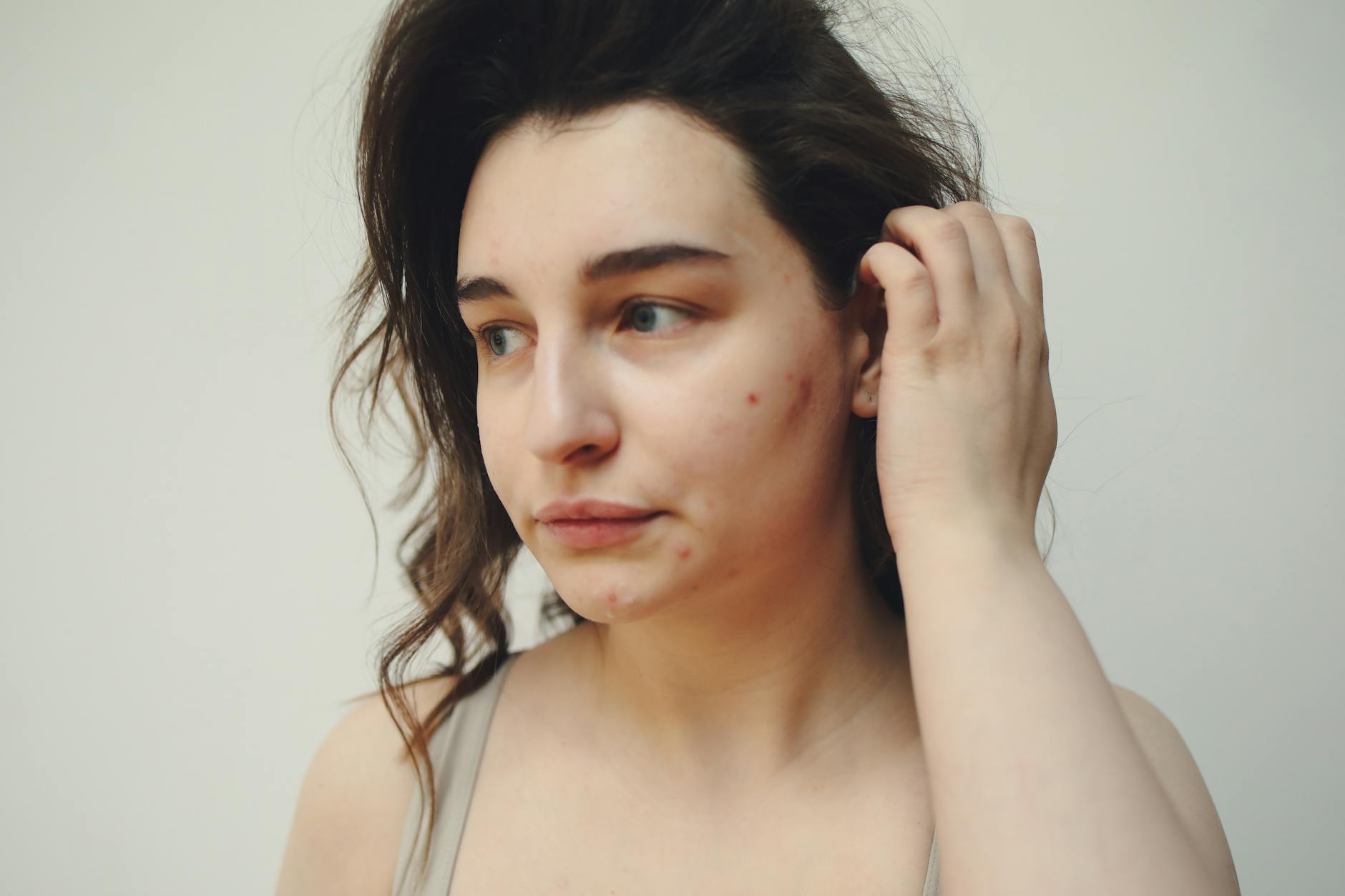
Yes, experts confirm that the acne positivity movement is fundamentally reshaping how society defines beauty and skin worth. For decades, flawless skin served as a non-negotiable standard in advertising, entertainment, and social media—but that narrative is shifting. Dermatologists, psychologists, and beauty industry observers now point to a growing cultural movement that rejects the idea that acne is a cosmetic failure requiring shame or concealment.
This movement isn’t just about feeling better; it’s creating measurable changes in how brands market products, how media portrays skin, and how individuals relate to their own blemishes. The acne positivity movement challenges the premise that clear skin equals worth, confidence, or beauty. Instead, it normalizes acne as a common biological occurrence that millions experience—and that doesn’t diminish attractiveness or capability. The article that follows explores how experts see this shift playing out, what’s driving the movement, where the beauty and fashion industries are adapting, and what real barriers still exist.
Table of Contents
- How Is the Acne Positivity Movement Challenging Traditional Beauty Ideals?
- The Science Behind Acceptance and Mental Health Benefits
- Social Media’s Role in Shifting Perceptions of Acne
- Practical Changes in Beauty and Fashion Industries
- Challenges and Backlash Against Acne Positivity
- Celebrity Influence and Representation
- The Future of Beauty Standards in an Age of Acceptance
- Conclusion
- Frequently Asked Questions
How Is the Acne Positivity Movement Challenging Traditional Beauty Ideals?
The acne positivity movement directly contradicts decades of messaging that positioned acne as a problem requiring elimination, not acceptance. Historically, beauty standards demanded unblemished skin as proof of self-care, health, and worthiness. Dermatologist Dr. Heather Rogers notes that this pressure created shame cycles: people hid acne, avoided treatment conversations, and delayed seeking professional help due to embarrassment. The positivity movement flips this by asserting that skin with acne is still beautiful, still valuable, and doesn’t warrant hiding. Real examples of this shift appeared when major beauty brands began featuring models with visible acne in campaigns.
In 2020, Dove and other mainstream brands included people with acne in advertisements—a stark contrast to the airbrushed, filtered images that dominated prior decades. Fashion magazines like Vogue have published editorial features celebrating skin with blemishes, framing imperfection as authentic rather than defective. These aren’t fringe moves; they reflect recognition that audiences—especially younger consumers—are rejecting filtered, unrealistic standards. The movement also challenges the medical framing of acne as inherently requiring treatment. While acne can cause discomfort or scarring that warrants dermatological care, the positivity perspective separates medical treatment from cosmetic shame. Someone might choose to treat acne for health reasons (like preventing scarring) without internalizing the idea that acne-prone skin is inferior.
The Science Behind Acceptance and Mental Health Benefits
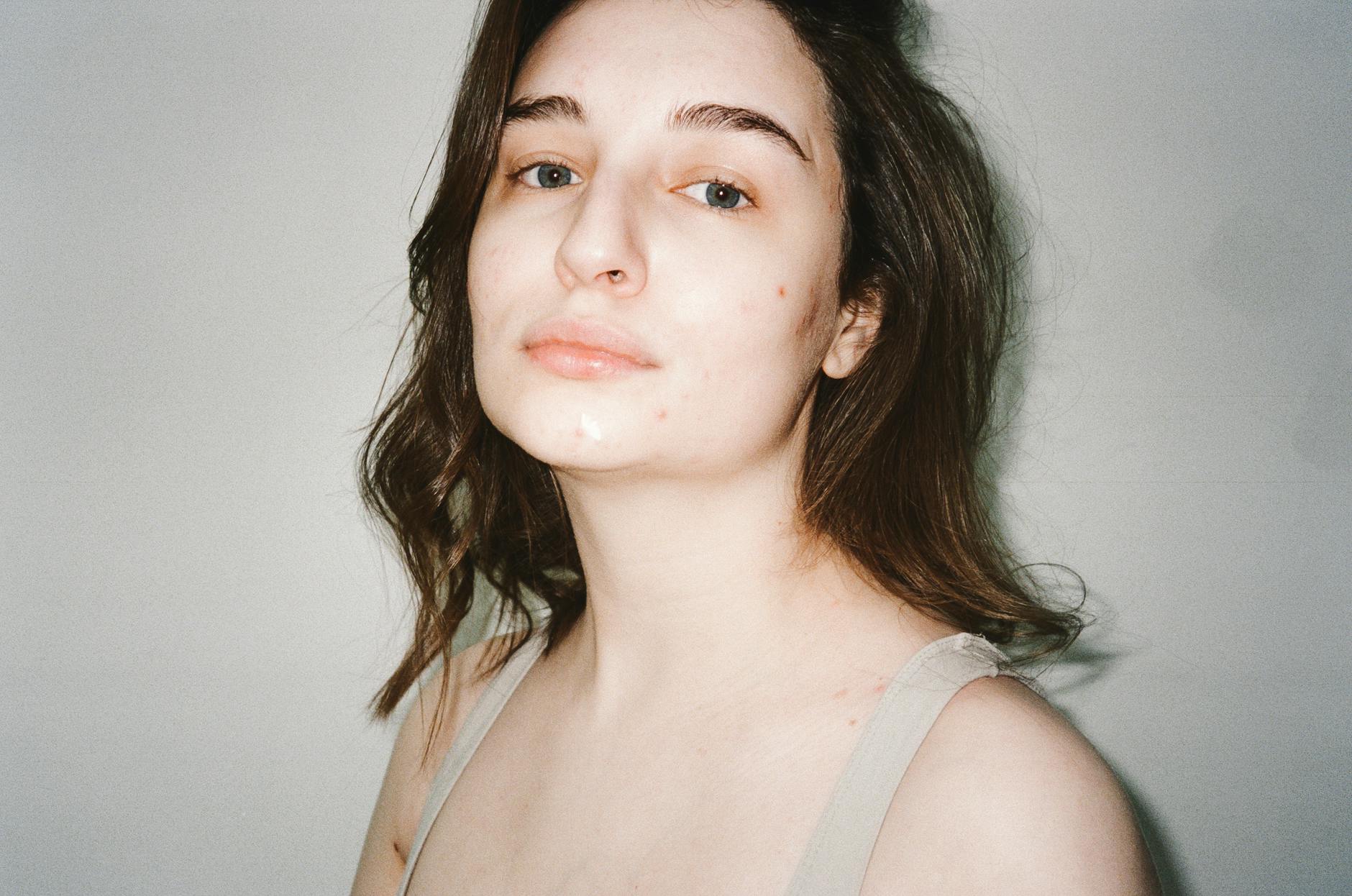
Research shows that acne-related shame drives significant mental health consequences—anxiety, depression, social withdrawal, and avoidance of social situations. A 2023 study in the Journal of Dermatological Science found that people who felt shame about their acne had higher rates of depression than those who viewed acne as a normal condition, even when acne severity was comparable. This finding underscores why the positivity movement matters beyond aesthetics: normalizing acne reduces the psychological burden of carrying it. However, there’s an important limitation to consider: acceptance alone doesn’t prevent acne complications. Untreated acne can lead to permanent scarring, especially in severe cases like cystic acne. The acne positivity movement doesn’t argue that acne requires shame, but experts emphasize that it can warrant medical attention for functional or preventative reasons—separate from cosmetic concerns.
This distinction matters. Someone can accept their acne appearance while still choosing to treat it to prevent scarring or manage discomfort. The positivity comes from removing the shame, not from avoiding care when appropriate. Mental health benefits extend beyond reduced anxiety. Studies indicate that when individuals stop internalizing acne as a personal failure, they’re more likely to seek professional dermatological help (because there’s no shame attached), follow treatment plans consistently, and build more resilient self-images. In other words, acne positivity can paradoxically improve dermatological outcomes by decoupling treatment from shame.
Social Media’s Role in Shifting Perceptions of Acne
social media created both the problem and the solution. Filtered apps and curated Instagram feeds intensified impossible beauty standards, driving acne-related anxiety upward. But the same platforms enabled the acne positivity movement through hashtags, user-generated content, and influencers who posted unfiltered photos. Hashtags like #AcceptYourAcne and #SkinPositive now have millions of posts—many from regular people, not brands—normalizing visible acne as part of everyday life. A specific example: TikTok influencers with visible acne gained followings in the millions by posting without filters or heavy makeup, directly opposing the platform’s aesthetic history.
When creators with acne receive engagement and positive comments, it signals to viewers that acne doesn’t prevent connection, attractiveness, or success. This peer-to-peer validation carries more weight than corporate messaging because it comes from people who look like the audience, not airbrushed models. The downside: social media companies still profit from insecurity. Many platforms algorithmically promote filtered, edited content while demonetizing or deprioritizing unfiltered posts. Instagram’s engagement metrics continue to favor polished, perfect-looking content, creating a system where acne positivity thrives in comment sections but loses visibility in feeds. This means that while the movement is growing, the structural incentives of the platforms haven’t fully shifted.

Practical Changes in Beauty and Fashion Industries
The beauty industry is responding to acne positivity in concrete ways. Skincare brands increasingly position products around skin health and function rather than covering blemishes. Companies like Ordinary and Cerave market products based on ingredient efficacy and skin-barrier support, not on shame-driven promises of “perfect skin.” Fashion brands now hire models with visible skin conditions, and some makeup brands create inclusive shade ranges and textures designed for acne-prone skin rather than pretending acne doesn’t exist. A comparison: ten years ago, acne-focused marketing relied on shame (“Get the clear skin you deserve” implying current skin was inadequate). Modern messaging centers on choice: “If you want to treat acne, here’s how” rather than “You should hide this.” This language shift reflects the movement’s influence.
Brands like Proactiv have competitors now like Curology that emphasize dermatologist-guided treatment without the hyperbolic messaging about transformation. However, challenges remain. Premium beauty brands still use heavily filtered imagery in some advertising. The luxury skincare market often still markets “flawless” appearance as the goal. So while mainstream and mid-market brands have adapted, high-end segments haven’t fully embraced the positivity movement—partly because their positioning depends on suggesting that their products deliver the unattainable perfection that positivity rejects.
Challenges and Backlash Against Acne Positivity
Not all experts view acne positivity uncritically. Some dermatologists worry that the movement discourages treatment-seeking, particularly among adolescents who might benefit from early intervention. Dermatologists emphasize that while shame is counterproductive, professional treatment for moderate to severe acne has real benefits—including preventing permanent scarring. The concern is that messaging can be misinterpreted: “accept your acne” might be heard as “don’t treat your acne,” which isn’t the movement’s intent. A practical warning: if you have cystic or nodular acne (deep, painful lesions), waiting for social acceptance rather than seeking dermatological care can result in permanent scarring that later causes regret.
The acne positivity movement advocates for shame-free decision-making, not for avoiding treatment. Similarly, inflammatory acne that causes pain warrants evaluation—accepting appearance and managing comfort are different goals. Backlash also comes from people invested in the previous beauty economy. Some beauty and cosmetics companies built entire brands around the premise that acne is a problem to hide, and acne positivity threatens their market positioning. Additionally, in some communities and cultures, beauty standards remain highly traditional, and the positivity movement is perceived as Western, individualistic, or dismissive of cultural values. This creates genuine tension that isn’t resolved by simply affirming positivity.
Celebrity Influence and Representation
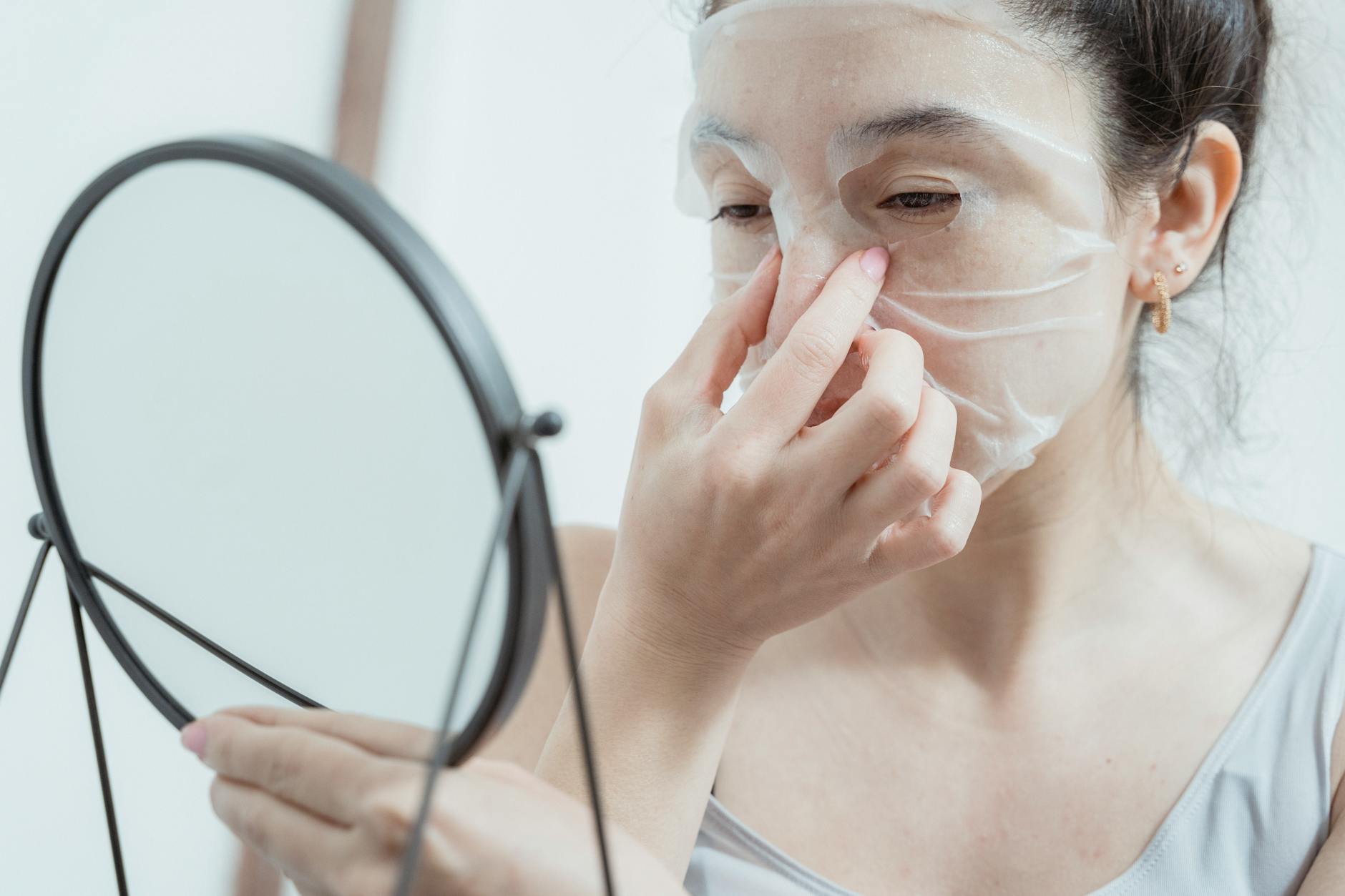
High-profile celebrities openly sharing acne-prone skin significantly accelerated the movement. Actors like Zendaya and Yara Shahidi posted unfiltered photos or appeared in public with visible acne, normalizing skin diversity at the highest visibility levels. When celebrities with enormous platforms model acne acceptance, it legitimizes the movement in ways that everyday social media users cannot alone. Their reach and cultural influence carry weight that matters.
A concrete example: actor Emma Stone attended a major premiere with visible acne and refused digital retouching in official photos. News coverage focused not on criticism of her skin but on praise for her authenticity. This single instance generated conversations about beauty standards across media platforms, showing how individual choices by high-visibility figures shape cultural narratives. Similar moments from athletes, musicians, and actors created cumulative cultural permission to show skin that doesn’t match previous filtered standards.
The Future of Beauty Standards in an Age of Acceptance
Experts predict the acne positivity movement will continue reshaping beauty standards, but not uniformly. Younger generations (Gen Z and Gen Alpha) are growing up with more acne-positive messaging embedded in media, suggesting they may internalize less shame than millennial and older generations. However, filtered technology is evolving faster than cultural attitudes—new filtering and AI-based skin editing tools continue advancing, which could counteract positivity gains.
The most optimistic forecast from sociologists and marketing experts is a dual system: acceptance of skin diversity in aspirational imagery, with treatment available as choice rather than necessity. In this future, acne treatment coexists with acne positivity—people treat or don’t treat based on personal preference and health need, not shame. The movement’s lasting impact will depend on whether structural changes (media company algorithms, beauty industry incentives, educational messaging) align with cultural shifts toward acceptance.
Conclusion
The acne positivity movement represents a genuine shift in how experts and society view skin with acne. Rather than positioning blemishes as failures requiring concealment, the movement asserts that acne-prone skin is normal, valuable, and not a reflection of personal worth. This shift has real mental health benefits, including reduced anxiety and increased likelihood of seeking appropriate care—because treatment is decoupled from shame.
The practical takeaway: acne positivity doesn’t mean avoiding dermatological care if it benefits you. It means making treatment decisions based on health and comfort, not internalized shame. Experts recommend evaluating acne on its merits (severity, scarring risk, impact on daily life) rather than aesthetic judgment, and seeking professional guidance without embarrassment. The movement’s success ultimately depends on sustaining these distinctions while building a culture where skin diversity is genuinely normalized across media, beauty industries, and everyday conversations.
Frequently Asked Questions
Does acne positivity mean I shouldn’t treat my acne?
No. Acne positivity separates shame from treatment decisions. You can accept your appearance while choosing treatment for functional reasons—like preventing scarring or managing discomfort. The movement advocates removing shame, not avoiding care.
Can acne positivity prevent permanent scarring?
Acceptance can’t prevent scarring, but it can encourage timely professional care without shame, which reduces scarring risk. Early treatment guided by a dermatologist is the best prevention—shame just delays that conversation.
Is the acne positivity movement just for social media?
It started on social media but has moved into mainstream beauty, fashion, and dermatological fields. Major brands now feature models with acne, and dermatologists support normalizing skin diversity while treating acne when medically appropriate.
How do I know if I need dermatological treatment versus acceptance?
Consult a dermatologist, not social media. If acne causes pain, is widespread, shows signs of scarring, or significantly impacts your quality of life, professional evaluation is warranted. Acceptance is about mindset; medical needs are separate.
Will acne positivity affect how dermatologists treat patients?
Yes, positively. Experts report that reducing shame increases treatment compliance and earlier care-seeking, which improves outcomes. Dermatologists increasingly frame treatment as a choice for health, not a requirement for worth.
Is acne positivity culturally universal?
No. Beauty standards vary significantly across cultures and communities. Acne positivity reflects primarily Western, individualistic values. It’s spreading globally but encounters resistance in cultures with more traditional beauty standards.