
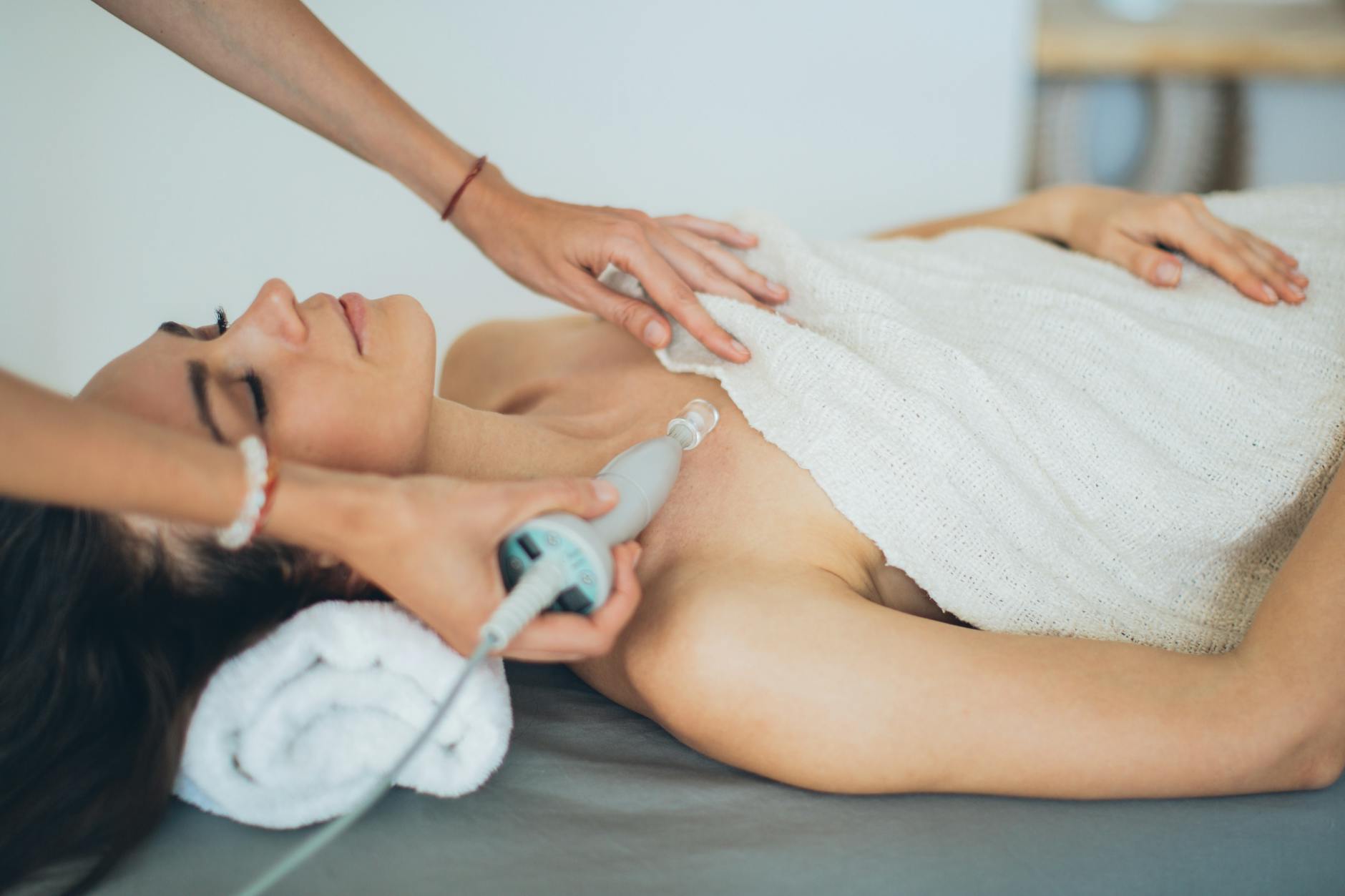
Laser therapy has emerged as one of the most promising treatments for deep cystic acne, offering dermatologists a way to target the inflammation and sebaceous activity that traditional topical treatments cannot reach. Rather than treating the skin surface, these lasers work beneath the epidermis to reduce the bacterial load, shrink oil-producing glands, and minimize the inflammatory response that creates those painful, deep nodules.
For someone with severe cystic acne—the kind that leaves permanent scarring and doesn’t respond to isotretinoin or antibiotics—laser therapy can provide meaningful improvement in both active lesions and the prevention of future breakouts. This article explores how breakthrough laser technologies work on cystic acne, examines the different laser types available, explains what the treatment experience involves, and addresses the realistic outcomes you can expect. We’ll also cover the limitations, costs, and whether laser therapy makes sense as a standalone treatment or as part of a broader acne management plan.
Table of Contents
- What Makes Deep Cystic Acne So Difficult to Treat?
- How Laser Therapy Works on Cystic Acne at the Cellular Level
- Different Types of Laser and Light Technologies for Cystic Acne
- The Treatment Process and What to Expect During Therapy
- Effectiveness, Results Timeline, and When Laser Therapy Doesn’t Work
- Cost, Accessibility, and Insurance Coverage Considerations
- Long-Term Outlook and Combination Approaches with Other Treatments
- Conclusion
What Makes Deep Cystic Acne So Difficult to Treat?
Deep cystic acne forms when sebaceous glands become severely inflamed and infected deep within the skin, often extending into the dermis and subcutaneous tissue. Unlike comedonal acne, which responds well to retinoids and salicylic acid, cystic acne exists below the layer where most topical medications can penetrate effectively. The bacteria involved (primarily *Cutibacterium acnes*, formerly *Propionibacterium acnes*) trigger a cascade of immune responses that create the signature hard, painful nodules that can persist for weeks or months.
The challenge is that cystic lesions often don’t come to a head—they remain deep and closed, making them impossible to extract. Oral antibiotics and hormonal treatments work for some patients, but many people develop antibiotic resistance or experience side effects that make long-term use impractical. This is where laser therapy fills a critical gap: it can reach the inflammation without requiring systemic medication.
How Laser Therapy Works on Cystic Acne at the Cellular Level
Laser-based acne treatments operate on one or more of these mechanisms: selective thermal destruction of sebaceous glands, bacterial reduction through heat and photochemical effects, and stimulation of collagen remodeling to reduce scarring. The laser light is absorbed by specific chromophores in the skin—hemoglobin in inflamed blood vessels, water in tissue, or melanin depending on the wavelength—which converts light energy into heat. However, the effectiveness of any given laser depends heavily on the wavelength and depth of penetration.
A laser that works well on superficial pustules may not penetrate deeply enough to affect cystic lesions in the subcutaneous fat. Additionally, darker skin types present a challenge because melanin in the epidermis absorbs much of the laser energy before it reaches the deeper inflammation, which is why many laser treatments carry a higher risk of hypopigmentation or paradoxical worsening in individuals with Fitzpatrick skin types IV-VI. Proper device selection and operator experience are critical to avoiding these complications.
Different Types of Laser and Light Technologies for Cystic Acne
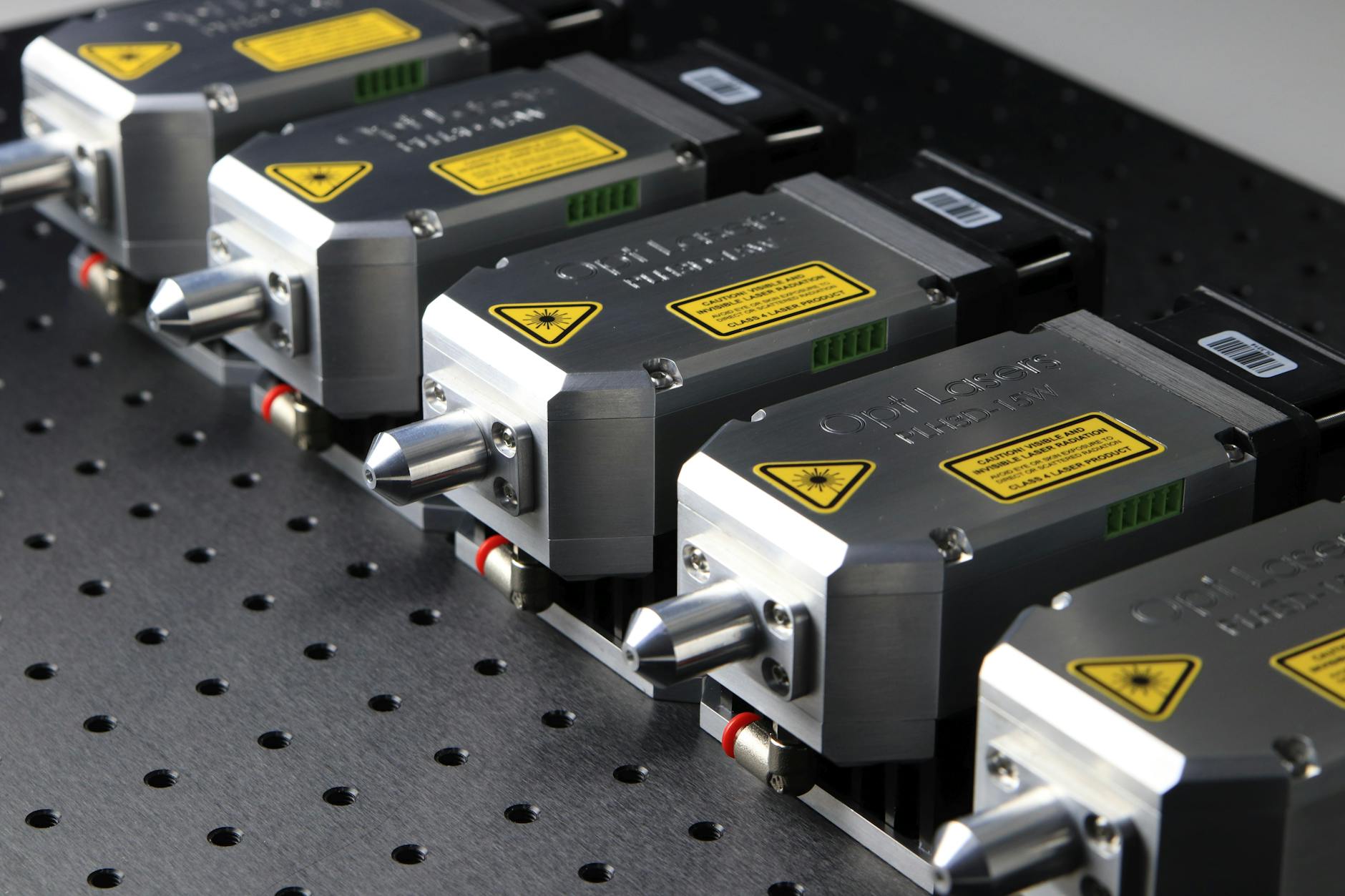
Several laser platforms have shown efficacy for deeper acne lesions. Nd:YAG lasers (1064 nm wavelength) penetrate deepest into the skin and are considered the gold standard for cystic acne because they can reach sebaceous glands without excessive melanin absorption. Diode lasers (800-810 nm) offer a middle ground between depth and safety for darker skin types. IPL (intense pulsed light) systems use broad-spectrum light rather than a true laser and can treat both active acne and post-inflammatory erythema, though they typically don’t penetrate as deeply as Nd:YAG.
Fractional laser systems (like fractional CO2 or Nd:YAG) create microscopic treatment zones, which means they can deliver higher energy in a controlled pattern and trigger collagen remodeling simultaneously. This dual action—treating active cystic lesions while improving atrophic scars—makes fractional approaches increasingly popular. That said, fractional systems typically require multiple sessions spaced 4-8 weeks apart, and recovery (temporary redness, peeling) lasts longer than non-fractional options. The choice between these technologies should be made by a board-certified dermatologist who considers your skin type, the depth and location of your cystic lesions, and your tolerance for downtime.
The Treatment Process and What to Expect During Therapy
A typical laser acne session begins with cleansing the skin and often applying a topical anesthetic or cooling agent, since laser treatments can feel uncomfortable—often described as a series of quick snapping sensations or heat. The dermatologist will move the laser handpiece over affected areas, typically treating the entire face or just problem zones like the jawline or chest where cystic acne clusters. Treatment duration usually ranges from 15 to 30 minutes depending on the area size and laser type.
Immediately afterward, the skin will be red and may feel warm, similar to a mild sunburn. Some patients experience swelling that peaks within 24 hours, particularly with fractional systems. Non-fractional Nd:YAG treatments typically allow return to normal activities the same day, whereas fractional treatments may involve 3-5 days of visible peeling and redness. Pain during treatment varies—some patients tolerate it easily, while others find it quite uncomfortable, which is why discussing pain management options with your provider beforehand is important.
Effectiveness, Results Timeline, and When Laser Therapy Doesn’t Work
Most patients notice some improvement in cystic acne within 2-4 weeks of their first treatment, with maximum results typically appearing after 3-6 months and multiple sessions (usually 4-8 sessions spaced 4-6 weeks apart). The reduction in active lesions is often dramatic—some studies report 60-80% improvement in inflammatory acne counts. However, these numbers come from controlled trials and individual results vary significantly based on acne severity, skin type, hormonal factors, and adherence to post-treatment skincare.
It’s crucial to understand that laser therapy does not cure acne; it controls it. If you have hormonally driven acne or severe sebum overproduction, you may still break out after treatment concludes, which is why combining laser therapy with oral contraceptives, spironolactone, or other systemic treatments is often necessary. Additionally, if you have active bacterial infection or extremely inflamed cystic lesions, your dermatologist may recommend starting oral antibiotics or other medications first to reduce inflammation before laser treatment, since treating inflamed skin can sometimes worsen inflammation temporarily.

Cost, Accessibility, and Insurance Coverage Considerations
Laser acne treatment is typically considered cosmetic and is not covered by insurance, though some policies may cover it if you have medically significant scarring or if acne significantly impacts mental health (this varies widely by plan and location). Individual laser sessions generally cost between $200 and $600 per treatment, and the full course of 4-8 sessions can total $1,000-$5,000 or more. Prices vary by geographic location, the specific laser platform used, and the dermatologist’s experience level.
This cost barrier means laser therapy is not accessible to everyone, which is an important limitation to acknowledge. For those without access to dermatologists or the financial means for laser treatment, alternatives like oral isotretinoin (Accutane), hormonal contraceptives, or spironolactone remain the most evidence-based options for severe cystic acne. Some dermatologists now offer payment plans or package discounts if you commit to multiple sessions upfront, which may reduce the per-session cost.
Long-Term Outlook and Combination Approaches with Other Treatments
Recent trends in acne management suggest that laser therapy works best as part of a comprehensive strategy rather than as a standalone solution. For example, combining laser treatment with topical retinoids during healing phases or with oral spironolactone to address hormonal drivers can yield better long-term control than laser alone. Some dermatologists also use laser therapy to treat severe post-inflammatory hyperpigmentation or atrophic scarring—complications of past cystic acne—at the same time they treat active lesions.
As laser technology continues to evolve, newer devices are being developed with adjustable wavelengths, fractional patterns, and cooling systems designed to improve safety and efficacy for all skin types. However, the fundamentals of laser acne treatment have been established for over 15 years, and while refinements continue, no revolutionary breakthrough technology has yet completely changed the treatment landscape. The best approach remains individualized treatment by an experienced dermatologist who understands your specific acne phenotype and skin characteristics.
Conclusion
Laser therapy represents a significant advancement for treating deep cystic acne that doesn’t respond to conventional topical or oral treatments. By targeting the inflammation and sebaceous activity beneath the skin surface, lasers can reduce active lesions, prevent scarring, and improve skin appearance in ways that topical treatments alone cannot achieve.
The reality, however, is that laser therapy requires multiple sessions, involves real costs and downtime, and works best when combined with other acne management strategies rather than as a standalone cure. If you’re considering laser treatment for cystic acne, the first step is a consultation with a board-certified dermatologist who can assess your skin type, acne severity, and overall health to determine whether laser therapy is appropriate for you. Together, you can develop a treatment plan that may include laser therapy, medications, skincare adjustments, and follow-up care to address both your current breakouts and long-term skin health.