

Restylane Lyft is used off-label for acne scars because it’s a volumizing hyaluronic acid filler specifically designed to lift and support deeper skin layers—exactly what depressed or atrophic acne scars need. When injected strategically beneath scarred areas, it provides immediate volume that pushes the depressed tissue upward, making indented scars appear flatter and less noticeable. The FDA approved Restylane Lyft for mid-face volume restoration, but dermatologists regularly use it off-label on acne scars because the mechanism of action—adding structural support under the skin—directly addresses the core problem without requiring surgery or aggressive resurfacing.
Unlike topical treatments or laser therapy that work on the skin’s surface, Restylane Lyft works from underneath, which makes it particularly effective for boxcar and rolling scars that create visible indentations. A patient with deep rolling scars across their cheeks, for example, might see significant improvement after a single treatment session, whereas topical vitamin C serums or even laser treatments alone would provide minimal improvement for that depth of scarring. This article covers why dermatologists favor this off-label approach, how it compares to other scar treatments, what results you can realistically expect, and the limitations you should understand before pursuing this option.
Table of Contents
- What Makes Restylane Lyft Effective for Acne Scars Compared to Other Fillers?
- How Does Off-Label Use of Restylane Lyft Work for Acne Scar Treatment?
- What Types of Acne Scars Respond Best to Restylane Lyft Injections?
- What Should You Expect Regarding Treatment Timing, Downtime, and Results?
- What Are the Risks and Limitations of Using Restylane Lyft for Acne Scars?
- How Does Restylane Lyft Compare to Permanent Surgical Scar Revision?
- What Does the Future Hold for Off-Label Filler Use in Acne Scar Treatment?
- Conclusion
- Frequently Asked Questions
What Makes Restylane Lyft Effective for Acne Scars Compared to Other Fillers?
Restylane Lyft contains a higher concentration of hyaluronic acid (20mg/mL) and uses a larger particle size than other Restylane formulations, which gives it greater lifting capacity and longer-lasting results—typically 9 to 12 months rather than the 6 months you get from lighter fillers. This heavier formulation is essential for acne scar treatment because shallow fillers would be quickly broken down or wouldn’t provide enough support to adequately lift deeply indented scars. When you inject a lightweight filler into a boxcar scar, the filler molecules simply fill the indentation but don’t create the sustained lift needed to make the scar less visible; Restylane Lyft’s robust particle structure maintains that lifting effect longer.
Other fillers like Restylane Refyne or Juvéderm Vollure are designed for fine lines and subtle volume—they’re too delicate for scar treatment. Radiesse, which contains calcium hydroxyapatite, offers longer duration but doesn’t feel as natural under the skin and can cause visible nodules if overfilled. Sculptra works through collagen stimulation over months, making it useful for severe, widespread scarring, but it requires multiple treatments spaced weeks apart and results are unpredictable if you have darker skin tones (higher risk of granulomatous reactions). Restylane Lyft sits in the middle: it’s substantial enough to meaningfully lift scars, natural-feeling, and relatively predictable across skin tones.
How Does Off-Label Use of Restylane Lyft Work for Acne Scar Treatment?
Off-label use means a drug or device approved by the FDA for one indication is prescribed for a different indication—in this case, Restylane Lyft is FDA-approved for cheek augmentation and mid-face volume loss, but dermatologists inject it into acne scars. This is legal, common, and doesn’t indicate recklessness; off-label use of approved medical devices is standard practice in dermatology and is particularly well-supported by peer-reviewed research showing filler effectiveness for atrophic scarring. However, the critical difference is that off-label use receives no pharmaceutical company guidance on injection technique, depth, or ideal patient selection for scar treatment—your dermatologist is relying on their training, experience, and interpretation of published studies.
The treatment involves injecting Restylane Lyft at the subcutaneous or mid-dermal level, directly beneath the scar, to push the depressed tissue upward and create the appearance of a flatter skin surface. For severe rolling scars, some dermatologists use a “tunneling” technique—creating a line of tiny injections under the scar that lift it gradually. For boxcar scars, precise placement at the scar’s border can create better definition and make the indentation less pronounced. However, if a dermatologist overfills or injects too superficially, you risk visible lumps, asymmetry, or a “puffy” appearance that looks worse than the original scarring—this is why provider experience matters significantly, and a board-certified dermatologist with specific scar treatment experience is worth the investment over a nurse injector or less experienced provider.
What Types of Acne Scars Respond Best to Restylane Lyft Injections?
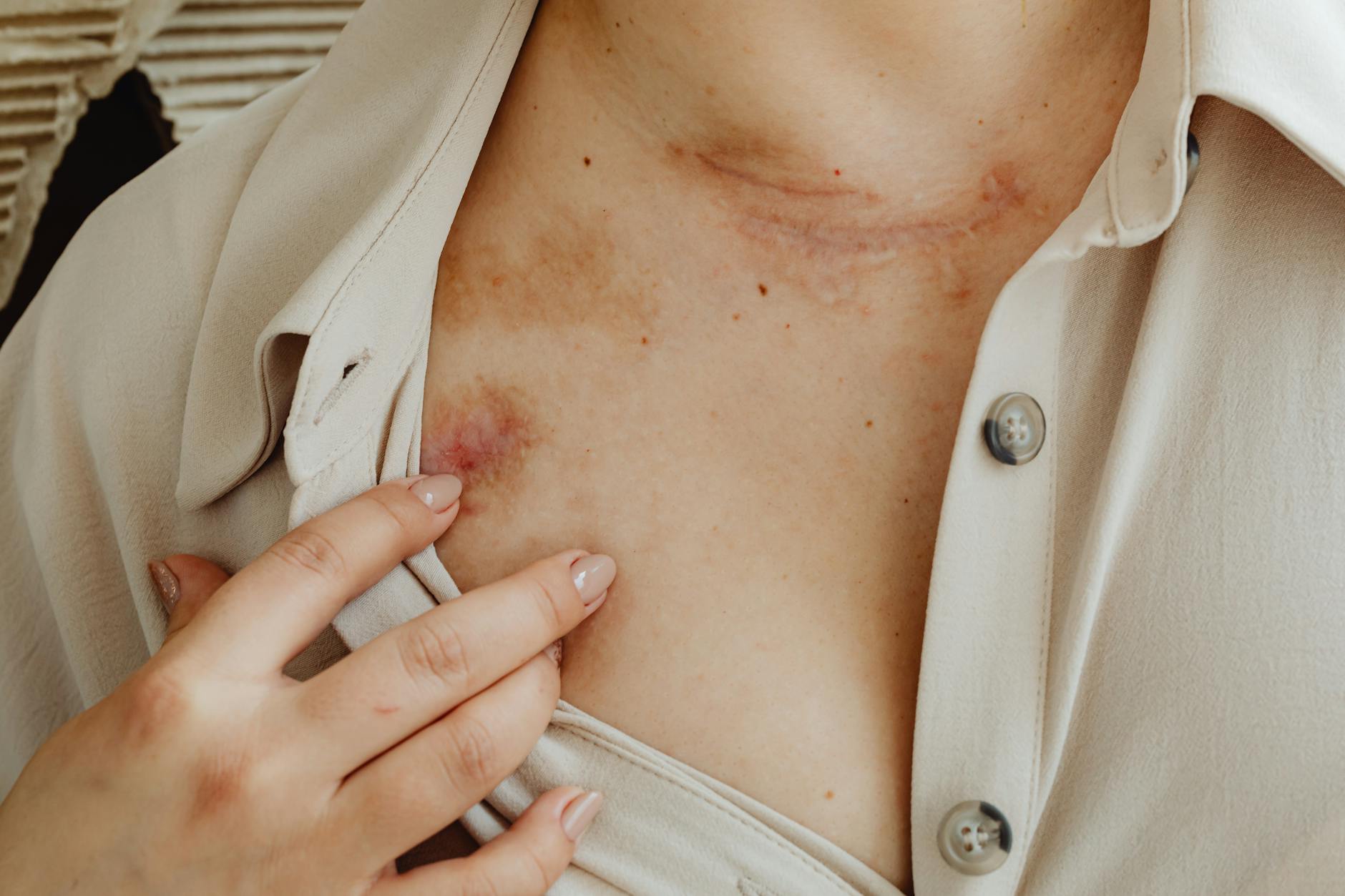
Restylane Lyft works best on atrophic (depressed) acne scars—the three main categories are boxcar scars (sharply defined, squared-off indentations), rolling scars (broader, wavy depressions), and ice-pick scars (deep, narrow punctate scars). Boxcar and rolling scars respond exceptionally well because they’re shallow enough that volumizing filler can meaningfully improve their appearance; a 2-3mm deep boxcar scar that spans the cheek can often become significantly less noticeable after filler injection. Rolling scars, which are the most common type of atrophic scarring, also respond well because the depression is gradual—adding volume throughout the depressed area creates visible flattening.
Ice-pick scars present a limitation: they’re too deep and narrow for filler to be the primary treatment. If you have predominately ice-pick scars, you’d benefit more from surgical approaches like punch excision or TCA cross-peeling, possibly combined with filler for remaining shallow depressed areas. Hypertrophic or keloid scars, where excess tissue builds up rather than depressing inward, don’t respond to filler at all—they require different treatments like steroid injections, laser, or surgical excision. If you have a mix of scar types (which many people do), a dermatologist can address boxcar and rolling scars with Restylane Lyft and separately treat ice-pick or hypertrophic areas with other modalities—a multimodal approach often yields the best results, though it requires multiple treatment types and higher total cost.
What Should You Expect Regarding Treatment Timing, Downtime, and Results?
A single Restylane Lyft treatment session for acne scars typically takes 30 to 45 minutes and involves multiple small injections across scarred areas. Downtime is minimal—you may experience redness, mild swelling, and tenderness at injection sites for 24 to 48 hours, similar to getting a small tattoo or acne extraction. Unlike laser resurfacing or chemical peels, you can return to work and normal activities immediately, though you should avoid intense exercise, saunas, and alcohol for 24 hours to minimize swelling. Results are immediate and visible because the filler provides instant volume, though some of what you see in the first week is swelling—true results stabilize after 2 to 3 days when inflammation subsides.
The longevity question is important: Restylane Lyft typically lasts 9 to 12 months in the face, but scar tissue often breaks down filler faster than regular facial tissue, so you might see noticeable diminishment around the 8-month mark. This means most people choose to repeat treatment annually or every 18 months depending on their metabolism and desired scar improvement. A single treatment session costs between $600 and $1,500 depending on geography and provider, so annual maintenance runs $700 to $1,800 per year indefinitely—this is a significant cost compared to a one-time surgical scar revision, but it avoids surgical downtime and anesthesia risk. If you’re treating extensive scarring affecting cheeks, chin, and forehead, expect to need 2 to 3 sessions initially, spaced 2 weeks apart, before reaching your desired result.
What Are the Risks and Limitations of Using Restylane Lyft for Acne Scars?
The most common complication is overfilling—if too much filler is injected or if placement is incorrect, you develop visible lumps, asymmetry, or a “pillow-face” appearance where injected areas look unnaturally puffy. This isn’t permanent (filler dissolves naturally), but it’s aesthetically problematic and requires waiting months for resorption or paying for hyaluronidase injection to dissolve the filler. Infection, though rare, is possible with any injection; if you experience increasing redness, warmth, or pus drainage beyond the first few days, seek medical attention immediately. Bruising can be significant if the needle hits small blood vessels, sometimes appearing for 1 to 2 weeks—this is cosmetically embarrassing and unpredictable, so you shouldn’t schedule treatment before important events.
A critical limitation is that Restylane Lyft improves the appearance of scars but doesn’t repair the underlying skin damage—you’re masking the problem temporarily, not solving it permanently. If stopping treatment and allowing the filler to dissolve, your scars return to their original appearance. For people with extremely severe acne scarring or those seeking permanent improvement, this temporary nature is a significant drawback. Additionally, Restylane Lyft is hyaluronic acid, which is hydrophilic; in dry environments or with dehydration, the filler can pull water from surrounding tissue, potentially worsening the appearance or causing temporary contour irregularities. People with moderate to severe rosacea, active severe acne, or certain skin conditions should discuss risks with their dermatologist before proceeding.
How Does Restylane Lyft Compare to Permanent Surgical Scar Revision?
Surgical approaches like punch excision, excision with layered closure, or dermabrasion offer permanent improvement but require local or general anesthesia, create new incisions, involve weeks of healing with visible redness (6 to 12 weeks for pinkness to fade), and carry risk of complications like infection or visible scars from the surgery itself. For someone with a few moderate scars, surgical revision might cost $2,000 to $5,000 per scar and require 1 to 2 procedures, but the improvement is permanent and doesn’t require ongoing maintenance. For someone with extensive diffuse scarring across multiple facial areas, surgery becomes impractical; you can’t excise the entire cheek or forehead.
This is where Restylane Lyft excels—it can address large scarred areas without requiring extensive surgery or long healing periods. The realistic comparison is that Restylane Lyft is ideal for people who want noticeable improvement with minimal downtime and are willing to repeat treatment every 1 to 2 years, while surgical approaches are better for people with a few prominent scars and those who want permanence despite higher upfront cost and longer recovery. Many dermatologists recommend combining approaches: use Restylane Lyft to improve the overall appearance of widespread scarring, then pursue surgical revision on the most prominent remaining scars after a few months when you’ve identified which ones still bother you most.
What Does the Future Hold for Off-Label Filler Use in Acne Scar Treatment?
The dermatology field is moving toward combination approaches for scar treatment, particularly combining Restylane Lyft injections with minimal-downtime laser treatments like resurfacing lasers or microneedling in the same session. The filler addresses the depression (depth problem), while laser or microneedling addresses texture and discoloration (surface problem), often yielding better cosmetic outcomes than either treatment alone. Some practices now offer “filler plus laser” packages for acne scarring, and preliminary research suggests this combination extends results and reduces the need for repeat filler treatments.
Longer-lasting fillers and volumizing agents are also in development; if and when next-generation fillers with 18 to 24-month duration or better tissue integration become available, off-label scar treatment will become even more practical. Additionally, regenerative medicine approaches—including platelet-rich plasma (PRP) combined with microneedling, and stem cell therapies—are being investigated for acne scarring treatment, with the goal of actual tissue repair rather than temporary filling. These approaches are not yet standard care and remain largely experimental, but if they prove effective, they could offer a middle ground between temporary fillers and permanent surgery. For now, Restylane Lyft remains one of the most practical, proven options for people seeking noticeable scar improvement without surgery.
Conclusion
Restylane Lyft is used off-label for acne scars because its robust hyaluronic acid formulation provides sustained volumizing support that effectively lifts depressed scars and makes them appear flatter and less noticeable. It works best on boxcar and rolling scars, requires minimal downtime, and delivers immediate visible results—making it an attractive option for people unwilling or unable to pursue surgical scar revision.
However, results are temporary, lasting 9 to 12 months, which means ongoing maintenance costs and repeat treatments indefinitely. Before pursuing Restylane Lyft for acne scars, consult with a board-certified dermatologist experienced in scar treatment who can assess your specific scar types, discuss whether Restylane Lyft alone or a combined treatment approach would yield better results, and set realistic expectations about cost, longevity, and what improvement is achievable given your scar severity. If you have a few prominent scars, surgical revision might be more cost-effective long-term; if you have widespread scarring, Restylane Lyft combined with laser treatment offers practical improvement with manageable downtime.
Frequently Asked Questions
How many Restylane Lyft treatments do I need to see noticeable scar improvement?
For moderate scarring, many people see significant improvement after one treatment session. For more extensive scarring, dermatologists typically recommend 2 to 3 sessions spaced 2 weeks apart to build volume gradually and achieve desired results. You’ll see 80 to 90% of the improvement from the first session, with refinement from subsequent treatments.
Will my scars come back if I stop getting Restylane Lyft injections?
Yes, your scars will return to their original appearance as the filler dissolves and is metabolized by your body. This is the key limitation of filler treatment—it’s temporary improvement, not permanent repair. If you pursue this treatment, plan for ongoing maintenance every 1 to 2 years.
Is Restylane Lyft safe for people with darker skin tones?
Restylane Lyft is generally safe for all skin tones when injected by an experienced provider. However, people with darker skin tones have higher risk of both hypertrophic scarring and potential inflammatory reactions. Choose a dermatologist with specific experience treating darker skin and discuss this risk directly before treatment.
Can I combine Restylane Lyft with other acne scar treatments?
Yes, combining Restylane Lyft with laser resurfacing, microneedling, or TCA cross-peeling often yields better results than either treatment alone. Fillers address depression (depth), while laser and chemical treatments address texture and discoloration (surface). Some practices offer combination packages; discuss timing and sequencing with your dermatologist.
How much does Restylane Lyft cost for acne scar treatment?
A single treatment session typically costs $600 to $1,500 depending on geography, provider experience, and the amount of filler needed. Extensive scarring requiring multiple syringes or sessions can cost $2,000 to $4,500 initially, with annual maintenance around $800 to $1,500 per year.
What’s the difference between Restylane Lyft and other Restylane products for scars?
Restylane Lyft has larger particle size and higher hyaluronic acid concentration than Restylane Refyne or standard Restylane, making it substantially more effective for depressed scars. Lighter formulations lack the lifting capacity needed for meaningful scar improvement.