

Generic adapalene is essentially identical to brand-name Differin because it contains the exact same active ingredient—adapalene 0.1% or 0.3%—formulated to deliver the same therapeutic effect. The FDA has formally determined that generic adapalene formulations are bioequivalent and therapeutically equivalent to brand-name Differin, meaning they work in your body the same way and provide the same acne-fighting results. Whether you’re buying a store-brand adapalene from CVS, Walgreens, or a compounded version from your dermatologist, you’re getting a drug that performs identically to Differin at a fraction of the cost.
The first generic adapalene 0.1% cream was FDA-approved back in July 2010 by E. Fougera & Company, and since then, numerous manufacturers have brought their own versions to market. For patients who’ve been paying premium prices for Differin, switching to generic adapalene typically means saving 50-80% without sacrificing results. This article explains why these generics are so similar, what minor differences exist in inactive ingredients, and what you need to know to make the best choice for your skin.
Table of Contents
- What Does FDA Bioequivalence Actually Mean for Adapalene and Differin?
- How Do Inactive Ingredients Differ Between Generic and Brand Adapalene?
- Do Formulation Types (Gel, Lotion, Cream) Impact Efficacy Between Generic and Brand?
- What’s the Real Cost Savings of Generic Adapalene Over Brand Differin?
- Are There Any Risks to Switching from Brand Differin to Generic Adapalene?
- How Long Does It Take to See Results with Generic Adapalene?
- What’s the Future of Generic Adapalene Availability and Affordability?
- Conclusion
What Does FDA Bioequivalence Actually Mean for Adapalene and Differin?
When the FDA approves a generic drug, it doesn’t just check that the ingredients list matches—it requires rigorous testing to prove the generic performs identically to the brand-name version. For adapalene, this means the FDA has verified that generic versions deliver the same strength, purity, and quality as Differin through their bioequivalence program. Bioequivalence testing examines how the drug is absorbed, distributed, metabolized, and excreted in the body, ensuring that generic adapalene reaches your skin cells at the same concentration and rate as brand-name Differin.
This therapeutic equivalence is not a marketing claim or an assumption. The FDA’s determination means a generic adapalene 0.1% gel will provide the same anti-inflammatory and anti-comedogenic effects as Differin 0.1% gel when applied to your skin. If you’ve been using Differin for three months and your acne has improved, you should expect identical results from a generic adapalene product, whether from a pharmacy chain or a compounded formulation from a dermatology clinic.
How Do Inactive Ingredients Differ Between Generic and Brand Adapalene?
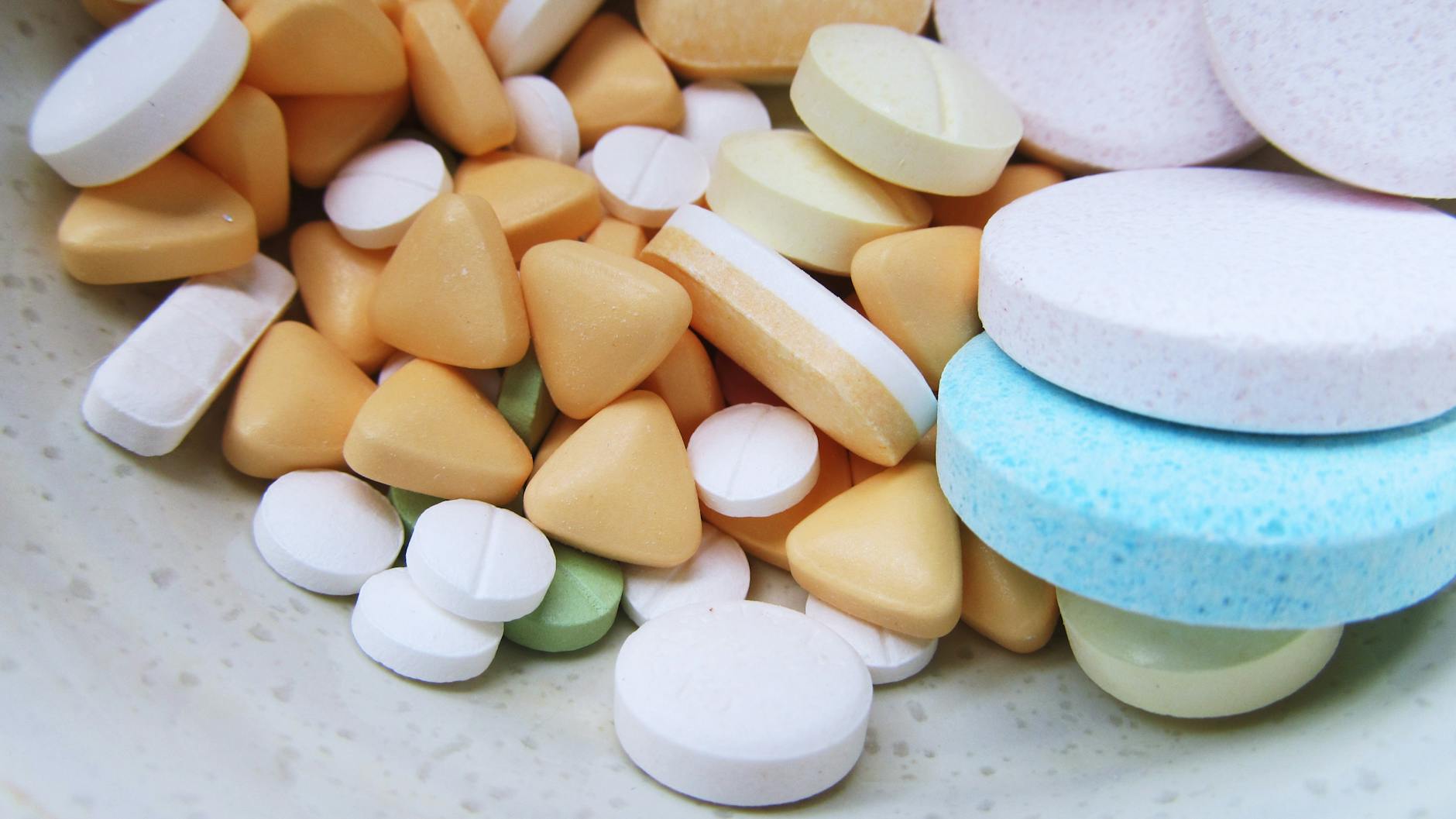
While the active ingredient is identical, the inactive ingredients—the carriers, preservatives, and stabilizers that help deliver adapalene to your skin—can differ between brand-name Differin and various generic formulations. Differin Gel 0.1% contains carbomer 940, edetate disodium, methylparaben, poloxamer 182, propylene glycol, purified water, sodium hydroxide, and may include hydrochloric acid for pH adjustment. Some generic adapalene products substitute carbomer homopolymer for carbomer 940, which can affect the gel’s texture, spreadability, and how it feels on the skin.
These differences in inactive ingredients rarely affect the actual therapeutic outcome—your skin will still clear up—but they can influence the sensory experience. One patient might find that their preferred generic brand feels greasier or absorbs faster than Differin, while another notices no difference whatsoever. If you’re switching from Differin to a generic adapalene and experience texture issues or unexpected reactions, it’s often the inactive ingredients at play, not a difference in efficacy. In this case, trying a different generic brand might resolve the issue without abandoning the active ingredient entirely.
Do Formulation Types (Gel, Lotion, Cream) Impact Efficacy Between Generic and Brand?
Adapalene is available in gel, lotion, and cream formulations from both brand-name and generic manufacturers, and the choice of formulation matters more than whether you’re buying brand or generic. Different formulation types use different carbomers and inactive ingredients—for example, a gel-based version will have different viscosity agents than a cream-based version—but as long as both contain the same concentration of adapalene and are bioequivalent, they deliver the same active ingredient to your skin cells. Some patients prefer the lightweight feel of a lotion version, while others find creams more nourishing, but this is a personal preference rather than an efficacy question.
When choosing a generic adapalene, the formulation type you select should be based on your skin type and preference, just as it would be with Differin. If you have oily skin, the gel formulation might be ideal; if you have dry or sensitive skin, a cream might work better. The advantage of generics is that you may have access to more formulation options at lower prices, since multiple manufacturers compete in the generic market. However, if your dermatologist specifically recommends Differin gel, you should confirm that the generic adapalene you purchase is also a gel formulation, not a different type that might change how your skin responds.

What’s the Real Cost Savings of Generic Adapalene Over Brand Differin?
The price difference between generic adapalene and brand-name Differin is substantial and consistent across most pharmacies. Generic adapalene typically costs 50-80% less than brand-name Differin—meaning a month’s supply of generic might run $15-25 out-of-pocket, while the same amount of Differin could cost $50-100 or more without insurance. For patients managing chronic acne or using adapalene as a long-term preventative treatment, this difference compounds dramatically over months and years. The catch is that both brand and generic versions may be covered differently by insurance depending on your plan.
Some insurance policies cover Differin at a lower copay due to prior authorization or formulary status, while generics might be covered at a higher tier. Before automatically assuming generic is cheaper, check your insurance coverage or ask your pharmacist to compare the out-of-pocket costs for both options. Additionally, some dermatologists offer compounded adapalene formulations that fall outside typical pharmacy pricing, which can be even more affordable if your insurance covers compounding. The point is that while generics are almost always less expensive, your actual savings depend on your specific insurance plan and pharmacy.
Are There Any Risks to Switching from Brand Differin to Generic Adapalene?
The short answer is no—switching from brand Differin to generic adapalene carries no clinical risk because the active ingredient and therapeutic effect are identical. However, there are practical considerations worth mentioning. Some patients experience a brief adjustment period when switching products, not because of efficacy differences but because of texture, spreadability, or how quickly the product absorbs. If you switch and notice your skin feels different, give it two to three weeks before concluding the generic isn’t working—your skin may simply need time to adjust to the new formulation’s inactive ingredients.
One legitimate warning: if you’re sensitive to methylparaben or other preservatives in Differin, you should check the inactive ingredient list of your chosen generic adapalene before purchasing. Some generic versions use different preservative systems, which could theoretically trigger a reaction if you have a specific sensitivity. Additionally, if your dermatologist has you on a particular strength (0.1% vs. 0.3%) of Differin for a specific reason, make sure the generic you buy matches that strength. Mixing strengths or brands unnecessarily could complicate your dermatologist’s ability to assess how the treatment is working.
How Long Does It Take to See Results with Generic Adapalene?
Whether you’re using brand Differin or generic adapalene, the timeline for results is identical because the active ingredient is identical. Adapalene typically takes 12 weeks (three months) of consistent daily use to show meaningful improvement in acne—some patients see results as early as 4-6 weeks, while others require the full 12 weeks. During the first 2-4 weeks, many patients experience a slight increase in dryness, irritation, or even a temporary flare of breakouts (a phenomenon called “retinization” or an adjustment period), which is normal and not a sign that the product isn’t working.
The key factor in timing is consistency, not which version you’re using. Using generic adapalene once or twice a week won’t produce results, just as inconsistent use of brand Differin won’t either. If you switch from Differin to generic adapalene after already seeing results, you should maintain those results because you’re using the same active ingredient at the same strength. If you’ve been struggling with Differin and considering switching to generic, don’t expect a different timeline—but do expect the same results at a lower price.
What’s the Future of Generic Adapalene Availability and Affordability?
As more generic manufacturers enter the adapalene market and patents expire on newer retinoid formulations, patients have more options and better pricing than ever before. The generic market for adapalene is now mature enough that multiple manufacturers offer the product across various formulations, giving patients real choices about both price and product feel. This competition has driven prices down and made adapalene more accessible to patients who previously couldn’t afford Differin.
Looking forward, the trend suggests continued affordability and wider availability of generic adapalene. If you’ve been hesitant to try adapalene because of cost, or if you’ve been using an expensive brand-name retinoid, now is an excellent time to discuss generic adapalene with your dermatologist. The science is clear, the FDA has validated the equivalence, and the price gap makes it a rational choice for most patients. Your dermatologist can help you navigate formulation types and confirm that generic adapalene is appropriate for your specific skin condition.
Conclusion
Generic adapalene is not a cheaper knockoff or a compromise version of Differin—it’s the same medication, proven bioequivalent by the FDA and available at a fraction of the brand-name price. The active ingredient, strength, and therapeutic effect are identical; the only variable is the formulation’s texture and feel, determined by inactive ingredients that rarely affect clinical outcomes. Whether you’ve been using Differin for years or are starting adapalene for the first time, choosing a generic version is a scientifically sound and financially smart decision.
If you’re concerned about switching, talk to your dermatologist about which generic brand and formulation type might work best for your skin. Give yourself at least two to three weeks to adjust to any new product, and maintain consistent daily use for the full 12-week period to see meaningful results. The cost savings of choosing generic adapalene—often 50-80% less than brand Differin—make it an easy recommendation for patients managing acne long-term.