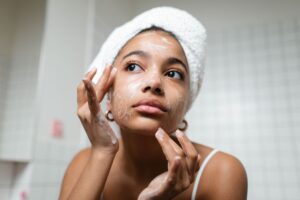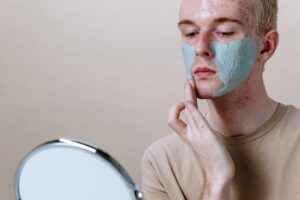
Proactiv differs from standard acne washes primarily through its three-step system approach, which combines a specialized benzoyl peroxide cleanser, a targeted treatment lotion, and a repairing moisturizer designed to work synergistically rather than as standalone products. While a typical drugstore acne wash might contain a single active ingredient at a standard concentration, Proactiv’s formulation uses lower concentrations of benzoyl peroxide (2.5% in the cleanser) combined with additional actives like salicylic acid in the treatment step, based on the theory that multiple products targeting acne through different mechanisms produce better results than one product alone.
This article explores how Proactiv’s system philosophy, formulation chemistry, application protocol, and long-term approach set it apart from grabbing a bottle of Neutrogena or Cetaphil acne wash off a drugstore shelf—and whether those differences actually justify the higher price point and ongoing subscription commitment. The fundamental distinction goes beyond just “more products equals better acne control.” Standard acne washes are designed for quick cleansing and immediate spot treatment, while Proactiv operates on a cumulative, system-based model where each step theoretically enhances the next. Understanding these differences matters because choosing between them affects not only your daily routine but also your expectations about timeline, cost, and whether you’re likely to stick with the regimen long enough to see results.
Table of Contents
- How Does Proactiv’s Three-Step System Compare to Single-Product Acne Washes?
- The Role of Benzoyl Peroxide Concentration and Formulation
- Active Ingredients Beyond Benzoyl Peroxide
- Application Protocol and Consistency Requirements
- Dryness, Irritation, and Skin Barrier Considerations
- Cost, Commitment, and Long-Term Value
- Efficacy Evidence and Clinical Backing
- Conclusion
- Frequently Asked Questions
How Does Proactiv’s Three-Step System Compare to Single-Product Acne Washes?
A standard acne wash typically contains one active ingredient—usually either 2-10% benzoyl peroxide or 0.5-2% salicylic acid—mixed into a cleanser base and applied once or twice daily. you squeeze it out, lather, rinse, and move on. Proactiv instead breaks acne treatment into distinct phases: cleansing with benzoyl peroxide, targeted treatment with additional actives, and moisturizing with ingredients meant to counteract dryness from the treatment steps.
The reasoning is that standard washes must balance cleansing effectiveness, active ingredient delivery, and tolerability all in one product, which can limit how much active ingredient concentration is truly beneficial. The three-step approach allows Proactiv to use lower concentrations of benzoyl peroxide in the cleanser (typically 2.5%) while delivering additional acne-fighting agents in the separate treatment lotion. For someone with mild to moderate acne, this might feel less harsh on daily use compared to a standard 5-10% benzoyl peroxide acne wash, which can cause significant dryness and irritation with twice-daily use. However, this benefit only materializes if you actually use all three steps consistently; using just the Proactiv cleanser without the treatment and moisturizer defeats the intended system design and often delivers weaker results than a standalone acne wash would.
The Role of Benzoyl Peroxide Concentration and Formulation
Benzoyl peroxide is the most proven acne-fighting ingredient available without a prescription, and its effectiveness is largely dose-dependent—higher concentrations generally work faster, but they also increase irritation, dryness, and potential for allergic reaction. Standard drugstore acne washes often use 5-10% benzoyl peroxide to maximize visible results quickly, betting that consumers want fast improvement and will tolerate the side effects. Proactiv’s decision to use 2.5% benzoyl peroxide in the cleanser reflects a different philosophy: go low in the cleanser (where the product is rinsed away quickly and has limited contact time), then deliver additional acne treatment through the lotion step (which stays on skin longer).
This formulation strategy has a significant limitation, however. If your acne is severe or inflammatory, a 2.5% benzoyl peroxide cleanser might simply be underdosed for your skin’s needs, and no amount of follow-up treatment lotion will compensate. Someone with deep cystic acne or dense comedonal breakouts might see better results from a single 10% benzoyl peroxide wash used twice daily than from the Proactiv system. Additionally, Proactiv’s moisturizer is essential to prevent the cumulative drying effect of multiple actives; if you skip the third step or use a different moisturizer, you risk excessive dryness that can actually trigger rebound oiliness and more acne.
Active Ingredients Beyond Benzoyl Peroxide
Standard acne washes typically stick to one active ingredient to keep formulations simple and minimize irritation risk. Proactiv’s treatment lotion often includes additional actives—commonly salicylic acid, sometimes azelaic acid or sulfur, depending on the specific Proactiv line—which target different aspects of acne formation. Benzoyl peroxide kills acne bacteria and has some keratolytic (skin-shedding) properties, while salicylic acid primarily helps unclog pores by dissolving sebum and dead skin cells. By combining these mechanisms in separate steps, Proactiv attempts to address both bacterial colonization and pore blockage.
A real-world example: someone using a standard 5% salicylic acid acne wash alone might see improvement in blackheads and whiteheads (the exfoliating effect) but not much reduction in inflammatory red bumps (requiring more bacterial control). Adding Proactiv’s benzoyl peroxide step targets the bacteria that cause inflammation, potentially giving faster results for mixed acne types. That said, many dermatologists actually advise against combining multiple actives daily, especially for sensitive skin, because the cumulative irritation can trigger barrier damage and worsen acne over time. Someone using Proactiv should monitor for signs of over-exfoliation—flaking, tight skin, increased sensitivity—which might mean you need to cut back frequency or switch to a gentler system.
Application Protocol and Consistency Requirements
Standard acne washes are designed to fit easily into any routine: wet face, apply, lather, rinse, done. No special timing, no waiting periods, minimal thought required. Proactiv demands more structured adherence—three separate steps, ideally applied in sequence, and often requires waiting a few minutes between steps for products to absorb and set. This structured approach has a practical advantage: it creates a ritual that reinforces consistency, which is crucial for acne control (results typically take 6-8 weeks, so stopping after two weeks guarantees failure).
However, this complexity is also Proactiv’s biggest practical drawback. If you travel frequently, have a chaotic schedule, or simply lack the discipline for a three-step routine, you’re more likely to skip steps or miss applications. Someone using a standard acne wash can grab it in the shower and be done; someone using Proactiv needs dedicated time at the sink, preferably morning and night. For busy people or teenagers with inconsistent routines, the simpler single-product acne wash might actually deliver better results simply because they’ll use it more reliably. There’s no point in having a theoretically superior system if you only use it 60% of the time.
Dryness, Irritation, and Skin Barrier Considerations
One frequently overlooked difference is that standard acne washes, especially the higher-concentration benzoyl peroxide varieties, often cause significant dryness and peeling, particularly in the first 2-4 weeks. Proactiv’s inclusion of a dedicated moisturizer step acknowledges this side effect and attempts to manage it built-in to the system. If you’re using a standard acne wash, you typically need to add a separate non-comedogenic moisturizer (one that won’t clog pores), which adds cost and complexity anyway.
The limitation here is that Proactiv’s moisturizer might not be sufficient for everyone’s skin barrier damage. Someone with very dry skin or sensitive skin conditions like rosacea might find that even Proactiv causes unacceptable dryness, requiring additional moisturizing steps, slower introduction, or different treatments altogether. Additionally, the combination of multiple actives in Proactiv can sometimes be more irritating than a single active in a standard wash, even if each individual ingredient concentration is lower. If you experience increasing redness, burning, or raw-feeling skin after starting Proactiv, dial back frequency (every other day instead of daily) or switch to a gentler option rather than pushing through assuming the irritation will fade.

Cost, Commitment, and Long-Term Value
Standard acne washes are typically sold as one-time purchases: you buy a bottle, use it, buy another when it runs out. Proactiv operates primarily through subscription models, where you receive your three-step kit monthly (or quarterly) and are charged automatically unless you cancel. The per-use cost of Proactiv is often significantly higher—$40-60 monthly for the subscription versus $6-15 for a single drugstore acne wash bottle. Over a year, that’s a $480-720 difference, which matters.
The counterargument is that Proactiv’s subscription model encourages consistency (you receive fresh products regularly, reducing the “I forgot to buy more” problem) and the company provides education and support for the regimen. If the three-step system genuinely works better for your skin and delivers clearer skin within 6-8 weeks, paying more for a reliable system might be worthwhile. However, if standard acne washes work equally well for your skin type, spending triple the amount on Proactiv is wasteful. The key is honest self-assessment: try a standard acne wash for 8-10 weeks (long enough for meaningful improvement), and only upgrade to Proactiv if you see limited results.
Efficacy Evidence and Clinical Backing
Proactiv has clinical studies demonstrating efficacy—peer-reviewed research showing that the three-step system produces measurable acne improvement in participants. Many standard drugstore acne washes also have clinical backing (Neutrogena and Cetaphil, for example, have dermatologist-tested formulations), but Proactiv has invested more heavily in marketing and emphasizing its clinical validation, which creates a perception that it’s somehow “scientifically superior.” In reality, benzoyl peroxide is benzoyl peroxide; a 2.5% benzoyl peroxide formulation from Proactiv won’t outperform a 2.5% formulation from another brand purely based on brand name. Looking forward, the acne treatment landscape is evolving.
Newer ingredients like azelaic acid, niacinamide, and even low-dose retinoids are increasingly available in accessible products without prescriptions. Personalized acne systems and custom-compounded treatments are becoming more common, potentially offering alternatives to both Proactiv and standard washes. For now, though, Proactiv remains a legitimate option for people seeking a structured, supported multi-step system, while standard acne washes serve those preferring simplicity and lower cost.
Conclusion
Proactiv’s primary advantage over standard acne washes is its system-based philosophy: lower benzoyl peroxide concentration in the cleanser, targeted additional actives in a treatment lotion, and an included moisturizer designed to manage the dryness that accumulates from multiple actives. This approach can work well for people with mild to moderate mixed-type acne (combining both comedones and inflammation) and those who thrive on structured routines and brand support. The commitment to consistency is built into the subscription model, which can be a feature if you struggle with routine adherence.
If you have severe acne, extremely sensitive or dry skin, an irregular schedule, or limited budget, a standard acne wash might serve you equally well or better. The honest answer is that both systems rely on the same core active ingredients; the difference lies in formulation strategy, application complexity, cost, and whether the accompanying structure and support feel like a benefit or a burden. Start with whichever aligns with your life and budget, use it for at least 8 weeks, and reassess based on actual results rather than marketing claims.
Frequently Asked Questions
Does Proactiv work faster than standard acne washes?
Not necessarily faster, but potentially more thoroughly. Both systems typically require 6-8 weeks to show meaningful improvement. Proactiv’s multi-step approach may help with mixed acne types, but a higher-concentration benzoyl peroxide wash might clear straightforward bacterial acne just as quickly.
Can I use Proactiv if I have sensitive skin?
Yes, but with caution. Start with every-other-day application rather than twice daily, and monitor for excessive dryness or irritation. The combination of multiple actives can be more irritating than a single-active standard wash, so sensitive skin sometimes does better with a gentler, simpler approach.
Is Proactiv worth the subscription cost?
If the system works for your acne and you maintain consistency, yes. If a standard acne wash produces the same results, no—there’s no reason to pay 3-4 times more for the same active ingredients at potentially lower concentrations.
Can I use just the Proactiv cleanser without the other steps?
You can, but you’re not using the system as designed. Using only the cleanser is essentially paying Proactiv prices for a standard low-concentration benzoyl peroxide wash, which doesn’t make financial sense.
What if Proactiv makes my skin too dry?
Reduce to every-other-day application, switch to the gentler Proactiv formula (most lines have different strengths), or add an extra moisturizing step. If dryness persists, standard acne washes might be less irritating for your skin.
Are there better alternatives to both Proactiv and standard washes?
Possibly. Prescription options like adapalene (Differin) and tretinoin are more effective for many people, as are combination approaches using different actives. Consulting a dermatologist can help identify whether your acne would respond better to a different category of treatment altogether.