
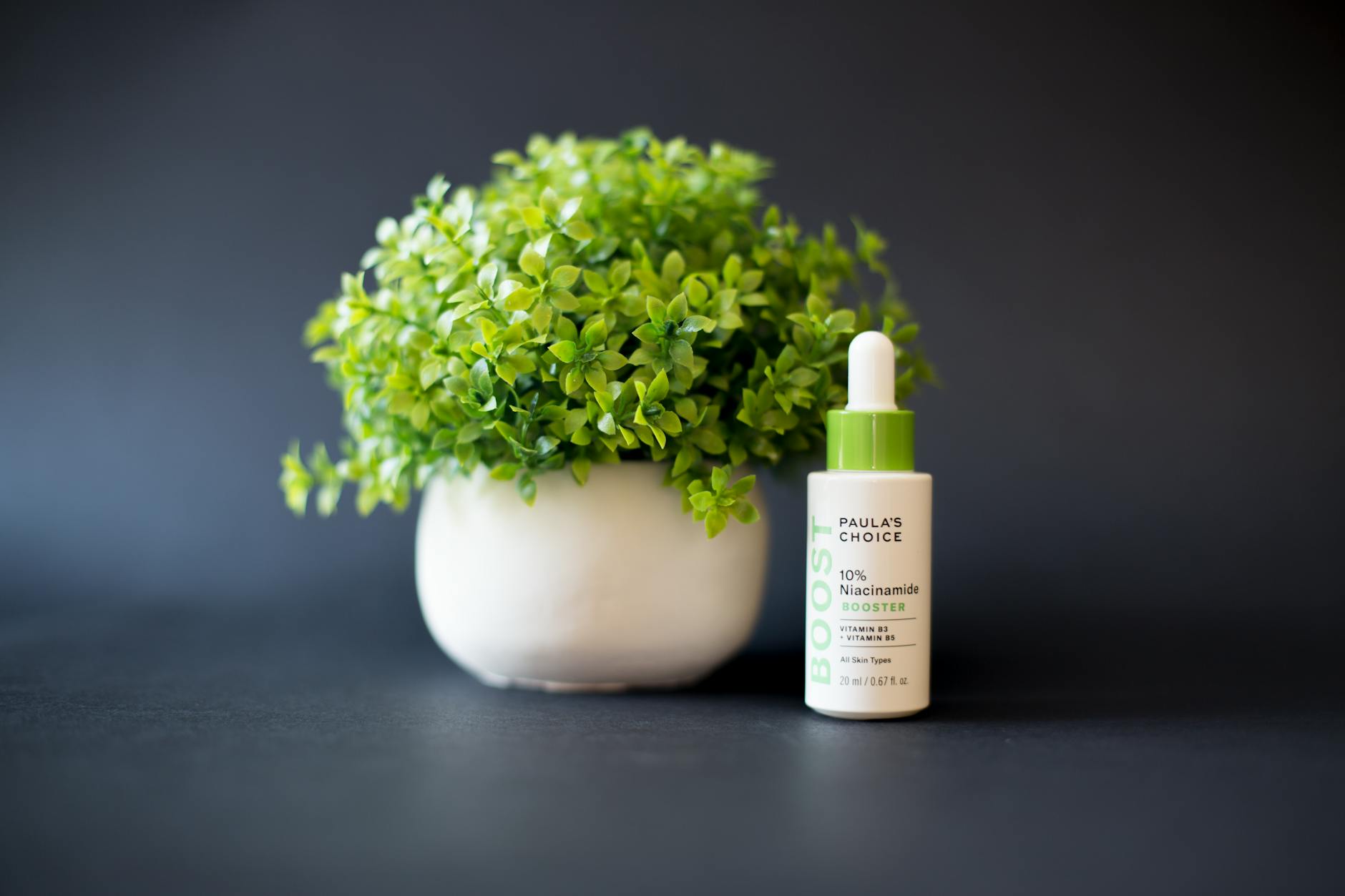
Niacinamide has become one of the most sought-after ingredients in brightening skincare because it directly inhibits melanin transfer from melanocytes to surrounding skin cells, resulting in a more even and luminous complexion. When applied topically at concentrations of 4-5%, niacinamide reduces the visible appearance of dark spots, hyperpigmentation, and uneven skin tone—sometimes noticeably within 4-8 weeks of consistent use. Unlike vitamin C or hydroquinone, which work through different brightening mechanisms, niacinamide offers the additional benefits of strengthening your skin barrier and reducing inflammation, making it suitable even for sensitive or acne-prone complexions that might struggle with harsher brightening agents.
The popularity of niacinamide extends beyond just brightening results. Dermatologists increasingly recommend it because the ingredient is backed by robust clinical research, well-tolerated across most skin types, and affordable compared to prescription-strength options. It’s become a staple in Korean and Japanese skincare lines specifically because these markets prioritize gentle, multi-functional ingredients that deliver results without irritation. This article explores the science behind niacinamide’s brightening power, how it compares to other skin-tone-evening options, what to expect when using it, and how to maximize its effectiveness for your specific skin concerns.
Table of Contents
- How Does Niacinamide Actually Brighten Skin and Even Out Tone?
- Niacinamide vs. Other Brightening Ingredients: When to Use Each
- Niacinamide and Post-Inflammatory Hyperpigmentation: Why It’s Especially Effective for Acne-Prone Skin
- How to Use Niacinamide Properly for Maximum Brightening Results
- Limitations and Realistic Expectations: What Niacinamide Can’t Do
- Niacinamide in Professional Skincare: Serums, Masks, and Supplements
- The Future of Niacinamide: Stronger Formulations and Combination Therapies
- Conclusion
- Frequently Asked Questions
How Does Niacinamide Actually Brighten Skin and Even Out Tone?
Niacinamide, also known as nicotinamide or vitamin B3, works on skin brightening through a specific cellular mechanism. It reduces the transfer of melanosomes—the organelles that contain melanin pigment—from melanocytes (pigment-producing cells) to keratinocytes (surface skin cells). In a 2015 study published in the Journal of Cosmetic Dermatology, participants using a 4% niacinamide serum showed a 10-fold reduction in melanin transfer, which translates to visibly reduced dark spots and more uniform skin tone. This mechanism is fundamentally different from exfoliants, which work by removing the pigmented layer of skin, or hydroquinone, which inhibits tyrosinase enzyme activity.
Beyond melanin suppression, niacinamide also strengthens the skin barrier by increasing ceramide and fatty acid production in the epidermis. A stronger barrier means less transepidermal water loss (TEWL), which results in more plump, radiant-looking skin that naturally appears brighter and more luminous. Additionally, niacinamide has anti-inflammatory properties that calm redness associated with post-inflammatory hyperpigmentation (the dark marks left behind after acne), making it particularly valuable for people with acne-prone skin trying to achieve an even tone. The combination of these three mechanisms—melanin reduction, barrier strengthening, and inflammation control—is why dermatologists often consider niacinamide a more complete brightening solution than single-mechanism ingredients.
Niacinamide vs. Other Brightening Ingredients: When to Use Each
While vitamin C is often marketed as the gold standard for brightening, it’s significantly more irritating than niacinamide and degrades quickly when exposed to air or light, requiring careful storage and frequent repurchasing. Niacinamide, by contrast, is chemically stable and photostable—meaning it doesn’t break down from sunlight and can be stored in a regular bathroom without refrigeration. For someone with sensitive skin, active acne, or rosacea, niacinamide will almost always outperform vitamin C. However, if your only concern is surface-level radiance and you have hardy, resilient skin, vitamin C delivers faster subjective brightness due to its antioxidant and collagen-boosting properties.
Hydroquinone is the prescription-strength gold standard for stubborn hyperpigmentation and melasma, but it comes with significant downsides: risk of irritation, potential for ochronosis (a darkening effect with long-term use), and it’s generally not recommended for regular use beyond 3-4 months. If you have mild-to-moderate discoloration and your skin is sensitive or inflamed, niacinamide is the better choice; if you have severe, entrenched melasma or very dark post-inflammatory hyperpigmentation, you might need to combine niacinamide with a prescription retinoid or start with a brief hydroquinone course under dermatologic guidance. Alpha hydroxy acids (AHAs) like glycolic acid and lactic acid brighten through exfoliation and stimulating cell turnover, but they increase photosensitivity and can aggravate active acne. Niacinamide pairs well with AHAs and actually calms the inflammation they can trigger, making it the gentler complement if you’re using both.
Niacinamide and Post-Inflammatory Hyperpigmentation: Why It’s Especially Effective for Acne-Prone Skin
Post-inflammatory hyperpigmentation (PIH) is the stubborn dark mark left behind after acne has healed, and it’s especially prevalent in people with deeper skin tones. Niacinamide targets PIH through two pathways: it reduces inflammation during and after breakouts, which means the skin doesn’t need to overproduce melanin in response to injury, and it actively suppresses melanin transfer in the scarred or healing area. A person with moderate acne might use a niacinamide serum alongside their acne treatment and notice that new marks are significantly lighter or disappear entirely within 2-3 months, whereas old marks fade more slowly (typically 6-12 months).
The reason niacinamide is so popular on acne forums and dermatology platforms is that it doesn’t interfere with acne treatments. If you’re using benzoyl peroxide, salicylic acid, oral antibiotics, or even isotretinoin (Accutane), niacinamide works synergistically rather than competing for efficacy. Many dermatologists specifically recommend niacinamide to acne patients because it addresses the collateral damage of breakouts while your primary treatment addresses the breakouts themselves. This dual-action—healing acne while preventing PIH—is why you’ll find niacinamide in countless acne-focused skincare brands.

How to Use Niacinamide Properly for Maximum Brightening Results
The effective concentration of niacinamide for visible brightening is 4-5%, though benefits appear at even 2% concentration. Most serums and toners range from 4-10%, and some sturdy formulations contain up to 12%. A common mistake is using too little product or applying it inconsistently; brightening results require daily use for at least 4-6 weeks before meaningful changes become visible. Your routine should be: cleanser, toner or essence (if niacinamide is in one of these), niacinamide serum, lightweight moisturizer, and sunscreen in the morning or just the first four steps at night.
Niacinamide is compatible with almost every other skincare ingredient, but it’s particularly synergistic with hyaluronic acid (which boosts hydration), retinoids (which enhance cell turnover for faster results), and antioxidants like ferulic acid or resveratrol. One important caveat: niacinamide can cause mild flushing or tingling in some people on first use, but this usually subsides within a week. If you’re combining niacinamide with a strong exfoliant like AHA or retinoid, introduce niacinamide first, establish tolerance for 2-3 weeks, then layer in the stronger actives to avoid over-irritation. A practical approach is to use niacinamide as your daily brightening workhorse and reserve vitamin C serums or hydroquinone treatments for specific problem areas if needed.
Limitations and Realistic Expectations: What Niacinamide Can’t Do
Niacinamide is highly effective for even skin tone and mild-to-moderate discoloration, but it has real limitations worth understanding. If you have severe, deep melasma—the kind that covers large areas of the cheeks and forehead—niacinamide alone will produce noticeable but gradual improvement. Many dermatologists combine niacinamide with prescription retinoids, hydroquinone, or in-office treatments like chemical peels or laser therapy for faster results. Additionally, niacinamide works best on active or recent hyperpigmentation; very old marks from acne or sun damage have melanin that’s already deeply embedded in deeper skin layers, and no topical ingredient can fully reverse them, though consistent use can fade them significantly over 6-12 months.
Another reality check: niacinamide requires consistent sunscreen use to prevent new discoloration from forming. If you’re using niacinamide to brighten but exposing yourself to sun without adequate protection, you’re fighting a losing battle—new dark spots will form faster than the niacinamide can fade old ones. People with deeper skin tones are more prone to hyperpigmentation from sun exposure, so this is especially critical. Finally, some individuals with very oily or congestion-prone skin report that certain niacinamide formulations feel heavy or cause slight breakouts, usually because the serum base or accompanying humectants are too occlusive for their skin. If this happens, switch to a lighter, more mattifying niacinamide product or reduce frequency from daily to every other day until tolerance builds.
Niacinamide in Professional Skincare: Serums, Masks, and Supplements
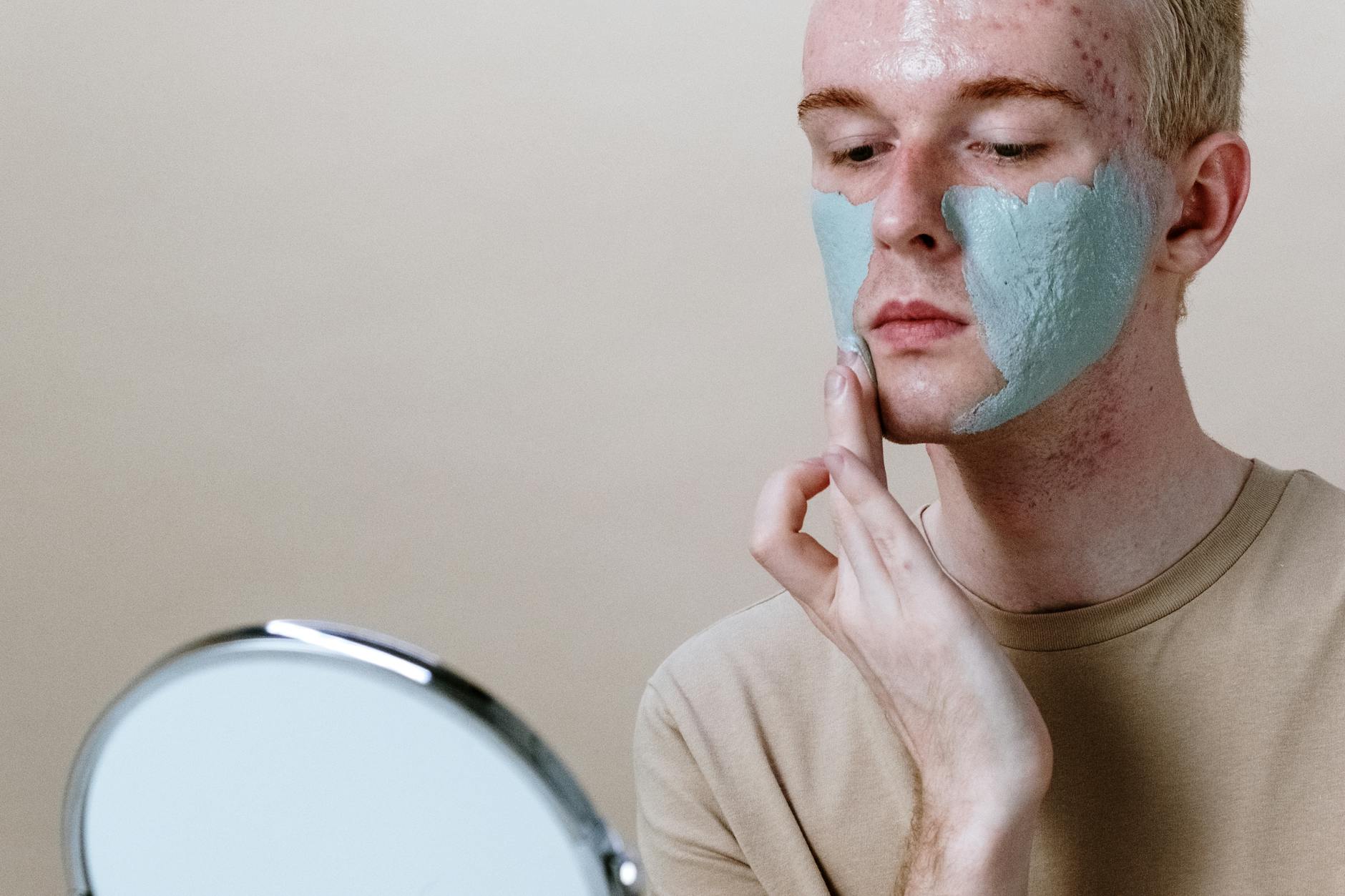
Beyond over-the-counter serums, dermatologists and estheticians now offer professional niacinamide treatments: high-concentration niacinamide boosters (15-20%) applied during facials, niacinamide-infused chemical peels, and even oral niacinamide supplements. A professional 15-20% niacinamide treatment can deliver faster, more dramatic results than home use, especially when combined with a gentler peel like lactic acid.
Some dermatologists recommend oral niacinamide supplementation (500-2000 mg daily) alongside topical application, though research on oral niacinamide for skin brightening is less robust than for topical use. The advantage of combining professional and at-home niacinamide is you get immediate boost from the high concentration plus cumulative benefits from daily topical use—many people report noticeably brighter skin within 3-4 weeks of starting professional treatments.
The Future of Niacinamide: Stronger Formulations and Combination Therapies
Skincare brands are increasingly developing stabilized, high-concentration niacinamide formulas that were previously unstable or irritating. Niacinamide derivatives like niacinamide tetrakis (NTPS) and other proprietary forms promise enhanced stability and deeper skin penetration.
As research continues, we’re also seeing more evidence supporting niacinamide in combination therapies: clinical trials are exploring niacinamide paired with tranexamic acid, kojic acid, or specific retinoid derivatives for additive brightening effects without excessive irritation. This suggests the future of brightening skincare won’t be single-ingredient solutions but rather carefully formulated multi-actives that leverage niacinamide’s strength as a stabilizing, barrier-supporting base while adding complementary brightening agents for faster results.
Conclusion
Niacinamide has earned its position as one of the most popular brightening ingredients because it delivers measurable results through a well-understood biological mechanism, is extremely safe across skin types, and works synergistically with virtually every other skincare ingredient you might be using. Whether you’re addressing post-acne dark marks, melasma, or general uneven tone, a consistent niacinamide regimen at 4-5% concentration will produce visible improvement within 4-8 weeks—and dramatic improvement within 3-6 months with daily use and consistent sun protection. The key to success is treating niacinamide as a long-term brightening investment rather than a quick fix.
Pair it with broad-spectrum SPF 30+ daily, introduce it consistently into your routine, and be realistic about timeline expectations. If you have mild-to-moderate discoloration and sensitive or acne-prone skin, niacinamide should be your first choice before moving to stronger or more irritating brightening agents. For stubborn, severe hyperpigmentation, consider combining niacinamide with professional treatments or prescription options—but niacinamide will remain your daily workhorse ingredient, protecting your skin barrier while those stronger treatments do their work.
Frequently Asked Questions
How long before I see results from niacinamide brightening?
Most people notice more even skin tone and reduced dark spot appearance within 4-8 weeks of daily use. Significant fading of hyperpigmentation typically takes 3-6 months, and very stubborn or old marks may take 6-12 months or require combination treatments.
Can I use niacinamide with vitamin C?
Yes, they work well together, though application order matters. Apply niacinamide first (since it’s more stable and gentler) and vitamin C afterward. Alternatively, use them in separate routines—vitamin C in the morning and niacinamide at night—to simplify and ensure both work optimally.
Is niacinamide safe for very sensitive or rosacea-prone skin?
Yes, niacinamide is one of the safest brightening ingredients for sensitive skin and actually helps calm rosacea-related redness. Start with a lower concentration (2-4%) and use every other day initially if your skin is extremely reactive, then increase frequency as tolerance builds.
Can niacinamide replace sunscreen for preventing future dark spots?
No. While niacinamide suppresses melanin transfer, sunscreen (SPF 30+) is what actually prevents UV-induced pigmentation. You must use both daily for optimal brightening—niacinamide fades existing marks, sunscreen prevents new ones from forming.
Is there a “best” niacinamide product brand?
Effectiveness depends more on concentration and formulation stability than brand. Look for products listing niacinamide in the top 5 ingredients, preferably with complementary hydrating ingredients like hyaluronic acid or centella asiatica. Products from dermatology-focused brands, Korean brands (which prioritize gentle brightening), and professional skincare lines tend to have stronger formulations.
Can I use niacinamide if I’m on prescription acne medication like Accutane?
Yes. In fact, dermatologists often recommend niacinamide to Accutane patients because it strengthens the skin barrier (which Accutane can compromise) and prevents post-inflammatory hyperpigmentation. Confirm with your dermatologist, but niacinamide is generally considered a complementary ally during isotretinoin therapy.