
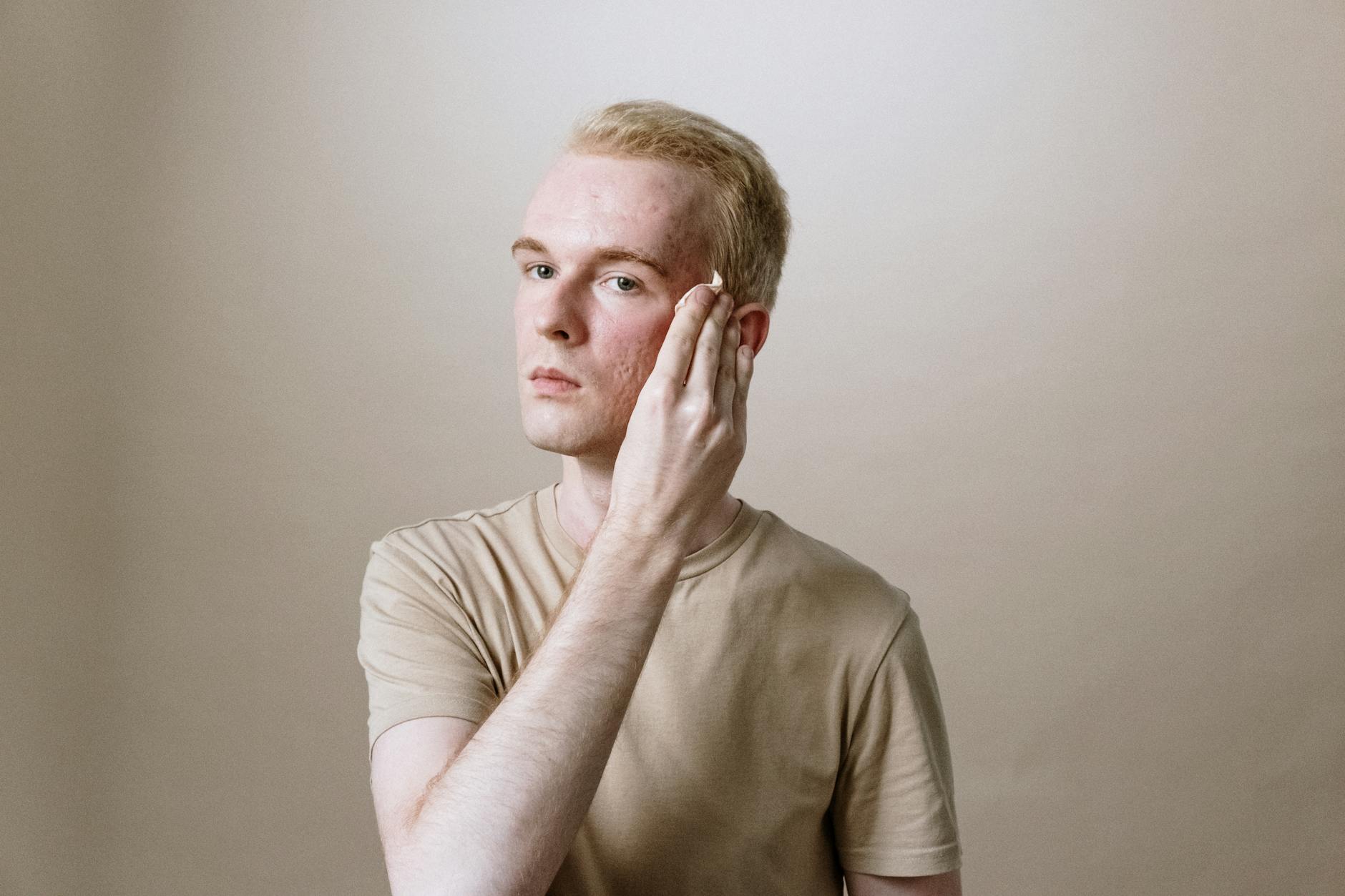
Hyperpigmentation is significantly more common and severe in darker skin tones due to fundamental differences in how melanocytes function and respond to inflammation. The key reason is biological: individuals with darker skin have more numerous melanosomes that transfer melanin to skin cells more efficiently, combined with genetic variations in melanin-production genes like MC1R, SLC24A5, TYR, and OCA2 that evolved in response to ancestral UV exposure patterns. When skin injury or inflammation occurs—whether from acne, eczema, or other trauma—these melanocytes in darker skin types mount a stronger and more persistent pigmentation response, creating dark marks that can take months or even years to fade. This article explains the genetic, biological, and inflammatory mechanisms behind this disparity, examines how skin type classification influences risk, explores what triggers hyperpigmentation in different populations, and discusses practical strategies for prevention and management.
Table of Contents
- What Genetic Factors Make Darker Skin Types More Prone to Hyperpigmentation?
- How Skin Type Classification Predicts Hyperpigmentation Risk
- Why Do Darker Skin Types Respond More Intensely to Inflammation?
- How Long Does Post-Inflammatory Hyperpigmentation Last, and Why Does It Persist Longer in Darker Skin?
- Post-Inflammatory Hyperpigmentation Versus Other Types of Hyperpigmentation
- Prevention Strategies for Hyperpigmentation-Prone Skin Types
- Emerging Understanding and Future Treatment Approaches
- Conclusion
What Genetic Factors Make Darker Skin Types More Prone to Hyperpigmentation?
The foundation of hyperpigmentation disparity lies in genetics. The MC1R gene, located on chromosome 16, is the primary controller of melanin production and regulates both tanning sensitivity and baseline skin color. Beyond MC1R, three other key genes—SLC24A5, TYR, and OCA2—contain allelic variants that influence how much melanin your melanocytes produce based on your ancestral genetic background. These genes didn’t evolve randomly; they’re direct evolutionary responses to UV exposure patterns in different geographic regions. People whose ancestors lived closer to the equator developed gene variants that produce more melanin, while those from northern regions developed variants producing less.
This isn’t just about color—it’s about how aggressively your body produces pigment in response to any stimulus, not just sun exposure. The difference becomes clear at the cellular level. Individuals with darker skin have melanosomes—the cellular structures that produce and store melanin—that are not only more numerous but also more efficient at transferring melanin to keratinocytes (the main skin cells). Additionally, the balance between two types of melanin matters: eumelanin (brown/black pigment) and pheomelanin (red/yellow pigment). People with darker skin tones typically have higher eumelanin-to-pheomelanin ratios, which means their baseline pigmentation is more dominant and their melanocytes are primed to respond robustly to inflammatory signals. When you add injury or inflammation on top of this already-active system, the result is more intense and longer-lasting pigmentation.
How Skin Type Classification Predicts Hyperpigmentation Risk
Dermatologists use the Fitzpatrick scale to categorize skin types I through VI, from very light to very dark. The statistics on hyperpigmentation distribution are stark: post-inflammatory hyperpigmentation (PIH) is significantly more common and severe in Fitzpatrick types III through VI (medium to very dark skin), while individuals with lighter skin types I through III more frequently experience solar lentigines—age spots from cumulative sun damage—rather than post-inflammatory marks. About 1 in 2 acne sufferers across all skin types experience some degree of hyperpigmentation, but the severity and prevalence diverge sharply by skin tone. In fact, up to 65% of individuals with darker skin tones who have acne develop post-inflammatory hyperpigmentation, compared to much lower rates in lighter skin types.
This isn’t a matter of perception; it’s a documented medical pattern. The practical implication is significant: dermatologists recognize postinflammatory hyperpigmentation as among the most common reasons individuals of African, Asian, and Latin American descent seek dermatological care. What this means is that if you have darker skin and experience acne, breakouts, eczema flare-ups, or other inflammatory skin conditions, you’re statistically likely to develop lasting pigmentation marks. The reverse is also true—lighter-skinned individuals are less likely to develop PIH from the same injury, though they remain vulnerable to sun-related pigmentation issues over time. Understanding your skin type classification isn’t just academic; it should inform how aggressively you manage inflammation and protect your skin from triggering events.
Why Do Darker Skin Types Respond More Intensely to Inflammation?
The most common triggers for hyperpigmentation are acne vulgaris, atopic dermatitis (eczema), and impetigo—all inflammatory conditions. When skin is injured or inflamed, it signals melanocytes to produce more melanin as a protective response. However, darker skin types show more reactive melanocytes and mount stronger inflammatory responses to injury. This reactivity isn’t a flaw; it’s the same mechanism that provides natural UV protection. The problem is that this protective response doesn’t distinguish between injury from acne inflammation and injury from other sources—it just sees “skin damage” and responds by producing pigment.
Consider someone with darker skin who develops moderate acne. The inflammation from the acne lesion itself triggers melanocyte activity, and even after the acne heals, the post-inflammatory hyperpigmentation can persist because the melanocytes remain activated. Someone with lighter skin experiencing the same acne severity might see the acne clear with minimal or no lasting pigmentation. This isn’t because darker skin is “more sensitive” in a fragile way; it’s because the melanin-production system is more robust and responsive. The challenge is managing that responsiveness—controlling inflammation quickly to prevent the melanocyte trigger from activating, or addressing hyperpigmentation once it’s established.
How Long Does Post-Inflammatory Hyperpigmentation Last, and Why Does It Persist Longer in Darker Skin?
One of the most frustrating aspects of post-inflammatory hyperpigmentation is its timeline. Although PIH often improves spontaneously over time, the process can take months to years to resolve completely. The darker your baseline skin color, the more intense and persistent the hyperpigmentation tends to be. Someone with very dark skin might have a dark mark from an acne lesion that takes 18 months to fade, while someone with lighter skin might see the same injury clear in 3 months. This difference relates back to both the baseline melanin load and the reactivity of the melanocyte system.
The persistence also depends on how deep the inflammation reached. Shallow inflammation might only trigger epidermal (surface-level) hyperpigmentation, which can fade faster. Deeper inflammation that reaches the dermal layer can create longer-lasting pigmentation because melanin has been deposited deeper in the skin where cell turnover is slower. In darker skin, the melanocyte response tends to be stronger, meaning more melanin is produced and potentially deposited deeper. This is why prevention—keeping inflammation minimal in the first place—becomes so important for people with darker skin tones. Once hyperpigmentation is established, waiting for natural resolution is often not practical for patients seeking clear skin.
Post-Inflammatory Hyperpigmentation Versus Other Types of Hyperpigmentation
It’s important to distinguish post-inflammatory hyperpigmentation from other hyperpigmentation types because treatment and prognosis differ. PIH is triggered by skin injury or inflammation—acne, eczema, cuts, burns, or even aggressive treatments like chemical peels. Solar lentigines, by contrast, are caused by cumulative sun exposure over years and appear more commonly in lighter skin types, though anyone can develop them. Melasma, another common hyperpigmentation pattern, is typically triggered by hormonal changes and is more common in darker and medium skin tones, particularly in women.
Freckles are determined by genetics and appear primarily in lighter skin types. The reason this distinction matters is that lighter-skinned individuals may assume they’re “safe” from hyperpigmentation, when in reality they’re just at lower risk for PIH specifically. They remain vulnerable to solar lentigines if they have cumulative sun exposure without protection. Meanwhile, someone with darker skin might develop both PIH from acne and melasma from hormonal shifts, compounding their hyperpigmentation concerns. Recognizing which type you’re dealing with—or which types you’re at risk for—helps guide appropriate prevention and treatment strategies.
Prevention Strategies for Hyperpigmentation-Prone Skin Types
For individuals with darker skin tones, the most effective approach to hyperpigmentation is prevention. This means aggressive inflammation management: treating acne quickly with appropriate medications, avoiding picking or manipulating lesions, and protecting skin from injury. If you have darker skin and are prone to acne, using proven acne treatments early prevents the inflammation that triggers melanocytes in the first place. It’s more effective to prevent the dark mark than to treat it after the fact. Similarly, if you have eczema or other inflammatory conditions, managing them well reduces hyperpigmentation risk.
Sun protection also plays a role, though it works differently in darker skin. While UV protection is less critical for preventing hyperpigmentation (since darker skin has inherent UV protection), sun exposure can darken existing hyperpigmentation marks, making them more visible. Using broad-spectrum SPF 30 or higher daily helps prevent existing marks from becoming more pronounced. Avoiding trauma to the skin—harsh scrubbing, picking, unnecessary procedures—is equally important. For anyone with darker skin considering cosmetic procedures or treatments, discussing hyperpigmentation risk with a dermatologist beforehand is essential, as some procedures carry higher PIH risk in darker skin types.
Emerging Understanding and Future Treatment Approaches
Dermatological research continues to evolve around hyperpigmentation in darker skin tones. As scientists better understand the specific melanocyte responses in different skin types, new treatment approaches are emerging—from targeted topical inhibitors of melanin production to laser and light-based therapies specifically calibrated for darker skin. The key advancement has been recognizing that darker skin isn’t just “more pigmented”—it has fundamentally different melanocyte biology that requires different treatment strategies. What works for solar lentigines in light skin may not work for PIH in dark skin, and vice versa.
The field is moving toward personalized dermatology based on skin type and genetic background. This means more specific, effective treatments tailored to how hyperpigmentation develops in different populations, rather than one-size-fits-all approaches. For people dealing with hyperpigmentation now, this research translates to better options becoming available as these treatments move from research into clinical practice. The bottom line is that hyperpigmentation in darker skin types is a well-documented, biologically understood condition—not a limitation of the skin, but a characteristic that warrants specific, informed management.
Conclusion
Hyperpigmentation is more common and persistent in darker skin types due to a combination of genetic factors, cellular differences in melanin production and transfer, and stronger inflammatory responses to skin injury. The genes controlling melanin production (MC1R, SLC24A5, TYR, OCA2) contain variants that increase melanin output, and melanocytes in darker skin are both more numerous and more efficient at transferring pigment. When inflammation occurs—from acne, eczema, or trauma—this robust system responds with persistent pigmentation that can take months or years to resolve. Up to 65% of people with darker skin who have acne develop post-inflammatory hyperpigmentation, compared to much lower rates in lighter skin types.
The practical takeaway is clear: if you have darker skin, preventing hyperpigmentation is more effective than treating it after the fact. This means aggressive inflammation management, quick treatment of acne and other skin conditions, sun protection to prevent darkening of existing marks, and avoiding skin trauma. Understanding your skin type and the biological reasons behind your hyperpigmentation risk is the first step toward making informed choices about skincare and treatments. As dermatological research advances, more targeted and effective options are becoming available—but early prevention remains your most powerful tool.