
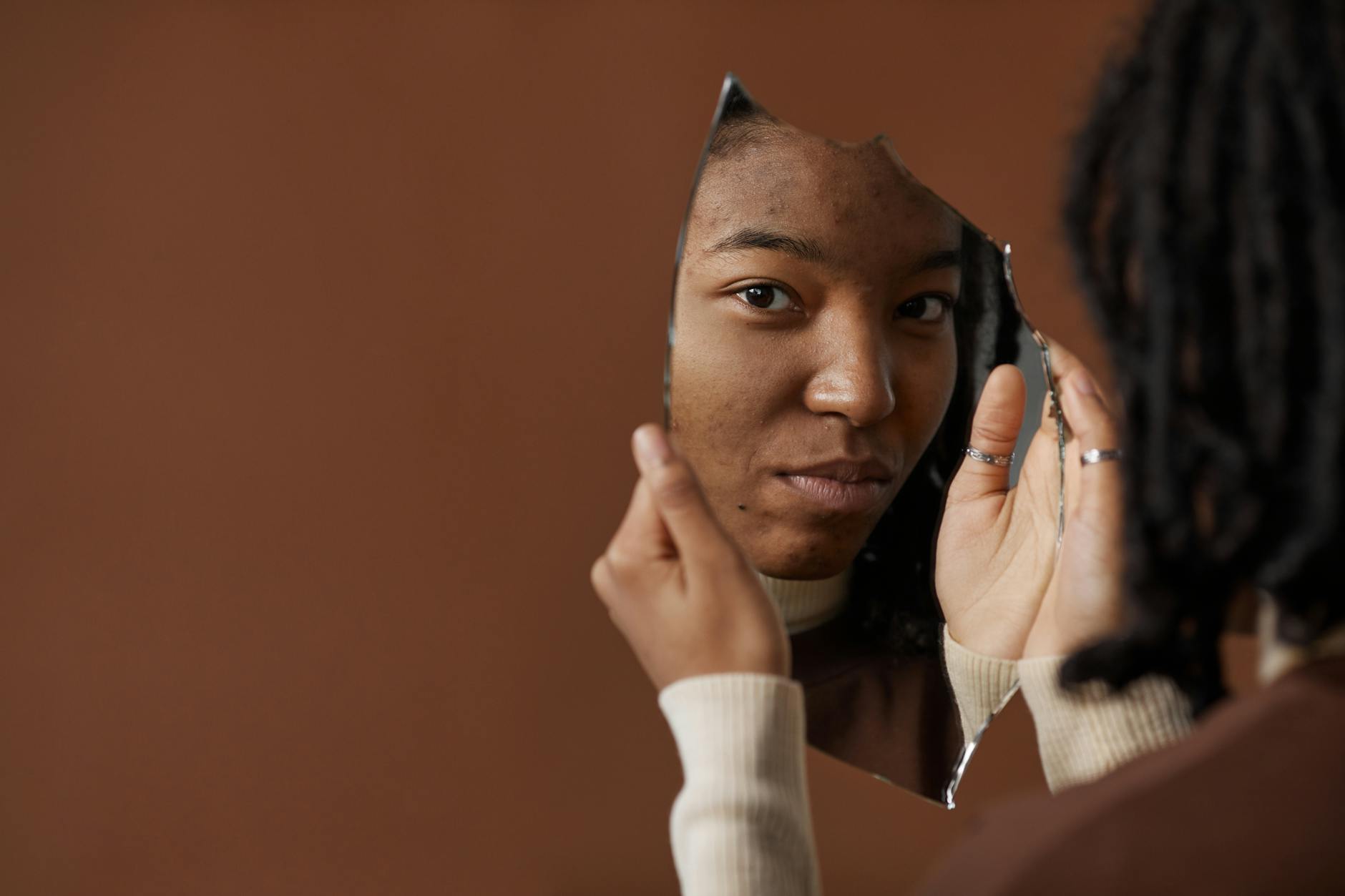
Dark marks that appear after acne heals are usually caused by post-inflammatory hyperpigmentation (PIH), a common response where melanin accumulates in the areas where pimples once were. Unlike true scars, which involve permanent changes to skin texture and collagen, these marks are typically flat, dark patches that sit on the skin’s surface and fade over time—sometimes in weeks, but often taking several months to a year or more depending on skin tone and sun exposure. For example, if you had moderate acne on your cheeks and now notice dark brown or gray patches where the breakouts were, that’s PIH at work. The good news is that these marks are not permanent damage, though they can be frustrating to look at while waiting for them to fade naturally.
The darkness occurs because your skin’s healing response goes into overdrive after inflammation from acne. When a pimple forms, it triggers an inflammatory cascade that can stimulate melanocytes (the cells that produce pigment) to create extra melanin as part of the healing process. This is your body’s way of protecting the healing skin, but the result is hyperpigmentation that lingers. This article covers what causes these marks, why some people are more prone to them, how factors like sun exposure and skin picking make them worse, and what treatment options exist to speed up the fading process.
Table of Contents
- Why Does Acne Leave Dark Marks on the Skin?
- The Role of Skin Inflammation and the Healing Timeline
- Why Skin Tone Makes a Significant Difference
- How Sun Exposure Accelerates and Darkens Marks
- The Difference Between Hyperpigmentation Marks and True Acne Scars
- How Picking and Trauma Worsens Hyperpigmentation
- Treatment Options and the Path Forward
- Conclusion
- Frequently Asked Questions
Why Does Acne Leave Dark Marks on the Skin?
The primary mechanism behind dark marks is melanin overproduction during the inflammatory healing phase. When acne lesions form, they cause inflammation that signals your skin to produce protective melanin. In people with deeper skin tones—particularly those with more melanin-producing capacity—this response is often exaggerated, leading to more noticeable and longer-lasting hyperpigmentation. This is why post-inflammatory hyperpigmentation is far more common and visible in individuals with darker skin and is one of the most frequent acne complications for this population.
The depth and intensity of the original acne also matters. A severe inflamed nodule or cyst will trigger a much stronger inflammatory response than a small whitehead, which means more melanin production and potentially darker marks. In contrast, non-inflammatory acne like blackheads and whiteheads rarely leave dark marks at all, since they don’t generate the same internal inflammation that signals the melanin response. This is an important distinction because it explains why some people develop extensive post-inflammatory hyperpigmentation while others barely notice any marks.
The Role of Skin Inflammation and the Healing Timeline
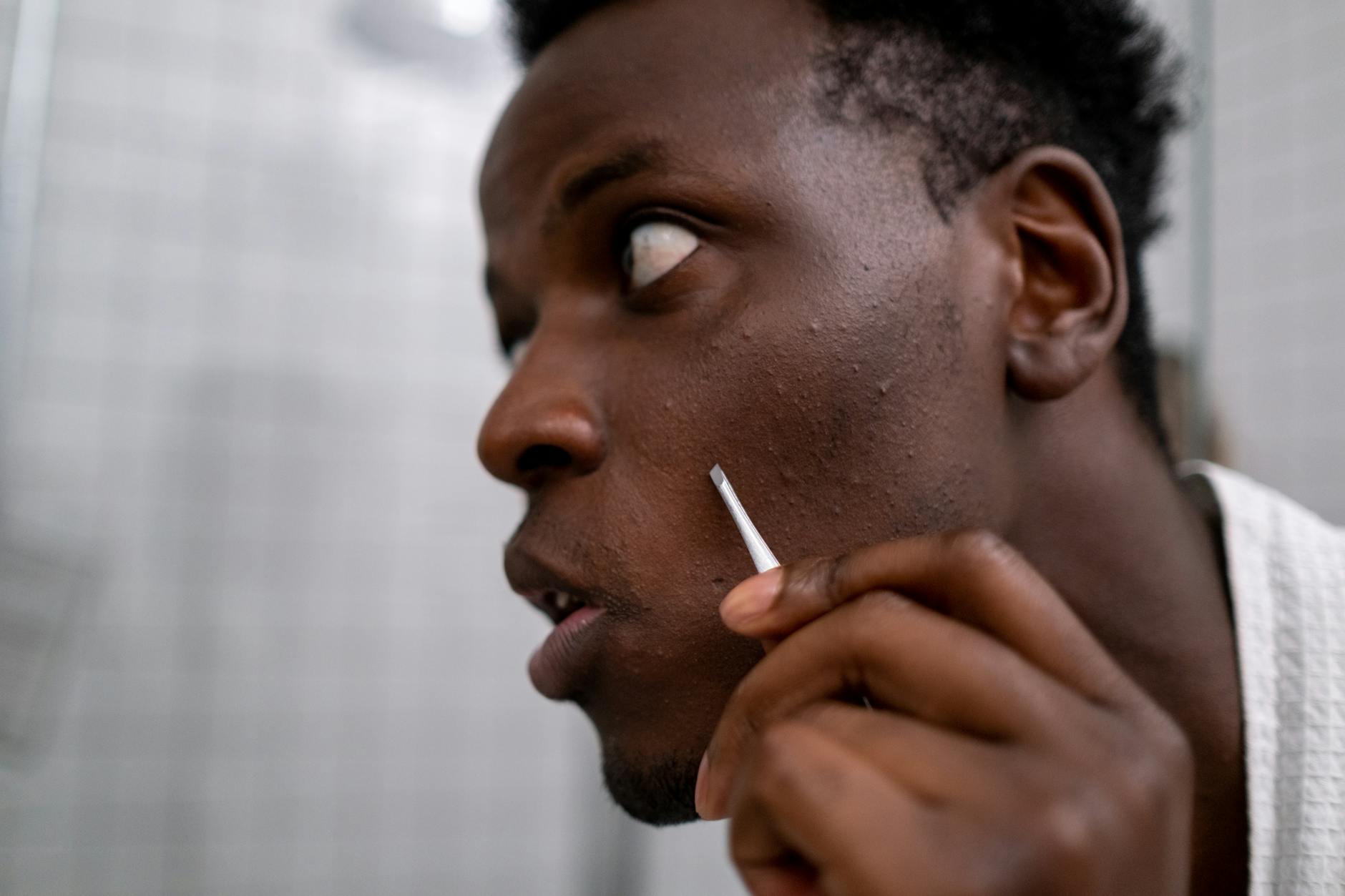
Post-inflammatory hyperpigmentation develops during the healing phase when your skin is actively repairing itself. In the weeks immediately after a pimple heals, the inflammation subsides but the melanin remains concentrated in that area. Your body will gradually break down and reabsorb this excess melanin over time through normal cellular turnover, but this process moves slowly—especially in mature skin or when cellular turnover is sluggish.
However, if you continue to have active breakouts in the same areas, new waves of inflammation keep triggering more hyperpigmentation, which is why consistent acne treatment is crucial for preventing additional marks from forming. A key limitation to understand is that the natural fading timeline is unpredictable. Younger skin with faster cell turnover might fade PIH in three to six months, while the same marks on someone over 40 or with naturally slow turnover might take a year or longer. Additionally, inflammation from picking at healing acne or using overly harsh treatments can reactivate the healing process and potentially deepen the hyperpigmentation, turning a temporary mark into a more stubborn one.
Why Skin Tone Makes a Significant Difference
Darker skin produces melanin more readily and in higher concentrations than lighter skin—this is a biological advantage for sun protection, but it also means the skin’s natural response to inflammation includes producing more pigment. When post-inflammatory hyperpigmentation occurs in darker skin tones, it’s often more pronounced and takes considerably longer to fade. Someone with a deep skin tone might see marks that are nearly black or dark gray, whereas someone with fair skin might notice only faint brown spots in the same situation.
This difference isn’t just about color intensity; it’s about the visibility and impact on appearance. A fair-skinned person with PIH might see marks fade to nearly imperceptible within six months, while a person with darker skin dealing with the same acne severity could have noticeable marks for a year or more. This is why dark-skinned individuals sometimes face a compounding challenge: not only are acne breakouts more common in certain communities due to environmental and health factors, but the resulting hyperpigmentation is also more visible and persistent. Understanding this biological reality is important for setting realistic expectations about healing timelines.

How Sun Exposure Accelerates and Darkens Marks
Sun exposure is one of the most significant modifiable factors that worsens post-inflammatory hyperpigmentation. UV rays stimulate melanin production throughout the skin, and areas that already have excess melanin from PIH will absorb UV rays and become even darker in response. This is why acne marks that fade nicely during winter months often seem to darken and become more noticeable again in summer if sun protection isn’t maintained.
A practical example: if you had moderate acne in February and developed marks, then spent a week at the beach in June without sunscreen, those marks would likely become noticeably darker within days. The tradeoff is that rigorous sun protection—using broad-spectrum SPF 30 or higher daily, wearing protective clothing, and minimizing midday sun exposure—can reduce the timeline for fading by preventing the marks from getting darker. In some cases, strict sun avoidance can help marks fade in half the time compared to someone who doesn’t protect from UV rays. However, this requires consistent effort year-round, not just during peak summer months, since even winter sunlight and incidental sun exposure throughout daily activities can stimulate melanin production if the marks are exposed.
The Difference Between Hyperpigmentation Marks and True Acne Scars
An important distinction that many people miss is that dark marks are not the same as scarring. Post-inflammatory hyperpigmentation is a pigmentation issue only—the skin texture, collagen, and structural integrity remain unchanged. In contrast, true acne scars involve permanent damage to the collagen structure, resulting in either indented, bowl-shaped atrophic scars or raised, thick hypertrophic scars.
This distinction matters because PIH will fade naturally over time (even if slowly), whereas true scars will not disappear without professional treatment. The warning here is that if you have marks that feel smooth and flat to the touch, they’re almost certainly PIH or post-inflammatory erythema (red marks from inflammation), not scars. However, if you have marks that have a visible dent or indent when you stretch the skin, or if they feel raised and thick, those are structural scars that require professional intervention like microneedling, laser resurfacing, or dermal fillers. Many people panic and assume their dark marks are permanent scars when they’re actually temporary hyperpigmentation, leading to unnecessary anxiety or premature pursuit of expensive treatments.
How Picking and Trauma Worsens Hyperpigmentation
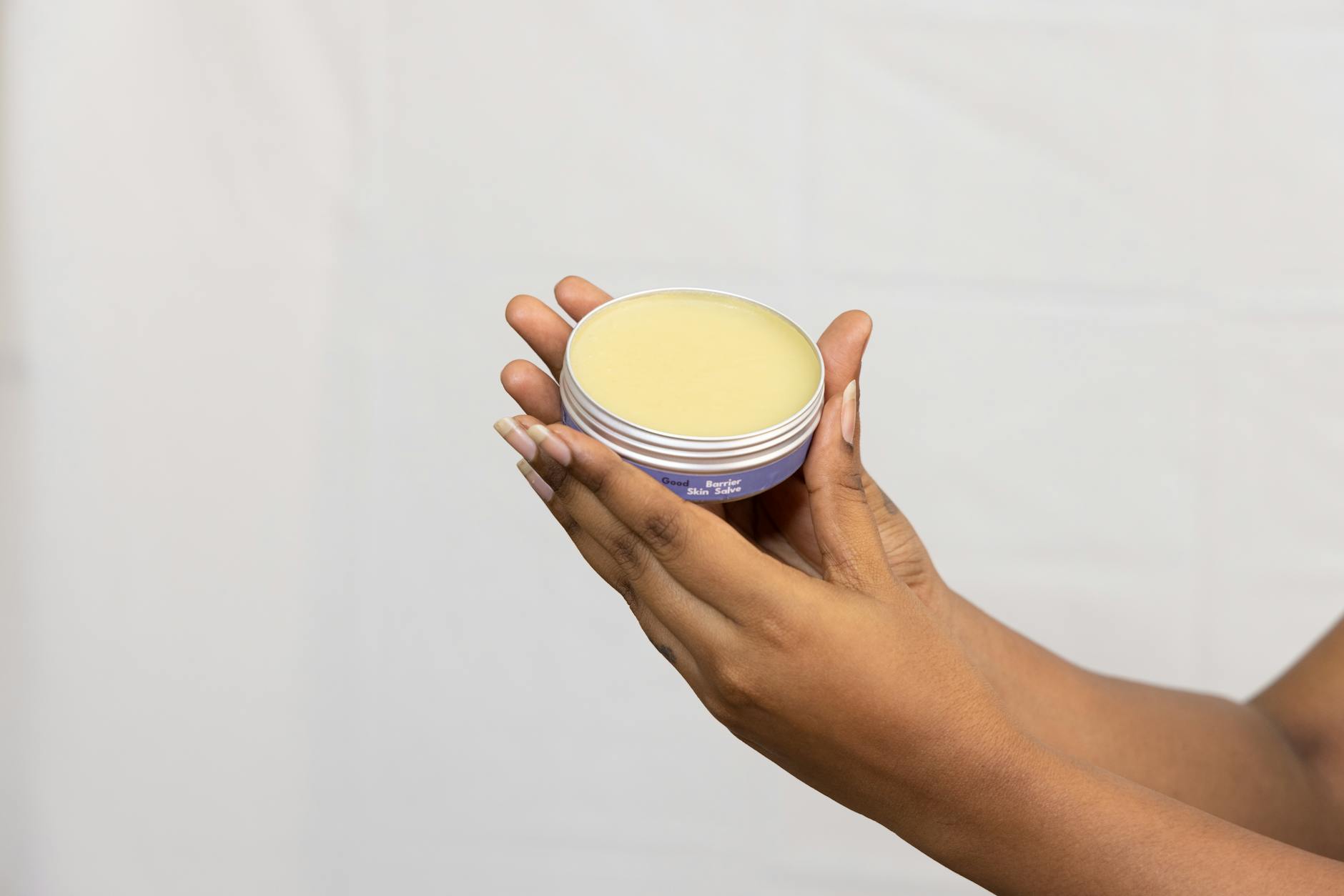
Picking, squeezing, or otherwise traumatizing healing acne dramatically intensifies post-inflammatory hyperpigmentation. Each time you pick at a pimple or a healing lesion, you’re re-traumatizing the skin and restarting the inflammatory healing process, which means another round of melanin production. A pimple that might have left only a faint mark if left alone can develop into a dark, stubborn patch if picked repeatedly.
This is why dermatologists emphasize not picking, even though the temptation is strong when you can see a whitehead. An example: two people with identical moderate acne on the chin—one resists picking and lets pimples heal naturally, the other picks at every lesion. After four weeks, the non-picker might have faint marks that fade to nearly invisible in three months, while the picker has noticeably darker, more defined patches that persist for six months or longer. Additionally, picking can sometimes break the skin barrier and introduce bacteria, turning a simple pimple into a more severe lesion that heals with more inflammation and more intense hyperpigmentation.
Treatment Options and the Path Forward
While post-inflammatory hyperpigmentation will eventually fade on its own, several evidence-based treatments can accelerate the process. Topical treatments containing vitamin C, niacinamide, azelaic acid, or hydroquinone can inhibit melanin production and help marks fade faster. Professional treatments like chemical peels, microdermabrasion, or laser therapies (particularly laser treatments designed for pigmentation) can also reduce the appearance of marks significantly, though these require multiple sessions and carry some upfront cost.
The reality is that for mild to moderate marks, consistent sun protection and patience might be sufficient, while moderate to severe marks often benefit from professional intervention. The future outlook for dark marks is increasingly optimistic as newer laser technologies and combination treatments become more accessible. Fractional laser treatments, in particular, have shown promise for reducing both PIH and structural scarring simultaneously, addressing multiple types of post-acne damage in one treatment course. However, these options work best when combined with rigorous sun protection and clear, acne-free skin—ongoing breakouts will continue to generate new marks, undermining the benefits of treatment.
Conclusion
Dark marks after acne heals are caused primarily by post-inflammatory hyperpigmentation, an overproduction of melanin during the skin’s inflammatory healing response. These marks are not permanent scars and will fade naturally over time, though the timeline varies based on skin tone, age, sun exposure, and the severity of the original acne. Sun protection is the single most important modifiable factor in managing hyperpigmentation, as UV exposure darkens existing marks and slows their natural fading.
Your next step depends on how long you’re willing to wait and how noticeable your marks are. If they’re mild and you have patience, consistent sun protection and time will likely resolve them within a few months to a year. If they’re more prominent or you want to speed up the process, consulting a dermatologist about topical treatments or professional laser therapies can significantly reduce the timeline. In all cases, preventing future marks by treating active acne early, resisting the urge to pick, and protecting your skin from sun damage remains the most effective long-term strategy.
Frequently Asked Questions
How long does it take for dark marks to fade on their own?
Most post-inflammatory hyperpigmentation fades within six to twelve months, though some marks can persist longer depending on skin tone, sun exposure, and cell turnover rate. Darker skin tones typically experience longer fading timelines—sometimes eighteen months or more—compared to lighter skin.
Can dark marks come back after they fade?
No, once hyperpigmentation fades, it won’t return unless new acne-induced inflammation occurs in the same area. However, if you continue to experience breakouts in the same locations, new marks will form alongside or near the old ones.
Are dark marks and acne scars the same thing?
No. Dark marks are flat pigmentation issues that fade naturally, while scars involve permanent collagen damage and indented or raised skin texture. You can have both simultaneously—hyperpigmentation can make scars appear darker and more noticeable.
Does moisturizer or special skincare speed up fading?
A good moisturizer supports skin barrier health and can make skin feel smoother, but it doesn’t significantly speed up hyperpigmentation fading. Products with vitamin C, niacinamide, or azelaic acid have some evidence for helping, though their effects are modest compared to professional treatments.
Should I avoid sunscreen because I want my marks to fade?
Absolutely not—sunscreen is essential. Sun exposure darkens marks and slows fading significantly. Using SPF 30 or higher daily is one of the most effective ways to ensure marks fade as quickly as possible.
Is it worth getting laser treatment for dark marks?
Laser treatment can reduce marks in four to six sessions, making it worthwhile if marks are bothering you and you don’t want to wait a year for natural fading. However, the cost ($100-500 per session) and downtime should factor into your decision. For mild marks, sun protection and patience might be sufficient.