Maintaining clear skin after acne improves requires treating acne as a chronic condition that needs sustained management, not a temporary problem solved by a course of treatment. The single most important step is continuing long-term retinoid use—medications like tretinoin or adapalene that work by normalizing follicular behavior must be used continuously to prevent relapse, not just during active breakouts. For example, someone who achieves clear skin with a six-month course of adapalene and then stops using it will likely experience a return of breakouts within weeks or months because the underlying follicular dysfunction returns. This article covers the evidence-backed strategies dermatologists recommend to maintain clear skin indefinitely: the medications and products that prevent recurrence, the lifestyle factors that increase your risk of relapse, and the emerging 2026 approaches to personalized maintenance.
Many people approach acne treatment as if “fixing” the acne means they’re done—that once breakouts stop, they can stop treating it. That assumption costs people years of preventable relapse. Dermatologists now emphasize that acne recurrence typically means the skin needs sustained maintenance therapy rather than indicating treatment failure. The difference between people whose acne stays clear and people who cycle through repeated breakouts is often just one thing: consistent, long-term prevention rather than sporadic, intermittent treatment.
Table of Contents
- Why Retinoids Must Be Continuous, Not Seasonal
- Sun Protection as a Non-Negotiable Maintenance Step
- Acne as a Chronic Condition—Reframing Relapse
- The Lifestyle Risk Factors You Can Control
- Non-Modifiable Risk Factors and What to Do About Them
- Pillowcase Hygiene and Other Practical Protections
- Emerging 2026 Maintenance Strategies and Personalized Approaches
- Conclusion
Why Retinoids Must Be Continuous, Not Seasonal
Topical retinoids like tretinoin and adapalene prevent acne relapse by normalizing the way skin cells shed inside the follicle, but this effect requires ongoing use. The moment you stop, the follicular dysfunction that caused your acne can return. This is not a sign that the medication “stopped working”—it’s simply how the biology works.
Your acne may have improved because the retinoid corrected the abnormal shedding pattern, but once you discontinue it, that pattern can resume within weeks. The practical consequence is that tretinoin and adapalene are maintenance medications, similar to how someone with high blood pressure takes blood pressure medication daily, not just when their blood pressure is high. Some people successfully move to lower doses for maintenance (for instance, using tretinoin 0.025% two to three times per week instead of nightly) to minimize irritation while preserving results, but the goal is never zero use. If irritation or sensitivity is your barrier to continuing, talk to a dermatologist about lower concentrations, buffering techniques, or less frequent schedules—stopping entirely is almost guaranteed to bring acne back.
Sun Protection as a Non-Negotiable Maintenance Step
Daily sunscreen with SPF 30 or higher is essential after acne improves, but not for the reason most people assume. Yes, retinoids increase photosensitivity, but the bigger concern is preventing hyperpigmentation and post-acne dark spots from worsening. These residual marks—also called post-inflammatory hyperpigmentation—can persist for months or even years after active acne clears, and sun exposure darkens them noticeably. Someone who spent six months clearing acne but then spends the summer without sunscreen can watch their dark spots deepen and persist longer.
This means daily sunscreen even on cloudy days and even if you’re mostly indoors. Hyperpigmentation is one of the most frustrating consequences of acne because it lasts long after the acne itself is gone, and sun exposure directly slows its fading. If you skip sunscreen during the day and then use hyperpigmentation-targeting treatments (vitamin C, hydroquinone, retinol, niacinamide) at night, you’re working against yourself. The sunscreen is not optional if you want your skin to fade those marks efficiently.
Acne as a Chronic Condition—Reframing Relapse
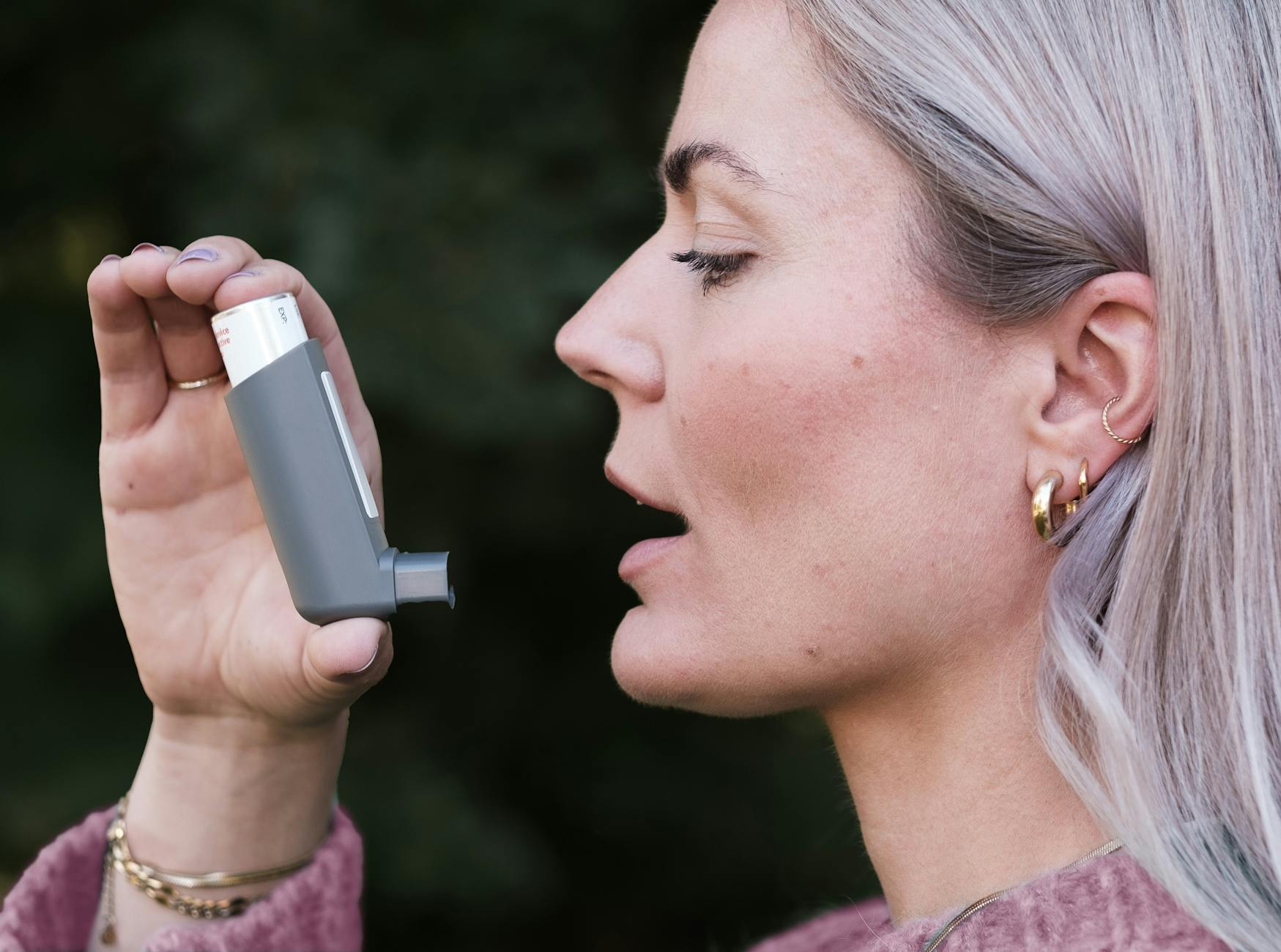
One of the biggest conceptual shifts that dermatologists have been emphasizing is that acne is fundamentally a chronic condition, like asthma or diabetes, not a temporary illness you catch and then recover from permanently. This reframing changes everything about how people approach maintenance. Someone with asthma doesn’t expect to use their inhaler for three months and then never need it again; they understand ongoing management is normal.
Acne works the same way. This means that if your skin flares again after a period of clear skin, it doesn’t mean the treatment failed or your skin “relapsed into acne.” It means your skin is showing you that it needs continued maintenance—the same message an asthma flare sends. Recognizing this prevents the all-or-nothing thinking that often derails people: they stop their retinoid because they “shouldn’t need it anymore,” experience a flare, feel defeated, and then abandon skincare entirely. Understanding acne as chronic gives you permission to use maintenance therapy indefinitely without guilt or the expectation that you’ll ever be “done” treating it.
The Lifestyle Risk Factors You Can Control
A 2025 study published in the Journal of Cosmetic Dermatology identified multiple lifestyle factors that significantly increase your risk of acne recurrence after treatment. The modifiable ones—factors you can actually change—are sleep quality, eating habits, and alcohol and tobacco use. The study found that staying up late, poor eating habits, smoking, and alcohol consumption all correlated with higher recurrence rates. People maintaining clear skin long-term tend to prioritize consistent sleep, a balanced diet, and avoiding smoking and excessive alcohol.
The importance of sleep is particularly striking because it’s actionable. Someone consistently getting five to six hours per night is at higher recurrence risk than someone getting seven to nine hours. This isn’t because short sleep “causes” acne, but because sleep deprivation impairs immune function and increases inflammatory signaling—exactly the conditions that make follicles more prone to bacterial overgrowth and irritation. If you’re treating acne but regularly staying up late, you’re undermining your treatment. Similarly, eating habits matter; while no single food “causes” acne universally, eating patterns that promote systemic inflammation appear to increase recurrence risk for people genetically prone to acne.
Non-Modifiable Risk Factors and What to Do About Them
The same 2025 study identified several risk factors you cannot change directly: high BMI, depression and anxiety scores, and genetic predisposition. This doesn’t mean people with these risk factors are doomed to relapse—it means they may need more aggressive or longer-term maintenance. For example, someone with higher BMI or significant depression/anxiety may need to stay on their retinoid longer-term, use it at higher concentrations, or combine it with other prevention strategies (better sleep, dietary changes, potentially supplementation with DIM for hormonal acne).
The depression and anxiety finding is particularly important because these conditions often reduce adherence to skincare routines—stress and depression can make even simple daily tasks feel overwhelming. If you’re experiencing depression or anxiety, being honest about that with your dermatologist is crucial. They might adjust your maintenance plan to be simpler (fewer products, longer-spacing between doses) or potentially discuss whether addressing the mental health underlying the stress might also help prevent acne flares, since both depression/anxiety and acne often share inflammatory mechanisms.
Pillowcase Hygiene and Other Practical Protections
Research has identified weekly pillowcase replacement as a statistically protective factor against acne recurrence. This might sound minor compared to retinoids and sunscreen, but it’s one of the few acne-prevention measures that costs almost nothing and has been documented in research to reduce relapse risk. The reason is mechanical: your pillowcase accumulates sebum, dead skin cells, bacteria, and product residue every night. A clean pillowcase minimizes exposure to these accumulated irritants and bacteria.
If you’re someone prone to relapse, weekly pillowcase changes are a simple, evidence-backed habit to add. Beyond pillowcase replacement, minimizing prolonged electronic device use also appeared as a protective factor in the 2025 study. Prolonged phone, computer, or tablet use correlates with higher recurrence rates, likely because device screens can harbor bacteria and because screen-viewing often happens during late-night hours (connecting back to the sleep factor). The practical takeaway: if you’re recovering from acne, phone-chin contact (cradling your phone between chin and shoulder), extended screen time in the evening, and sleeping with devices in bed are all patterns worth minimizing.
Emerging 2026 Maintenance Strategies and Personalized Approaches
Recent dermatological approaches for maintenance are moving toward personalization and combination therapies rather than one-size-fits-all regimens. AI-personalized skincare systems can now analyze your individual skin responses and adjust maintenance recommendations based on environmental factors, hormonal timing, and product interactions.
Postbiotic therapies—fermented ingredients and probiotic-derived compounds that support the skin’s microbiome—are gaining traction as adjuncts to retinoid therapy, potentially reducing irritation and improving long-term tolerance. New retinol systems with reduced irritation profiles are also enabling better long-term compliance; someone who couldn’t tolerate tretinoin nightly might do better with encapsulated retinol or time-release formulations that maintain efficacy with less irritation. For hormonal acne specifically, targeted supplementation with DIM (diindolylmethane, a compound from cruciferous vegetables) is being combined with topical and systemic treatments as a “inside-out” approach to maintenance, addressing both the follicular and hormonal aspects of acne vulnerability.
Conclusion
Maintaining clear skin after acne improves requires accepting that acne is a chronic condition needing long-term management, not a temporary problem with a finish line. The foundational steps are straightforward: use your retinoid continuously (not seasonally), apply SPF 30+ daily, replace your pillowcase weekly, and attend to the lifestyle factors you can control—sleep, diet, stress, avoiding smoking and excess alcohol. These habits alone prevent relapse in most people, but they only work if they’re sustained indefinitely.
If you do experience a flare despite maintenance efforts, the appropriate response is to intensify maintenance temporarily—increase retinoid frequency, consider adding an acne-fighting treatment, boost sunscreen use—not to abandon the routine. The 2026 landscape offers increasingly personalized options, from AI-guided skincare to postbiotic adjuncts to targeted supplementation, that can help you find a maintenance regimen that fits your life long-term. Talk to your dermatologist about building a sustainable plan now, rather than discovering in six months that you’ve drifted away from the habits that kept your skin clear.