
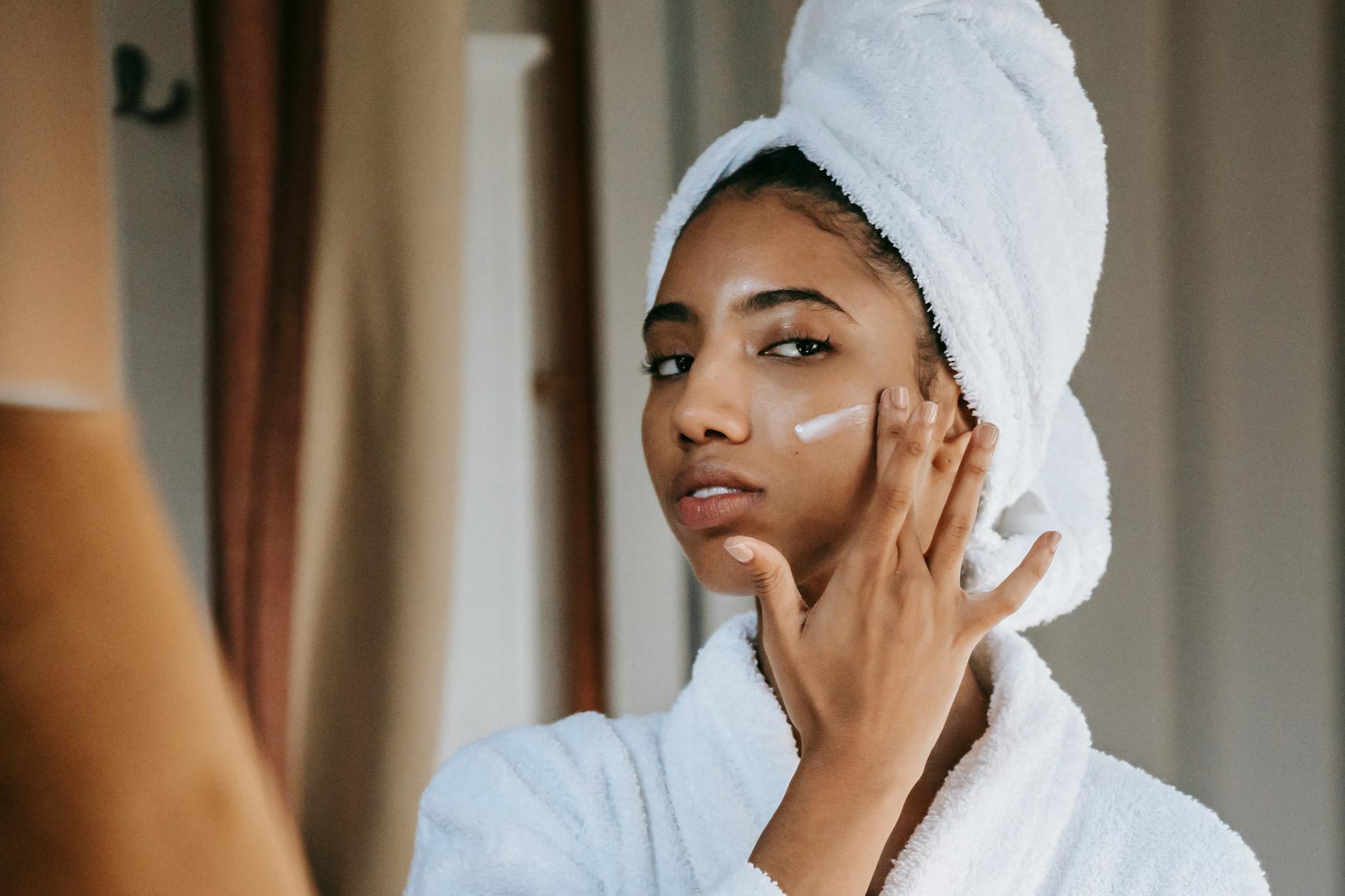
Lightweight moisturizers work better for acne-prone skin because they hydrate without creating an occlusive barrier that traps bacteria and sebum. Heavy, occlusive moisturizers sit on the skin’s surface and can exacerbate breakouts by preventing natural oil regulation and trapping inflammatory compounds. When you use a properly formulated lightweight moisturizer—one with hydrating ingredients like hyaluronic acid or glycerin but minimal occlusives—you address the paradox that acne-prone skin actually needs hydration to function optimally, while avoiding the trigger that makes breakouts worse.
The conventional wisdom that acne-prone skin shouldn’t be moisturized is outdated and often backfires. Dehydrated skin overcompensates by producing excess sebum, which paradoxically creates more oiliness and worse acne. This article covers why hydration matters for acne-prone skin, how to distinguish lightweight moisturizers from problematic formulations, which ingredients to prioritize and avoid, how to integrate moisturizers into acne-fighting routines, and what to watch for when transitioning to proper hydration.
Table of Contents
- How Do Heavy Moisturizers Aggravate Acne-Prone Skin?
- What Makes a Moisturizer Lightweight vs. Heavy?
- Which Hydrating Ingredients Are Best for Acne-Prone Skin?
- How Should You Integrate Lightweight Moisturizers Into an Acne-Fighting Routine?
- What About Lightweight Moisturizers That Still Cause Breakouts?
- Lightweight Moisturizers and Barrier Recovery
- The Future of Acne-Friendly Hydration Technology
- Conclusion
- Frequently Asked Questions
How Do Heavy Moisturizers Aggravate Acne-Prone Skin?
Heavy moisturizers typically contain high concentrations of occlusive ingredients like petrolatum, mineral oil, lanolin, or thick plant butters designed to seal the skin. For acne-prone skin, this occlusion creates a hypoxic environment where Cutibacterium acnes (formerly Propionibacterium acnes)—the bacteria primarily responsible for inflammatory acne—thrives. The sealed environment traps bacterial metabolites and inflammatory byproducts, intensifying irritation and prolonging breakout duration. Additionally, the occlusive layer prevents natural desquamation (dead cell shedding), leading to buildup and comedone formation.
Consider the difference between a 15-year-old who uses a lightweight gel moisturizer versus one who applies their mother’s rich night cream. Within days, the latter person often experiences increased congestion, whiteheads, and small pustules concentrated where the heavy cream was applied. The mechanism isn’t that moisturizing is bad—it’s that the formulation type matters significantly. Lightweight alternatives deliver the same hydration benefit without the bacterial-enabling occlusion.
What Makes a Moisturizer Lightweight vs. Heavy?
Lightweight moisturizers achieve hydration through humectants (water-binding ingredients) rather than occlusives. Humectants like hyaluronic acid, glycerin, sorbitol, and panthenol draw moisture into the epidermis and have minimal surface residue. These products absorb quickly, don’t leave a greasy feel, and maintain skin‘s natural breathability. Heavy moisturizers, by contrast, rely primarily on occlusives that sit on the surface—they prevent water loss but don’t add moisture, and they restrict oxygen exchange.
However, completely occlusive-free moisturizers sometimes underperform in very dry or winter conditions. If your acne-prone skin is also genuinely dry (not just dehydrated), you may need a lightweight moisturizer with a minimal amount of silicone-based occlusives or caprylic/capric triglycerides rather than a pure humectant gel. The key is minimizing occlusion, not eliminating it entirely. A product with 30-40% water and humectants plus 5-10% lightweight silicones or plant-derived occlusives can hydrate acne-prone skin without triggering breakouts in the way a 70% occlusive product would.
Which Hydrating Ingredients Are Best for Acne-Prone Skin?
The most effective humectants for acne-prone hydration include hyaluronic acid (which holds up to 1000 times its weight in water), glycerin (a proven hydrator that’s also non-comedogenic), and niacinamide (which regulates sebum production while hydrating). These ingredients work at the molecular level to pull water into skin cells, addressing dehydration without the comedogenic risk of occlusives.
Panthenol (provitamin B5) is another excellent choice—it hydrates and has anti-inflammatory properties that can actually reduce acne-related redness. A specific example: someone using a hyaluronic acid serum followed by a lightweight gel moisturizer containing glycerin can achieve hydration equivalent to a heavy cream, but with measurably better acne outcomes. Studies on acne-prone subjects show that when hydration increases (assessed via skin conductivity), sebum production often decreases, creating a paradoxical improvement where more hydration paradoxically leads to less oiliness and fewer breakouts.
How Should You Integrate Lightweight Moisturizers Into an Acne-Fighting Routine?
The application method and sequence matter significantly. If you’re using acne treatments (retinoids, benzoyl peroxide, salicylic acid), apply your lightweight moisturizer while skin is still damp post-cleansing—this increases hydration penetration and reduces irritation from active treatments. A damp-application moisturizer also dilutes the treatment ingredients slightly, which can improve tolerability without sacrificing efficacy. Layering is particularly important with acne treatments.
A heavy-handed retinoid user who applies moisturizer on dry skin may find the treatment less irritating than one applying it post-moisturizer, but the former approach increases dehydration damage over time. The comparison is essentially short-term comfort versus long-term barrier health. Using a lightweight humectant moisturizer on damp skin, waiting a minute, then applying your acne treatment allows you to maintain treatment strength while managing irritation. This approach often prevents the cycle where irritation-sensitive users skip acne treatments because they’re too drying.
What About Lightweight Moisturizers That Still Cause Breakouts?
Not every lightweight moisturizer works for every acne-prone person. Some individuals react poorly to silicones (dimethicone, cyclopentasiloxane), which are lightweight but can still trap bacteria for certain skin types. Coconut oil and some plant oils marketed as “lightweight” remain comedogenic for acne-prone skin despite their light feel. Additionally, moisturizers formulated with high concentrations of emulsifiers or fragrance can trigger irritation that mimics acne flaring.
If a lightweight moisturizer causes breakouts, the issue is usually formulation incompatibility rather than moisturizing per se. Common culprits include: products with high alcohol content (which dehydrates underlying skin, paradoxically), formulations with problematic essential oils, those containing zinc pyrithione or other antimicrobial agents that disrupt skin flora, or products with too many humectants that overwhelm skin’s water-holding capacity. The limitation here is that “lightweight” alone doesn’t guarantee acne-safety—you need lightweight plus non-comedogenic ingredients. Trial and patch-testing on small areas (like the jawline) before full-face application prevents wasted product and identifies incompatibilities quickly.
Lightweight Moisturizers and Barrier Recovery
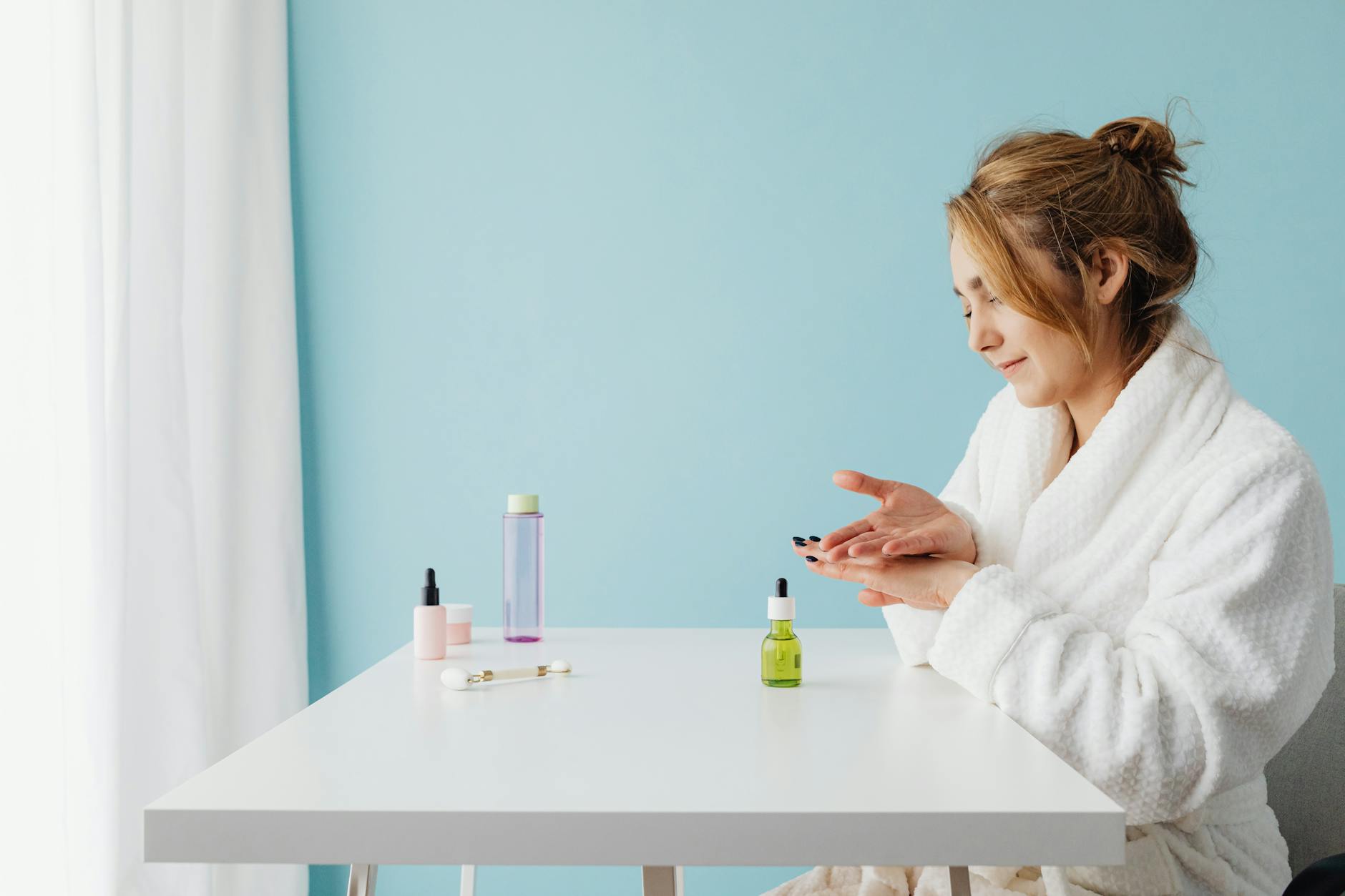
Acne-prone skin, especially when being treated with drying medications, often has a compromised moisture barrier. This barrier dysfunction actually perpetuates acne cycles—when the barrier is damaged, skin becomes reactive, irritation increases, and inflammation worsens breakouts. Lightweight, hydrating moisturizers are essential tools for barrier repair.
Unlike heavy occlusives that create a false sense of barrier protection by just covering skin, lightweight humectants restore actual barrier function by improving skin hydration levels. A specific example: someone using tretinoin (which is notoriously drying) can use a simple lightweight moisturizer containing hyaluronic acid and niacinamide, applying it twice daily on damp skin, and see meaningful barrier recovery within 2-3 weeks—reduced irritation, less peeling, and fewer reactive breakouts. This differs from pre-barrier-repair dermatology approaches where patients were told to skip moisturizer entirely during tretinoin use, which often led to barrier damage so severe that they had to pause treatment.
The Future of Acne-Friendly Hydration Technology
Newer lightweight moisturizer formulations are incorporating advanced hydration technology beyond traditional humectants. Encapsulated hyaluronic acid, peptide-based hydration systems, and fermented botanical extracts that enhance skin’s natural moisture retention are becoming more common in skincare specifically designed for acne-prone skin. These innovations maintain the lightweight profile that prevents breakouts while delivering more sophisticated hydration than earlier gel formulations.
The understanding that acne-prone skin requires intelligent hydration (not no hydration or heavy occlusion) represents a meaningful shift in acne care. As formulation science improves, lightweight moisturizers will likely become recognized not as optional but as foundational components of any effective acne routine, alongside treatment actives. This reflects the dermatological consensus that treating acne successfully requires addressing both inflammation/bacteria and underlying skin health.
Conclusion
Lightweight moisturizers work better for acne-prone skin because they provide essential hydration without creating the occlusive, bacteria-promoting environment that heavy creams create. The hydration itself is critical—dehydrated skin overcompensates with excess sebum and becomes more reactive—but the delivery method matters enormously. By choosing humectant-based, non-comedogenic formulations and applying them correctly (on damp skin, layered with treatments), you can hydrate acne-prone skin effectively without triggering or worsening breakouts.
If you’re currently avoiding moisturizer because you think it will cause breakouts, or if you’re using a heavy cream that seems to make acne worse, switching to a lightweight alternative is one of the highest-impact changes you can make in your routine. The transition often produces noticeable improvement within 3-4 weeks as skin’s hydration status normalizes and the dehydration-driven sebum overproduction decreases. Start with a simple lightweight formula containing hyaluronic acid and glycerin, apply it to damp skin, and assess your skin’s response over several weeks before adding complexity.
Frequently Asked Questions
Can I use a lightweight moisturizer if I’m using strong acne medications like benzoyl peroxide?
Yes, absolutely—you should. Strong acne treatments are drying, and without proper hydration support, they cause irritation that can make acne worse. Lightweight moisturizers allow you to tolerate and continue treatment without barrier damage.
What’s the difference between a “mattifying” lightweight moisturizer and a regular lightweight one?
Mattifying moisturizers contain absorbent ingredients like silica or niacinamide that neutralize shine while hydrating. They’re excellent for acne-prone oily skin because they deliver hydration without leaving a visible layer. Regular lightweight moisturizers may leave slight shine.
How long does it take to see improvement after switching to a lightweight moisturizer?
Most people see initial improvement in skin texture and irritation within 5-7 days. Breakout reduction typically becomes apparent within 2-3 weeks as the skin barrier recovers and sebum regulation normalizes. Some people see changes in 10-14 days, while others need the full 3-4 weeks.
Are gel moisturizers always lightweight, or can they still be problematic?
Most gel moisturizers are lightweight, but not all are acne-safe. Check the ingredient list for humectants (glycerin, hyaluronic acid, panthenol) rather than heavy occlusives. Some gels contain problematic silicones or fragrance, so formulation matters more than texture alone.
Can I use a lightweight moisturizer in place of spot treatments?
No—moisturizers hydrate but don’t treat acne. You need separate actives (benzoyl peroxide, salicylic acid, or prescription treatments). Lightweight moisturizers support the skin’s ability to tolerate treatments, not replace them.
Is it okay to use the same lightweight moisturizer in the morning and evening?
Yes, in most cases. Morning application should be on damp skin so it dries quickly without shine (pair with sunscreen). Evening application can be heavier and more generous. If one product causes breakouts, discontinue it entirely rather than using it at different times.