
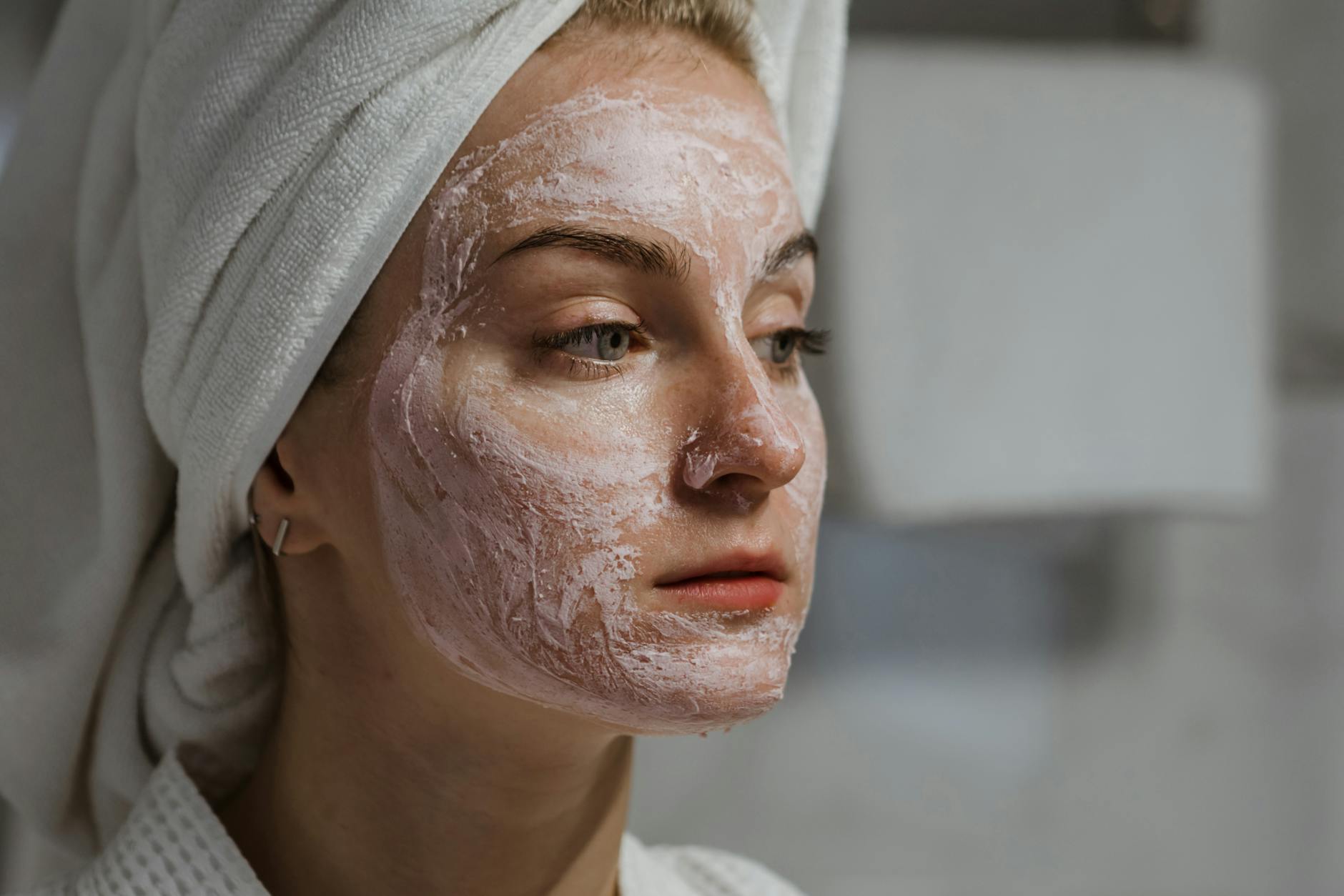
Oily skin doesn’t mean hydrated skin—and this confusion is why so many people with oily complexions end up in a cycle of breakouts and frustration. Sebum (the oil your skin produces) and water-based hydration are fundamentally different things.
Your skin can be simultaneously drowning in oil and starving for hydration, a condition that worsens without proper water content in the skin cells themselves. Consider someone using only harsh, oil-stripping cleansers: their skin produces even more sebum to compensate, leading to clogged pores and breakouts despite being visibly oily. This article explains why hydration is non-negotiable for oily skin, how dehydration triggers excess oil production, which ingredients actually work for this skin type, and how to avoid the common mistakes that perpetuate the problem.
Table of Contents
- What’s the Actual Difference Between Oil and Hydration?
- How Dehydration Triggers More Oil Production
- The Connection to Acne and Breakouts
- The Right Ingredients for Oily, Hydrated Skin
- Why Skincare Overload Makes Oil Worse
- The 2026 Shift Toward Barrier-Focused Skincare
- Building a Balanced Routine That Actually Works
- Conclusion
- Frequently Asked Questions
What’s the Actual Difference Between Oil and Hydration?
Oil (sebum) is lipid-based—it’s produced by your sebaceous glands and sits on your skin’s surface. hydration is water-based and penetrates into your skin cells, maintaining their plumpness and function. You can have oil on your skin without having any water content inside those cells. This is the core misunderstanding: many people assume oily skin is already hydrated, when in reality it could be severely dehydrated underneath. A person with oily, dehydrated skin experiences the worst of both worlds—excess sebum blocking pores while the cells underneath lack the moisture they need to function properly.
The distinction matters clinically. Sebum protects the skin barrier and has antimicrobial properties, which is why completely stripping it away backfires. But sebum alone cannot replace the hydration your skin cells require to regulate oil production, maintain elasticity, or fight inflammation. This is why dermatologists and skincare professionals distinguish between “moisturizing” (adding oil and hydration) and “hydrating” (adding water content). For oily skin, hydration without heavy occlusion is the answer.
How Dehydration Triggers More Oil Production
When your skin lacks sufficient water content, it senses this dehydration and compensates by ramping up sebum production. Your skin thinks oil will help seal in moisture, so it produces more and more sebum in an attempt to protect itself. This creates a vicious cycle: the more your skin dries out, the more oil it produces to compensate, leading to clogged pores, blackheads, and breakouts. The irony is that someone scrubbing their face with harsh cleansers, trying to reduce oil, is actually worsening the problem by creating dehydration. However, there’s an important caveat: not all oily skin is dehydrated.
Some people genuinely have naturally oily, well-hydrated skin with no issues. The key is evaluating your skin’s behavior. If you strip your skin clean and it becomes oily again within hours, that’s often dehydration-driven compensation. If your skin feels tight after cleansing, or if you have persistent breakouts despite low sebum production, dehydration is likely your culprit. Testing this is simple: add a hydrating toner or essence without any heavy oils, and see if your skin settles down. If it does, you’ve confirmed the dehydration-excess-oil cycle is at play.
The Connection to Acne and Breakouts
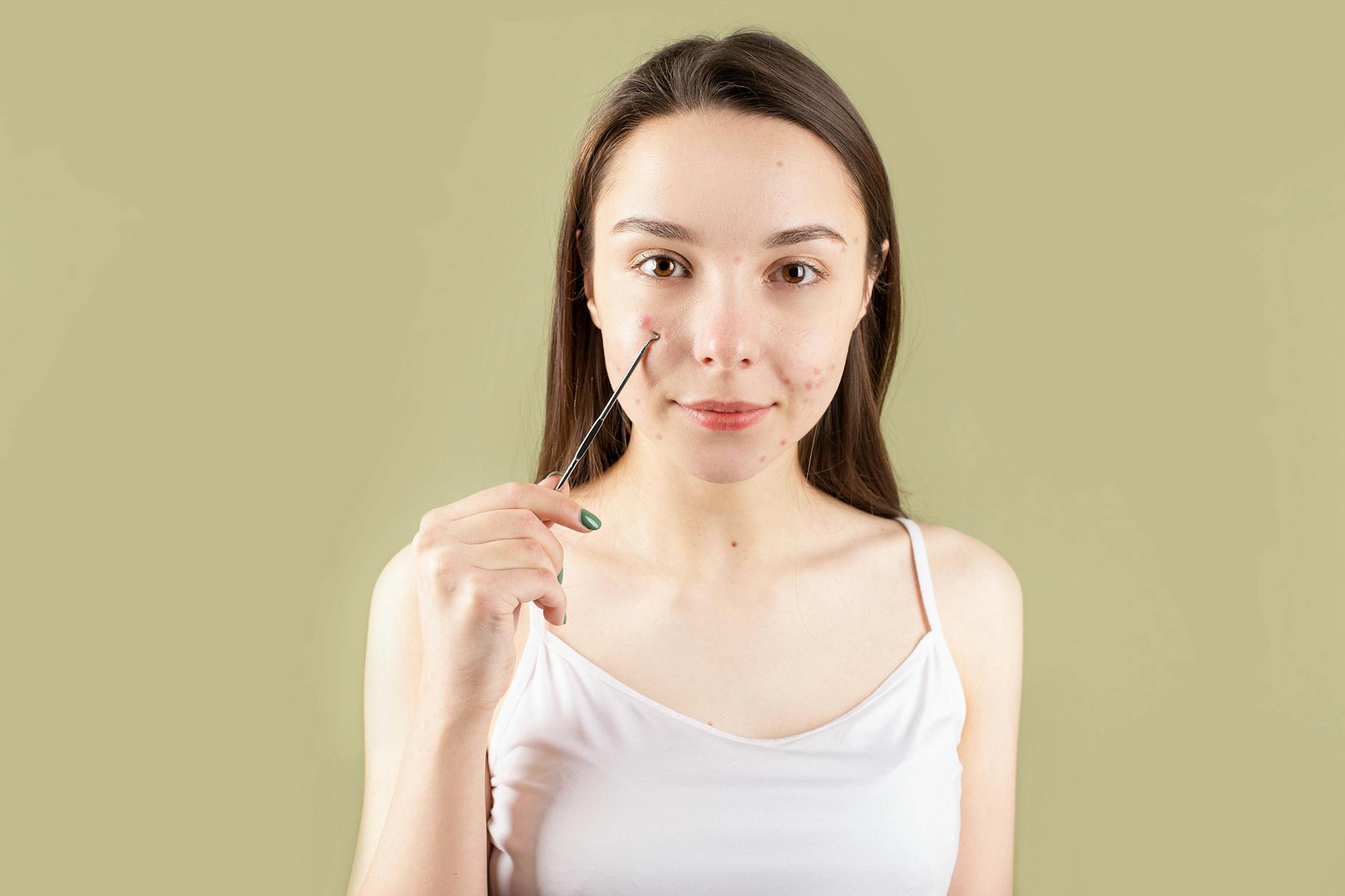
Oily, dehydrated skin is the perfect storm for acne. Excess sebum clogs pores, bacteria thrive in that oily environment, and the compromised skin barrier (from dehydration) can’t fight inflammation effectively. The result is frequent breakouts, particularly around the T-zone and jawline where oil production is highest. Even one cystic breakout per week is often a sign that hydration is missing from the routine.
What makes this frustrating is that standard acne treatments often worsen the problem. Benzoyl peroxide, salicylic acid, and retinol are all drying—they work by clearing pores and increasing cell turnover, but they can dehydrate skin further if not paired with proper hydration. Someone using these actives without hydrating is essentially using gasoline on a fire. The skin becomes drier, produces more oil to compensate, and breakouts continue or worsen. This is why dermatologists now emphasize balancing actives with hydration rather than using only strip-focused products.
The Right Ingredients for Oily, Hydrated Skin
Not all hydrating ingredients feel heavy on oily skin. Hyaluronic acid, glycerin, and ceramides are the holy trinity for your situation. Hyaluronic acid holds up to 1000 times its weight in water, delivering intense hydration without any oil. Glycerin is a humectant that draws water into your skin cells and is lightweight enough for even the oiliest complexions. Ceramides are waxy lipids that repair your skin barrier—the damaged barrier is often why oil production goes haywire in the first place.
Together, these ingredients restore hydration and balance without making skin feel greasy. Niacinamide and Zinc PCA are bonus ingredients worth seeking. Niacinamide helps regulate sebum production while strengthening the skin barrier, and Zinc PCA has antibacterial properties that help prevent acne. The 2026 skincare trend emphasizes a balanced approach: 50% hydration and 50% oil regulation, rather than the older “strip all oil” philosophy. Look for lightweight serums and essences with hyaluronic acid as the hero ingredient, followed by a barrier-repair moisturizer with ceramides. This two-step hydration routine, even on oily skin, prevents the dehydration-oil-breakout cycle.
Why Skincare Overload Makes Oil Worse
Many people with oily, acne-prone skin fall into the trap of using too many actives—retinol, AHA, BHA, vitamin C, and more in one routine. This aggressive approach damages the skin barrier, making skin more sensitive and triggering even more sebum production as a protective response. Dermatologists warn against this overload, particularly in 2026 when the trend has shifted toward barrier-focused, minimalist routines. Using a BHA exfoliant, retinol, vitamin C, and an active moisturizer in the same routine is overkill and counterproductive.
The limitation of actives is that they’re potent and drying. Someone with oily skin needs to treat actives like medicine, not makeup—use them strategically, not daily. A safer approach is using one active at a time, spacing them out (for example, BHA three times a week and retinol twice a week on different days), and always following with hydration. If your skin barrier is already compromised from overuse, hydration becomes even more critical. Reduce your routine to a gentle cleanser, hydrating toner or essence, and a barrier-repair moisturizer, then slowly introduce one active as your skin stabilizes.
The 2026 Shift Toward Barrier-Focused Skincare
Professional skincare has moved away from viral trends like slugging (heavy occlusion that clogs pores) toward lipid- and ceramide-rich formulas that repair the skin barrier without adding unnecessary oil. This shift recognizes that a healthy barrier naturally regulates oil and water balance. If your barrier is damaged, no amount of actives or oil control will fix breakouts—hydration and repair come first.
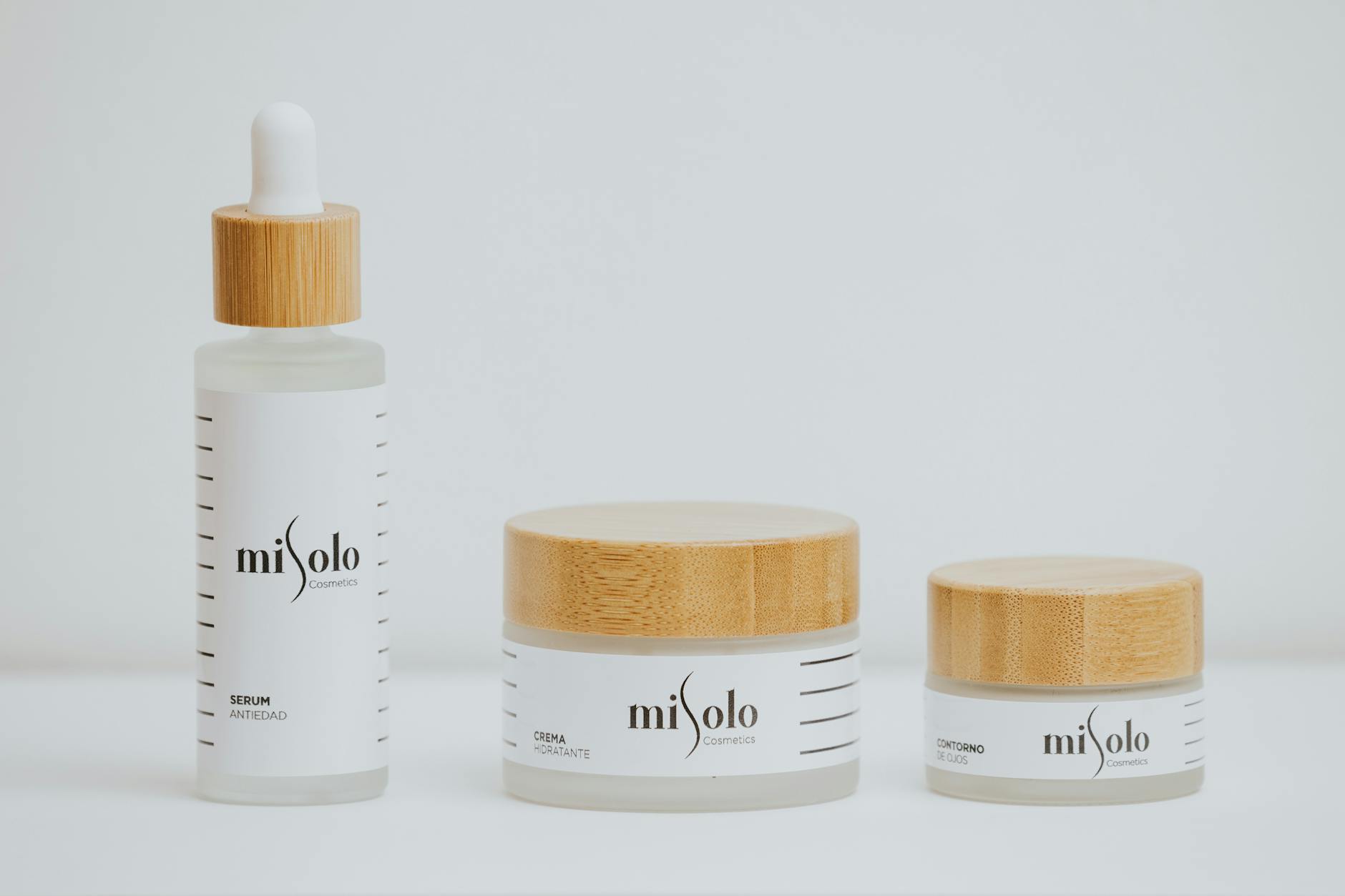
Brands are formulating lighter, more intelligent moisturizers for oily skin: gel-creams, hydrating balms, and serums that provide ceramides and peptides without the grease. These products target people exactly like you—acne-prone, oily, but desperately needing hydration. Choosing a 2026-philosophy moisturizer (barrier-focused, lightweight, ceramide-rich) over older oil-stripping formulas is the practical difference between a stable complexion and a never-ending breakout cycle.
Building a Balanced Routine That Actually Works
A sustainable routine for oily, dehydrated skin is simple: cleanse gently, hydrate with a lightweight serum or essence, and seal with a barrier-repair moisturizer. Gentle is key—use a creamy cleanser or micellar water instead of foaming face washes that strip everything away. Follow with a hydrating toner containing glycerin or hyaluronic acid, then a light gel-cream moisturizer with ceramides. This routine takes five minutes and costs less than buying five different actives.
As your skin stabilizes over 4-6 weeks, you can introduce one active—either a BHA for exfoliation or a gentle retinol for anti-aging. The active should never replace the hydration step; it should be an addition, used 2-3 times weekly. This balanced approach prevents the spiral of dehydration and excess oil while still addressing breakouts and aging. The goal isn’t perfect oil control or poreless skin—it’s a balanced, calm complexion where hydration and oil work together instead of against each other.
Conclusion
Oily skin still needs hydration because oil and water are not the same thing. Dehydrated skin produces more sebum, worsening breakouts and creating a frustrating cycle that no amount of oil-stripping can fix. The 2026 skincare philosophy—balancing hydration with gentle oil regulation rather than stripping—is backed by dermatologists and results in calmer, clearer skin.
Start by assessing whether your oily skin is also dehydrated: if it becomes oily within hours of cleansing or if you have persistent breakouts despite low sebum visibility, hydration is your missing piece. Add a hydrating serum with hyaluronic acid or glycerin and a barrier-repair moisturizer with ceramides. Keep your routine simple, introduce actives slowly, and give your skin 4-6 weeks to stabilize. The payoff is a complexion where hydration and oil work together, breakouts decrease, and you finally stop chasing the next miracle product.
Frequently Asked Questions
Can I hydrate oily skin without making it greasier?
Yes. Lightweight hydrating ingredients like hyaluronic acid, glycerin, and gel-textured moisturizers hydrate without adding oil. The key is using water-based or gel-based formulas rather than heavy creams or oils. Most people find their skin is actually less oily after proper hydration because the skin stops overproducing sebum.
How long does it take to see results from hydrating an oily, dehydrated complexion?
Most people notice less oiliness and fewer breakouts within 2-4 weeks, with significant improvement by 6-8 weeks. Your skin barrier needs time to repair, so patience is critical. Stick with the routine before deciding it doesn’t work.
Should I skip moisturizer if I have oily, acne-prone skin?
No. Skipping moisturizer is the most common mistake and worsens the problem. Your skin will produce even more sebum to compensate for the perceived dehydration. Always moisturize, but choose a lightweight gel-cream or hydrating serum rather than a heavy occlusive.
Can I use actives like retinol or BHA if my skin is dehydrated?
Only after your skin is hydrated and your barrier is repaired. Using actives on dehydrated skin worsens the problem. Focus on hydration for 2-4 weeks first, then introduce actives slowly, 2-3 times per week, always followed by hydration.
What’s the difference between a hydrating toner and a regular moisturizer?
A hydrating toner (or essence) delivers water-based hydration and preps skin for the moisturizer; a moisturizer seals that hydration in and repairs the barrier with oils and lipids. Use both for best results: toner first (allows better absorption), then moisturizer.
Why does my oily skin feel tight after cleansing?
That’s your sign that your skin is dehydrated. Tight skin means the outer layer is parched and your skin barrier is compromised. This is actually common in oily skin because harsh cleansing has stripped away both oil and hydration. Switching to a gentler cleanser and adding hydration will resolve this within days.