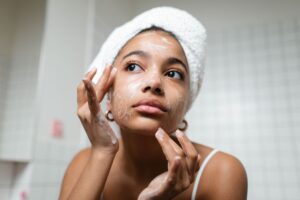
Building a routine that controls oil without causing acne comes down to one principle: stop fighting your skin and start regulating it. The key is using a two-step strategy—cleanse properly to remove excess oil and bacteria, then moisturize with lightweight, non-comedogenic formulas to prevent your skin from overproducing oil in response to dryness. Rather than stripping your skin with harsh products, which triggers a compensatory oil surge that makes acne worse, you’ll work with your skin’s natural processes to keep sebum production balanced.
Acne affects roughly 10% of all dermatology patients annually, and the majority of these cases involve oily, acne-prone skin. A clinical study tracking a structured skincare regimen showed statistically significant improvements in acne severity within just two weeks, with continued improvement through week six and no reported skin irritation. This article walks you through how to construct that regimen step-by-step, including which ingredients actually regulate oil production, the common mistakes that backfire, and emerging treatment options for people whose acne doesn’t respond to routine changes alone.
Table of Contents
- Why Traditional Oil-Control Routines Make Acne Worse
- The Moisturizer Paradox in Acne-Prone Skin
- The Most Effective Ingredients for Oil Control and Acne Prevention
- Building Your Daily Cleansing Protocol
- Avoiding the Modern Skincare Mistakes That Worsen Acne
- Professional Treatment Options When Routine Alone Isn’t Enough
- 2026 Skincare Philosophy and Building a Long-Term Oil Management Strategy
- Conclusion
Why Traditional Oil-Control Routines Make Acne Worse
The biggest mistake people with oily, acne-prone skin make is treating oil as the enemy. Over-cleansing with stripping formulas, using multiple astringent products, or layering heavy active ingredients depletes your skin barrier, which triggers dehydrated-oily skin—a frustrating state where your skin is simultaneously tight and greasy. When your protective barrier is compromised, your sebaceous glands panic and produce even more oil to compensate. You end up with worse acne, not better.
The solution is a paradigm shift happening in dermatology right now: instead of waging war on oil, dermatologists now focus on modulating sebum production. This means using ingredients that regulate the hormones and enzymes controlling oil synthesis, rather than simply removing oil from the surface. Niacinamide, for example, reduces sebum production by about 20-30% through enzyme regulation. Salicylic acid works differently—it exfoliates dead skin cells inside pores, preventing them from mixing with oil to form blockages. Both regulate oil without destabilizing your skin barrier.

The Moisturizer Paradox in Acne-Prone Skin
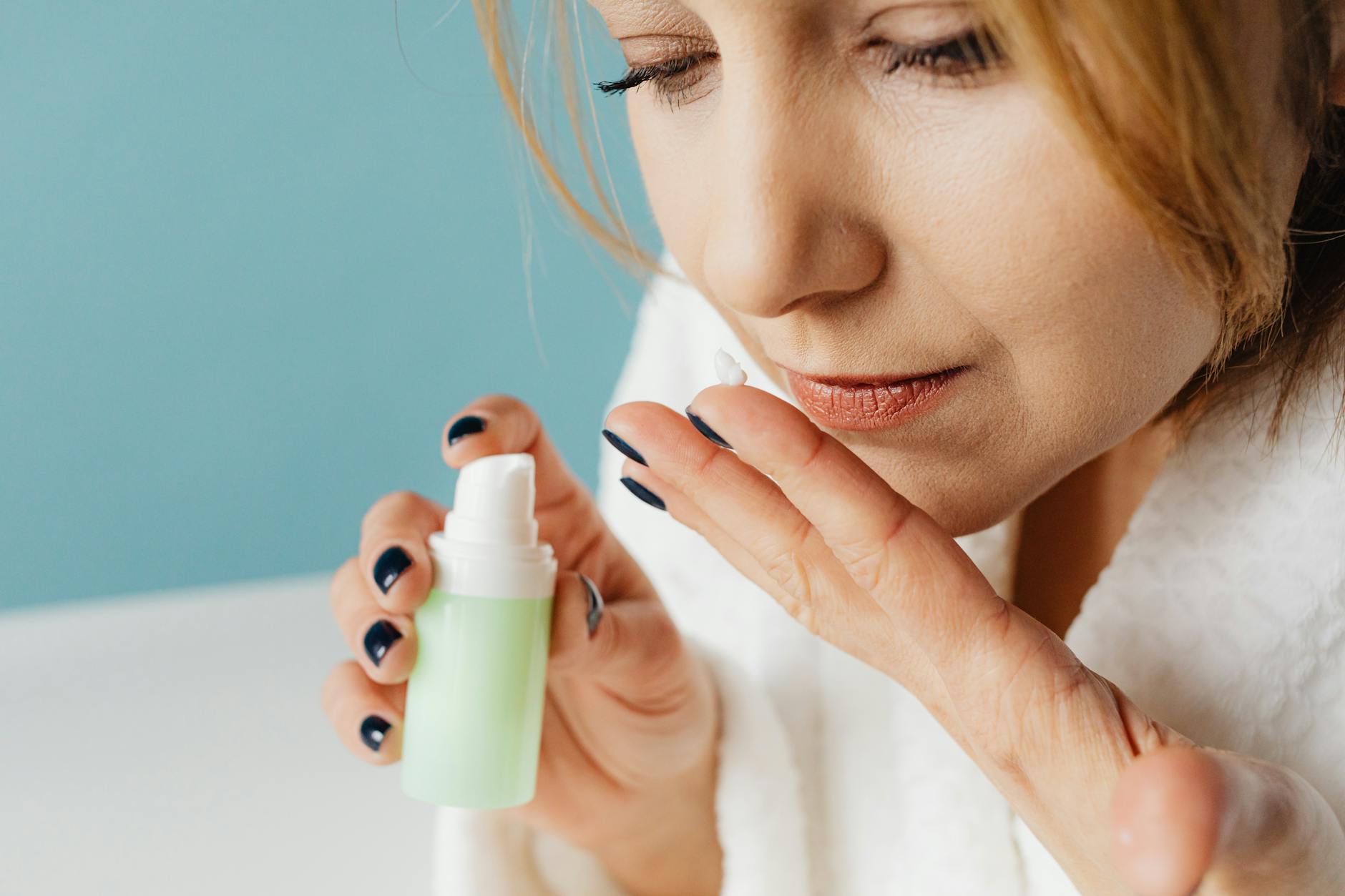
Counterintuitively, proper moisturization is essential for controlling acne on oily skin. When your skin is dehydrated, it produces more oil to compensate, which worsens breakouts. However, the type of moisturizer matters enormously. Heavy creams and occlusive products labeled for “dry skin” will trap bacteria and heat on oily skin, leading to comedone formation and worsening acne.
Research shows that higher doses of moisturizer products with comedogenic ingredients can visibly trigger acne cosmetica within 28 days of use. The solution is to use lightweight, oil-free, gel-based moisturizers that hydrate without creating a heavy barrier. Look for products explicitly labeled “non-comedogenic” and “oil-free.” These formulas deliver hydration through humectants like glycerin and hyaluronic acid, which draw moisture into the skin without leaving a residue that clogs pores. If you have very oily skin, you might only need moisturizer in a small amount on areas prone to dryness—around the eyes or along the jawline—rather than across the entire face. Some people find that a hydrating toner followed by a lightweight serum replaces a traditional moisturizer entirely.
The Most Effective Ingredients for Oil Control and Acne Prevention
Three ingredients have the strongest clinical evidence for regulating sebum while preventing breakouts: niacinamide, salicylic acid, and benzoyl peroxide. Niacinamide reduces sebum production and inflammation without irritation, making it suitable even for sensitive, acne-prone skin. Salicylic acid (a beta-hydroxy acid) is lipophilic, meaning it dissolves into oily pore contents and prevents blockages—it’s especially effective for comedonal acne. Benzoyl peroxide reduces acne-causing bacteria and also dampens sebum production through a mechanism independent of antibiotic resistance, which means your skin won’t build tolerance to it.
For severe cases, dermatologists now have newer options. Winlevi (clascoterone) is an FDA-approved topical therapy specifically designed to reduce excessive sebum production and is one of the few treatments targeting oil at the hormonal level. Zinc is another underrated ingredient that helps regulate sebum while calming inflammation. A 2025 guideline update emphasizes layering these ingredients strategically—for example, using niacinamide in your moisturizer, salicylic acid as an exfoliating treatment 2-3 times weekly, and benzoyl peroxide as a spot treatment or low-concentration wash, rather than applying all three products at maximum strength daily.

Building Your Daily Cleansing Protocol
Start with a gentle cleanser you use twice daily—morning and night—and an additional rinse after sweating or exercise. This isn’t about harsh scrubbing; it’s about regular, consistent removal of oil and bacteria. Choose cleansers that are non-stripping, pH-balanced, and free of fragrance. Many dermatologists recommend looking for cleansers with a pH near 5.5, which respects your skin’s natural acid mantle and doesn’t disrupt the bacterial microbiome that can worsen acne. Your morning cleanse should be quick and gentle, followed immediately by a hydrating toner (optional), a targeted treatment with niacinamide or salicylic acid (optional), and then sunscreen.
Yes, sunscreen is non-negotiable, even for oily skin. Use mineral-based formulas with zinc oxide and titanium dioxide, which have the dual benefit of protecting your skin and reducing sebum production. Avoid sunscreens with fragrance or oils. Your evening routine follows the same structure, but you have room for a second active ingredient here—for example, salicylic acid on Monday and Wednesday evenings, benzoyl peroxide on Thursday and Saturday. This rotation prevents tolerance and irritation while thoroughly addressing acne-causing bacteria and debris accumulation.
Avoiding the Modern Skincare Mistakes That Worsen Acne
One 2026 trend that dermatologists explicitly warn against is “slugging”—coating your face in heavy occlusive products like Vaseline before bed. This practice is marketed as a hydration hack, but on oily, acne-prone skin, it traps heat and bacteria, leading to “pomade acne” and worsening breakouts. If your skin is dehydrated, the solution is a better moisturizer, not an occlusive layer. Another common mistake is using too many active ingredients simultaneously. Combining strong doses of salicylic acid, benzoyl peroxide, niacinamide, and retinoids in one routine will destabilize your barrier and trigger flare-ups.
Instead, introduce one active ingredient at a time, every 2-4 weeks, and use them on alternate days rather than layering them nightly. A third mistake is assuming higher concentrations are always better. Clinical trials show that a consistent 3-step regimen with moderate-strength actives produces better results than an aggressive routine that causes irritation. If your products are causing redness, peeling, or sensitivity that lasts beyond the first week, they’re too strong. You’re not being patient; you’re damaging your skin. Dial back the concentration or frequency, and allow your skin 4-6 weeks of consistent, gentle use before escalating.
Professional Treatment Options When Routine Alone Isn’t Enough
If a dialed-in skincare routine doesn’t clear your acne within 8-12 weeks, or if your breakouts are severe or cystic, it’s time to see a dermatologist. Oral medications like isotretinoin (Accutane), spironolactone, or birth control pills regulate hormones and sebum production at a systemic level and can be transformative. For moderate cases that don’t require medication, laser therapy is increasingly popular. AVICLEAR and ACCURE are FDA-cleared acne lasers approved specifically to target sebaceous glands and reduce sebum production using a 1726-nanometer wavelength.
AVICLEAR received FDA clearance in March 2022 and has shown durable results in reducing acne for months after treatment. These lasers are painless and require no downtime, making them attractive for people with busy schedules. However, they’re expensive and not covered by most insurance plans. A dermatologist can help you decide if professional treatments are appropriate for your situation or if adjusting your routine has untapped potential first.
2026 Skincare Philosophy and Building a Long-Term Oil Management Strategy
The skincare industry’s shift away from “controlling oil” toward “modulating sebum” reflects a deeper change in how dermatologists understand acne. Rather than viewing oily skin as a condition to fight, modern treatment respects that sebum is necessary for skin health—it’s only problematic when overproduced or trapped in pores. This perspective changes everything about your routine. You’re no longer trying to strip your skin; you’re trying to support it with the right hydration, ingredients that regulate sebum production, and consistent cleansing that prevents bacterial overgrowth.
Moving forward, expect more personalized treatment. Genetics, hormones, diet, stress, and environmental factors all influence acne, and a routine that works for one person may not work for another. What remains constant is the principle: gentle cleansing, proper hydration, targeted active ingredients used strategically, and professional intervention when needed. A routine that follows this foundation can take months to show results, but once it does, the improvements are often dramatic and sustainable.
Conclusion
Building a routine that controls oil without causing acne requires patience, the right products, and a fundamental shift away from stripping and fighting your skin. Start with a gentle cleanser, a lightweight moisturizer, and one or two targeted active ingredients—niacinamide, salicylic acid, or benzoyl peroxide—used consistently for at least 4-6 weeks. Sunscreen is non-negotiable, and avoid heavy occlusives and over-treating with multiple strong actives simultaneously.
If your routine isn’t working after 8-12 weeks, or if your acne is severe, see a dermatologist. Prescription treatments, oral medications, or laser therapies like AVICLEAR can target sebum production where topical products can’t. The goal is sustainable oil management that works with your skin’s biology, not against it.