

The paradox of acne-prone skin is that many people make their breakouts worse by trying to fix them. When your skin is inflamed and reactive, the solution isn’t more products or more aggressive treatments—it’s less.
Calming skin without triggering additional breakouts comes down to three core principles: using gentleness as your default, simplifying your routine ruthlessly, and maintaining your skin barrier with proper hydration. For example, someone using a harsh astringent cleanser, multiple actives, and a heavy moisturizer might unknowingly be causing more irritation and breakouts than the underlying acne itself. This article walks you through the specific cleansing methods, ingredient choices, and product decisions that allow inflamed skin to heal without the secondary damage that often perpetuates breakout cycles.
Table of Contents
- What Does “Gentle Cleansing” Actually Mean for Acne-Prone Skin?
- Why Simplifying Your Routine Is the Fastest Way to Calm Inflamed Skin
- The MVP Ingredients That Actually Calm Skin Without Irritation
- Why Daily Moisturizing Is Non-Negotiable for Acne Control
- Understanding the Treatment Timeline: Why Patience Isn’t Optional
- Makeup and Sunscreen Selection: The Products You Use Daily Matter Most
- Building a Long-Term Approach to Preventing Reactive Skin
- Conclusion
What Does “Gentle Cleansing” Actually Mean for Acne-Prone Skin?
The first line of defense against triggering new breakouts is your cleanser. The American Academy of Dermatology recommends using gentle, non-foaming, fragrance-free cleansers—products like Cetaphil or CeraVe—because they clean without stripping your skin barrier. A compromised barrier is essentially an invitation for irritation, inflammation, and yes, more breakouts. The technique matters as much as the product: cleanse twice daily with lukewarm water using gentle circular motions, not aggressive scrubbing. Your instinct might be to scrub acne-prone skin clean, but this backfires completely.
Scrubbing with washcloths, loofahs, or your fingernails inflames skin and worsens acne. Here’s where most people go wrong: they conflate “clean” with “stripped.” A cleanser that leaves your skin feeling tight and squeaky is not doing you any favors—it’s damaging your protective layer. Even how you handle sweat matters. Don’t rub sweat away; gently pat with a clean towel instead. This might sound like overkill, but when skin is in a reactive state, every point of friction counts. The payoff is that within a few weeks of truly gentle cleansing, your skin barrier begins to repair itself, reducing the overall inflammation that feeds breakout cycles.
Why Simplifying Your Routine Is the Fastest Way to Calm Inflamed Skin
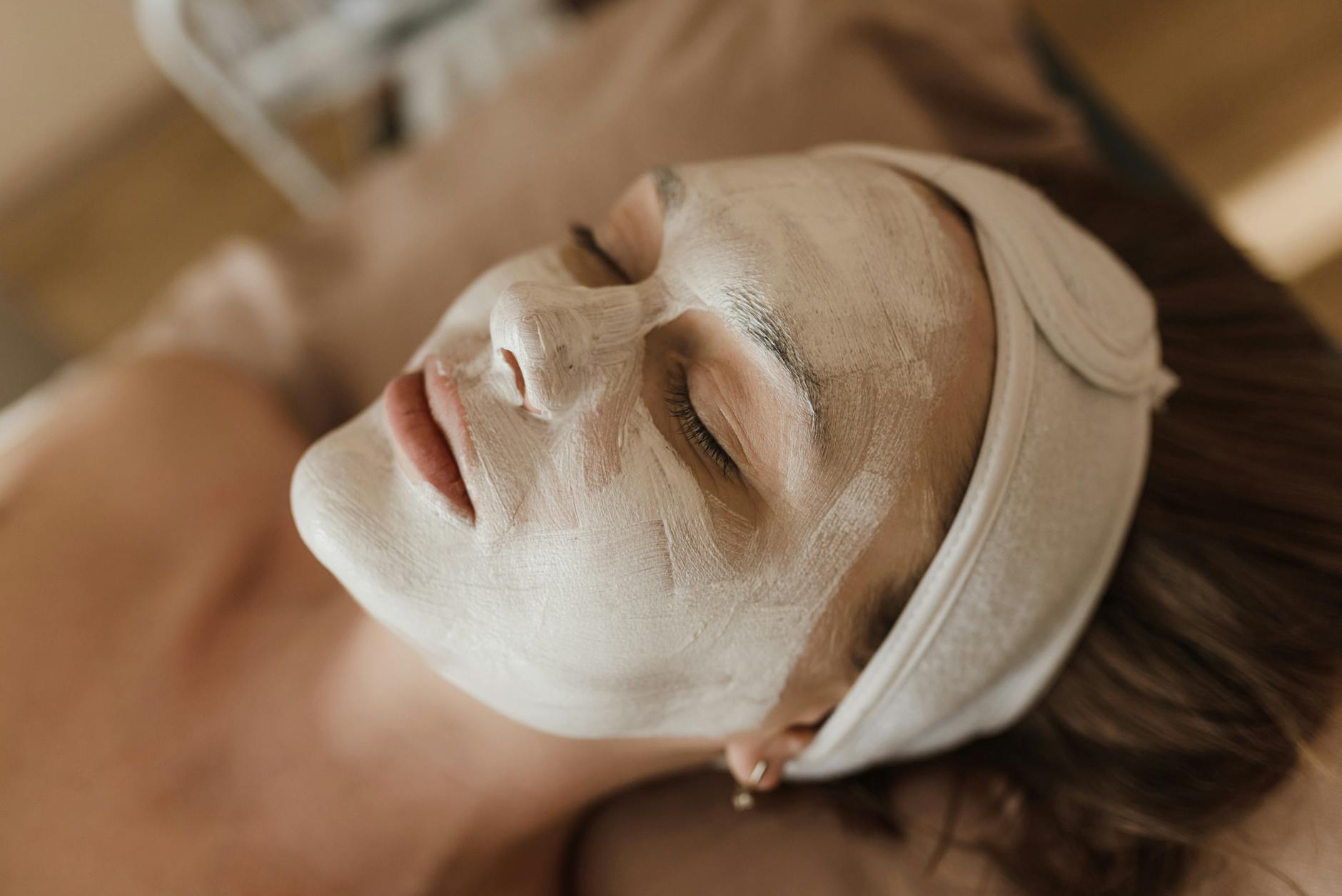
When your skin is reactive—meaning it’s red, tender, or breaking out frequently—every product becomes a potential trigger. This is the counterintuitive moment where dermatologists and skin therapists agree: you need to strip your routine down to its essentials. For reactive skin, remove all active ingredients, exfoliants, masks, and specialty products. Yes, all of them. This includes vitamin C serums, retinoids, AHAs, BHAs, clay masks, and sheet masks. Keep only four things: a gentle cleanser, hydrating support (usually a serum or essence), barrier repair (your moisturizer), and sun protection.
Why does this work? Your skin is already in a state of compromise and inflammation. Every additional product is a potential irritant, even the ones marketed as “soothing.” By removing the extra load, you give your skin barrier the space and resources to repair itself without triggering inflammation. However, there’s an important caveat: if your skin is extremely oily and you’re worried about breakouts from insufficient cleansing, remember that gentleness doesn’t mean ineffectiveness. A simple cleanser used properly twice daily is enough. The mistake people make is thinking they need to pile on drying products to control oil—but excess oil often develops because the barrier is damaged and the skin is overcompensating. Restore the barrier, and oil production typically normalizes within 4-6 weeks.
The MVP Ingredients That Actually Calm Skin Without Irritation
Not all “soothing” ingredients are created equal. Niacinamide, also called Vitamin B3, is the standout player in 2026 skincare because it’s one of the few ingredients that actively repairs damage while being gentle enough for the most reactive skin. Niacinamide boosts ceramide production—the lipids your skin barrier desperately needs—regulates oil production, and reduces redness. It’s the ingredient that does multiple jobs without triggering irritation. Aloe vera provides anti-inflammatory support and has a long history of use for inflamed skin.
When you’re looking at products, prioritize those that include hydrating ingredients that support the skin barrier, such as glycerin or hyaluronic acid, rather than those with long lists of botanical extracts or essential oils, which can sensitize reactive skin. The limitation to keep in mind is that soothing ingredients still need time to work. Niacinamide is gentle enough that you can use it daily without concern, but it’s not an overnight fix. You need to give your skin 2-3 weeks of consistent use with a soothing ingredient before you’ll see the redness and inflammation begin to noticeably decrease. If you switch products every three days looking for something that works faster, you’ll never give anything a chance to do its job. Patience with a simple, stable routine beats product hopping every time.

Why Daily Moisturizing Is Non-Negotiable for Acne Control
One of the biggest misconceptions about acne-prone skin is that it doesn’t need moisturizer. In reality, daily moisturizing is essential to maintain the skin barrier and reduce excess oil. When your barrier is dehydrated, your skin compensates by producing more sebum, which can clog pores and feed breakouts. The key is choosing the right moisturizer: look for oil-free, lightweight options labeled “non-comedogenic.” Non-comedogenic means the product has been tested and won’t clog pores—a crucial distinction when your skin is already prone to breakouts.
There’s an important tradeoff to understand here. A richer, heavier moisturizer might feel more soothing in the moment, but for acne-prone skin, it often causes congestion. A lightweight, hydrating moisturizer takes some discipline to apply consistently—you have to resist the urge to skip it because “my skin already feels oily”—but it’s the approach that actually works. Within two to three weeks of consistent use of the right moisturizer, most people find that their skin feels more comfortable and their oil production stabilizes because they’re no longer dehydrated underneath.
Understanding the Treatment Timeline: Why Patience Isn’t Optional
This is where many people sabotage themselves: they expect results too fast and then abandon a routine that was actually working. According to the American Academy of Dermatology, acne treatments need 6-8 weeks to show improvement. If you’re using a prescription product or a topical treatment, expect 2-3 months of daily use before you see meaningful results. This isn’t because the treatment is weak; it’s because your skin cell turnover cycle is approximately 28-30 days, and clearing acne requires multiple cycles of healing.
The warning here is important: if you change your routine, switch products, or add new treatments every two to three weeks, you’re essentially restarting the clock each time. Your skin never gets a chance to stabilize and heal. Even if something seems to be making things worse in weeks 2-3, that’s often the “purging” phase where deeper inflammation is surfacing before it clears. The exception is if you develop a severe reaction—burning, spreading rash, or severe itching—then stop and consult a dermatologist. But mild temporary worsening in the first 2-3 weeks is often a sign that the treatment is working, not failing.

Makeup and Sunscreen Selection: The Products You Use Daily Matter Most
You’re already dealing with acne-prone skin, and then you layer makeup and sunscreen on top. These products must be non-comedogenic—meaning they won’t clog pores or trigger breakouts. This applies to every makeup product: foundation, concealer, powder, blush, and bronzer. For sunscreen, many acne-prone people default to mineral sunscreen (zinc oxide or titanium dioxide) because chemical sunscreens can feel heavy or comedogenic, but this varies by individual.
The critical step is checking the label: if it says “non-comedogenic” and ideally “tested on acne-prone skin,” it’s a safer bet. One specific example: a person with reactive skin might find that their favorite foundation works fine when their skin is calm, but causes immediate breakouts when their skin barrier is compromised. This doesn’t mean the foundation is bad—it means the timing and state of your skin matter. During a calming phase, stick with minimal makeup and focus on sunscreen (which is non-negotiable for skin health), and you can gradually add back other products once your skin stabilizes.
Building a Long-Term Approach to Preventing Reactive Skin
Calming skin without triggering breakouts isn’t just about immediate crisis management—it’s about building habits that prevent future reactivity. Once you’ve successfully calmed your skin using the gentle routine outlined above, you have a foundation you can build on carefully. You can introduce active ingredients again, but do it one at a time and give each ingredient 4-6 weeks before adding the next. This measured approach prevents you from ever returning to a state of extreme reactivity.
The forward-looking insight is that the skincare industry continues to develop gentler, more effective formulations for sensitive and acne-prone skin. Niacinamide, which used to be a specialty ingredient, is now mainstream because dermatologists recognize its effectiveness. As more dermatology research focuses on barrier repair and prevention rather than just treatment, the products available for reactive skin keep improving. But the fundamentals—gentleness, simplicity, consistency, and patience—remain constant.
Conclusion
Calming skin without triggering more breakouts requires resisting the urge to “do more” and instead committing to “do less, better.” Start with a gentle cleanser used twice daily with lukewarm water and circular motions, simplify your routine to the bare essentials, and moisturize daily with a non-comedogenic product. Incorporate niacinamide as your core soothing ingredient, be intentional about every product that touches your face—including makeup and sunscreen—and understand that meaningful improvement takes 6-8 weeks of consistent routine, not two to three weeks of searching for the perfect product.
The patience required to follow this approach is also its biggest advantage. While you’re waiting for your skin to calm down, you’re not triggering new breakouts through experimentation, harsh treatments, or product overload. By the time your skin barrier has truly repaired itself, you’ll have a clear understanding of what works for your skin and what doesn’t—knowledge that will serve you for years to come.