Cleansing is the foundation of any effective acne routine—it’s the first and most critical step that everything else builds upon. Without proper cleansing, even the most advanced acne treatments won’t reach their full potential because pores remain clogged with oil, dead skin, and bacteria. Think of cleansing like preparing a canvas before painting: a dermatologist wouldn’t recommend applying medicated treatments, moisturizers, or serums to unwashed, oil-laden skin because the active ingredients simply can’t work as intended.
The twice-daily cleansing standard that dermatologists recommend isn’t arbitrary—it’s based on how acne forms and how the skin naturally produces oil throughout the day. This article breaks down exactly where cleansing fits into a complete acne routine, from the technique and frequency that actually work to the ingredients that unclog pores without over-drying, to the critical mistake most people make that makes acne worse. You’ll also learn how modern skincare trends in 2026 are changing the way we think about cleansing, and why what happens after you cleanse is just as important as the cleanse itself.
Table of Contents
- Why Cleansing Must Be Your Acne Routine’s Foundation
- Choosing the Right Cleanser Ingredients for Acne-Prone Skin
- Cleansing Frequency and Technique That Actually Works
- Building Cleansing Into Your Daily Routine
- Physical Exfoliants vs. Chemical Exfoliants in Cleansing
- Professional Cleansing and Modern Treatment Trends
- Integrating Cleansing Into Modern Acne Treatment Protocols
- Conclusion
Why Cleansing Must Be Your Acne Routine’s Foundation
cleansing removes the three main contributors to acne: excess sebum (oil), dead skin cells, and acne-causing bacteria. When you skip cleansing or do it inconsistently, these accumulate in pores and create the exact environment where acne thrives. A teenager with oily, breakout-prone skin might think that just using spot treatments or prescription medication without establishing a solid cleansing base will solve the problem—but they’ll likely end up frustrated because the treatment can’t penetrate through the debris. Cleansing has to come first, every single time.
The timing of cleansing also matters more than people realize. Your skin produces the most oil overnight, which is why a morning cleanse removes yesterday’s buildup. By evening, your skin has accumulated another layer of oil, sweat, makeup, and environmental pollutants throughout the day. This is why dermatologists universally recommend morning and evening cleansing—not because marketing told them to, but because this mirrors how the skin actually behaves. If you cleanse only once a day, you’re leaving half of that buildup to sit in your pores for 12 hours or more.

Choosing the Right Cleanser Ingredients for Acne-Prone Skin
Not all cleansers are equal when it comes to acne. The most effective acne-fighting cleansers contain either salicylic acid (a beta hydroxy acid or BHA) or benzoyl peroxide, both of which are evidence-based ingredients that unclog pores and kill the bacteria responsible for acne. Salicylic acid is oil-soluble, which means it penetrates into sebaceous glands to dissolve the oil and debris that clog pores from the inside. Benzoyl peroxide, on the other hand, works by increasing oxygen levels in the pore (bacteria that cause acne are anaerobic, meaning they thrive without oxygen) and also has antimicrobial properties.
However, there’s a critical distinction: a cleanser with salicylic acid is different from a leave-on treatment like a toner or spot treatment with the same ingredient. The contact time in a cleanser is brief—typically 30 seconds to a minute—whereas a leave-on product works for hours. This means a cleansing product alone often isn’t strong enough to be your only acne treatment; it’s the first step that prepares your skin for targeted treatments that follow. Additionally, if your skin is very sensitive or you’re starting acne treatment, you might need a gentler cleanser and rely on stronger salicylic acid or benzoyl peroxide in products you leave on your skin.
Cleansing Frequency and Technique That Actually Works
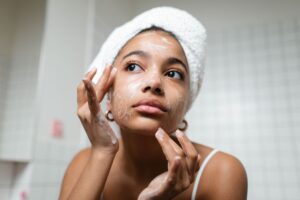
The dermatologist standard is twice-daily cleansing with lukewarm water and gentle circular motions—and this matters more than the cleanser brand itself. Lukewarm water is important because hot water strips the skin barrier, triggering increased oil production (which worsens acne), while cold water doesn’t remove oil effectively. The gentle circular motion is about application; you’re not scrubbing vigorously or using any tool—your fingertips are enough. A teenager who plays sports or exercises heavily might need a third cleanse after sweating, since sweat mixed with oil clogs pores, but this is an exception rather than the rule for most people.
Over-cleansing is one of the most common mistakes that actually makes acne worse. Washing your face more than twice a day (or using a harsh scrub) strips away the skin’s natural protective oils, which triggers the oil glands to compensate by producing even more sebum. You end up in a cycle where you’re fighting acne with more cleansing, but the excessive cleansing is feeding the very problem you’re trying to solve. If you’ve been cleansing three, four, or five times a day and wondering why your acne isn’t improving, reducing back to twice daily will often show improvement within a few weeks as your skin rebalances.

Building Cleansing Into Your Daily Routine
Your cleansing technique shapes how well the rest of your routine works. The proper order is: cleanse, then immediately follow with targeted acne treatment (if using any), then apply moisturizer. Many people cleanse and then skip directly to other steps, which is fine if they’re using a treatment, but some skip treatment altogether—and that’s where the routine becomes incomplete. If you’re using a salicylic acid or benzoyl peroxide treatment, apply it to clean skin while it’s still slightly damp; wet skin helps products absorb more evenly and reduces irritation compared to completely dry skin.
The other mistake is waiting too long between cleansing and moisturizing. You should apply moisturizer immediately after cleansing while your skin is still slightly damp—this locks in hydration and strengthens the skin barrier. Even acne-prone skin needs moisture, and applying moisturizer to damp skin is more effective than applying it to completely dry skin. For reference, a good moisturizer for acne-prone skin contains ceramides and glycerin, which strengthen the barrier and prevent over-drying while you’re using acne treatments.
Physical Exfoliants vs. Chemical Exfoliants in Cleansing
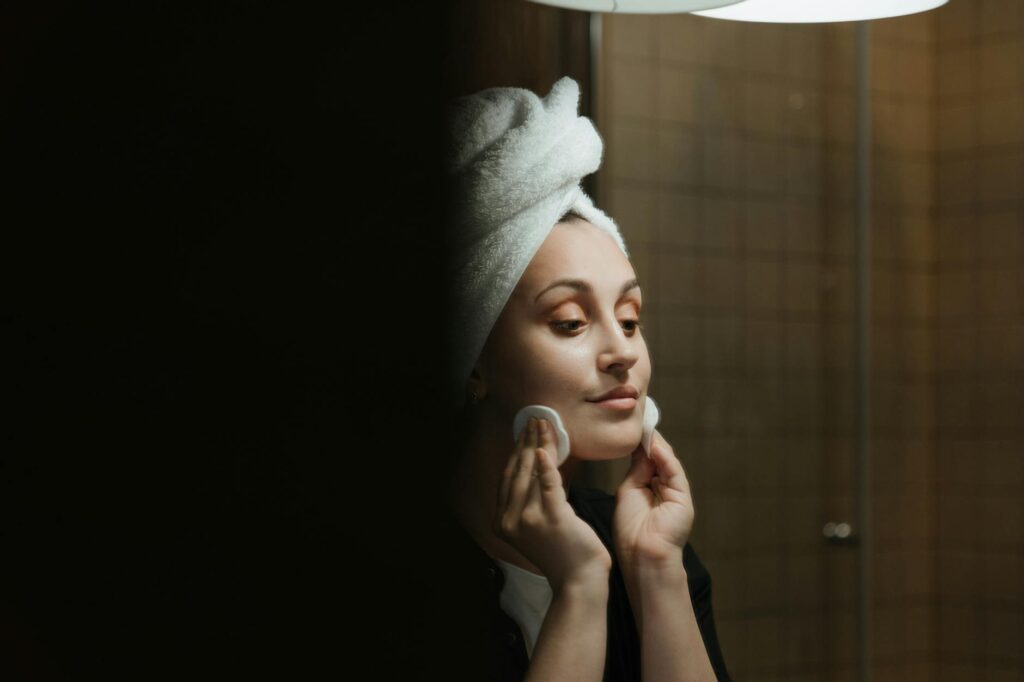
One of the clearest evidence-based recommendations from dermatologists is to avoid physical exfoliants—meaning scrubs, washcloths, cleansing pads, and tools—if you have acne. These physically abrade the skin and actually exacerbate acne by triggering inflammation and potentially rupturing pustules under the skin. The friction can also spread bacteria around your face, worsening breakouts. This is a hard rule: if acne is your concern, skip the scrub.
Instead, the recommended approach is gentle chemical exfoliation 2-3 times per week using products like salicylic acid. Chemical exfoliants dissolve the bonds between dead skin cells without physical trauma, and they’re gentler for acne-prone skin. However, even chemical exfoliation can be overdone. If you’re using a salicylic acid cleanser twice daily plus a salicylic acid toner or treatment, you’re likely over-exfoliating, which leads to a compromised barrier and worsened acne. Most people with acne should use a gentle salicylic acid cleanser twice daily and save additional exfoliation for 2-3 times per week with a dedicated product, not from the cleanser alone.

Professional Cleansing and Modern Treatment Trends
For many people with moderate acne, professional facials or cleanups every 4-6 weeks provide additional benefit beyond at-home cleansing. A professional extraction removes blackheads and whiteheads that are difficult to address at home, and the professional setting allows for deeper pore cleansing without the risk of self-trauma from picking or squeezing. However, frequency varies by acne severity and skin sensitivity; some people benefit monthly, while others do better every 8 weeks.
The skincare industry in 2026 is introducing new approaches to cleansing that go beyond traditional formulations. Microbiome-supportive and postbiotic cleansers are emerging as a key trend because they strengthen the skin barrier and reduce inflammation, which helps prevent cystic flares. There’s also growing interest in AI-personalized skincare, where cleansers are customized to remove oxidized oil, makeup, and pollutants specific to your individual skin type. While these advanced approaches aren’t necessary for everyone, they represent how cleansing science is evolving beyond one-size-fits-all formulations.
Integrating Cleansing Into Modern Acne Treatment Protocols
As acne treatment continues to advance, cleansing remains non-negotiable. For people using prescription treatments like retinoids or isotretinoin, a gentle cleanser becomes even more critical because these treatments increase skin sensitivity. Some newer retinol systems with reduced irritation are gaining traction in 2026 for hormonal acne, but they all require a proper cleansing foundation to avoid irritation and maximize efficacy.
The future of acne care isn’t about replacing cleansing with more advanced treatments—it’s about making cleansing smarter and more personalized. Looking ahead, the integration of cleansing with other dermatological advances means that people treating acne have more options, but also more responsibility to get the basics right. A teenager starting acne treatment, someone dealing with hormonal breakouts in their 30s, or anyone managing acne should view cleansing as the non-negotiable first step that makes everything else work.
Conclusion
Cleansing isn’t the most exciting part of an acne routine, but it’s the most foundational. Twice-daily cleansing with lukewarm water, gentle technique, and a cleanser suited to your skin type (ideally containing salicylic acid or benzoyl peroxide) removes the oil, bacteria, and dead skin that cause acne in the first place.
Everything else—treatments, serums, spot treatments—depends on this clean canvas to work effectively. Start by establishing a consistent twice-daily cleansing routine, avoid the temptation to over-cleanse, and follow cleansing immediately with your acne treatment and then a barrier-supporting moisturizer. If you’ve been struggling with acne despite using treatments, evaluate whether your cleansing routine is actually working before adding more products.