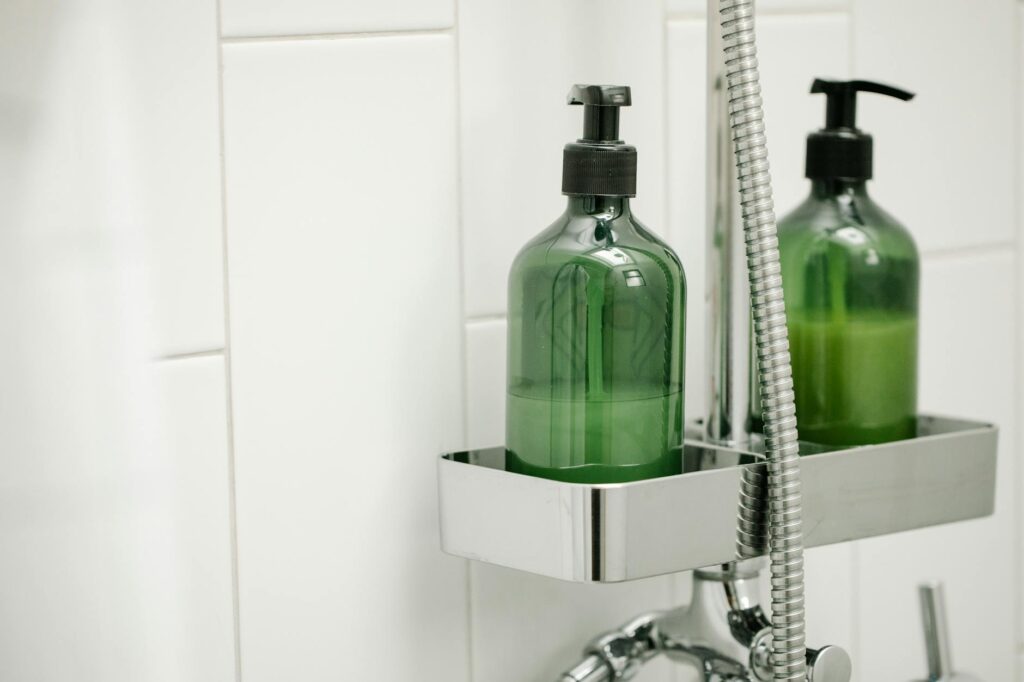
The key to switching cleansers without irritation is to transition gradually over 7-10 days by mixing your old and new cleanser together, or extending the timeline to 1-2 weeks if you have sensitive skin. Your skin’s barrier needs time to adjust to new ingredients and formulations—rushing this process typically leads to tightness, flaking, redness, or increased sensitivity. Rather than making an abrupt swap, a staged approach allows your skin to adapt while you monitor how it responds.
This article covers everything you need to know about making a cleanser switch safely. We’ll walk you through the transition timeline, explain how to choose a compatible formula, show you what signs to watch for, and detail the ingredient profiles that minimize irritation. Whether you’re upgrading your routine or switching due to sensitivity, the strategies here will help you avoid the common pitfalls that derail most people’s attempts.
Table of Contents
- What’s the Right Timeline for Switching to a New Cleanser?
- How Does Gradual Introduction Prevent Irritation?
- What Ingredients Should You Look for in a Gentle, Transition-Friendly Cleanser?
- How Should You Introduce Multiple New Products Without Compounding Irritation?
- What Are the Warning Signs That a Cleanser Transition Isn’t Working?
- How Does Skin Barrier Damage Level Affect Your Transition Speed?
- Planning Your Long-Term Cleanser Strategy After a Successful Transition
- Conclusion
What’s the Right Timeline for Switching to a New Cleanser?
The standard transition window is 7-10 days if you have resilient skin, but extend this to 1-2 weeks if your skin is already sensitive or compromised. During this period, you’re not replacing your old cleanser immediately—instead, you’re gradually increasing the proportion of the new product while decreasing the old one. One practical approach is to mix them together in a small container, starting with 75% old cleanser and 25% new, then shifting the ratio daily until you reach 100% new after a week. Your skin’s deeper adaptation happens over a much longer timeline. The skin barrier typically requires 4-6 weeks to fully adjust to significant product changes, and the minimum time for your skin to properly integrate new ingredients is 28 days.
For optimal results and the best assessment of whether a cleanser is truly working for you, plan on giving it 6-8 weeks. This extended timeline accounts for multiple skin cell turnover cycles and allows inflammatory responses to settle before you draw conclusions. The timeline varies by how damaged your skin barrier already is. If you’re coming from a cleanser that left your skin tight or reactive, you may experience significant improvement in just 3-7 days, with full stability by 1-2 weeks. However, if you’ve been using harsh products or over-treating, moderate barrier damage can take 2-6 weeks to reset completely, and severe damage may require the full 6-8 weeks for recovery.

How Does Gradual Introduction Prevent Irritation?
Switching cleansers abruptly introduces your skin to a new pH level, a different surfactant system, and unfamiliar active ingredients all at once. Your skin’s acid mantle—the protective layer that maintains pH balance—can become destabilized, leading to compensatory oil production, dryness, or inflammation. By transitioning gradually, you’re giving your skin time to adjust its sebum production and barrier lipid composition, rather than triggering a shock response. The mixing approach works because it cushions the formula change.
When you start with a 75/25 blend, you’re introducing the new cleanser’s key ingredients at a lower concentration, allowing your skin to build tolerance. However, this approach has a limitation: if your old cleanser is actively irritating your skin or contains an ingredient you’re allergic to, even continuing it at high concentration can prevent healing. In those cases, it’s better to stop the irritating product immediately and use a very gentle alternative while introducing the new cleanser—a different strategy than the standard mixing approach. An alternative to mixing is alternating days: use your old cleanser on Monday, the new one on Tuesday, the old one on Wednesday, and so on, gradually shifting the frequency toward the new product. This method gives you clearer feedback about how your skin reacts to each product individually, which is helpful if you’re trying to pinpoint whether the new formula or the transition itself is causing sensitivity.
What Ingredients Should You Look for in a Gentle, Transition-Friendly Cleanser?
The foundation of a non-irritating cleanser is pH balance. A cleanser formulated to be pH-balanced will preserve your skin’s natural barrier lipids and won’t disrupt the acid mantle, making it far safer to transition to even if your previous product was stripping. Look for this information on the product label or the brand’s website—reputable skincare companies will specify the pH, which should ideally be between 4.5 and 6. Beyond pH, certain ingredients actively soothe and support your skin during a transition. Aloe vera, chamomile, and glycerin are well-documented soothing ingredients that reduce the sting of adjustment.
If your skin barrier is already compromised, barrier-repair ingredients are especially important: ceramides, niacinamide, and hyaluronic acid reduce irritation and help restore the protective lipid layer. These ingredients have become increasingly common in cleansers marketed as “sensitive skin” or “barrier-supporting” formulas, and they’re a major 2025 trend in the facial cleanser space. At the same time, avoid ingredients known to cause dryness or discomfort during a transition period. Fragrances, sulfates (including sulfate-free sulfate alternatives in some cases), and alcohol are common irritants that can amplify adjustment sensitivity. Many people successfully switch cleansers by simply eliminating these three categories and choosing a fragrance-free, sulfate-free, alcohol-free formula—it narrows the field considerably but reduces the chance of an adverse reaction.

How Should You Introduce Multiple New Products Without Compounding Irritation?
If you’re not just switching your cleanser but also updating other products in your routine, spacing matters enormously. The best practice is to introduce one new product at a time, with several days between each addition. For example, introduce the new cleanser first and use it for 3-5 days before adding a new toner or treatment. This approach lets you identify which product is responsible if you develop a reaction, and it prevents your skin from being overwhelmed by multiple formula changes at once. This spacing strategy has a practical limitation: if you’re changing your entire routine at once (cleanser, moisturizer, treatment), it will take 2-3 weeks just to introduce everything, then another 4-6 weeks to fully assess results.
Many people find this timeline frustrating and attempt to introduce everything simultaneously—which almost always results in irritation and confusion about which product caused the problem. The comparison is stark: a staggered introduction takes longer but yields clear information about what works, while an all-at-once swap often requires starting over because you can’t identify the culprit. A practical tradeoff is to group products by function. You might introduce your cleanser and supporting barrier-repair moisturizer together (since they work synergistically), then wait several days before adding an active treatment. This balances the desire to update your routine with the need to avoid overwhelming your skin.
What Are the Warning Signs That a Cleanser Transition Isn’t Working?
A tight, squeaky-clean feeling after washing is the most reliable warning sign that your cleanser is too strong or too drying. This sensation indicates that the product is stripping lipids from your skin’s surface faster than your barrier can replenish them. If you experience this during the transition period, it doesn’t necessarily mean you should abandon the new cleanser—it might mean you need to extend the transition timeline or reduce how often you use the new product (for example, using it once daily instead of twice). The adjustment timeline gives you benchmarks for what to expect. In the first 48 hours, a slight sting or sensitivity is normal as your skin begins responding to the new formula. Within 7-10 days, flaky patches or mild roughness should visibly decrease.
By 2-4 weeks, you should notice improved texture and your skin should be less reactive overall. If you’re past the 2-week mark and experiencing worsening sensitivity, persistent tightness, or new breakouts that weren’t present before, the cleanser itself may not be compatible—regardless of how gentle it claims to be. One important caveat: some people experience a “purge” when switching to certain cleansers, especially if the new product is more effective at removing buildup or contains mildly exfoliating components. This is different from irritation—a purge involves temporary breakouts as your skin sheds accumulated dead cells, but without the tightness or stinging sensation. If you suspect a purge rather than irritation, give it another 1-2 weeks before switching again. If it’s true irritation, discontinue immediately and return to your previous routine.

How Does Skin Barrier Damage Level Affect Your Transition Speed?
Not everyone’s skin enters a cleanser transition from the same starting point. If your skin barrier is already compromised—from over-exfoliation, harsh cleansers, or environmental damage—you’ll need a more conservative approach. Mild barrier damage typically shows significant improvement in 3-7 days with the right gentle cleanser, and full stability in 1-2 weeks. This is the fastest recovery scenario and suggests your barrier damage was superficial.
Moderate barrier damage, characterized by persistent tightness, sensitivity to multiple products, or reactive redness, takes longer. You’ll see symptom subsiding in 1-2 weeks, but complete barrier reset takes 2-6 weeks. During this period, use the most gentle cleanser available and prioritize barrier-repair ingredients in the rest of your routine. Severe barrier damage—which can result from prolonged use of stripping cleansers, aggressive actives, or conditions like dermatitis—requires 6-8 weeks for full recovery, though significant improvement should be visible within the first month if you’re consistent.
Planning Your Long-Term Cleanser Strategy After a Successful Transition
Once you’ve successfully transitioned to a new cleanser, the temptation to tinker increases. The skincare industry constantly releases new formulations, and it’s easy to assume that a newer product will be better. However, the 6-8 week timeline for full results suggests that you should give any cleanser at least this duration before deciding to switch. Many people abandon cleansers after 2-3 weeks because they’re impatient for results, then wonder why they never find a product that works.
Moving forward, your skin will be more resilient to future transitions once it has stabilized on a cleanser it tolerates well. You’ll also develop intuition about which ingredient profiles work for your skin—whether you need barrier-repair ingredients year-round, whether you can tolerate fragrance, and whether your skin performs better with a cream cleanser versus a gel. This self-knowledge, built through one careful transition, makes all future product switches faster and less risky. The investment in a slow, intentional switch now pays dividends in skincare confidence later.
Conclusion
Transitioning to a new cleanser without irritation is entirely achievable when you follow a gradual timeline and choose a compatible formula. The core strategy is simple: transition over 7-10 days (or 1-2 weeks for sensitive skin) by mixing or alternating products, choose a pH-balanced cleanser with soothing or barrier-repair ingredients, and avoid fragrances, sulfates, and alcohol. Remember that full integration of a new cleanser takes 28 days, and optimal results appear after 6-8 weeks—patience is part of the process.
Start your transition this week by patch-testing your new cleanser on a small area for 24 hours, then implement the mixing strategy or alternating-days approach. Track your skin’s response daily, watching for the expected timeline: less sting in 48 hours, fewer flaky patches in 7-10 days, and improved texture by week 4. If you follow this framework, you’ll successfully integrate a new cleanser into your routine while keeping your skin barrier intact.